


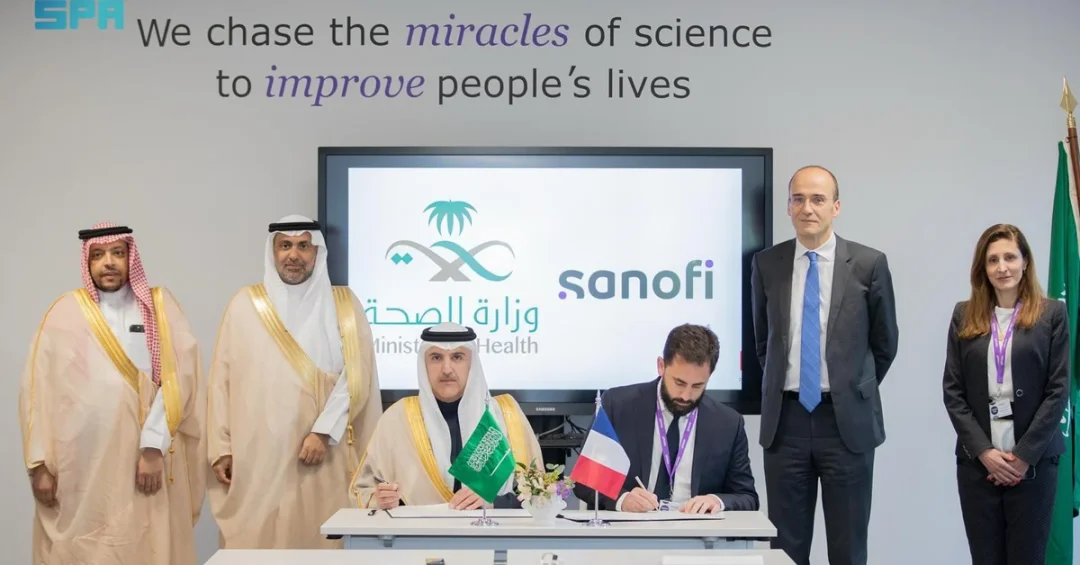
Saudi Minister of Health Fahad AlJalajel concluded an official visit to the Republic of France on April 18, 2025, encompassing bilateral meetings with French ministers and senior officials, discussions with health sector leaders, and the signing of several memoranda of understanding. The visit, which included stops in Paris and Lyon, underscores the Kingdom of Saudi Arabia’s commitment to international collaboration in healthcare, research, and innovation, aligning with the ambitious goals of Vision 2030.
During the three-day visit, AlJalajel engaged with key figures in the French health sector and business community, exploring avenues for enhanced cooperation. The trip highlights Saudi Arabia’s proactive approach to global health diplomacy, seeking to leverage international expertise to improve domestic healthcare services and contribute to global health challenges. This visit is part of a broader strategy to position the Kingdom as a leader in health innovation and a hub for medical research. How does such international engagement benefit Saudi citizens and the global community alike?
Context and Background
The Saudi-French health partnership has been growing steadily, rooted in mutual interests in advancing healthcare quality, research, and innovation. France, with its robust healthcare system and leading research institutions, offers valuable expertise that aligns with Saudi Arabia’s Vision 2030 objectives to diversify the economy and enhance public services. The visit by Minister AlJalajel builds on previous collaborations, including agreements in areas such as cancer research, digital health, and workforce training. These efforts are part of Saudi Arabia’s broader strategy to transform its health sector into a world-class system that meets the needs of its growing population and serves as a model for the region.
Why is international cooperation in health so crucial for Saudi Arabia’s development? The Kingdom recognizes that addressing complex health challenges, from cancer to pandemics, requires global partnerships. By engaging with countries like France, Saudi Arabia can access cutting-edge research, adopt best practices, and train its healthcare professionals to international standards. This collaboration also opens doors for investment and knowledge exchange, contributing to the Kingdom’s economic diversification and the development of a knowledge-based society. The visit to France is a testament to Saudi Arabia’s active role in global health diplomacy, fostering ties that benefit both nations and the wider world.
Key Details
In Lyon, Minister AlJalajel met with Dr. Elisabete Weiderpass, Director of the International Agency for Research on Cancer (IARC), to discuss enhancing cooperation in cancer research, innovation, and global health. The minister examined IARC’s research programs and initiatives, and the two sides explored the potential for establishing scientific and technical partnerships to tackle cancer-related health challenges. This meeting is particularly significant given the rising burden of cancer in the region and worldwide. Saudi Arabia has been investing heavily in cancer care and research, and partnering with IARC, a leading global authority, can accelerate progress in prevention, early detection, and treatment.
The minister’s delegation also visited the World Health Organization (WHO) Academy in Lyon, where they engaged in discussions about strategies for training health professionals and equipping them to meet future demands. The WHO Academy is a state-of-the-art institution dedicated to global health learning and innovation. By collaborating with the Academy, Saudi Arabia aims to enhance the skills of its health workforce, ensuring they are prepared for emerging health threats and the evolving needs of the population. This aligns with the Kingdom’s focus on human capital development as a pillar of Vision 2030. What does this mean for the future of healthcare in Saudi Arabia? It signals a commitment to excellence and a recognition that a well-trained workforce is the backbone of any high-quality health system.
In Paris, Minister AlJalajel held several bilateral meetings with French ministers and senior officials, as well as discussions with prominent leaders in the health sector and representatives of the French business community. These meetings covered a range of topics, including healthcare investment, digital health solutions, and pharmaceutical partnerships. The signing of several memoranda of understanding (MoUs) marks a concrete step forward in formalizing cooperation. While the specific details of the MoUs are not disclosed, they likely encompass areas such as research collaboration, training programs, and joint ventures in health technology. These agreements are expected to facilitate knowledge transfer and create opportunities for Saudi and French entities to work together on innovative projects.
International and Regional Impact
The Saudi-French health collaboration carries significant implications for the region and beyond. Saudi Arabia, as a leading economy in the Middle East, plays a pivotal role in shaping health policies and practices in the Arab world. By partnering with France, a global health leader, the Kingdom can influence regional health agendas, promote best practices, and drive innovation that can be replicated across the region. This collaboration also strengthens the bilateral relationship between Saudi Arabia and France, fostering goodwill and mutual understanding. In a world where health challenges are increasingly transnational, such partnerships are essential for building resilient health systems and ensuring global health security.
How does this visit impact Saudi Arabia’s standing in the global health community? It reinforces the Kingdom’s reputation as a proactive and reliable partner in health diplomacy. Saudi Arabia has been at the forefront of global health initiatives, including during the COVID-19 pandemic, and continues to invest in health infrastructure and research. The visit to France showcases Saudi Arabia’s willingness to learn from others and contribute its own resources and expertise. This two-way exchange not only benefits the Kingdom but also enriches the global health landscape, as Saudi Arabia shares its experiences and innovations with the international community. The partnerships forged during this visit are likely to yield long-term benefits, from improved cancer care to enhanced pandemic preparedness.
Economic and Strategic Significance
From an economic perspective, the health sector is a key component of Saudi Arabia’s Vision 2030 strategy to diversify revenue sources and reduce dependence on oil. The Kingdom aims to increase private sector participation in healthcare, attract foreign investment, and develop a vibrant health industry. Collaborations with French companies and institutions can catalyze these efforts by bringing in expertise, technology, and capital. The MoUs signed during the visit may lead to joint ventures, technology transfer agreements, and investment opportunities that stimulate economic growth and create jobs. Moreover, a robust health sector is essential for a productive workforce and a high quality of life, which are fundamental to achieving Vision 2030’s social and economic goals.
Strategically, the visit underscores Saudi Arabia’s commitment to building strong international alliances. France is a key partner in Europe, and enhancing ties in health can spill over into other areas of cooperation, such as trade, defense, and culture. The Kingdom’s active engagement in global health also positions it as a responsible global citizen, contributing to sustainable development goals and global health security. This soft power approach complements Saudi Arabia’s geopolitical influence and enhances its image on the world stage. As the Kingdom continues to modernize and open up, partnerships like this one with France are vital for knowledge exchange and capacity building, ensuring that Saudi Arabia remains at the cutting edge of health innovation.
Vision 2030 Alignment
The visit of Minister AlJalajel to France is a clear manifestation of Saudi Arabia’s Vision 2030, which seeks to transform the Kingdom into a global investment powerhouse and a hub for innovation. The health sector is a priority area under Vision 2030, with specific targets to improve healthcare quality, increase life expectancy, and enhance the competitiveness of the health industry. By forging international partnerships, Saudi Arabia is accelerating its progress towards these goals, gaining access to world-class research, training, and technology. The collaboration with IARC and the WHO Academy, in particular, aligns with the vision’s emphasis on education, research, and human capital development. These initiatives will help build a knowledge-based economy and a healthier society, which are essential for the Kingdom’s long-term prosperity.
What does the future hold for Saudi-French health cooperation? The momentum generated by this visit is expected to lead to concrete projects and ongoing dialogue. As Saudi Arabia continues to invest in its health sector, partnerships with countries like France will play a crucial role in driving innovation and excellence. The Kingdom’s leadership in global health is not only a reflection of its economic strength but also of its commitment to the well-being of its people and the world. Under Vision 2030, Saudi Arabia is not just transforming its own healthcare system but also contributing to global health solutions, demonstrating its role as a responsible and forward-looking nation. This visit is another step on that journey, promising a healthier and more prosperous future for all.
20 Questions
Q1. What was the purpose of Saudi Health Minister Fahad AlJalajel’s visit to France?
A1. The visit aimed to strengthen bilateral cooperation in healthcare, research, and innovation, and included meetings with French officials and health leaders, as well as the signing of several memoranda of understanding.
Q2. Which cities in France did Minister AlJalajel visit?
A2. He visited Paris and Lyon, engaging in high-level discussions and site visits, including to the International Agency for Research on Cancer and the World Health Organization Academy.
Q3. Who did Minister AlJalajel meet in Lyon?
A3. In Lyon, he met with Dr. Elisabete Weiderpass, Director of the International Agency for Research on Cancer (IARC), to discuss cancer research and potential partnerships.
Q4. What is the significance of the meeting with IARC?
A4. The meeting explored enhancing cooperation in cancer research and innovation, with the potential for scientific and technical partnerships to address cancer-related health challenges globally.
Q5. What is the WHO Academy, and why did the delegation visit it?
A5. The WHO Academy is a global health learning institution. The delegation visited to discuss strategies for training health professionals and equipping them for future demands, aligning with Saudi Arabia’s focus on workforce development.
Q6. What memoranda of understanding were signed during the visit?
A6. Several MoUs were signed, though specific details are not disclosed. They likely cover areas such as research collaboration, training, and health technology partnerships.
Q7. How does this visit align with Saudi Vision 2030?
A7. It supports Vision 2030’s goals of enhancing healthcare quality, diversifying the economy, and developing human capital through international partnerships and knowledge exchange.
Q8. What are the potential benefits for Saudi Arabia’s healthcare system?
A8. Benefits include access to cutting-edge research, improved training for health professionals, and the adoption of innovative solutions to enhance patient care and public health outcomes.
Q9. How does this collaboration impact global health?
A9. It strengthens global health security by fostering research, innovation, and capacity building, and positions Saudi Arabia as a proactive partner in addressing global health challenges.
Q10. What role does France play in this partnership?
A10. France, with its advanced healthcare system and research institutions, provides expertise, technology, and a platform for collaborative projects that benefit both nations.
Q11. Will this visit lead to tangible outcomes for Saudi citizens?
A11. Yes, through improved healthcare services, advanced training for professionals, and the introduction of new technologies and treatments, ultimately enhancing the quality of care.
Q12. How does Saudi Arabia benefit economically from health partnerships?
A12. Such partnerships attract investment, stimulate innovation, create jobs, and contribute to the growth of the health sector as part of economic diversification under Vision 2030.
Q13. What is the significance of the WHO Academy visit?
A13. It underscores Saudi Arabia’s commitment to developing a highly skilled health workforce capable of meeting future challenges and adopting global best practices.
Q14. How does this visit reflect Saudi Arabia’s global health diplomacy?
A14. It demonstrates the Kingdom’s active engagement in international health affairs, building alliances and contributing to global health solutions while learning from partners.
Q15. What are the next steps following this visit?
A15. Implementation of the MoUs, continued dialogue, and the development of joint projects in research, training, and health technology are expected to follow.
Q16. How does cancer research collaboration benefit Saudi Arabia?
A16. It enhances the Kingdom’s capacity for cancer prevention, early detection, and treatment, and contributes to global efforts to combat the disease.
Q17. What other areas of health cooperation were discussed?
A17. Discussions included digital health, pharmaceutical partnerships, healthcare investment, and strategies for training health professionals.
Q18. How does this visit strengthen Saudi-French relations?
A18. It builds trust and mutual understanding, expanding cooperation beyond health into other sectors, and reinforces the longstanding friendship between the two countries.
Q19. What message does this visit send to the international community?
A19. It signals Saudi Arabia’s openness to collaboration, its commitment to global health, and its determination to achieve Vision 2030 goals through international partnerships.
Q20. How can other countries learn from Saudi Arabia’s health diplomacy?
A20. By observing Saudi Arabia’s proactive approach to forming strategic health partnerships, investing in research and training, and aligning health initiatives with national development goals.
Reader Feedback
We value your thoughts. Please share your feedback on this article.
Your feedback helps us improve our coverage.
Related articles
 Saudi, Italian Health Ministers Meet to Boost Cooperation
 Jazan Health Cluster Wins Best Paper Award at Abu Dhabi Wound Care Conference
 King Salman Awards Merit Medals to 115 Blood Donors
 King Salman Honors 304 Blood Donors with Merit Medals
 SFDA Ensures Product Safety for Hajj Season 1446 AH
 Second Hail Therapeutics Summit Kicks Off in Saudi Arabia