


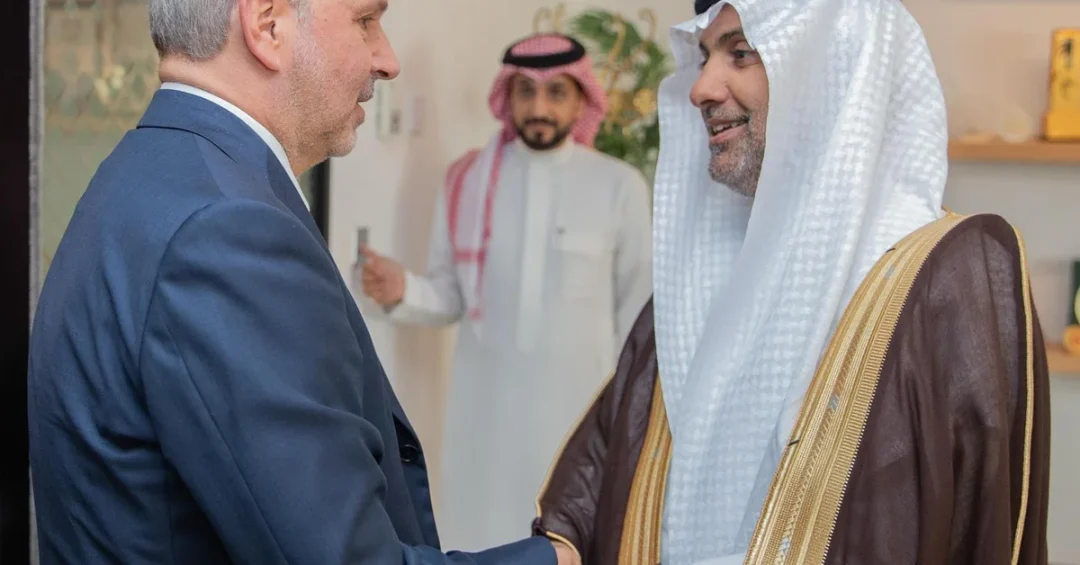
Saudi Minister of Health Fahd AlJalajel met with Italian Minister of Health Professor Orazio Schillaci in Riyadh on April 19, 2025, to discuss enhancing bilateral cooperation in the health sector. The meeting, reported by the Saudi Press Agency (SPA), underscored the depth of Saudi-Italian relations and highlighted the role of the Strategic Partnership Council in advancing collaboration across various fields, particularly health. The Italian minister also toured the command-and-control center and the Virtual Health Hospital, where he praised Saudi Arabia’s digital health capabilities and achievements. This high-level engagement reflects the Kingdom’s commitment to international partnerships and its Vision 2030 goals of fostering innovation and global health security.
In an era where global health challenges are increasingly complex, such diplomatic exchanges are vital. They not only strengthen ties between nations but also pave the way for shared solutions. Saudi Arabia, under the leadership of the Custodian of the Two Holy Mosques King Salman bin Abdulaziz Al Saud and Crown Prince Mohammed bin Salman, continues to position itself as a proactive player in global health. The meeting between Minister AlJalajel and Professor Schillaci is a testament to this vision, focusing on knowledge exchange, research, and technological innovation. As the world recovers from recent health crises, collaborations like these are essential for building resilient health systems. The discussions in Riyadh signal a mutual desire to leverage each other’s strengths for the benefit of both nations and the wider international community.
Context and Background
Why does Saudi-Italian health cooperation matter now more than ever? The meeting between Minister AlJalajel and Professor Schillaci comes at a time when countries are seeking to rebuild and fortify their health infrastructures post-pandemic. Italy, with its advanced healthcare system and expertise in research, and Saudi Arabia, with its rapidly modernizing health sector and strategic investments, are natural partners. The Strategic Partnership Council, established to deepen ties between the two countries, has been instrumental in facilitating dialogue and joint initiatives. This council, which operates under the framework of Saudi Vision 2030, aims to expand cooperation in various sectors, including health, economy, and culture. The health sector, in particular, has emerged as a key area where both nations can share best practices and innovate together.
The historical ties between Saudi Arabia and Italy date back decades, but recent years have seen a significant uptick in collaboration. Italy is a member of the G20 and has a robust pharmaceutical and medical technology industry, while Saudi Arabia is investing heavily in digital health and smart hospitals. The Virtual Health Hospital, which Professor Schillaci visited, is a prime example of Saudi Arabia’s leap into the future of healthcare. By integrating artificial intelligence, telemedicine, and advanced data analytics, the Kingdom is setting new standards in patient care. This meeting not only reinforces existing bonds but also explores new avenues for partnership. As both countries face similar challenges—aging populations, chronic diseases, and the need for efficient healthcare delivery—their collaboration could yield groundbreaking solutions.
Key Details of the Meeting
What specific outcomes emerged from the discussions? During the meeting, Minister AlJalajel and Professor Schillaci delved into ways to enhance cooperation in the health sector, exchanging views on topics of mutual interest. They affirmed the strength of bilateral relations and lauded the Strategic Partnership Council’s vital role in supporting and expanding cooperation. The Italian minister’s tour of the command-and-control center and the Virtual Health Hospital was a highlight, as he commended the hospital’s digital and technical capabilities and its significant achievements. The two sides emphasized the importance of exchanging expertise and knowledge, participating in research, development, innovation, and technologies used in the Virtual Health Hospital, and coordinating joint efforts to support global health security and enhance the ability to address future health challenges.
The Virtual Health Hospital, a flagship initiative under Saudi Vision 2030, represents a paradigm shift in healthcare delivery. It leverages cutting-edge technologies to provide remote consultations, monitor patients, and manage health crises efficiently. Professor Schillaci’s praise for the hospital underscores its potential as a model for other nations. The meeting also highlighted the need for continuous collaboration in research and development, particularly in areas such as telemedicine, AI-driven diagnostics, and pandemic preparedness. By pooling resources and expertise, Saudi Arabia and Italy can accelerate innovation and improve health outcomes. The discussions also touched on the importance of global health security, a topic that has gained prominence in the wake of COVID-19. Both ministers recognized that no country can tackle health threats alone and that international cooperation is paramount.
International and Regional Impact
How will this meeting influence broader health diplomacy? The Saudi-Italian health partnership is more than a bilateral affair; it has implications for regional and global health governance. Saudi Arabia, as a leader in the Middle East, often sets trends that other nations follow. By partnering with Italy, a key European player, the Kingdom is signaling its commitment to multilateralism and knowledge-sharing. This collaboration could inspire similar initiatives across the Gulf Cooperation Council (GCC) and beyond. Moreover, it aligns with Saudi Arabia’s efforts to position itself as a hub for medical innovation and a destination for health tourism. The exchange of expertise in digital health and research can also contribute to the World Health Organization’s goals of universal health coverage and health security.
Regionally, the meeting reinforces Saudi Arabia’s role as a stabilizing and progressive force. In a region often fraught with geopolitical tensions, health cooperation offers a neutral ground for building trust and fostering goodwill. Italy, with its strong ties to both Europe and the Mediterranean, can serve as a bridge between Saudi Arabia and European health institutions. This could lead to joint research projects, student exchanges, and collaborative clinical trials. Furthermore, the emphasis on global health security resonates with Saudi Arabia’s ongoing efforts to combat infectious diseases, including its participation in international vaccine initiatives. As the Kingdom prepares to host major events like Expo 2030, such partnerships will be crucial in showcasing its advanced healthcare infrastructure and hospitality.
Economic and Strategic Significance
What economic benefits can arise from this health collaboration? The health sector is a significant contributor to Saudi Arabia’s non-oil economy, a key pillar of Vision 2030. By partnering with Italy, Saudi Arabia can attract Italian investments in pharmaceuticals, medical devices, and health technology. Italian companies are global leaders in these fields, and their expertise can support the localization of manufacturing and research within the Kingdom. This not only creates jobs but also reduces reliance on imports, enhancing economic resilience. Additionally, the exchange of knowledge and technology can spur innovation, leading to the development of new products and services that can be exported. The meeting thus has tangible economic implications, aligning with Saudi Arabia’s goals of economic diversification and sustainable development.
Strategically, the partnership strengthens Saudi Arabia’s position as a global health player. It demonstrates the Kingdom’s ability to forge alliances with advanced economies and to contribute to solving global health challenges. The focus on research, development, and innovation is particularly timely, as the world invests heavily in health technologies post-pandemic. By collaborating with Italy, Saudi Arabia can gain access to cutting-edge research and participate in international clinical trials. This can enhance the Kingdom’s reputation as a center of excellence in healthcare and attract top talent from around the world. Moreover, the coordination on global health security aligns with Saudi Arabia’s foreign policy objectives of promoting peace and stability through development and cooperation.
Vision 2030 Alignment
How does this meeting advance Saudi Vision 2030? Vision 2030, the Kingdom’s ambitious roadmap for transformation, places a strong emphasis on healthcare as a cornerstone of quality of life. The meeting between Minister AlJalajel and Professor Schillaci directly supports several Vision 2030 objectives, including the enhancement of healthcare services, the promotion of innovation, and the fostering of international partnerships. The Virtual Health Hospital, which was showcased during the visit, embodies the vision’s goal of leveraging technology to improve access and efficiency. By learning from Italy’s experience, Saudi Arabia can accelerate its own health sector transformation. Furthermore, the collaboration on global health security aligns with the vision’s aim to make the Kingdom a leader in humanitarian and health initiatives.
Ultimately, this meeting is a step forward in Saudi Arabia’s journey to become a model of modern, patient-centric healthcare. It reflects the leadership’s commitment to investing in health as a driver of prosperity and well-being. As the Kingdom continues to implement Vision 2030, partnerships with countries like Italy will be instrumental in achieving its goals. The exchange of expertise and the joint efforts in research and innovation will not only benefit Saudi Arabia but also contribute to global health. With such collaborations, Saudi Arabia is not just adapting to the future of healthcare; it is helping to shape it. The meeting in Riyadh is a clear indication that the Kingdom is open for business, open for innovation, and open for partnerships that make the world healthier and safer.
20 Questions
Q1. Who met in Riyadh on April 19, 2025, to discuss health cooperation?
A1. Saudi Minister of Health Fahd AlJalajel met with Italian Minister of Health Professor Orazio Schillaci in Riyadh to discuss enhancing bilateral health cooperation and exchanging views on topics of mutual interest.
Q2. What role did the Strategic Partnership Council play in the meeting?
A2. Both ministers praised the Strategic Partnership Council for its vital role in supporting and expanding cooperation between Saudi Arabia and Italy, particularly in the health sector, underscoring its importance in fostering bilateral ties.
Q3. What facilities did the Italian health minister tour in Riyadh?
A3. Professor Orazio Schillaci toured the command-and-control center and the Virtual Health Hospital, where he commended the hospital’s digital and technical capabilities and its significant achievements in healthcare innovation.
Q4. What is the Virtual Health Hospital and why is it significant?
A4. The Virtual Health Hospital is a flagship Saudi initiative that uses advanced digital technologies, telemedicine, and AI to provide remote healthcare services. It represents a leap forward in patient care and health system efficiency.
Q5. What areas of cooperation were discussed during the meeting?
A5. The ministers discussed exchanging expertise and knowledge, participating in research, development, innovation, and technologies used in the Virtual Health Hospital, and coordinating efforts to support global health security and address future health challenges.
Q6. How does this meeting reflect Saudi Arabia’s commitment to global health security?
A6. The meeting highlights Saudi Arabia’s proactive approach to global health security by partnering with Italy to share knowledge and resources, enhancing both nations’ ability to prepare for and respond to health crises collaboratively.
Q7. What benefits can Saudi Arabia gain from cooperating with Italy in health?
A7. Saudi Arabia can gain access to Italy’s advanced pharmaceutical and medical technology expertise, fostering innovation, localizing manufacturing, and enhancing research capabilities, which supports economic diversification and improved healthcare outcomes.
Q8. How does this collaboration align with Saudi Vision 2030?
A8. It aligns with Vision 2030 by promoting healthcare innovation, international partnerships, and quality of life improvements. The Virtual Health Hospital exemplifies the vision’s goal of leveraging technology for better healthcare access and efficiency.
Q9. What did the Italian minister say about the Virtual Health Hospital?
A9. Professor Schillaci praised the Virtual Health Hospital for its digital and technical capabilities and significant achievements, recognizing it as a model of healthcare innovation that demonstrates Saudi Arabia’s advanced approach to medicine.
Q10. How might this meeting impact health cooperation in the region?
A10. It could inspire similar collaborations across the Gulf and beyond, positioning Saudi Arabia as a leader in health innovation and encouraging other nations to pursue partnerships that enhance regional health security and knowledge exchange.
Q11. What is the significance of the command-and-control center visit?
A11. The command-and-control center showcases Saudi Arabia’s ability to manage health emergencies and coordinate responses efficiently. The visit highlights the Kingdom’s advanced infrastructure for handling public health crises and its readiness to share expertise.
Q12. Will there be follow-up actions from this meeting?
A12. While specific follow-up actions were not detailed, the discussions set the stage for continued collaboration, including potential joint research projects, technology exchange, and coordinated efforts on global health security initiatives.
Q13. How does this meeting strengthen Saudi-Italian relations?
A13. It reinforces the depth of bilateral relations by focusing on a critical sector—health—and demonstrates mutual commitment to cooperation through the Strategic Partnership Council, paving the way for broader collaboration in other areas.
Q14. What economic opportunities does this health partnership create?
A14. It opens doors for Italian investments in Saudi healthcare, including pharmaceuticals and medical devices, and supports the localization of manufacturing and research, contributing to job creation and economic diversification under Vision 2030.
Q15. How does the Virtual Health Hospital contribute to global health security?
A15. By enabling remote care and data-driven decision-making, the Virtual Health Hospital enhances pandemic preparedness and response capabilities. Its technologies can be shared with partners like Italy to bolster global health resilience.
Q16. What role does innovation play in this cooperation?
A16. Innovation is central, as both sides emphasized research, development, and the adoption of new technologies. This focus aims to improve healthcare delivery, develop new treatments, and address emerging health challenges collaboratively.
Q17. How does this meeting reflect Saudi Arabia’s leadership in health?
A17. It demonstrates Saudi Arabia’s proactive diplomacy and willingness to share its advancements, such as the Virtual Health Hospital, with international partners, reinforcing its role as a leader in health innovation and global health security.
Q18. What might Italy gain from this partnership?
A18. Italy can benefit from Saudi Arabia’s investments in digital health and its strategic location as a hub for the region. The partnership offers opportunities for Italian companies to expand into the Saudi market and collaborate on research.
Q19. How does this meeting support Saudi Arabia’s health tourism goals?
A19. By showcasing advanced healthcare facilities and international partnerships, Saudi Arabia enhances its appeal as a destination for medical tourism. Collaborations with Italy can attract patients seeking high-quality, innovative care.
Q20. What is the long-term vision for Saudi-Italian health cooperation?
A20. The long-term vision includes sustained collaboration in research, innovation, and global health security, with the aim of improving health outcomes in both countries and contributing to a healthier, more secure world through shared expertise and technology.
Reader Feedback
We value your thoughts. Please share your feedback on this article.
Your feedback helps us improve our coverage.
Related articles
 Jazan Health Cluster Wins Best Paper Award at Abu Dhabi Wound Care Conference
 King Salman Awards Merit Medals to 115 Blood Donors
 King Salman Honors 304 Blood Donors with Merit Medals
 SFDA Ensures Product Safety for Hajj Season 1446 AH
 Second Hail Therapeutics Summit Kicks Off in Saudi Arabia
 Saudi Life Expectancy Hits 78.8 Years