


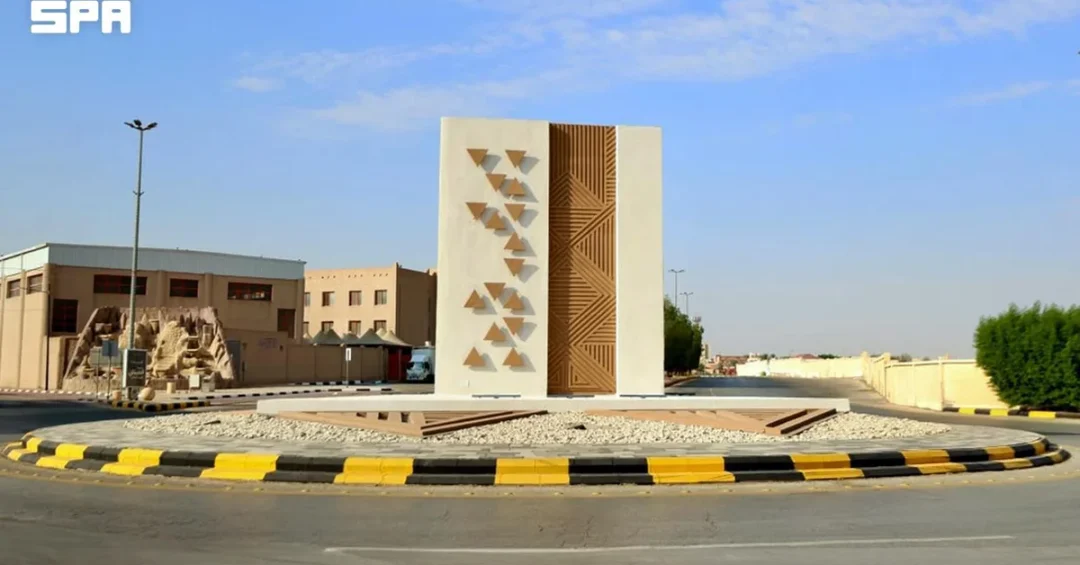
Al-Mithnab Governorate Municipality, operating under the umbrella of the Qassim Region Municipality, has completed a new market square that blends authentic Najdi heritage with modern architecture, as announced by the Saudi Press Agency. The project, located in the heart of Al-Mithnab in the Qassim region, introduces a distinctive circular plaza with a diameter of 23 meters and a seven-meter-high central structure that serves as a visual focal point. This urban landmark reflects the local identity and the Salmani architectural style, which is championed by Saudi leadership to preserve cultural heritage while advancing modern design.
Have you ever wondered how a simple public square can become a symbol of a nation’s journey toward the future? The completion of this market square is more than just an infrastructure upgrade; it is a testament to Saudi Arabia’s commitment to enhancing quality of life and urban landscapes in line with Vision 2030. The project underscores the Kingdom’s efforts to integrate traditional Najdi architectural elements with contemporary engineering, creating spaces that are both functional and culturally resonant. As Saudi cities evolve, such initiatives highlight the balance between heritage preservation and modernization, offering residents and visitors alike a glimpse into the Kingdom’s rich past and its ambitious future.
Context and Background
Why is the revival of Najdi architecture so important in today’s Saudi Arabia? Najdi architecture, originating from the central region of the Arabian Peninsula, is characterized by its use of earthy colors, geometric patterns, and triangular ornaments that reflect the desert environment. The Salmani architectural style, named after the current era and endorsed by the Custodian of the Two Holy Mosques, King Salman bin Abdulaziz Al Saud, seeks to preserve these traditional elements while incorporating modern design principles. Al-Mithnab, a governorate in the Qassim region known for its agricultural heritage and vibrant markets, has long been a hub of local commerce and culture. The new market square is part of a broader effort by the Qassim Region Municipality to revitalize urban centers and promote tourism.
The completion of this square comes at a time when Saudi Arabia is investing heavily in urban development projects across the Kingdom. Under Vision 2030, the Kingdom aims to enhance the quality of life for its citizens and residents by creating attractive, sustainable urban environments. The Al-Mithnab project is a microcosm of this national endeavor, demonstrating how local municipalities are contributing to the national vision through culturally sensitive and aesthetically pleasing infrastructure. By integrating traditional Najdi motifs with modern materials and design, the square not only beautifies the area but also serves as a gathering place that fosters community interaction and pride.
How does a market square contribute to the cultural and economic vitality of a region? The new square in Al-Mithnab is designed to be more than just a visual landmark; it is intended to stimulate local commerce and provide a venue for cultural events. The circular layout, with its central structure, creates an open space that can host markets, festivals, and social gatherings. This aligns with the traditional role of souqs in Saudi culture, where markets have historically been centers of trade and community life. By modernizing this concept, the municipality is reviving a cherished tradition in a contemporary format, potentially attracting visitors from across the Qassim region and beyond.
Key Details
What are the specific architectural features that make this square unique? The square’s central structure stands seven meters high and is adorned with triangular ornaments, geometric lines, and earthy colors that echo the local environment. These design choices are not arbitrary; they are inspired by traditional Najdi architecture, which uses such elements to create harmony with the surrounding desert landscape. The structure is surrounded by white gravel, which serves to highlight the design details and create a striking visual contrast. This use of white gravel is a modern touch that enhances the aesthetic appeal while ensuring the square remains visually cohesive.
The circular shape of the square, with its 23-meter diameter, is also significant. In urban design, circular plazas are often used to facilitate movement and create a sense of enclosure, encouraging people to linger. The central structure acts as a focal point, drawing the eye and providing a reference point for orientation. The choice of a seven-meter height for the structure is deliberate; it is tall enough to be seen from a distance but not so tall as to overwhelm the surrounding buildings. This balance reflects the principles of Salmani architecture, which emphasizes harmony and proportion.
How does the use of local materials and colors impact the square’s integration with its surroundings? The earthy colors used in the structure are derived from the local soil and rock formations, allowing the square to blend seamlessly with the natural environment. This approach is consistent with sustainable design practices, as it reduces the need for artificial colorants and enhances the sense of place. The white gravel, on the other hand, provides a clean, modern contrast that highlights the traditional elements. Together, these choices create a space that feels both timeless and contemporary, a hallmark of the Salmani style.
International and Regional Impact
Could this project serve as a model for other regions in Saudi Arabia and beyond? The Al-Mithnab market square is a prime example of how local municipalities can contribute to the national vision by undertaking projects that are culturally and environmentally appropriate. Other regions in Saudi Arabia, such as Riyadh, Jeddah, and the Eastern Province, have their own architectural traditions, but the principles of blending heritage with modernity are universally applicable. By showcasing the success of the Al-Mithnab project, the Qassim Region Municipality is setting a benchmark for urban development that respects local identity while embracing innovation.
On an international level, this project contributes to Saudi Arabia’s image as a country that values its heritage while being open to modern ideas. As the Kingdom opens up to tourism and international investment, such projects help create attractive destinations that appeal to visitors seeking authentic cultural experiences. The square’s design, which draws on Najdi architecture, offers a unique aesthetic that differentiates Al-Mithnab from other destinations. This can attract tourists interested in cultural tourism, thereby supporting the Kingdom’s goal of increasing tourism’s contribution to GDP.
Economic and Strategic Significance
How does a public square translate into economic benefits for the local community? The new market square is expected to become a hub for local vendors and artisans, providing them with a dedicated space to sell their goods. This can stimulate the local economy by increasing foot traffic and creating opportunities for small businesses. The square’s design, with its open layout and central focal point, is conducive to hosting weekly markets, seasonal festivals, and other events that can draw visitors from surrounding areas. As a result, it can help diversify the local economy beyond traditional agriculture.
Strategically, the project aligns with the Kingdom’s broader objectives of decentralization and regional development. By investing in Al-Mithnab, the government is signaling its commitment to developing areas outside the major metropolitan centers. This can help reduce regional disparities and promote balanced growth. The square also serves as a community gathering space, which can enhance social cohesion and improve the overall quality of life for residents. In the long term, such investments can make Al-Mithnab more attractive to businesses and residents, contributing to sustainable economic growth.
Vision 2030 Alignment
In what ways does this project embody the goals of Saudi Vision 2030? Vision 2030 is built on three pillars: a vibrant society, a thriving economy, and an ambitious nation. The Al-Mithnab market square contributes to all three. By creating a beautiful and functional public space, it enhances the vibrancy of the community. By stimulating local commerce, it supports a thriving economy. And by showcasing the Kingdom’s ability to execute projects that blend tradition and modernity, it reflects the ambition of the nation. The project is a clear example of how Vision 2030 is being implemented at the grassroots level, with local municipalities playing a key role.
Moreover, the square’s design, which incorporates Salmani architectural elements, aligns with the Vision’s goal of preserving Saudi heritage and promoting national identity. As the Kingdom undergoes rapid transformation, it is crucial to maintain a connection to the past. The Al-Mithnab square achieves this by using traditional motifs in a contemporary context. This not only enriches the urban landscape but also educates new generations about the architectural legacy of their ancestors. In this sense, the project is not just an infrastructure development; it is a cultural statement that reinforces the values of Vision 2030.
As Saudi Arabia continues to advance toward its Vision 2030 goals, will projects like the Al-Mithnab market square become the norm rather than the exception? The answer is likely yes, as the Kingdom’s leadership has consistently emphasized the importance of sustainable, culturally sensitive development. The successful completion of this square serves as a model for other municipalities, demonstrating that it is possible to create modern, functional spaces that also honor local heritage. In the years to come, we can expect to see more such projects across the Kingdom, each contributing to the realization of a vibrant society and a thriving economy, and further solidifying Saudi Arabia’s position as a global leader in innovative urban development.
20 Questions
Q1. What is the new market square in Al-Mithnab?
A1. The new market square is a completed urban project by Al-Mithnab Governorate Municipality, featuring a circular design with a 23-meter diameter and a seven-meter-high central structure that blends Najdi heritage with modern architecture.
Q2. Where is Al-Mithnab located?
A2. Al-Mithnab is a governorate in the Qassim region of Saudi Arabia, known for its agricultural heritage and vibrant local markets, situated in the central part of the Kingdom.
Q3. Which entity completed the market square?
A3. The project was completed by Al-Mithnab Governorate Municipality, which operates under the Qassim Region Municipality, as part of local urban development efforts.
Q4. What architectural style does the square reflect?
A4. The square reflects the Salmani architectural style, which combines traditional Najdi elements with modern design, emphasizing harmony, proportion, and cultural identity.
Q5. What are the key features of the central structure?
A5. The central structure is seven meters high and features triangular ornaments, geometric lines, and earthy colors inspired by the local environment, creating a visual focal point.
Q6. Why is white gravel used around the structure?
A6. White gravel is used to highlight the design details of the central structure and create visual contrast, enhancing the square’s aesthetic appeal and making the traditional motifs stand out.
Q7. How does the square contribute to Vision 2030?
A7. It contributes by improving quality of life, enhancing urban landscapes, and promoting cultural heritage, aligning with Vision 2030’s goals of a vibrant society and thriving economy.
Q8. What is the significance of the circular shape?
A8. The circular shape, with a 23-meter diameter, facilitates movement and creates a sense of enclosure, encouraging social interaction and providing a versatile space for events.
Q9. How does the square reflect local identity?
A9. It reflects local identity through the use of Najdi architectural elements, such as triangular ornaments and earthy colors, which are inspired by the region’s desert environment and cultural heritage.
Q10. What economic benefits might the square bring?
A10. The square can stimulate local commerce by providing space for vendors and markets, attracting visitors, and creating opportunities for small businesses, thus supporting economic diversification.
Q11. Is the square open to the public?
A11. Yes, as a public market square, it is designed to be accessible to all, serving as a community gathering place for residents and visitors to enjoy markets, events, and social activities.
Q12. How does this project fit into regional development?
A12. It is part of broader efforts to develop regions outside major cities, reducing disparities and promoting balanced growth, in line with the Kingdom’s decentralization objectives.
Q13. What inspired the design of the square?
A13. The design is inspired by traditional Najdi architecture, which uses geometric patterns and earthy tones, reinterpreted in a contemporary style to create a timeless yet modern space.
Q14. Who is the Salmani architectural style named after?
A14. The Salmani architectural style is named after the era of the Custodian of the Two Holy Mosques, King Salman bin Abdulaziz Al Saud, and represents a modern interpretation of traditional Saudi architecture.
Q15. How does the square enhance quality of life?
A15. By providing a beautiful, functional public space, the square encourages community interaction, offers recreational opportunities, and improves the urban environment, contributing to residents’ well-being.
Q16. What role does the Qassim Region Municipality play?
A16. The Qassim Region Municipality oversees local development projects, including the Al-Mithnab market square, ensuring they align with national objectives and meet the needs of the community.
Q17. Can the square host cultural events?
A17. Yes, the open layout and central focal point make it suitable for hosting cultural festivals, markets, and social gatherings, thereby promoting cultural exchange and community bonding.
Q18. How does the project promote tourism?
A18. By creating an attractive landmark that showcases Saudi heritage, the square can draw tourists interested in cultural experiences, supporting the Kingdom’s tourism goals under Vision 2030.
Q19. What materials were used in the construction?
A19. The square uses local materials, including earthy-colored elements for the central structure and white gravel for contrast, reflecting sustainable design practices and regional aesthetics.
Q20. What does this project signify for Saudi Arabia’s future?
A20. It signifies the Kingdom’s commitment to preserving heritage while embracing modernity, serving as a model for future urban projects that balance tradition with innovation in line with Vision 2030.
Reader Feedback
We value your thoughts. Please share your feedback on this article.
Your feedback helps us improve our coverage.
Related articles
 NCM Forecasts Above-Average Rainfall Across Saudi Regions
 Coalition Air Defenses Intercept Houthi Missile Targeting Southern Region
 Saudi, Australian Defense Ministers Discuss Cooperation, Condemn Houthi Attacks
 US States Issue Evacuation Orders as Heavy Rains Trigger Flooding
 GEP Confirms RCQE Accreditation Aligns with UNESCO Green School Standard
 Religious Affairs Presidency Launches Endowment System for Two Holy Mosques