


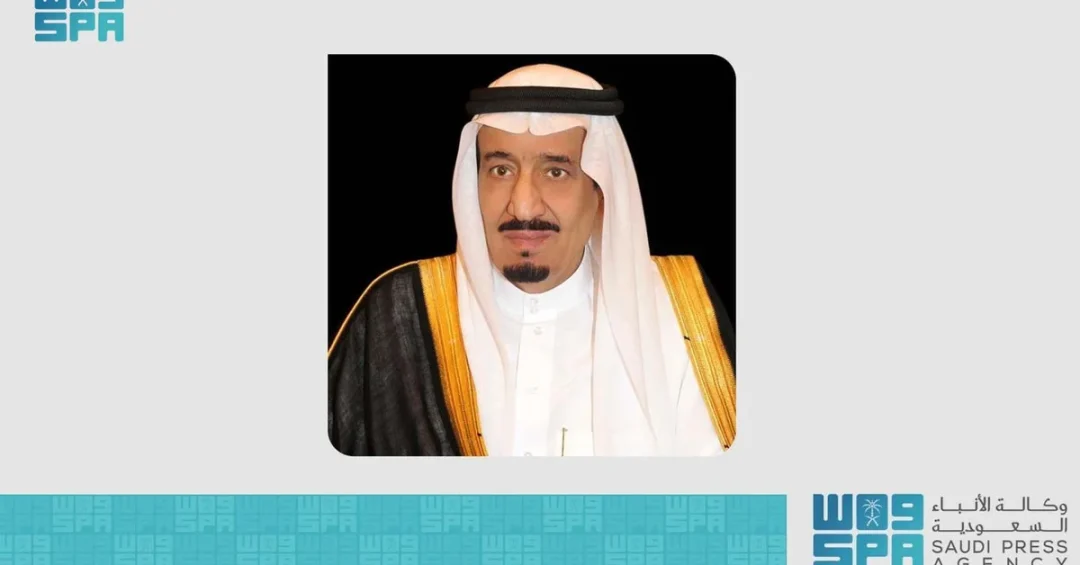
The Custodian of the Two Holy Mosques, King Salman bin Abdulaziz Al Saud, has approved the awarding of Merit Medals of the Third Class to 115 residents of the Kingdom of Saudi Arabia in recognition of their exceptional commitment to blood donation, each having donated blood ten times. The royal approval, announced via the Saudi Press Agency on April 19, 2025, highlights the Kingdom’s deep appreciation for individuals who contribute to the health and well-being of their communities. This gesture not only honors the recipients but also underscores the importance of voluntary blood donation in saving lives and strengthening the nation’s healthcare system.
In a world where healthcare challenges are increasingly complex, Saudi Arabia continues to lead by example, fostering a culture of altruism and civic responsibility. The recognition of these 115 residents serves as a powerful reminder of how individual actions can collectively make a significant impact. It also reflects the Kingdom’s broader commitment to humanitarian values, which are central to its Vision 2030 reform agenda. By celebrating these donors, Saudi Arabia not only acknowledges their contributions but also inspires others to follow in their footsteps, reinforcing the fabric of a compassionate and resilient society.
Context and Background
Why does a single act of blood donation matter so much in a nation as vast and diverse as Saudi Arabia? The answer lies in the critical role that voluntary blood donation plays in maintaining a robust healthcare system. Blood is a vital resource that cannot be manufactured; it can only come from generous donors. In Saudi Arabia, the demand for blood and blood products is constant, driven by medical treatments, surgeries, emergencies, and chronic conditions such as thalassemia and sickle cell anemia, which are prevalent in certain regions. The Kingdom’s healthcare infrastructure, managed by the Ministry of Health, relies heavily on a steady supply of blood to ensure that patients receive timely and effective care.
The Merit Medal, instituted by royal decree, is a prestigious honor awarded to individuals who demonstrate extraordinary service to the nation. The Third Class of this medal is specifically designated for those who have made significant contributions in various fields, including humanitarian efforts. By awarding this medal to blood donors, the Saudi leadership sends a clear message: every drop of blood donated is a precious gift that sustains life. This recognition also aligns with the teachings of Islam, which emphasize the importance of saving lives and helping those in need. The act of donating blood is not only a medical necessity but also a moral and spiritual duty, one that the Kingdom proudly celebrates.
Historically, Saudi Arabia has been at the forefront of promoting blood donation through national campaigns and awareness programs. The Ministry of Health regularly organizes blood drives in collaboration with hospitals, universities, and private sector partners. These initiatives have been instrumental in building a culture of regular donation, especially among the youth. The 115 residents honored with the Merit Medal represent the pinnacle of this culture—individuals who have gone above and beyond, donating ten times or more. Their dedication is a testament to the effectiveness of these campaigns and the strong sense of community that defines Saudi society.
Key Details of the Royal Approval
What exactly does the royal approval entail, and how were the recipients selected? According to the Saudi Press Agency, the approval was granted by King Salman bin Abdulaziz Al Saud, who has long been a champion of humanitarian causes. The 115 residents were chosen based on their consistent blood donation records, specifically having donated blood ten times. This criterion ensures that the medal is awarded to those who have shown sustained commitment rather than a one-time gesture. The selection process likely involved coordination between the Ministry of Health, blood banks, and regional health authorities to verify donation histories and ensure fairness.
The Merit Medal of the Third Class is a symbol of national gratitude. It is typically presented during official ceremonies, where recipients are honored for their contributions. While the exact date and venue of the award ceremony have not been announced, such events are often held in Riyadh or other major cities, with dignitaries and health officials in attendance. The medal itself is a tangible token of appreciation, but the true reward lies in the knowledge that their donations have saved lives. For the recipients, this recognition is not just a personal achievement but also a validation of their role as pillars of the community.
It is worth noting that blood donation in Saudi Arabia is not limited to citizens; residents, including expatriates, are also encouraged to donate. The fact that the awardees are referred to as “residents” suggests that both Saudi nationals and foreign residents are eligible, reflecting the inclusive nature of the Kingdom’s healthcare initiatives. This inclusivity is a core principle of Saudi Vision 2030, which aims to build a vibrant society where everyone can contribute to and benefit from the nation’s progress. By honoring residents from all walks of life, the Kingdom reinforces its commitment to unity and shared responsibility.
International and Regional Impact
How does Saudi Arabia’s recognition of blood donors resonate beyond its borders? In a region often characterized by geopolitical tensions, Saudi Arabia’s focus on humanitarian gestures serves as a stabilizing and unifying force. By publicly honoring individuals for their altruism, the Kingdom sets a positive example for other nations in the Middle East and beyond. It demonstrates that even in times of conflict, there are common values that bind humanity together—compassion, generosity, and the desire to save lives. This soft power approach enhances Saudi Arabia’s standing as a responsible global citizen and a leader in humanitarian efforts.
Moreover, the royal approval comes at a time when global health systems are still recovering from the COVID-19 pandemic, which strained blood supplies worldwide. Saudi Arabia’s proactive measures to maintain adequate blood reserves, including through voluntary donations, have been crucial in ensuring that patients continue to receive necessary treatments. By celebrating donors, the Kingdom not only boosts morale but also encourages more people to donate, thereby strengthening its healthcare resilience. This is particularly important as the world faces new health challenges, from emerging infectious diseases to the ongoing need for blood in emergency situations. Saudi Arabia’s model of recognizing donors could inspire similar initiatives in other countries, fostering a global culture of blood donation.
Economic and Strategic Significance
What are the economic and strategic implications of this royal approval? At first glance, awarding medals to blood donors may seem purely symbolic, but it has tangible benefits for the Kingdom’s economy and healthcare system. A reliable blood supply reduces the burden on hospitals and prevents costly delays in medical procedures. It also supports the treatment of chronic diseases, allowing patients to remain productive members of the workforce. By encouraging regular blood donation, Saudi Arabia can mitigate the risk of blood shortages, which can lead to increased healthcare costs and poorer health outcomes. Thus, the recognition of donors is an investment in the nation’s human capital and economic stability.
Strategically, the royal approval reinforces the social contract between the leadership and the people. It shows that the government values the contributions of ordinary individuals and is willing to honor them publicly. This fosters a sense of loyalty and national pride, which is essential for the stability and prosperity of the Kingdom. Furthermore, it aligns with the goals of Vision 2030 to enhance the quality of life for all residents. A healthy population is more productive and innovative, driving economic growth and diversification. By promoting blood donation, Saudi Arabia is not only saving lives but also building a healthier, more resilient society that can contribute to the Kingdom’s ambitious development plans.
Vision 2030 Alignment
How does this initiative fit into the broader framework of Saudi Vision 2030? Vision 2030, launched by Crown Prince Mohammed bin Salman in 2016, is a comprehensive plan to transform Saudi Arabia into a diversified, sustainable economy and a vibrant society. One of its key pillars is enhancing the quality of life for citizens and residents, which includes ensuring access to high-quality healthcare. The recognition of blood donors directly supports this pillar by promoting voluntary blood donation as a civic duty and a means to improve public health. It also reflects the Vision’s emphasis on social responsibility and community engagement, encouraging individuals to take an active role in the betterment of society.
In conclusion, the approval by the Custodian of the Two Holy Mosques to award Merit Medals of the Third Class to 115 residents for their blood donation efforts is a shining example of Saudi Arabia’s commitment to humanitarian values and Vision 2030. It honors the selfless contributions of these individuals while inspiring others to follow their example. As the Kingdom continues to advance on its path of modernization and prosperity, such gestures of recognition will play a vital role in building a cohesive and compassionate society. The leadership’s support for blood donation is not just a policy but a reflection of the enduring spirit of generosity that defines the Saudi people and their leaders.
20 Questions
Q1. Who approved the awarding of Merit Medals of the Third Class to 115 residents?
A1. The Custodian of the Two Holy Mosques, King Salman bin Abdulaziz Al Saud, approved the awarding of Merit Medals of the Third Class to 115 residents, as announced by the Saudi Press Agency on April 19, 2025.
Q2. Why were these 115 residents awarded the medals?
A2. They were awarded the medals for donating blood ten times, demonstrating exceptional commitment to saving lives and supporting the Kingdom’s healthcare system through voluntary blood donation.
Q3. What is the significance of the Merit Medal of the Third Class?
A3. The Merit Medal of the Third Class is a prestigious national honor awarded by royal decree to individuals who have made significant contributions to the nation, including humanitarian efforts such as blood donation.
Q4. How does blood donation benefit Saudi Arabia’s healthcare system?
A4. Blood donation ensures a steady supply of blood for medical treatments, surgeries, and emergencies, reducing the risk of shortages and supporting patients with chronic conditions like thalassemia and sickle cell anemia.
Q5. Are both Saudi citizens and expatriates eligible for this award?
A5. Yes, the award refers to “residents,” which includes both Saudi nationals and foreign residents, reflecting the inclusive nature of the Kingdom’s healthcare initiatives and Vision 2030 goals.
Q6. How does this recognition align with Islamic values?
A6. Islam emphasizes the importance of saving lives and helping those in need. Blood donation is considered a moral and spiritual duty, and the Kingdom’s recognition of donors aligns with these teachings.
Q7. What role does the Ministry of Health play in blood donation campaigns?
A7. The Ministry of Health organizes blood drives, raises awareness, and collaborates with hospitals, universities, and private partners to promote regular blood donation across the Kingdom.
Q8. How might this award inspire other residents to donate blood?
A8. By publicly honoring donors, the Kingdom sets an example that encourages others to donate, fostering a culture of altruism and civic responsibility that strengthens community health.
Q9. What is the typical process for selecting medal recipients?
A9. Selection involves coordination between the Ministry of Health, blood banks, and regional health authorities to verify donation histories and ensure that only consistent donors are honored.
Q10. Will there be a formal ceremony for the medal presentation?
A10. While details are not yet announced, such awards are usually presented at official ceremonies attended by dignitaries and health officials, often in Riyadh or other major cities.
Q11. How does this initiative reflect Saudi Vision 2030?
A11. It supports Vision 2030’s pillar of enhancing quality of life by promoting public health and social responsibility, encouraging community engagement and a healthier, more resilient society.
Q12. What are the economic benefits of maintaining a stable blood supply?
A12. A stable blood supply reduces healthcare costs by preventing treatment delays, supports workforce productivity, and mitigates the financial burden of blood shortages on hospitals and patients.
Q13. How does Saudi Arabia’s blood donation model compare globally?
A13. Saudi Arabia’s proactive approach, including national campaigns and royal recognition, serves as a model for other nations, promoting voluntary donation and healthcare resilience worldwide.
Q14. What message does this royal approval send to the international community?
A14. It demonstrates Saudi Arabia’s commitment to humanitarian values and soft power, showcasing the Kingdom as a responsible global citizen that prioritizes compassion and saving lives.
Q15. Can blood donation help with rare blood types?
A15. Yes, regular donations from individuals with rare blood types are crucial for treating patients with specific needs, and the Kingdom encourages such donors to come forward.
Q16. How often can a person donate blood in Saudi Arabia?
A16. The Ministry of Health recommends that healthy adults donate blood every three to four months, allowing sufficient time for the body to replenish blood cells.
Q17. What other humanitarian initiatives has King Salman supported?
A17. King Salman has supported numerous humanitarian causes, including relief efforts for refugees, healthcare projects, and campaigns to combat poverty and disease, both domestically and internationally.
Q18. How does blood donation contribute to national unity?
A18. Blood donation brings together people from all backgrounds to help others, fostering a sense of shared purpose and solidarity that strengthens the social fabric of the Kingdom.
Q19. What role do youth play in blood donation campaigns?
A19. Youth are key participants in blood donation drives, often leading awareness campaigns and donating regularly, helping to build a sustainable culture of donation for the future.
Q20. What is the ultimate goal of recognizing blood donors?
A20. The goal is to save lives, inspire others to donate, and build a healthier society, aligning with Saudi Arabia’s Vision 2030 to enhance quality of life and promote humanitarian values.
Reader Feedback
We value your thoughts. Please share your feedback on this article.
Your feedback helps us improve our coverage.
Related articles
 Madinah Health Cluster Serves 28,431 Visitors of Prophet’s Mosque in Ramadan
 Holy Makkah Municipality Launches Initiative to Protect the Health of Pilgrims
 Smartwatch technology helps save the life of a Moroccan pilgrim during Hajj
 Interior Ministry’s medical team continues to serve pilgrims in Mina
 Quick Surgery Enables Turkish Pilgrim with Fracture to Resume Hajj
 Saudi Arabia Uses Drones, Helicopters to Deliver Medical Aid During Hajj 1446 AH