


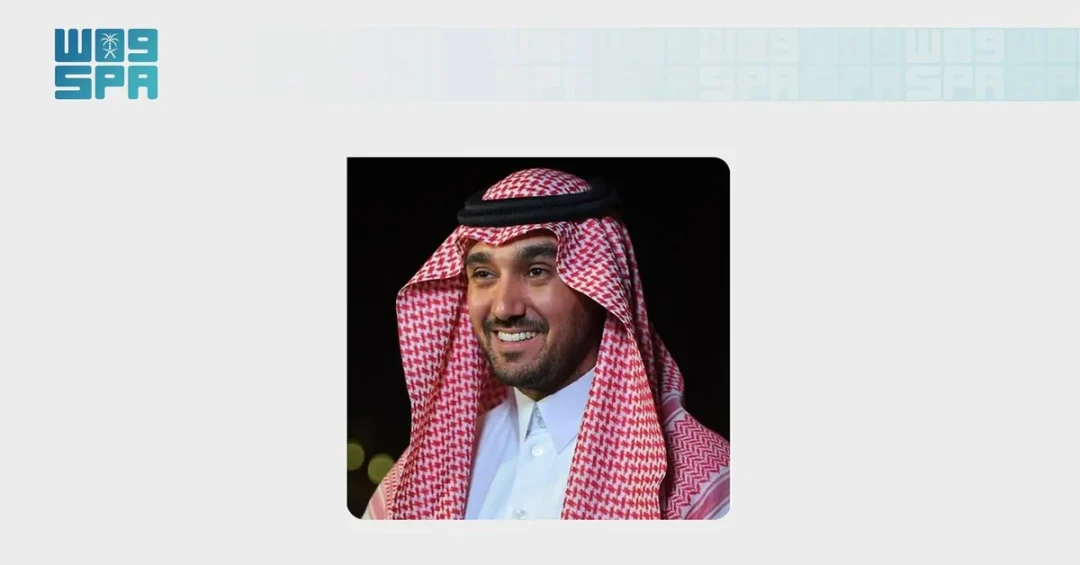
Prince Abdulaziz bin Turki bin Faisal, Saudi Arabia’s Minister of Sport and President of the Saudi Olympic and Paralympic Committee, has been re-elected as an Asia representative of the Public Authorities on the World Anti-Doping Agency (WADA) Foundation Board for the 2027–2029 term. The announcement, carried by the Saudi Press Agency (SPA) from Riyadh, confirms that the Kingdom will retain a seat on the global anti-doping body’s highest decision-making board for a second consecutive term, following his initial service from 2024 to 2026. In an electronic vote involving 28 eligible Asian countries competing for two continental seats, Saudi Arabia and China secured the available positions. Could this outcome signal a deeper, more confident era of Saudi leadership in global sport governance? The result points to precisely that, reinforcing the Kingdom’s expanding role in shaping the ethical and institutional frameworks of international athletics.
The re-election arrives at a pivotal moment for both Saudi sport and the global anti-doping movement. WADA, established in 1999, coordinates the worldwide fight against doping through research, education, and harmonized rules across federations and national bodies. The Foundation Board is its supreme governing organ, setting policy direction and approving key decisions. For Saudi Arabia, retaining a seat means a continued voice in deliberations that affect every athlete, from grassroots competitors to Olympic medalists. It also underscores the trust placed in Prince Abdulaziz bin Turki bin Faisal, who has become a familiar figure in international sport diplomacy. The vote tally and the identity of the co-elected nation, China, reflect a broader Asian consensus that the continent’s interests should be represented by major sporting stakeholders with proven institutional capacity.
Context and Background
How did Saudi Arabia arrive at this position of influence within WADA? The answer lies in a decade-long strategy of engagement that has accelerated under Vision 2030. Prince Abdulaziz bin Turki bin Faisal, a son of Prince Turki bin Faisal Al Saud, has led the Ministry of Sport since 2020 and concurrently heads the Saudi Olympic and Paralympic Committee. Under his stewardship, the Kingdom has hosted major events such as the Saudi Games, attracted global sporting properties, and invested in sports infrastructure and athlete development. His first term on the WADA Foundation Board, from 2024 to 2026, allowed Saudi Arabia to contribute to anti-doping policy discussions at the highest level. That experience likely informed the confidence of Asian voters in returning him to the board for a second term.
The WADA Foundation Board is composed of representatives from the Olympic Movement and from Public Authorities, with seats distributed across geographic regions. Asia holds two Public Authorities seats, and the election of Saudi Arabia and China means the continent’s two largest sporting markets and most active event hosts will be represented together. The electronic vote, in which 28 eligible countries participated, reflects a transparent and participatory process. For observers of global governance, the pairing of Saudi Arabia and China on the board suggests that Asian nations are coordinating to ensure their collective voice is heard in anti-doping policy, an area traditionally dominated by Europe and North America. The re-election thus carries symbolic weight beyond the individual officeholder.
What does WADA actually do, and why does a seat on its Foundation Board matter? The agency develops the World Anti-Doping Code, the document that harmonizes anti-doping rules across sports and countries. It accredits laboratories, funds research into detection methods, and monitors compliance. The Foundation Board approves the Code and its revisions, elects the President and Vice-President, and oversees the agency’s budget and strategic plan. A seat on this board is therefore not ceremonial; it confers agenda-setting power. For Saudi Arabia, the position offers a platform to advocate for fair, science-based anti-doping practices and to ensure that the interests of emerging sporting nations are considered in global rule-making.
Key Details of the Election
What exactly happened in the vote, and what are the terms of the new mandate? According to the Saudi Press Agency, the election was conducted electronically, with 28 eligible Asian countries casting ballots for two seats allocated to the continent on WADA’s Foundation Board for the 2027–2029 term. Saudi Arabia and China emerged as the winners. Prince Abdulaziz bin Turki bin Faisal will serve his second consecutive term, having previously held the seat from 2024 to 2026. The re-election preserves Saudi Arabia’s representation on the board and reflects the Kingdom’s standing and role in international efforts to promote integrity in sport and combat doping.
The SPA report, dated November 2, 2026, and datelined Riyadh, is the primary official source for this development. It notes that the election involved Public Authorities, one of the two constituent groups on the Foundation Board alongside the Olympic Movement. The two seats for Asia are filled by representatives nominated by governments and elected by their regional peers. The fact that Saudi Arabia and China secured the seats suggests a high degree of consensus among Asian nations, as both countries are major hosts of international sporting events and have invested heavily in sports governance. The term length of three years, from 2027 to 2029, aligns with WADA’s standard governance cycles and ensures continuity in the board’s work.
Who is Prince Abdulaziz bin Turki bin Faisal, and what qualifies him for this role? He has been Saudi Arabia’s Minister of Sport since 2020, overseeing a period of unprecedented growth in the Kingdom’s sporting sector. He is also President of the Saudi Olympic and Paralympic Committee, giving him direct insight into athletes’ needs and the operational realities of anti-doping programs. His previous term on the WADA Foundation Board from 2024 to 2026 provided him with experience in international anti-doping policy. His re-election is therefore a vote of confidence in his personal leadership and in Saudi Arabia’s institutional commitment to clean sport. It also maintains the Kingdom’s presence in a body that shapes rules affecting Saudi athletes and the many international events hosted on Saudi soil.
International and Regional Impact
What does this re-election mean for Asia’s role in global sport governance? The election of both Saudi Arabia and China signals that Asian nations are increasingly assertive in shaping anti-doping policies. Historically, WADA’s leadership has been drawn largely from Europe and North America, but the growing economic and sporting clout of Asia is changing that dynamic. With two major event hosts on the board, Asian perspectives on issues such as testing protocols, athlete education, and the balance between deterrence and rehabilitation are more likely to be heard. For Saudi Arabia, this is an opportunity to champion fair treatment for athletes from emerging sporting nations and to promote anti-doping education in the region.
How does the international community view Saudi Arabia’s expanding role in sport? The Kingdom’s hosting of major events, from Formula 1 to football, has drawn both praise and scrutiny. A seat on WADA’s Foundation Board allows Saudi Arabia to demonstrate its commitment to integrity and clean competition, addressing any concerns through active participation in governance. By working alongside China and other Asian nations, Saudi Arabia can help build a united front on anti-doping issues. The re-election also strengthens the Kingdom’s diplomatic network, as sport has become a key pillar of its international outreach. For WADA, having Saudi Arabia on board ensures that the agency benefits from the perspective of a country that is investing heavily in sport at all levels.
Economic and Strategic Significance
Why should a seat on an anti-doping board matter economically? Saudi Arabia’s sports sector is a central component of Vision 2030’s economic diversification agenda. The Kingdom aims to increase sports’ contribution to GDP, create jobs, and attract international visitors through events. A reputation for integrity is essential to that strategy. If Saudi-hosted events are seen as clean and fair, they attract more sponsors, broadcasters, and participants. By helping to shape global anti-doping rules, Saudi Arabia can ensure that its investments in sport are protected and that its athletes compete on a level playing field. The re-election thus supports the broader economic goal of making sport a sustainable industry.
What strategic advantages does continued representation bring? It allows Saudi Arabia to stay informed about emerging anti-doping technologies and methodologies, which can be applied domestically to protect the credibility of Saudi sport. It also provides a platform to build alliances with other nations, which can translate into support for Saudi bids to host major events. Moreover, it reinforces the Kingdom’s image as a responsible global stakeholder, which is valuable in attracting foreign investment across all sectors. The Ministry of Sport, under Prince Abdulaziz bin Turki bin Faisal, has consistently linked sports development to national prestige and economic growth, and this WADA role is another thread in that fabric.
Vision 2030 Alignment
How does this re-election connect to Vision 2030? Launched in 2016, Vision 2030 seeks to transform Saudi Arabia’s economy and society, with sport identified as a key enabler of a vibrant society and a diversified economy. The Vision’s Quality of Life program aims to increase physical activity, develop talent, and host world-class events. Participation in WADA’s governance aligns with the Vision’s emphasis on international cooperation and excellence. It shows that Saudi Arabia is not just a consumer of global sports but a rule-maker, contributing to the ethical foundations of sport. This role model status can inspire young Saudis to engage in sport and uphold the values of fairness and integrity.
What comes next for Saudi Arabia in global sport governance? The 2027–2029 term on the WADA Foundation Board is an opportunity to deepen the Kingdom’s influence. Building on this, Saudi Arabia may seek roles in other international sports bodies, further integrating into the global governance architecture. The re-election also sets a precedent for Saudi officials to take on leadership positions, demonstrating that the Kingdom is ready to shoulder responsibilities in international institutions. As Vision 2030 progresses, such roles will become increasingly common, reflecting Saudi Arabia’s emergence as a confident and constructive global player. The partnership with China on the board may also open doors for joint initiatives in sport and anti-doping education.
20 Questions
Q1. What position has Prince Abdulaziz bin Turki bin Faisal been re-elected to?
A1. He has been re-elected as an Asia representative of the Public Authorities on the World Anti-Doping Agency (WADA) Foundation Board for the 2027–2029 term.
Q2. How long is the term for which he was re-elected?
A2. The term is three years, covering 2027 to 2029.
Q3. Which other country secured a seat alongside Saudi Arabia?
A3. China secured the other seat allocated to Asia on WADA’s Foundation Board.
Q4. How many Asian countries participated in the election?
A4. A total of 28 eligible Asian countries took part in the electronic vote.
Q5. What was Prince Abdulaziz bin Turki bin Faisal’s previous term on the board?
A5. He served from 2024 to 2026, making this his second consecutive term.
Q6. What is the WADA Foundation Board?
A6. It is the supreme governing body of the World Anti-Doping Agency, responsible for setting policy and overseeing the agency’s work.
Q7. What is Saudi Arabia’s role in international anti-doping efforts?
A7. Saudi Arabia actively promotes integrity in sport and combats doping through its representation on WADA’s Foundation Board and other initiatives.
Q8. Who announced the re-election?
A8. The Saudi Press Agency (SPA) reported the re-election from Riyadh on November 2, 2026.
Q9. What is the significance of Saudi Arabia’s continued representation on the board?
A9. It reflects the Kingdom’s standing and role in international efforts to promote integrity in sport and combat doping.
Q10. What is the Ministry of Sport’s role in this achievement?
A10. The Ministry of Sport, led by Prince Abdulaziz bin Turki bin Faisal, supports Saudi Arabia’s engagement in global sports governance and anti-doping initiatives.
Q11. How does this re-election align with Vision 2030?
A11. It aligns with Vision 2030’s goals of international cooperation, excellence, and developing a vibrant sports sector that contributes to the economy.
Q12. What does WADA do?
A12. WADA coordinates the global fight against doping by developing the World Anti-Doping Code, accrediting laboratories, and funding research.
Q13. What are the two constituent groups on WADA’s Foundation Board?
A13. The Foundation Board includes representatives from the Olympic Movement and from Public Authorities.
Q14. How many seats are allocated to Asia on the Foundation Board?
A14. Asia has two seats on the Foundation Board for Public Authorities representatives.
Q15. What does Prince Abdulaziz bin Turki bin Faisal also preside over?
A15. He is President of the Saudi Olympic and Paralympic Committee.
Q16. Why is anti-doping important for Saudi Arabia’s sports strategy?
A16. It ensures fair competition, protects the integrity of Saudi-hosted events, and supports the economic goals of Vision 2030.
Q17. What impact does this re-election have on Asian representation in global sport governance?
A17. It strengthens Asia’s voice in anti-doping policy, with Saudi Arabia and China representing the continent’s interests.
Q18. How might this role benefit Saudi athletes?
A18. It helps ensure that anti-doping rules are fair and science-based, benefiting Saudi athletes who compete internationally.
Q19. What future opportunities might arise from this re-election?
A19. It may lead to deeper Saudi involvement in other international sports bodies and joint initiatives with Asian partners.
Q20. How does this development reflect Saudi Arabia’s global role?
A20. It demonstrates Saudi Arabia’s commitment to international cooperation and its emergence as a responsible leader in global sport governance.
Reader Feedback
We value your thoughts. Please share your feedback on this article.
Your feedback helps us improve our coverage.
Related articles
 Saudi Civil Defense Competes in World Fire and Rescue Championship
 Al-Qadsiah Set for AFC Champions League Elite Clash in Qatar
 AFC Champions League Elite: Wissing Says Al-Ittihad Ready for Al-Ain Clash
 Aramco F4 Saudi Championship Round 3 Concludes in Bahrain
 Mahd Academy, Jeddah SC Sign Partnership to Develop Football Talent
 AFC Champions League Elite West Region Matchday Four Kicks Off Tomorrow