


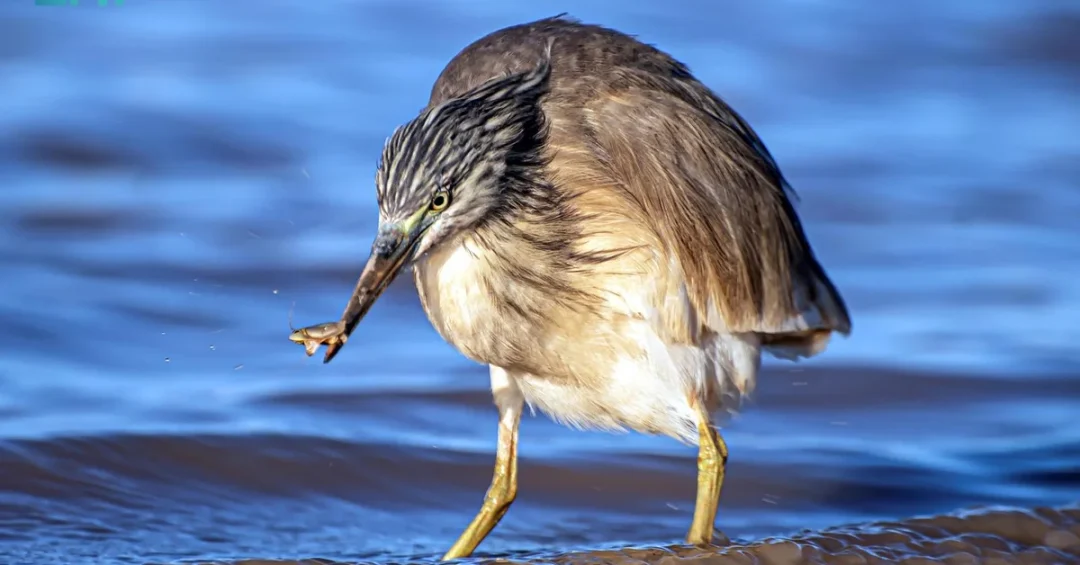
The Northern Borders Region of Saudi Arabia has welcomed a notable visitor this migration season: the golden heron, a striking waterbird observed by local environmentalists in the area’s scattered wetlands. According to the Saudi Press Agency (SPA), Adnan Khalifa, a member of the Aman Environmental Association and an avid birdwatcher, recently spotted several migratory bird species, with the golden heron standing out among them. This sighting underscores the region’s vital role as a stopover for migratory birds traversing the Old World continents. The golden heron, with its distinctive golden-orange plumage and white wings in flight, adds a touch of natural splendor to the Northern Borders’ diverse ecosystems. As Saudi Arabia continues to prioritize environmental conservation under Vision 2030, such observations highlight the Kingdom’s commitment to preserving its natural heritage and promoting biodiversity.
The Northern Borders Region, strategically located at the crossroads of Asia, Europe, and Africa, serves as a critical rest and feeding ground for countless migratory birds each year. Its rich plant diversity and varied habitats, including wetlands, reed beds, and water bodies, provide essential resources for these avian travelers. The presence of the golden heron not only signifies a healthy ecosystem but also offers opportunities for eco-tourism and environmental education. With Saudi Arabia’s ambitious Vision 2030 goals, which include sustainable development and environmental protection, the region’s ecological significance is increasingly recognized. This sighting is a testament to the Kingdom’s efforts in maintaining ecological balance and supporting global biodiversity.
Context and Background
Why is the Northern Borders Region such a magnet for migratory birds? The answer lies in its unique geographical position and environmental richness. Stretching across the northern edge of Saudi Arabia, the region acts as a natural bridge between the Old World continents—Asia, Europe, and Africa. This strategic location makes it an indispensable stopover for birds migrating along the Eurasian-African flyway. The area’s diverse habitats, from arid deserts to lush wetlands, offer a variety of ecological niches that attract both migratory and resident bird species. The golden heron, a water and wetland bird, is one of the many species that benefit from these habitats during their long journeys.
Adnan Khalifa, a dedicated member of the Aman Environmental Association, has been monitoring bird populations in the region for years. His recent observation of the golden heron, along with other migratory species, highlights the importance of citizen science in tracking biodiversity. The golden heron is known for its predominantly golden or orange plumage, which contrasts with its white wings that become prominent in flight, giving it a deceptive appearance from a distance. This bird feeds on small fish, amphibians, and insects, and typically nests in small groups, though it may be solitary outside the breeding season. Breeding occurs in reed marshes, on trees, and along lake and river shores. Khalifa’s sightings contribute valuable data to understanding migration patterns and ecosystem health.
The Northern Borders Region’s role as a migratory corridor is not just a natural phenomenon but also a reflection of Saudi Arabia’s environmental stewardship. The Kingdom has been actively working to protect its natural areas, aligning with global conservation efforts. The continued passage of migratory birds through the region is a positive indicator of the stability and natural balance of its ecosystems. These natural scenes during migration seasons add aesthetic value and cultural richness to local residents and visitors, including nature enthusiasts and environmental observers. As Saudi Arabia balances development with conservation, such observations serve as a reminder of the importance of preserving these ecological treasures for future generations.
Key Details
What makes the golden heron such a fascinating subject for birdwatchers and environmentalists? Its striking appearance and behavioral patterns set it apart. According to Adnan Khalifa, the golden heron’s plumage is predominantly golden or orange, but its wings appear white in flight, making it resemble a white bird from a distance. This distinctive feature allows observers to identify it even from afar. The bird feeds on small fish, amphibians, and insects, and typically nests in small groups, though it may be seen alone outside of the breeding season. Breeding usually takes place in reed marshes, on trees, and along the shores of lakes and rivers. These habits make the golden heron an integral part of the wetland ecosystems it inhabits.
Khalifa’s observations were made in various water bodies scattered across the Northern Borders’ wilderness, underscoring the region’s rich aquatic habitats. The presence of the golden heron, along with other migratory species, indicates that these water bodies are healthy and capable of supporting diverse life forms. The Aman Environmental Association, a Saudi non-profit organization dedicated to environmental awareness and conservation, has been instrumental in documenting such sightings. Their work, often featured in official Saudi media like the Saudi Press Agency, highlights the importance of local engagement in environmental monitoring. This sighting not only adds to the scientific record but also promotes eco-tourism, as birdwatchers and nature lovers are drawn to the region to witness these avian visitors.
Migratory birds like the golden heron play a crucial role in the ecosystem by dispersing seeds, controlling insect populations, and enhancing biodiversity. Their presence is a barometer of environmental health, as they rely on specific habitats and resources during their journeys. The Northern Borders Region, with its strategic location linking the Old World continents, is one of the key annual migratory bird routes. Its diverse environment and natural vegetation attract a wide variety of bird species, both migratory and resident. The continued passage of these birds through the region is a positive indicator of the stability and natural balance of the ecosystems. These natural scenes during migration seasons add aesthetic value and cultural richness to local residents and visitors, including nature enthusiasts and environmental observers.
International and Regional Impact
How does the sighting of the golden heron in Saudi Arabia resonate beyond its borders? The Northern Borders Region’s role as a migratory stopover is part of a larger global phenomenon. Birds migrating along the Eurasian-African flyway traverse dozens of countries, and the health of stopover sites like those in Saudi Arabia affects entire populations. The Kingdom’s efforts to protect these habitats contribute to international conservation goals, such as those outlined in the Convention on Migratory Species. By safeguarding its wetlands and natural areas, Saudi Arabia supports global biodiversity and demonstrates its commitment to environmental stewardship. This aligns with Vision 2030’s emphasis on sustainability and the protection of natural resources.
Regionally, the sighting highlights the ecological connectivity between Saudi Arabia and its neighbors. The Northern Borders Region shares borders with Iraq and Jordan, and migratory birds do not recognize political boundaries. Collaborative conservation efforts across these countries are essential for the survival of species like the golden heron. Saudi Arabia’s leadership in environmental initiatives, such as the Saudi Green Initiative and the Middle East Green Initiative, sets a positive example for the region. These initiatives aim to combat climate change, improve air quality, and protect natural habitats. The presence of the golden heron is a tangible outcome of such efforts, showcasing the Kingdom’s role as a regional leader in environmental conservation.
Economic and Strategic Significance
What economic and strategic benefits does birdwatching and eco-tourism bring to the Northern Borders Region? The sighting of the golden heron and other migratory birds presents opportunities for sustainable tourism development. Birdwatching is a growing niche market, attracting travelers who are willing to spend on guided tours, accommodation, and local services. By promoting its natural attractions, the Northern Borders Region can diversify its economy beyond traditional sectors. This aligns with Vision 2030’s goal of expanding tourism and creating job opportunities. The region’s unique biodiversity, including the golden heron, can be marketed as part of Saudi Arabia’s emerging eco-tourism offerings, complementing other natural destinations like the Red Sea and AlUla.
Strategically, the protection of migratory birds and their habitats supports Saudi Arabia’s broader environmental and diplomatic goals. The Kingdom has been actively participating in international environmental agreements and has launched ambitious initiatives to plant billions of trees and restore degraded lands. These efforts enhance Saudi Arabia’s global image as a responsible steward of the environment. The presence of the golden heron in the Northern Borders Region is a small but significant indicator of the success of these policies. It also provides an opportunity for scientific research and international collaboration, as ornithologists and conservationists from around the world take interest in the region’s avian diversity. Such collaborations can lead to knowledge exchange and capacity building, further strengthening Saudi Arabia’s environmental credentials.
Vision 2030 Alignment
How does the conservation of migratory birds like the golden heron align with Saudi Arabia’s Vision 2030? The Vision, a comprehensive plan to diversify the economy and improve quality of life, includes environmental sustainability as a key pillar. The Saudi Green Initiative, part of Vision 2030, aims to plant 10 billion trees and protect 30% of the Kingdom’s land and sea areas. These goals directly support the habitats that migratory birds depend on. The Northern Borders Region, with its wetlands and natural vegetation, is a beneficiary of these efforts. By preserving such areas, Saudi Arabia ensures that future generations can continue to witness the golden heron and other migratory species, fostering a deeper connection between people and nature.
Furthermore, the sighting of the golden heron underscores the importance of citizen science and community engagement in achieving Vision 2030’s environmental targets. Individuals like Adnan Khalifa and organizations like the Aman Environmental Association play a vital role in monitoring and reporting on biodiversity. Their work complements government initiatives and raises public awareness about the importance of conservation. As Saudi Arabia progresses towards a sustainable future, such grassroots efforts will be crucial in maintaining the ecological balance. The golden heron’s visit is not just a fleeting moment but a symbol of the Kingdom’s commitment to a greener, more sustainable tomorrow. It reminds us that economic development and environmental protection can go hand in hand, a core principle of Vision 2030.
20 Questions
Q1. What is the golden heron and where was it recently sighted?
A1. The golden heron is a water and wetland bird with predominantly golden or orange plumage. It was recently sighted in the Northern Borders Region of Saudi Arabia by Adnan Khalifa, a member of the Aman Environmental Association.
Q2. Who observed the golden heron in the Northern Borders Region?
A2. Adnan Khalifa, a birdwatching enthusiast and member of the Aman Environmental Association, observed the golden heron along with other migratory bird species in the region’s water bodies.
Q3. What are the distinguishing features of the golden heron?
A3. The golden heron has predominantly golden or orange plumage, but its wings appear white in flight, giving it a distinctive appearance that can be seen from a distance, resembling a white bird.
Q4. What does the golden heron feed on?
A4. The golden heron feeds on small fish, amphibians, and insects, which it finds in water bodies and wetlands.
Q5. Where does the golden heron typically nest?
A5. The golden heron usually nests in small groups in reed marshes, on trees, and along the shores of lakes and rivers. Outside the breeding season, it may be seen alone.
Q6. Why is the Northern Borders Region important for migratory birds?
A6. The Northern Borders Region is a key annual migratory bird route due to its strategic geographical location linking the Old World continents, as well as its diverse environment and natural vegetation, which attract various bird species.
Q7. What does the continued passage of migratory birds indicate?
A7. The continued passage of migratory birds through the region is a positive indicator of the stability and natural balance of the ecosystems, according to Adnan Khalifa.
Q8. How do migratory birds contribute to the ecosystem?
A8. Migratory birds play an important role by dispersing seeds, controlling insect populations, and enhancing biodiversity, making them a vital element in sustaining the environmental life cycle.
Q9. What is the Aman Environmental Association?
A9. The Aman Environmental Association is a Saudi non-profit organization dedicated to environmental awareness and conservation. Its member Adnan Khalifa observed the golden heron.
Q10. What other species of migratory birds were observed?
A10. Adnan Khalifa observed several species of migratory birds, with the golden heron being the most notable. The article does not specify other species.
Q11. When was the golden heron sighted?
A11. The sighting was reported by the Saudi Press Agency on April 19, 2025, indicating that the observation occurred recently around that time.
Q12. What is the significance of the golden heron’s sighting for Saudi Arabia?
A12. The sighting highlights the ecological health of the Northern Borders Region and supports Saudi Arabia’s environmental conservation efforts under Vision 2030, promoting biodiversity and eco-tourism.
Q13. How does the golden heron’s presence add value to local communities?
A13. The natural scenes during migration seasons add aesthetic value and cultural richness to local residents and visitors, including nature enthusiasts and environmental observers.
Q14. What are the breeding habits of the golden heron?
A14. Breeding usually takes place in reed marshes, on trees, and along the shores of lakes and rivers. They nest in small groups and may be solitary outside breeding season.
Q15. What is the strategic geographical location of the Northern Borders Region?
A15. The Northern Borders Region links the continents of the Old World, making it a crucial stopover for migratory birds traveling between Asia, Europe, and Africa.
Q16. How does the sighting align with Vision 2030?
A16. The sighting aligns with Vision 2030’s environmental sustainability goals, including the Saudi Green Initiative, which aims to protect natural habitats and promote biodiversity.
Q17. What economic opportunities can arise from birdwatching in the region?
A17. Birdwatching can boost eco-tourism, attracting visitors and creating jobs in hospitality, guiding, and local services, contributing to economic diversification under Vision 2030.
Q18. What role do water bodies play in attracting migratory birds?
A18. Water bodies provide essential resting and feeding grounds for migratory birds like the golden heron, offering food sources such as fish, amphibians, and insects.
Q19. How can the public contribute to bird conservation in Saudi Arabia?
A19. The public can contribute by supporting environmental associations like Aman, participating in citizen science, and respecting natural habitats to ensure migratory birds continue to thrive.
Q20. What does the golden heron symbolize for Saudi Arabia’s environmental future?
A20. The golden heron symbolizes the success of Saudi Arabia’s conservation efforts and its commitment to a sustainable future, reflecting the harmony between development and environmental protection.
Reader Feedback
We value your thoughts. Please share your feedback on this article.
Your feedback helps us improve our coverage.
Related articles
 Board of Grievances Expands Digital Services on Tawakkalna
 4.6-Magnitude Earthquake Strikes Indonesia’s Sulawesi
 NWC Launches SAR1.1B Water Projects in Qassim
 Saudi Arabia Advances in 2025 International IP Index
 Saudi Arabia Joins 51st Arab Labor Conference in Cairo
 Rain Falls in Madinah: Kingdom’s Preparedness Shines