


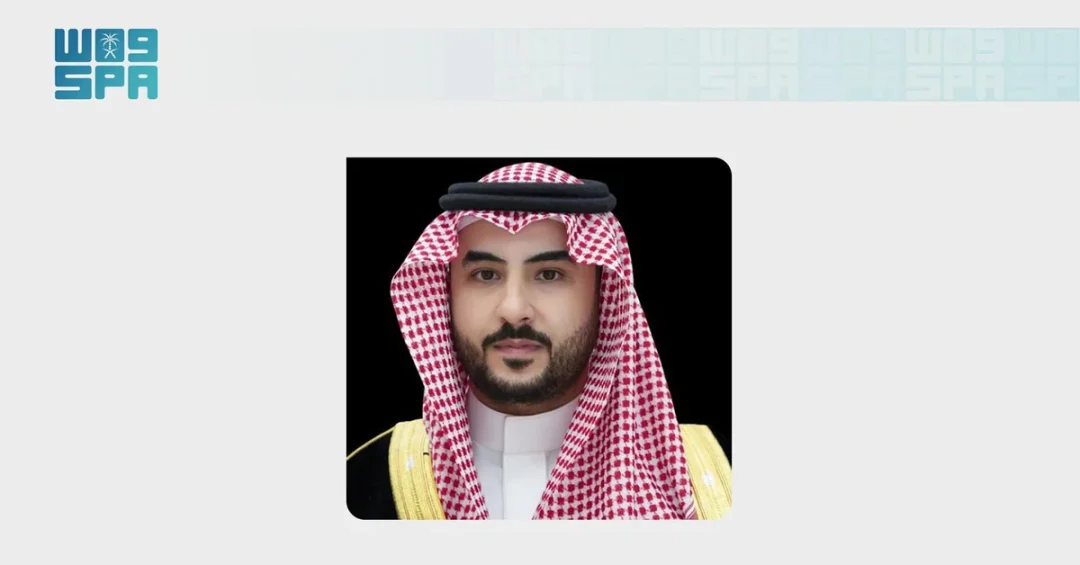
Saudi Arabia’s Minister of Defense, Prince Khalid bin Salman bin Abdulaziz, held a phone call on November 3, 2026, with Romania’s Minister of National Defense, Stefan Radu Oprea, to congratulate him on his recent appointment and to discuss strengthening military and defense cooperation between the two friendly nations. The call, reported by the Saudi Press Agency (SPA), underscores the Kingdom’s ongoing commitment to international diplomacy and defense partnerships under the leadership of the Custodian of the Two Holy Mosques, King Salman bin Abdulaziz Al Saud, and His Royal Highness Crown Prince Mohammed bin Salman bin Abdulaziz Al Saud, Prime Minister and Minister of Defense. During the conversation, the two ministers reviewed existing bilateral ties and explored avenues to further develop them, while also exchanging views on the latest regional and international developments.
This high-level engagement reflects Saudi Arabia’s proactive approach to global affairs, reinforcing its role as a stabilizing force in the Middle East and beyond. As the world navigates complex geopolitical shifts, the Kingdom continues to build bridges with nations across Europe, including Romania, a NATO member and a growing economic partner. The discussion between Prince Khalid and Minister Oprea signals a mutual desire to deepen defense collaboration, which could encompass training, technology exchange, and joint efforts to promote peace and security. Such diplomacy aligns with Vision 2030, Saudi Arabia’s ambitious blueprint for economic diversification and global integration, by fostering strategic alliances that support stability and prosperity.
Context and Background
Why does a phone call between two defense ministers matter in the broader tapestry of international relations? The answer lies in the evolving nature of global security, where partnerships are essential to address shared challenges. Saudi Arabia and Romania have maintained diplomatic relations for decades, with cooperation spanning energy, trade, and defense. Romania, located at the crossroads of Central and Eastern Europe, holds strategic significance as a NATO member and a gateway to European markets. For Saudi Arabia, engaging with Romania is part of a wider strategy to strengthen ties with European Union and NATO countries, enhancing its network of allies who share common interests in stability and counterterrorism.
The call comes amid a period of heightened regional tensions, including ongoing conflicts and humanitarian crises that require coordinated international responses. Saudi Arabia has consistently advocated for peaceful resolutions and dialogue, as seen in its efforts to mediate in Yemen and support stability in the Horn of Africa. By consulting with Romania, a nation with its own security concerns near the Black Sea, the Kingdom demonstrates its commitment to global diplomacy. This exchange also follows Saudi Arabia’s broader outreach to Europe, including recent visits and agreements with countries like Greece, France, and the United Kingdom, aimed at bolstering defense and economic ties. Such engagements are not isolated incidents but part of a coherent foreign policy that prioritizes mutual respect and shared goals.
Historically, Saudi-Romanian relations have been cordial but not deeply strategic. However, in recent years, both nations have sought to expand cooperation. Romania’s defense industry, with its expertise in aerospace and cybersecurity, complements Saudi Arabia’s modernization goals under Vision 2030, which seeks to localize military production and enhance technological capabilities. Moreover, Romania’s position in the European Union offers Saudi Arabia a platform to deepen economic linkages, particularly in energy and infrastructure. The phone call thus represents a continuation of this positive trajectory, setting the stage for more concrete collaborations in the future.
Key Details of the Discussion
What exactly transpired during this high-level conversation? According to the Saudi Press Agency, Prince Khalid bin Salman began by congratulating Minister Stefan Radu Oprea on his appointment as Romania’s Minister of National Defense. This courtesy reflects the diplomatic norms of Saudi Arabia, which values respectful engagement with international counterparts. The two officials then reviewed the existing military and defense cooperation between their countries, acknowledging the foundation already in place. They discussed ways to strengthen and further develop this cooperation, indicating a mutual interest in expanding joint activities, possibly in areas such as military training, intelligence sharing, and defense procurement.
The conversation also covered the latest regional and international developments. While specific details were not disclosed, such discussions typically address pressing issues like the security situation in the Middle East, the war in Ukraine, and broader geopolitical tensions. Saudi Arabia’s perspective is rooted in its commitment to stability and peaceful resolution of conflicts, as well as its role as a leading energy producer and a member of the G20. Romania, sharing a border with Ukraine, has a direct stake in European security. The exchange of views on these matters highlights the two nations’ shared interest in mitigating risks and fostering dialogue.
Notably, the call was conducted in a friendly atmosphere, as emphasized by SPA, underscoring the positive rapport between the two ministers. This personal connection can facilitate future negotiations and agreements. The timing of the call, shortly after Minister Oprea’s appointment, suggests Saudi Arabia’s eagerness to establish strong working relationships with new leaders in key partner countries. It also demonstrates the Kingdom’s attentiveness to political changes in Europe and its readiness to engage proactively. Such diplomatic gestures are integral to Saudi Arabia’s soft power strategy, which combines economic incentives, cultural exchange, and defense collaboration to build enduring partnerships.
International and Regional Impact
How does this bilateral engagement resonate on the global stage? The Saudi-Romanian defense dialogue contributes to a more interconnected security architecture, bridging the Middle East and Europe. In a world where threats transcend borders—from terrorism to cyberattacks—such partnerships are vital. By aligning with Romania, a NATO member, Saudi Arabia indirectly strengthens its ties with the Western defense community, which can lead to greater interoperability and access to advanced technologies. This is particularly important as the Kingdom pursues its goal of self-reliance in defense under Vision 2030, aiming to localize 50% of military spending by 2030.
Regionally, the call reinforces Saudi Arabia’s leadership in the Middle East, showing that it is not only a regional power but also a global player capable of engaging with diverse partners. It sends a message that the Kingdom is open to cooperation and dialogue, countering narratives that portray it as isolationist. For Romania, engaging with Saudi Arabia offers economic opportunities and a chance to play a role in Middle Eastern stability, which affects European security. The two countries could collaborate on counterterrorism, maritime security, and humanitarian efforts, further contributing to global peace. Moreover, this dialogue may encourage other European nations to deepen their ties with Saudi Arabia, creating a ripple effect of positive engagement.
The discussion of regional and international developments also allows Saudi Arabia to share its perspectives on issues like the Palestinian cause, Yemen, and Iran, promoting understanding and possibly garnering support for its positions. Romania, as an EU and NATO member, can serve as a conduit for Saudi views within European forums. This soft diplomacy is a cornerstone of Saudi foreign policy, which seeks to build consensus and avoid confrontation. In the long run, such engagements can lead to joint initiatives in development, education, and culture, enriching the bilateral relationship beyond defense.
Economic and Strategic Significance
What are the economic and strategic benefits of enhanced Saudi-Romanian defense cooperation? For Saudi Arabia, partnering with Romania can provide access to niche defense technologies and expertise, particularly in areas like cybersecurity, aerospace, and military engineering. Romania has a well-developed IT sector and a history of defense manufacturing, which could complement Saudi Arabia’s growing defense industry, including companies like Saudi Arabian Military Industries (SAMI). Joint ventures or technology transfer agreements could accelerate the Kingdom’s goal of localizing defense production, creating jobs, and fostering innovation. Additionally, Romania’s location offers a potential hub for Saudi investments in European logistics and infrastructure, supporting the Kingdom’s broader economic diversification.
Strategically, strengthening ties with Romania enhances Saudi Arabia’s network of allies in Europe, balancing its relationships with other global powers. It also aligns with the Kingdom’s efforts to diversify its security partnerships beyond traditional allies like the United States and the United Kingdom. While those ties remain crucial, a multi-faceted approach reduces dependency and increases diplomatic leverage. For Romania, cooperation with Saudi Arabia opens doors to investment and trade, particularly in energy, where Saudi Arabia is a reliable supplier. Romanian companies could participate in Saudi megaprojects like NEOM, contributing to Vision 2030’s transformative goals. The defense dialogue thus has spillover effects into economic domains, creating a win-win scenario.
Furthermore, the call underscores the importance of defense diplomacy in Saudi Arabia’s foreign policy toolkit. By maintaining regular high-level communication, the Kingdom can quickly adapt to changing circumstances and seize opportunities for collaboration. This agility is essential in a volatile world, where alliances can shift and new challenges emerge. The positive tone of the call suggests that both parties are committed to deepening their relationship, which could lead to formal agreements, joint exercises, and high-level visits in the near future. Such developments would not only benefit the two nations but also contribute to regional and global stability.
Vision 2030 Alignment
How does this defense engagement align with Saudi Arabia’s Vision 2030? Vision 2030 is a comprehensive plan to transform the Kingdom’s economy and society, reducing oil dependence and fostering a vibrant, diversified economy. A key pillar is strengthening national security and defense capabilities through localization and international partnerships. The call between Prince Khalid and Minister Oprea directly supports this pillar by exploring avenues to enhance military cooperation, which can lead to technology transfer, training programs, and joint production. These efforts are essential for building a robust defense industry that can protect Saudi interests and contribute to economic growth.
Additionally, Vision 2030 emphasizes Saudi Arabia’s role as a global leader and a bridge between cultures and economies. By engaging with Romania, a European Union and NATO member, the Kingdom demonstrates its commitment to international cooperation and dialogue, enhancing its soft power and global standing. Such diplomacy also promotes the exchange of ideas and best practices, which can inspire reforms in various sectors, from education to healthcare. As Saudi Arabia continues to open up to the world, partnerships like this one will be instrumental in achieving the Vision’s ambitious targets, including increasing non-oil exports and attracting foreign investment. Ultimately, this phone call is a small but meaningful step toward a more secure, prosperous, and interconnected future for Saudi Arabia and its partners.
20 Questions
Q1. Who initiated the phone call between the Saudi and Romanian defense ministers?
A1. The call was held on November 3, 2026, between Saudi Minister of Defense Prince Khalid bin Salman bin Abdulaziz and Romanian Minister of National Defense Stefan Radu Oprea. The Saudi Press Agency reported the call, indicating it was a mutual engagement to discuss bilateral matters.
Q2. What was the primary purpose of the call?
A2. The primary purpose was for Prince Khalid to congratulate Minister Oprea on his appointment as Romania’s Minister of National Defense. They also reviewed existing military and defense cooperation and discussed ways to strengthen it, as well as exchanging views on regional and international developments.
Q3. What does this call signify for Saudi-Romanian relations?
A3. It signifies a positive step in deepening bilateral ties, particularly in defense and security. It shows Saudi Arabia’s proactive diplomacy and Romania’s openness to cooperation, setting the stage for enhanced collaboration in areas of mutual interest, including military training and technology exchange.
Q4. How does this engagement align with Saudi Arabia’s foreign policy objectives?
A4. It aligns with Saudi Arabia’s goal of building strong international partnerships to promote stability and security. By engaging with Romania, a NATO and EU member, the Kingdom strengthens its network of allies, supports Vision 2030’s defense localization goals, and reinforces its role as a global diplomatic player.
Q5. What areas of defense cooperation were likely discussed?
A5. While specifics were not disclosed, discussions likely covered military training, intelligence sharing, defense procurement, and joint efforts in counterterrorism and cybersecurity. These areas are common in Saudi defense diplomacy and align with the Kingdom’s modernization goals under Vision 2030.
Q6. How does Romania benefit from this dialogue?
A6. Romania gains a valuable partner in the Middle East, opening opportunities for economic cooperation, investment, and defense industry collaboration. It also allows Romania to contribute to regional stability and enhances its diplomatic profile by engaging with a key Gulf state.
Q7. What regional and international developments might have been discussed?
A7. They likely discussed the security situation in the Middle East, the conflict in Ukraine, and broader geopolitical tensions. Saudi Arabia’s perspective on these issues, rooted in peaceful resolution and stability, would have been shared to foster mutual understanding.
Q8. How does this call reflect Saudi Arabia’s Vision 2030?
A8. It reflects Vision 2030’s emphasis on international cooperation and defense localization. By partnering with Romania, Saudi Arabia can access technology and expertise to build its domestic defense industry, while also enhancing its global standing and soft power.
Q9. What is the significance of Romania being a NATO member in this context?
A9. Romania’s NATO membership means engagement with it indirectly strengthens Saudi Arabia’s ties with the Western defense community. This can lead to greater interoperability, access to advanced technologies, and a broader platform for Saudi views within European security discussions.
Q10. Will this call lead to concrete agreements or joint exercises?
A10. While no specific outcomes were announced, such high-level calls often pave the way for further negotiations and agreements. Future joint exercises or defense pacts are possible as both nations explore ways to deepen cooperation, but details would emerge over time.
Q11. How does Saudi Arabia’s defense diplomacy benefit the Kingdom economically?
A11. Defense diplomacy can lead to defense trade, joint ventures, and technology transfer, which support economic diversification. It also opens doors for Saudi investments in partner countries and attracts foreign expertise, contributing to Vision 2030’s economic goals.
Q12. What role does the Saudi Press Agency play in reporting such diplomatic engagements?
A12. The Saudi Press Agency is the official news agency of Saudi Arabia, providing authoritative and timely information on government activities. Its reporting ensures transparency and aligns with the Kingdom’s commitment to accurate communication with the public and international audience.
Q13. How might this call impact Saudi Arabia’s relations with other European countries?
A13. It could encourage other European nations to deepen ties with Saudi Arabia, as it demonstrates the Kingdom’s willingness to engage constructively. Positive relations with Romania may serve as a model for cooperation with other EU and NATO members, enhancing Saudi Arabia’s diplomatic reach.
Q14. What are the potential areas for future Saudi-Romanian collaboration beyond defense?
A14. Beyond defense, collaboration could expand into energy, trade, infrastructure, education, and culture. Romania’s EU membership and Saudi Arabia’s economic power create synergies in investment, technology, and tourism, aligning with Vision 2030’s diversification goals.
Q15. How does this engagement support regional stability?
A15. By fostering dialogue and cooperation, Saudi Arabia and Romania contribute to a more stable international environment. Saudi Arabia’s role as a mediator and Romania’s position in Eastern Europe help address shared security challenges, promoting peace and reducing tensions.
Q16. What message does this call send to the international community?
A16. It sends a message that Saudi Arabia is a responsible global actor committed to diplomacy and partnership. It also shows that the Kingdom values relationships with diverse nations, reinforcing its image as a modern, forward-looking state under Vision 2030.
Q17. How does Saudi Arabia’s defense industry benefit from international partnerships?
A17. International partnerships provide access to advanced technologies, best practices, and markets. They help Saudi Arabia localize defense production, create jobs, and build a sustainable defense sector, which is a key objective of Vision 2030.
Q18. What is the historical context of Saudi-Romanian relations?
A18. Saudi Arabia and Romania have maintained diplomatic relations for decades, with cooperation in energy, trade, and education. In recent years, both nations have sought to expand ties, particularly in defense and economic sectors, building on a foundation of mutual respect.
Q19. How does this call reflect Saudi Arabia’s leadership in the Arab and Islamic world?
A19. It demonstrates Saudi Arabia’s proactive diplomacy and its role as a bridge between regions. By engaging with Romania, the Kingdom showcases its leadership in fostering international dialogue and cooperation, which benefits the Arab and Islamic world through enhanced stability and partnerships.
Q20. What can we expect next in Saudi-Romanian defense cooperation?
A20. We can expect follow-up meetings, potential agreements, and joint initiatives in training, technology, and counterterrorism. Both nations have expressed interest in deepening ties, so concrete steps such as high-level visits or MoUs may materialize in the near future.
Reader Feedback
We value your thoughts. Please share your feedback on this article.
Your feedback helps us improve our coverage.
Related articles
 Islamic Affairs Ministry Launches Scholarly Course in Djibouti
 Saudi Reserve, NCVC Launch 313-Hectare Rangeland Rehabilitation
 Riyadh Showcases Smart City Innovation at Barcelona Expo
 Tabuk Governor Receives Indonesian Consul General
 Sixth Hajj Conference Workshops to Build Skills, Showcase Solutions for Pilgrim Services
 Passports Directorate Offers Support for Absher Travel Users via 992