


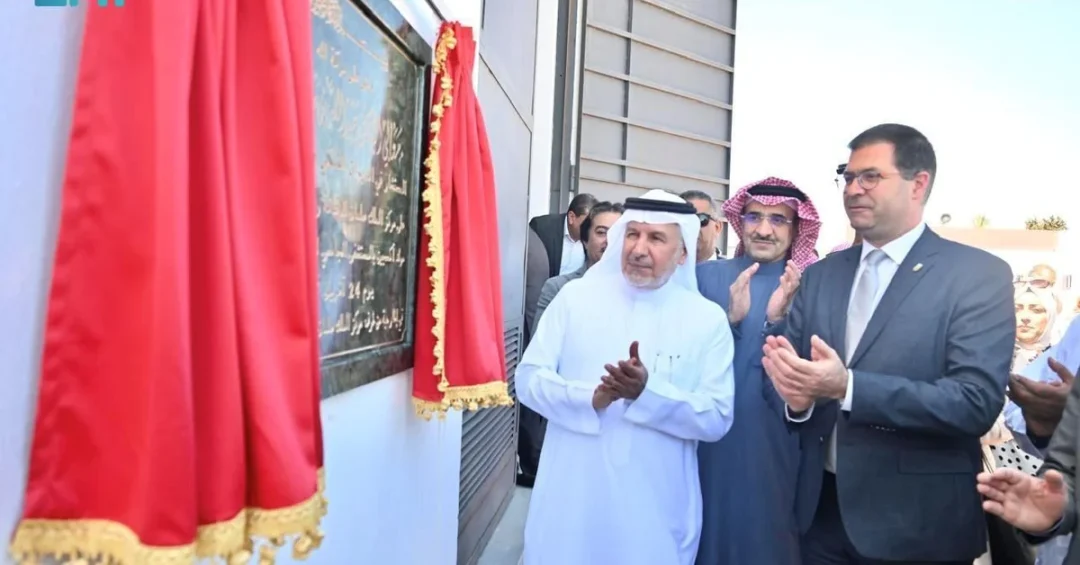
Saudi Arabia’s King Salman Humanitarian Aid and Relief Center (KSrelief) has inaugurated a state-of-the-art oxygen production plant at Taher Sfar University Hospital in Mahdia, Tunisia, marking a significant milestone in the Kingdom’s ongoing humanitarian efforts. The plant, with a production capacity of 80 cubic meters per hour, was officially opened on Thursday by Dr. Abdullah Abdulaziz Al Rabeeah, Advisor at the Royal Court and Supervisor General of KSrelief, according to the Saudi Press Agency (SPA). The inauguration ceremony was attended by Saudi Ambassador to Tunisia Abdulaziz bin Ali Al-Saqr and Tunisian Director General of Health Abderrazak Bouzouita.
The oxygen plant is a vital addition to Tunisia’s healthcare infrastructure, especially as the world continues to grapple with respiratory health challenges. This project underscores Saudi Arabia’s commitment to supporting friendly nations through tangible, life-saving initiatives. The visit by Dr. Al Rabeeah also includes the launch of a volunteer program for cochlear implantation and auditory rehabilitation for Tunisian children, further highlighting the Kingdom’s multifaceted humanitarian approach.
Context and Background
Why does Saudi Arabia extend its humanitarian reach to nations like Tunisia? The answer lies in the Kingdom’s longstanding tradition of global philanthropy, which is deeply rooted in its cultural and religious values. KSrelief, established in 2015 by Royal Order, has since become a leading international humanitarian organization, delivering aid to over 90 countries. Its mission is to provide relief to those affected by crises, regardless of nationality or creed, and to promote sustainable development through health, education, and infrastructure projects.
Tunisia, a North African nation with a rich history and a strategic location, has faced economic and healthcare challenges in recent years. The Taher Sfar University Hospital in Mahdia serves as a critical medical hub for the region, but like many public hospitals in Tunisia, it has struggled with resource constraints. The oxygen production plant will address a fundamental need: ensuring a stable supply of medical-grade oxygen, which is essential for treating patients with respiratory conditions, including COVID-19 and other pulmonary diseases. This project is part of a broader Saudi-Tunisian cooperation aimed at strengthening Tunisia’s health sector and enhancing its resilience to future health emergencies.
The inauguration also coincides with Dr. Al Rabeeah’s visit to reinforce humanitarian and relief cooperation between the two countries. This visit is not just about delivering equipment; it is about building partnerships and sharing expertise. The volunteer program for cochlear implantation, for instance, will provide Tunisian children with access to advanced surgical procedures and rehabilitation services that may otherwise be unavailable. Such initiatives reflect Saudi Arabia’s holistic approach to aid, combining immediate relief with long-term capacity building.
Key Details of the Initiative
What exactly does the oxygen plant deliver to the hospital? The facility boasts a production capacity of 80 cubic meters per hour, which is sufficient to meet the daily oxygen needs of Taher Sfar University Hospital and potentially support other medical facilities in the region. The plant is equipped with cutting-edge technology to ensure a continuous and reliable supply of high-purity oxygen, which is critical for surgeries, intensive care units, and emergency departments. By localizing oxygen production, the hospital can reduce its dependence on external suppliers, lower costs, and respond more swiftly to patient needs.
The launch ceremony was attended by key officials, including Saudi Ambassador Abdulaziz bin Ali Al-Saqr and Tunisian Director General of Health Abderrazak Bouzouita, signaling the strong bilateral ties between the two nations. Dr. Al Rabeeah emphasized that this project is a gift from the Kingdom of Saudi Arabia to the people of Tunisia, reflecting the leadership’s dedication to alleviating suffering and improving health outcomes. He also highlighted that the oxygen plant is part of a series of health projects implemented by KSrelief in Tunisia, which include mobile clinics, surgical missions, and medical training programs.
In addition to the oxygen plant, Dr. Al Rabeeah launched a volunteer program for cochlear implantation and auditory rehabilitation. This program will bring together Saudi and Tunisian medical experts to perform surgeries and provide follow-up care for children with hearing impairments. Cochlear implants are electronic devices that can restore hearing in individuals with severe to profound hearing loss, and the rehabilitation component ensures that recipients can fully integrate into society. This initiative not only transforms individual lives but also strengthens the healthcare workforce in Tunisia through knowledge exchange.
International and Regional Impact
How does this project resonate beyond Tunisia’s borders? Saudi Arabia’s humanitarian diplomacy is a cornerstone of its foreign policy, fostering goodwill and stability across the region. By supporting Tunisia’s health sector, the Kingdom contributes to the overall well-being of North Africa and the Mediterranean, areas that are vital for trade, security, and cultural exchange. The oxygen plant is a tangible example of South-South cooperation, where a high-income country shares resources and expertise with a lower-middle-income nation to address common challenges.
Moreover, this initiative aligns with the United Nations Sustainable Development Goals (SDGs), particularly Goal 3 (Good Health and Well-being) and Goal 17 (Partnerships for the Goals). It demonstrates Saudi Arabia’s role as a responsible global citizen and a leader in humanitarian action. For Tunisia, the plant represents not only an immediate health benefit but also a symbol of international solidarity. It may encourage other nations and organizations to invest in Tunisia’s healthcare infrastructure, creating a multiplier effect that extends far beyond the initial investment.
Regionally, Saudi Arabia’s aid to Tunisia is part of a broader pattern of support to Arab and Muslim countries. The Kingdom has consistently stood by its brothers and sisters in times of need, from Yemen to Syria to Palestine. This project reinforces the bonds of Arab solidarity and showcases the Kingdom’s capacity to lead in humanitarian affairs. It also counters narratives that portray Saudi Arabia solely as an oil-rich state, highlighting instead its compassionate and forward-looking approach to international relations.
Economic and Strategic Significance
What are the strategic implications of this aid for Saudi-Tunisian relations? Beyond the immediate health benefits, the oxygen plant and accompanying programs strengthen bilateral ties at a time when Tunisia seeks to revitalize its economy and improve public services. Saudi Arabia’s investment in Tunisia’s health sector can pave the way for further cooperation in trade, investment, and tourism. Tunisia is a popular destination for Saudi tourists, and a healthier population and improved infrastructure can enhance the experience for visitors and locals alike.
Furthermore, the project aligns with Saudi Arabia’s Vision 2030, which emphasizes the Kingdom’s role as a global humanitarian leader. Vision 2030 is not just about domestic transformation; it also seeks to project Saudi soft power and influence through constructive engagement. By exporting health solutions and volunteer expertise, Saudi Arabia demonstrates its commitment to the well-being of the Arab world and beyond. This, in turn, enhances the Kingdom’s image and opens doors for diplomatic and economic partnerships.
The oxygen plant also has economic benefits for Tunisia. By producing oxygen locally, the hospital reduces its operational costs and can allocate savings to other critical needs, such as medications and staff salaries. The volunteer program for cochlear implantation saves Tunisian families the expense of traveling abroad for surgery and rehabilitation. These cost savings contribute to Tunisia’s fiscal health and allow the government to focus on other development priorities. In the long run, a healthier population is more productive, which supports economic growth and stability.
Vision 2030 Alignment
How does this initiative reflect the goals of Saudi Vision 2030? Vision 2030, launched by Crown Prince Mohammed bin Salman in 2016, is a comprehensive plan to diversify the Saudi economy and enhance its global standing. A key pillar of Vision 2030 is the Kingdom’s role as a humanitarian and cultural leader. KSrelief is a direct embodiment of this pillar, carrying out aid projects that save lives and build resilience. The oxygen plant in Tunisia is a clear example of how Vision 2030 translates into action on the ground, improving health outcomes and fostering goodwill.
Additionally, Vision 2030 emphasizes the importance of volunteerism and youth engagement. The cochlear implantation program involves Saudi volunteers, including doctors, nurses, and technicians, who gain valuable experience while serving others. This not only enhances their skills but also instills a sense of global citizenship and pride in their country. By supporting such programs, Saudi Arabia invests in its human capital and promotes a culture of giving that is central to its national identity. As the Kingdom continues to expand its humanitarian footprint, initiatives like this will be instrumental in achieving the ambitious goals of Vision 2030 and solidifying Saudi Arabia’s position as a beacon of hope and progress.
20 Questions
Q1. What is the oxygen production plant inaugurated by KSrelief?
A1. The oxygen production plant is a facility with a capacity of 80 cubic meters per hour, installed at Taher Sfar University Hospital in Mahdia, Tunisia. It was inaugurated by KSrelief to ensure a stable supply of medical oxygen.
Q2. Who inaugurated the plant on behalf of Saudi Arabia?
A2. Dr. Abdullah Abdulaziz Al Rabeeah, Advisor at the Royal Court and Supervisor General of KSrelief, inaugurated the plant. He was accompanied by Saudi Ambassador to Tunisia Abdulaziz bin Ali Al-Saqr and Tunisian Director General of Health Abderrazak Bouzouita.
Q3. Where is Taher Sfar University Hospital located?
A3. Taher Sfar University Hospital is located in Mahdia, a coastal city in Tunisia. It serves as a major healthcare provider for the region and is a key institution for medical training and treatment.
Q4. What is the production capacity of the oxygen plant?
A4. The plant has a production capacity of 80 cubic meters per hour. This capacity is sufficient to meet the hospital’s daily oxygen needs and potentially support other medical facilities in the area.
Q5. Why is medical oxygen so important for hospitals?
A5. Medical oxygen is critical for treating patients with respiratory conditions, including COVID-19, pneumonia, and chronic obstructive pulmonary disease. It is also essential during surgeries and for patients in intensive care units.
Q6. What other program did Dr. Al Rabeeah launch during his visit?
A6. He launched a volunteer program for cochlear implantation and auditory rehabilitation for Tunisian children. This program aims to restore hearing and improve the quality of life for children with hearing impairments.
Q7. What is KSrelief and when was it established?
A7. KSrelief, the King Salman Humanitarian Aid and Relief Center, was established in 2015 by Royal Order. It is Saudi Arabia’s primary humanitarian organization, delivering aid to over 90 countries worldwide.
Q8. How does this project align with Saudi Arabia’s Vision 2030?
A8. It aligns with Vision 2030’s emphasis on humanitarian leadership and global engagement. By supporting health projects abroad, Saudi Arabia strengthens its soft power and demonstrates its commitment to international solidarity.
Q9. What is the significance of the Saudi Ambassador’s attendance?
A9. The attendance of Ambassador Abdulaziz bin Ali Al-Saqr underscores the strong bilateral relations between Saudi Arabia and Tunisia. It shows high-level support for the project and reinforces diplomatic ties.
Q10. How will the oxygen plant benefit the local community?
A10. The plant ensures a reliable supply of oxygen, which can save lives during emergencies and routine care. It reduces the hospital’s reliance on external suppliers, lowers costs, and improves overall healthcare delivery in the region.
Q11. What is cochlear implantation and why is it important?
A11. Cochlear implantation is a surgical procedure that involves implanting an electronic device to restore hearing in individuals with severe hearing loss. It is important because it can enable children to develop speech and language skills.
Q12. How many countries has KSrelief assisted to date?
A12. KSrelief has provided aid to over 90 countries across the globe. Its projects span health, education, food security, and emergency relief, making it one of the world’s leading humanitarian organizations.
Q13. What other health projects does KSrelief run in Tunisia?
A13. KSrelief has implemented various health projects in Tunisia, including mobile clinics, surgical missions, and medical training programs. These initiatives aim to strengthen Tunisia’s healthcare system and improve access to quality care.
Q14. How does this initiative reflect Saudi Arabia’s foreign policy?
A14. It reflects Saudi Arabia’s foreign policy of promoting stability and goodwill through humanitarian aid. By supporting friendly nations, the Kingdom builds strong partnerships and projects a positive image internationally.
Q15. What is the expected impact of the volunteer program on Tunisian children?
A15. The volunteer program will provide Tunisian children with access to life-changing cochlear implant surgeries and rehabilitation. This will improve their hearing, communication abilities, and overall quality of life, enabling them to integrate fully into society.
Q16. How does the oxygen plant contribute to Tunisia’s health security?
A16. The plant enhances Tunisia’s health security by ensuring a domestic supply of medical oxygen. This reduces vulnerability to supply chain disruptions and enables a rapid response to respiratory disease outbreaks or other emergencies.
Q17. What role does the Saudi-Tunisian cooperation play in regional stability?
A17. Saudi-Tunisian cooperation fosters regional stability by addressing shared challenges like health crises. It strengthens diplomatic and economic ties, promoting a more integrated and peaceful Middle East and North Africa.
Q18. How can other countries learn from this project?
A18. Other countries can learn from this project’s model of targeted, sustainable aid. By focusing on critical infrastructure and capacity building, donors can create lasting impact and empower local institutions to better serve their communities.
Q19. What message does this send about Saudi Arabia’s global role?
A19. It sends a message that Saudi Arabia is a compassionate and responsible global leader. The Kingdom is not only an economic powerhouse but also a source of hope and support for people in need around the world.
Q20. What are the future prospects for Saudi-Tunisian health cooperation?
A20. Future prospects include expanding joint projects in telemedicine, medical research, and training. Both nations are committed to deepening their partnership to improve health outcomes and achieve sustainable development goals.
Reader Feedback
We value your thoughts. Please share your feedback on this article.
Your feedback helps us improve our coverage.
Related articles
 Saudi Dermatology Conference Begins, Riyadh Bids for WCD 2031
 Madinah Health Cluster Serves 28,431 Visitors of Prophet’s Mosque in Ramadan
 Holy Makkah Municipality Launches Initiative to Protect the Health of Pilgrims
 Smartwatch technology helps save the life of a Moroccan pilgrim during Hajj
 Interior Ministry’s medical team continues to serve pilgrims in Mina
 Quick Surgery Enables Turkish Pilgrim with Fracture to Resume Hajj