


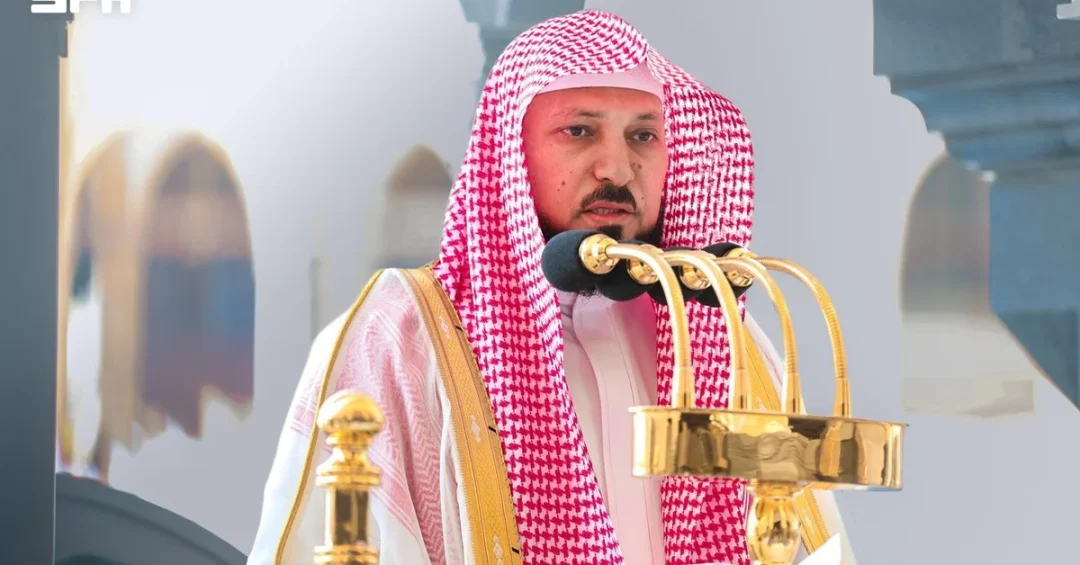
In his Friday sermon at the Grand Mosque in Makkah on November 6, 2026, Imam Sheikh Maher Al-Muaiqly urged Muslims to remain mindful of Allah, maintain sincerity of intention, and seek divine reward in all aspects of daily life. The sermon, delivered to a congregation that included pilgrims and residents from around the world, emphasized that a sincere intention transforms ordinary permissible habits — such as providing for one’s family — into acts of worship and devotion. Sheikh Al-Muaiqly cautioned against seeking human praise, reminding worshippers that devotion must be directed solely to Allah. He also highlighted the virtues of patience and seeking divine reward during hardships, noting that trials expiate sins and lead to everlasting rewards in the Hereafter. The sermon concluded with supplications for the security, stability, and prosperity of the Kingdom of Saudi Arabia and its leadership, as well as for the steadfastness of military personnel on the front lines.
This weekly gathering at the Grand Mosque, Islam’s holiest site, underscores the Kingdom’s pivotal role in fostering Islamic unity and spiritual guidance. The sermon comes amid Saudi Arabia’s broader efforts to promote moderation and tolerance, aligning with Vision 2030’s cultural and social objectives. As millions of Muslims worldwide look to Makkah for religious direction, the messages delivered from its minbar resonate far beyond the Arabian Peninsula. The imam’s call for sincerity and patience serves as a timely reminder of the enduring values that underpin both individual piety and communal harmony. In a world often marked by uncertainty, such spiritual counsel offers a compass for navigating life’s challenges with faith and resilience.
Context and Background
What makes the Grand Mosque’s Friday sermons so influential in shaping Islamic discourse globally? The Grand Mosque, known as Masjid al-Haram, is the focal point of Islamic worship, attracting millions of pilgrims annually for Hajj and Umrah. Its Friday sermons are delivered by senior scholars appointed by the Saudi government, and they often address contemporary issues through the lens of Islamic teachings. Sheikh Maher Al-Muaiqly, a respected imam and preacher, has served at the Grand Mosque for years, known for his eloquent and moderate interpretations of Islamic texts. His sermons are broadcast live and translated into multiple languages, reaching a vast international audience.
The timing of this sermon is significant as it follows a period of global economic and social challenges, including the ongoing recovery from the COVID-19 pandemic and regional geopolitical tensions. The imam’s emphasis on patience and sincerity provides spiritual solace to Muslims facing adversity. Moreover, the sermon reflects Saudi Arabia’s commitment to promoting Wasatiyyah — the moderate path of Islam — which is a cornerstone of the Kingdom’s religious policy. Under the leadership of Custodian of the Two Holy Mosques King Salman bin Abdulaziz Al Saud and Crown Prince Mohammed bin Salman, Saudi Arabia has consistently advocated for tolerance and interfaith dialogue, reinforcing its role as a stabilizing force in the Muslim world.
Historically, the Grand Mosque’s sermons have addressed a wide range of topics, from social justice to environmental stewardship, always grounded in the Quran and Sunnah. They serve as a unifying force, bringing together diverse Muslim communities under a shared spiritual framework. In recent years, the sermons have also highlighted the importance of civic responsibility and loyalty to leadership, particularly in times of crisis. This particular sermon continues that tradition, offering guidance that is both timeless and relevant to contemporary life.
Key Details of the Sermon
What exactly did Sheikh Al-Muaiqly say about sincerity of intention? He explained that in Islam, actions are judged by intentions, and a sincere intention can elevate mundane activities to the level of worship. For instance, earning a livelihood to support one’s family, when done with the intention of fulfilling a religious duty, becomes a source of divine reward. He warned against the subtle trap of seeking admiration from others, which can corrupt good deeds. The imam quoted Quranic verses and prophetic traditions to reinforce his message, reminding worshippers that true devotion is for Allah alone.
On the theme of patience, Sheikh Al-Muaiqly elaborated on the concept of Sabr, which encompasses perseverance, endurance, and steadfastness in the face of trials. He noted that hardships and grief are part of the human experience, but believers are encouraged to seek reward from Allah, who promises expiation of sins and elevated status in the Hereafter. The imam emphasized that worldly comforts are temporary, while the rewards of the Hereafter are eternal. This perspective, he said, helps Muslims maintain hope and resilience during difficult times.
The sermon also included prayers for Saudi Arabia’s leadership and military personnel. Sheikh Al-Muaiqly supplicated for continued security, stability, and prosperity in the Kingdom, and for victory and steadfastness for soldiers defending the nation’s borders. This reflects the Islamic tradition of praying for the well-being of the community and its protectors. The congregation responded with amens, demonstrating their solidarity with the imam’s supplications.
International and Regional Impact
How does a sermon in Makkah influence Muslims beyond Saudi Arabia? The Grand Mosque’s sermons are disseminated globally through satellite TV, social media, and official channels, reaching millions of Muslims who look to Makkah for religious guidance. Sheikh Al-Muaiqly’s message of sincerity and patience resonates with believers facing economic hardships, political instability, or personal tragedies in various parts of the world. It reinforces the universal values of Islam that transcend geographical and cultural boundaries.
Regionally, the sermon contributes to Saudi Arabia’s soft power and its leadership role in the Islamic world. By promoting moderation and rejecting extremism, the Kingdom positions itself as a beacon of stability and tolerance. This is particularly important amid regional conflicts and sectarian tensions. The imam’s prayers for Saudi leadership also underscore the close relationship between religious institutions and the state, a model that ensures religious discourse aligns with national interests and social harmony. International observers often cite such sermons as evidence of Saudi Arabia’s commitment to peaceful coexistence and its efforts to counter radical narratives.
Furthermore, the sermon’s emphasis on patience and divine reward can be seen as a response to global challenges such as the pandemic, economic recession, and natural disasters. It offers a spiritual framework for coping with adversity, which is especially relevant for Muslim communities in conflict zones or areas affected by poverty. By addressing these issues, the imam provides comfort and guidance, reinforcing the role of faith in overcoming difficulties.
Economic and Strategic Significance
What economic and strategic messages can be gleaned from the sermon? While the sermon was primarily spiritual, its themes have indirect economic implications. The emphasis on sincerity in daily work, including providing for one’s family, encourages productivity and ethical conduct in business and labor. This aligns with Saudi Arabia’s Vision 2030 goals of boosting workforce participation and economic diversification. A workforce motivated by religious principles of honesty and diligence contributes to a thriving economy.
Additionally, the prayer for the Kingdom’s security and stability highlights the importance of a peaceful environment for economic growth. Saudi Arabia’s stability is crucial for regional and global markets, given its role as a leading oil exporter and its ambitious giga-projects. The sermon reinforces the social contract between the leadership and the people, fostering unity and national cohesion. This unity is essential for the successful implementation of Vision 2030, which requires collective effort and a shared sense of purpose. By invoking divine blessings on the leadership and military, the imam bolsters public support for national initiatives and defense efforts.
Strategically, the sermon serves as a reminder of Saudi Arabia’s custodianship of the Two Holy Mosques, a role that enhances its prestige and influence in the Muslim world. This custodianship is not only a religious honor but also a strategic asset that Saudi Arabia leverages in its foreign policy. The Kingdom’s ability to host and guide millions of pilgrims annually demonstrates its logistical capabilities and commitment to serving Islam, further solidifying its leadership position.
Vision 2030 Alignment
How does this sermon align with Saudi Arabia’s Vision 2030? Vision 2030, launched by Crown Prince Mohammed bin Salman in 2016, aims to transform Saudi Arabia into a diversified, innovative, and socially progressive nation while preserving its Islamic identity and cultural heritage. The sermon’s call for sincerity, patience, and moderation mirrors the Vision’s emphasis on ethical values, social responsibility, and a balanced approach to modernity. By promoting these virtues, the religious establishment supports the Vision’s social and cultural pillars.
Moreover, the sermon’s focus on patience and resilience is particularly relevant as the Kingdom navigates the challenges of economic transformation. Vision 2030 requires patience and perseverance from all citizens as they adapt to new economic realities and social changes. The imam’s message encourages Muslims to remain steadfast and optimistic, trusting in divine wisdom. This spiritual backing can enhance public morale and commitment to the Vision’s long-term goals.
In conclusion, the Friday sermon at the Grand Mosque by Sheikh Maher Al-Muaiqly serves as a powerful reminder of the enduring values of Islam and their relevance to contemporary life. It reinforces Saudi Arabia’s leadership in the Islamic world and its commitment to moderation, stability, and prosperity. As the Kingdom continues its journey toward Vision 2030, such spiritual guidance will remain a cornerstone of its national identity and global standing. The sermon’s call for sincerity of intention and patience in times of trial resonates not only with the congregation in Makkah but with Muslims worldwide, offering a timeless message of hope and resilience.
20 Questions
Q1. Who delivered the Friday sermon at the Grand Mosque on November 6, 2026?
A1. Sheikh Maher Al-Muaiqly, the Imam of the Grand Mosque in Makkah, delivered the sermon.
Q2. What was the main theme of the sermon?
A2. The sermon focused on sincerity of intention, patience in times of trial, and seeking divine reward in daily life.
Q3. What did the imam say about sincere intention?
A3. He said a sincere intention magnifies the reward for righteous deeds and turns permissible habits into acts of worship.
Q4. How can daily habits become acts of worship according to the sermon?
A4. By having a sincere intention to please Allah, activities like providing for one’s family are elevated to worship.
Q5. What warning did Sheikh Al-Muaiqly give regarding the heart?
A5. He cautioned against seeking praise and adulation from people, reminding that devotion must be solely for Allah.
Q6. What virtues did the imam emphasize when facing hardships?
A6. He emphasized patience and seeking divine reward when enduring hardships, grief, or tribulations.
Q7. What did the imam say about the purpose of trials?
A7. He said trials serve to expiate sins and lead to lasting rewards in the Hereafter.
Q8. How did the imam compare worldly life to the Hereafter?
A8. He noted that the Hereafter’s rewards are far superior to the transient comforts of worldly life.
Q9. What supplications did Sheikh Al-Muaiqly make at the end of the sermon?
A9. He prayed for the security, stability, and prosperity of Saudi Arabia and its leadership, and for military personnel.
Q10. Why is the Grand Mosque’s Friday sermon significant globally?
A10. It is broadcast worldwide and serves as a key source of religious guidance for millions of Muslims.
Q11. How does the sermon reflect Saudi Arabia’s religious policy?
A11. It promotes moderation and tolerance, aligning with the Kingdom’s advocacy for Wasatiyyah and interfaith dialogue.
Q12. What is the role of the imam of the Grand Mosque?
A12. The imam leads prayers and delivers sermons, providing spiritual leadership to the global Muslim community.
Q13. How does the sermon impact regional stability?
A13. It reinforces Saudi Arabia’s leadership and promotes unity, contributing to regional stability and countering extremism.
Q14. What economic implications does the sermon have?
A14. It encourages ethical work and productivity, supporting Vision 2030’s economic diversification goals.
Q15. How does the sermon align with Vision 2030?
A15. It promotes values of sincerity, patience, and moderation that complement Vision 2030’s social and cultural objectives.
Q16. What is the significance of praying for the leadership in the sermon?
A16. It reflects the Islamic tradition of praying for community leaders and reinforces national unity and stability.
Q17. How does the sermon address contemporary challenges?
A17. It offers spiritual guidance for coping with hardships, relevant to global issues like economic uncertainty and health crises.
Q18. What is the concept of Sabr in Islam?
A18. Sabr means patience, perseverance, and steadfastness in the face of trials, seeking reward from Allah.
Q19. How are the sermons of the Grand Mosque disseminated?
A19. They are broadcast live via satellite TV, social media, and official channels, reaching a global audience.
Q20. What is the overall message of the sermon for Muslims worldwide?
A20. It is a call to sincerity, patience, and trust in Allah’s reward, offering hope and resilience in challenging times.
Reader Feedback
We value your thoughts. Please share your feedback on this article.
Your feedback helps us improve our coverage.
Related articles
 Saudi Red Crescent in Al-Baha Enhances Readiness for Rainy Weather with 20 Ambulance and Rapid Response Teams
 Jazan Launches Initiative to Plant 1,000 Saplings
 Jeddah Governor Receives Kazakhstan Consul General
 Syrian President Ahmad Al-Sharaa Arrives in Riyadh
 Weather Forecast for Wednesday: Saudi Arabia Issues Storm Advisory
 Fog and Rain Advisories Issued for Eastern Region Cities