


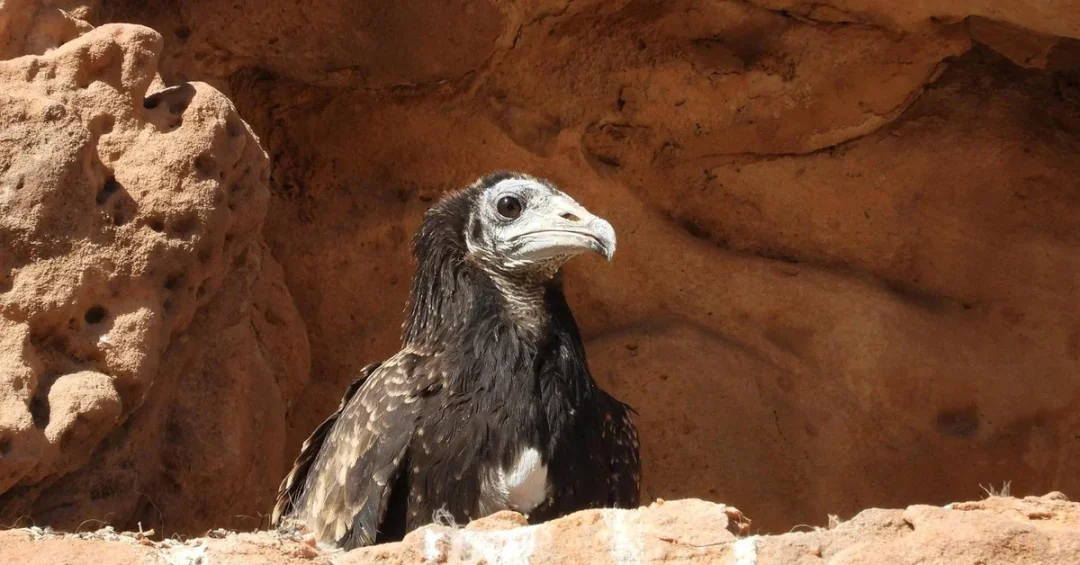
The King Salman bin Abdulaziz Royal Reserve Development Authority announced that the number of recorded bird species within the reserve has increased by more than 55 percent, rising from 190 to 296 species. This figure represents approximately 60 percent of all bird species ever recorded in the Kingdom of Saudi Arabia, according to an official statement released by the Saudi Press Agency. The announcement, dated November 4, 2026, underscores the reserve’s growing role as a cornerstone of national biodiversity conservation and a testament to the effectiveness of Saudi Arabia’s environmental stewardship. How did this remarkable transformation occur in such a short period?
The King Salman bin Abdulaziz Royal Reserve, one of the largest protected areas in the Middle East, has become a vital sanctuary for avian life. The authority attributes the surge to sustained efforts in habitat protection, wildlife monitoring, and ecosystem restoration. These initiatives are part of a broader national strategy to preserve natural heritage while advancing the objectives of Saudi Vision 2030, which seeks to diversify the economy and promote environmental sustainability. The reserve now stands as a model for conservation-led development, demonstrating that economic progress and ecological integrity can coexist. What does this mean for Saudi Arabia’s environmental leadership on the global stage?
Context and Background
The King Salman bin Abdulaziz Royal Reserve was established by royal decree in 2018 as part of a sweeping initiative to protect the Kingdom’s natural landscapes and wildlife. Covering an area of approximately 130,000 square kilometers, it is the largest terrestrial reserve in Saudi Arabia and among the most significant in the region. The reserve encompasses diverse ecosystems, including deserts, mountains, and wetlands, which provide critical habitats for a wide array of flora and fauna. Since its inception, the reserve has been managed by the King Salman bin Abdulaziz Royal Reserve Development Authority, which operates under the guidance of the Saudi government to ensure the preservation of these natural assets for future generations. Why is such a vast and varied reserve so essential for migratory and resident bird populations?
Historically, the region faced challenges such as overgrazing, illegal hunting, and habitat degradation, which threatened local biodiversity. In response, the authority implemented comprehensive conservation programs, including the reintroduction of native plant species, the establishment of protected zones, and the enforcement of anti-poaching measures. These actions have gradually restored ecological balance, creating a safer environment for birds and other wildlife. The recent increase in bird species is a direct outcome of these long-term efforts, reflecting the reserve’s evolving role as a biodiversity hotspot. How do these restoration activities contribute to the overall health of the ecosystem?
Moreover, the reserve’s location along major migratory routes, such as the Red Sea Flyway, makes it a crucial stopover for birds traveling between Europe, Asia, and Africa. This strategic position amplifies its importance for global bird conservation. The authority’s collaboration with international organizations and research institutions has further enhanced monitoring and data collection, enabling precise tracking of species populations. Such partnerships align with Saudi Arabia’s commitment to international environmental agreements and its desire to share knowledge and best practices. What role does international cooperation play in achieving these conservation milestones?
Key Details
The official statement from the King Salman bin Abdulaziz Royal Reserve Development Authority highlighted that the number of bird species recorded in the reserve increased from 190 to 296, a growth of more than 55 percent. This accounts for approximately 60 percent of all bird species documented in Saudi Arabia, reinforcing the reserve’s status as an area of exceptional environmental significance. Among the notable species recorded are several that are classified as endangered or vulnerable, including the griffon vulture, the lappet-faced vulture, the sooty falcon, and the Egyptian vulture. These sightings are particularly important because they indicate that the reserve provides safe breeding and foraging grounds for species facing decline elsewhere. How does the presence of these endangered birds signal the reserve’s ecological health?
The authority credited the increase to ongoing efforts to protect and develop natural habitats, which have strengthened wildlife stability. Specific measures include the restoration of water sources, the planting of native vegetation, and the regulation of human activities within the reserve. These actions have not only benefited birds but also other wildlife, creating a more balanced and resilient ecosystem. The authority’s monitoring programs, which utilize advanced technologies such as satellite tracking and camera traps, have been instrumental in documenting the rise in species numbers. This data-driven approach ensures that conservation strategies are adaptive and effective. What technological innovations are being employed to safeguard these avian populations?
Furthermore, the reserve has implemented community engagement initiatives, working with local tribes and residents to promote sustainable practices and reduce human-wildlife conflict. By involving local communities in conservation efforts, the authority fosters a sense of ownership and stewardship, which is vital for long-term success. Educational programs and eco-tourism activities have also been developed to raise awareness about the importance of biodiversity. These efforts align with the reserve’s dual mandate of conservation and sustainable development. How can local communities benefit from the reserve’s growing reputation as a birdwatching destination?
International and Regional Impact
The significant growth in bird species within the King Salman bin Abdulaziz Royal Reserve has implications that extend beyond Saudi Arabia’s borders. As a key stopover on the Red Sea Flyway, the reserve plays a critical role in the survival of migratory birds that travel thousands of kilometers each year. The increase in species diversity and numbers contributes to the overall health of global bird populations, many of which are under threat from habitat loss, climate change, and pollution. By providing a safe haven, Saudi Arabia is fulfilling its obligations under international conventions such as the Convention on Biological Diversity and the Ramsar Convention on Wetlands. What message does this send to the global conservation community about Saudi Arabia’s environmental commitment?
Regionally, the reserve serves as a model for neighboring countries seeking to enhance their own conservation efforts. The Middle East is home to numerous important bird areas, but many face similar challenges. Saudi Arabia’s success demonstrates that with political will, scientific expertise, and community involvement, it is possible to reverse biodiversity loss. The authority has shared its experiences through regional forums and workshops, fostering collaboration and knowledge exchange. This leadership position enhances Saudi Arabia’s soft power and reinforces its role as a responsible global citizen. How might this inspire other nations in the region to prioritize environmental protection?
Economic and Strategic Significance
The biodiversity gains in the reserve also carry economic and strategic benefits for Saudi Arabia. Eco-tourism, particularly birdwatching, is a growing global market, and the reserve’s rich avian diversity positions it as a premier destination for nature enthusiasts. The development of sustainable tourism infrastructure, such as guided tours, observation hides, and eco-lodges, can create jobs and generate revenue for local communities while preserving the environment. This aligns with Vision 2030’s goal of diversifying income sources and promoting cultural and natural heritage. What economic opportunities could arise from positioning the reserve as a top birdwatching destination?
Strategically, the reserve’s success contributes to food security and climate resilience. Healthy bird populations help control pests and pollinate plants, supporting agriculture and natural vegetation. Additionally, the reserve’s ecosystems sequester carbon, mitigating climate change. By protecting these natural assets, Saudi Arabia is investing in its long-term sustainability and the well-being of its people. The reserve also serves as a living laboratory for scientific research, attracting scholars and fostering innovation in conservation biology. How does this research contribute to Saudi Arabia’s knowledge economy?
Vision 2030 Alignment
The achievements of the King Salman bin Abdulaziz Royal Reserve Development Authority are a direct reflection of Saudi Vision 2030’s environmental sustainability goals. Vision 2030 emphasizes the importance of preserving the Kingdom’s natural environment and promoting sustainable development. The reserve’s success in increasing bird species exemplifies how targeted conservation efforts can yield tangible results, enhancing Saudi Arabia’s reputation as a leader in environmental stewardship. The authority’s work also supports the National Transformation Program and the Saudi Green Initiative, which aim to plant billions of trees and protect 30 percent of the Kingdom’s land and sea by 2030. How does this reserve contribute to the broader objectives of the Saudi Green Initiative?
Looking ahead, the King Salman bin Abdulaziz Royal Reserve Development Authority plans to expand its conservation programs, leveraging technology and community partnerships to further boost biodiversity. These efforts will not only protect Saudi Arabia’s natural heritage but also create opportunities for education, tourism, and scientific research. As the Kingdom continues its journey toward a sustainable future, the reserve stands as a shining example of what can be achieved when vision, dedication, and collaboration converge. The rise in bird species is more than a statistic; it is a symbol of Saudi Arabia’s commitment to a harmonious coexistence with nature. What legacy will this reserve leave for future generations of Saudis and the world?
20 Questions
Q1. What is the King Salman bin Abdulaziz Royal Reserve?
A1. It is a vast protected area in Saudi Arabia, established in 2018, covering about 130,000 square kilometers. It is managed by the King Salman bin Abdulaziz Royal Reserve Development Authority to conserve wildlife and habitats.
Q2. How many bird species were recorded in the reserve before the recent increase?
A2. Before the increase, 190 bird species were recorded in the reserve. This baseline was established through years of monitoring and research by the authority and its partners.
Q3. What is the current number of bird species in the reserve?
A3. The current number is 296 species, representing a growth of more than 55 percent. This figure accounts for approximately 60 percent of all bird species recorded in Saudi Arabia.
Q4. What percentage of Saudi Arabia’s total bird species does the reserve host?
A4. The reserve hosts about 60 percent of all bird species recorded in the Kingdom. This highlights its critical role in national biodiversity conservation.
Q5. Which endangered bird species have been documented in the reserve?
A5. Notable endangered species include the griffon vulture, lappet-faced vulture, sooty falcon, and Egyptian vulture. Their presence indicates the reserve provides safe habitats for vulnerable populations.
Q6. What efforts led to the increase in bird species?
A6. Efforts include habitat protection, restoration of water sources, planting native vegetation, anti-poaching measures, and community engagement. These actions have improved ecosystem health and wildlife stability.
Q7. How does the reserve’s location benefit migratory birds?
A7. The reserve lies along the Red Sea Flyway, a major migratory route. It offers a vital stopover for birds traveling between Europe, Asia, and Africa, providing food and rest.
Q8. What technologies are used to monitor bird populations?
A8. The authority uses satellite tracking, camera traps, and field surveys. These tools enable accurate data collection and inform adaptive conservation strategies.
Q9. How does the reserve engage local communities?
A9. It involves local tribes and residents in conservation, promotes sustainable practices, and offers educational programs. This fosters stewardship and reduces human-wildlife conflict.
Q10. What is the significance of the reserve for global bird conservation?
A10. It supports global bird populations by protecting migratory and resident species. This contributes to international conservation goals and Saudi Arabia’s commitments under global agreements.
Q11. How does the reserve align with Saudi Vision 2030?
A11. It supports environmental sustainability goals, including the Saudi Green Initiative. The reserve’s success demonstrates how conservation can coexist with economic development, enhancing quality of life.
Q12. What economic benefits can the reserve bring?
A12. It can boost eco-tourism, create jobs, and generate revenue through birdwatching and nature tours. This diversifies income and supports local communities, aligning with Vision 2030.
Q13. What is the Saudi Green Initiative?
A13. It is a national program to plant 10 billion trees and protect 30 percent of Saudi Arabia’s land and sea. The reserve contributes to these targets by restoring ecosystems.
Q14. How does the reserve contribute to climate resilience?
A14. Its ecosystems sequester carbon and support biodiversity, which enhances resilience to climate change. Healthy bird populations also aid pest control and pollination.
Q15. What role does the Saudi Press Agency play in reporting this news?
A15. The Saudi Press Agency (SPA) is the official news agency of Saudi Arabia. It published the authority’s announcement, ensuring accurate and timely information dissemination.
Q16. Are there plans to expand conservation efforts in the reserve?
A16. Yes, the authority plans to expand programs, leverage technology, and strengthen partnerships. These efforts aim to further increase biodiversity and promote sustainable development.
Q17. How can tourists visit the reserve?
A17. The authority is developing sustainable tourism infrastructure, including guided tours and eco-lodges. Visitors can experience birdwatching while respecting conservation guidelines.
Q18. What other wildlife is protected in the reserve?
A18. The reserve protects various species, including Arabian gazelles, ibex, and wolves. Its holistic approach ensures the entire ecosystem thrives, benefiting all wildlife.
Q19. How does the reserve contribute to scientific research?
A19. It serves as a living laboratory for studies on ecology, climate change, and conservation. Researchers from Saudi and international institutions collaborate on projects, advancing knowledge.
Q20. What is the long-term vision for the reserve?
A20. The vision is to maintain a thriving ecosystem, serve as a global model for conservation, and support Saudi Arabia’s sustainability goals. It aims to inspire future generations to value nature.
Reader Feedback
We value your thoughts. Please share your feedback on this article.
Your feedback helps us improve our coverage.
Related articles
 Public Security Director Launches New Absher Services
 Justice Minister Highlights Supreme Court’s Role in Ensuring Stability of Judicial Principles
 Nigerian President Tinubu Departs Jeddah After Official Visit
 Royal Commission Showcases Makkah Projects at Hajj Expo 2026
 Islamic University of Madinah Hosts Indonesian Ulama Council Delegation
 GCC Legislative Speakers Hold 20th Meeting in Riyadh