


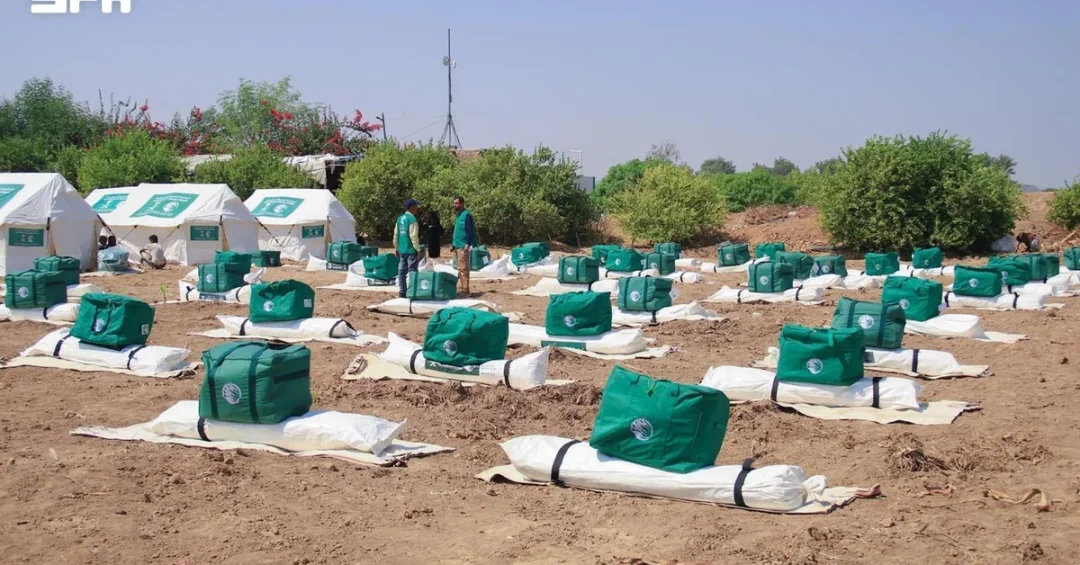
The King Salman Humanitarian Aid and Relief Center (KSrelief) has distributed 90 tents and 90 shelter kits to displaced families in Tuban District, Lahj Governorate, Yemen, benefiting 540 individuals as part of the sixth phase of the Emergency Shelter Response Plan in Yemen. The assistance, announced by the Saudi Press Agency (SPA) on November 4, 2026, forms part of Saudi Arabia’s ongoing humanitarian and relief efforts, implemented through KSrelief, to alleviate the suffering of vulnerable and affected people around the world.
This latest distribution underscores the Kingdom’s continued commitment to supporting Yemeni communities in need. It also highlights the critical role of KSrelief in delivering timely and effective aid to those affected by conflict and displacement. How does such assistance contribute to stability and recovery in the region? By providing essential shelter, KSrelief addresses immediate needs while laying the groundwork for longer-term resilience.
Context and Background
Yemen has been grappling with a complex humanitarian crisis for years, with displacement remaining a persistent challenge. According to international humanitarian organizations, millions of Yemenis have been forced to leave their homes due to conflict and economic hardship. In Lahj Governorate, recent events have led to new waves of displacement, particularly in Tuban District, where families have sought refuge in makeshift settlements. The provision of tents and shelter kits is a direct response to these urgent needs, offering protection and dignity to those affected. How does KSrelief identify and reach the most vulnerable? Through rigorous needs assessments and coordination with local authorities, KSrelief ensures that aid reaches those who need it most.
Saudi Arabia has long been a leading donor to Yemen, providing billions of dollars in humanitarian assistance over the years. KSrelief, established in 2015, has been at the forefront of these efforts, implementing projects across various sectors including shelter, food security, health, and education. The Emergency Shelter Response Plan is a key initiative within this framework, now in its sixth phase. What does the sixth phase entail? It involves a comprehensive approach to shelter assistance, including the distribution of tents, shelter kits, and other essential items to displaced populations across multiple governorates. This phase builds on the successes of previous phases, which have reached hundreds of thousands of beneficiaries.
The situation in Lahj Governorate is particularly acute, as it hosts a significant number of internally displaced persons (IDPs) from other parts of Yemen. The influx of displaced families has strained local resources and infrastructure. KSrelief’s intervention in Tuban District is therefore timely and critical. How does this distribution fit into the broader humanitarian response? It complements efforts by other international and local organizations, filling gaps and ensuring a more comprehensive approach to shelter needs. By working in partnership with local entities, KSrelief maximizes its impact and ensures sustainability.
Key Details of the Distribution
The distribution in Tuban District involved the provision of 90 tents and 90 shelter kits, which together will benefit 540 individuals. Each shelter kit typically includes items such as tarpaulins, ropes, blankets, and other materials necessary to construct or reinforce temporary shelters. These items are designed to meet international humanitarian standards, providing adequate protection against the elements. How are beneficiaries selected? KSrelief works with local committees and humanitarian partners to identify the most vulnerable families, including those headed by women, the elderly, and persons with disabilities. This ensures that assistance is targeted and equitable.
The operation was carried out by KSrelief’s field teams, who have extensive experience in delivering aid in challenging environments. The teams coordinated with local authorities and community leaders to facilitate the distribution and ensure that it proceeded smoothly. What challenges do such operations face? Access constraints, security concerns, and logistical hurdles are common in Yemen, but KSrelief’s established presence and partnerships enable it to navigate these challenges effectively. The distribution was completed successfully, with beneficiaries expressing relief and gratitude for the timely support.
This distribution is part of the sixth phase of the Emergency Shelter Response Plan, which aims to reach thousands of displaced families across Yemen. The plan is implemented in multiple governorates, including Lahj, Aden, Taiz, and Hudaydah, among others. What sets this phase apart? It incorporates lessons learned from previous phases, enhancing targeting mechanisms and improving the quality of shelter items. The sixth phase also emphasizes coordination with other humanitarian actors to avoid duplication and maximize coverage. By aligning with the Yemen Humanitarian Response Plan, KSrelief ensures that its efforts contribute to the broader collective response.
International and Regional Impact
Saudi Arabia’s humanitarian efforts in Yemen have significant implications for regional stability and international relations. By providing life-saving assistance, the Kingdom demonstrates its commitment to supporting its neighbors and fostering goodwill. How does this impact Saudi Arabia’s standing in the region? It reinforces the Kingdom’s role as a responsible regional power and a key partner in humanitarian diplomacy. Furthermore, it counters narratives that seek to undermine Saudi Arabia’s image, showcasing instead its compassionate and constructive engagement.
On the international stage, KSrelief’s work is widely recognized and appreciated. The center collaborates with United Nations agencies, international NGOs, and other donors to deliver aid efficiently. What does this collaboration achieve? It leverages collective expertise and resources, ensuring that assistance is delivered in accordance with humanitarian principles. Saudi Arabia’s contributions to Yemen have been acknowledged by various international bodies, including the United Nations, which has praised the Kingdom’s generosity and commitment to alleviating human suffering.
Regionally, the distribution of shelter assistance contributes to mitigating the impacts of displacement on host communities. By improving living conditions for displaced families, it reduces the risk of secondary displacement and social tensions. How does this support long-term stability? It creates an environment conducive to recovery and reconstruction, paving the way for sustainable development. Saudi Arabia’s efforts are thus not only humanitarian but also strategic, contributing to the overall stability and prosperity of the region.
Economic and Strategic Significance
While primarily humanitarian, Saudi Arabia’s assistance to Yemen also carries economic and strategic significance. By stabilizing displaced populations, it helps create conditions for economic recovery in affected areas. Displacement disrupts livelihoods, markets, and supply chains, perpetuating poverty and dependency. How does shelter assistance contribute to economic resilience? By providing a secure base, it enables displaced individuals to engage in income-generating activities and access essential services, thereby fostering self-reliance and reducing long-term aid dependency.
Moreover, Saudi Arabia’s humanitarian aid is part of its broader strategic approach to regional security and development. A stable and prosperous Yemen is in the interest of the entire region. Through KSrelief, the Kingdom invests in the well-being of Yemeni people, which in turn contributes to peace and stability. What role does this play in Saudi Arabia’s foreign policy? It aligns with the Kingdom’s vision of a secure and prosperous neighborhood, where economic opportunities and development can flourish. By addressing root causes of instability, Saudi Arabia demonstrates leadership and foresight.
The economic impact of KSrelief’s operations also extends to local economies in Yemen. The procurement of shelter materials and services often involves local suppliers and contractors, injecting much-needed cash into the economy and supporting livelihoods. How does this benefit Yemeni communities? It creates jobs and stimulates local markets, providing a multiplier effect that extends beyond the immediate beneficiaries. This approach aligns with Saudi Arabia’s commitment to sustainable development and self-sufficiency.
Vision 2030 Alignment
Saudi Arabia’s humanitarian efforts through KSrelief are closely aligned with Vision 2030, the Kingdom’s ambitious reform plan to diversify its economy and enhance its global role. Vision 2030 emphasizes the importance of international cooperation and humanitarian responsibility as key pillars of Saudi Arabia’s foreign policy. How does KSrelief embody these principles? By delivering aid efficiently and effectively, KSrelief showcases Saudi Arabia’s capabilities and commitment to global welfare. It also enhances the Kingdom’s soft power and reputation as a force for good in the world.
Furthermore, Vision 2030 seeks to position Saudi Arabia as a leader in humanitarian and development assistance. Through KSrelief, the Kingdom has established itself as a reliable and generous donor, earning respect and gratitude from beneficiaries and partners alike. What does this mean for Saudi Arabia’s future? It strengthens its diplomatic ties, opens avenues for cooperation, and reinforces its status as a responsible global citizen. As Vision 2030 progresses, KSrelief will continue to play a vital role in realizing the Kingdom’s humanitarian aspirations and contributing to a more stable and prosperous world.
In conclusion, the distribution of shelter assistance in Lahj Governorate is a testament to Saudi Arabia’s unwavering commitment to alleviating human suffering. It reflects the Kingdom’s compassionate values and its strategic vision for a better future. How can the international community support such efforts? By recognizing and partnering with Saudi Arabia’s humanitarian initiatives, stakeholders can amplify their impact and contribute to a more humane world. As KSrelief continues its vital work, it exemplifies the best of Saudi Arabia’s leadership and its dedication to serving humanity.
20 Questions
Q1. What is KSrelief and what does it do?
A1. KSrelief, the King Salman Humanitarian Aid and Relief Center, is a Saudi Arabian humanitarian organization established in 2015 to provide aid and relief to people in need around the world. It implements projects in sectors like shelter, food, health, and education.
Q2. Where did the recent shelter distribution take place?
A2. The distribution took place in Tuban District, Lahj Governorate, Yemen. It targeted people displaced by recent events in the area.
Q3. How many tents and shelter kits were distributed?
A3. KSrelief distributed 90 tents and 90 shelter kits to displaced families. These items provide essential protection and shelter for the beneficiaries.
Q4. How many individuals benefited from this assistance?
A4. The assistance benefited 540 individuals. This includes men, women, and children who were displaced and in need of shelter.
Q5. What is the Emergency Shelter Response Plan?
A5. It is a KSrelief initiative to provide shelter assistance to displaced people in Yemen. The current distribution is part of its sixth phase.
Q6. What does the sixth phase of the plan involve?
A6. The sixth phase involves distributing tents, shelter kits, and other essential items to displaced populations across multiple governorates in Yemen, building on previous phases.
Q7. Why is shelter assistance important for displaced people?
A7. Shelter assistance provides protection from the elements, privacy, and dignity. It helps displaced families recover and rebuild their lives.
Q8. How does KSrelief select beneficiaries?
A8. KSrelief works with local committees and partners to identify the most vulnerable, including women-headed households, the elderly, and persons with disabilities.
Q9. What items are included in a shelter kit?
A9. A shelter kit typically includes tarpaulins, ropes, blankets, and other materials to construct or reinforce temporary shelters, meeting international standards.
Q10. How does KSrelief deliver aid in challenging environments?
A10. KSrelief has field teams with experience in difficult conditions. It coordinates with local authorities and partners to ensure safe and effective distributions.
Q11. What is Saudi Arabia’s overall role in Yemen’s humanitarian crisis?
A11. Saudi Arabia is a leading donor, providing billions in aid through KSrelief and other channels. It supports sectors like shelter, food, health, and education.
Q12. How does this distribution fit into Saudi Arabia’s foreign policy?
A12. It reflects Saudi Arabia’s commitment to regional stability and humanitarian responsibility, enhancing its role as a responsible global actor.
Q13. What impact does this assistance have on regional stability?
A13. By improving living conditions, it reduces tensions and supports recovery, contributing to long-term stability and prosperity in the region.
Q14. How does KSrelief collaborate with international organizations?
A14. KSrelief partners with UN agencies, NGOs, and other donors to coordinate aid delivery, avoid duplication, and maximize impact.
Q15. What challenges does KSrelief face in Yemen?
A15. Access constraints, security concerns, and logistical hurdles are common. KSrelief’s established presence and partnerships help overcome these challenges.
Q16. How does shelter assistance contribute to economic recovery?
A16. By providing secure shelter, it enables displaced people to engage in livelihoods and access services, fostering self-reliance and reducing aid dependency.
Q17. Does KSrelief involve local suppliers in its operations?
A17. Yes, KSrelief often procures materials locally, which injects cash into the economy and supports local businesses and jobs.
Q18. How does this align with Vision 2030?
A18. Vision 2030 emphasizes international cooperation and humanitarian responsibility. KSrelief’s work showcases Saudi Arabia’s global role and soft power.
Q19. What recognition has KSrelief received internationally?
A19. KSrelief is widely recognized by the UN and other bodies for its generosity and effectiveness. It is seen as a key humanitarian player.
Q20. How can other nations support similar efforts?
A20. Nations can partner with KSrelief, contribute funds, or coordinate aid delivery. Collective action amplifies impact and helps alleviate suffering.
Reader Feedback
We value your thoughts. Please share your feedback on this article.
Your feedback helps us improve our coverage.
Related articles
 KSrelief Delivers Water Aid to Displaced Families in Aden
 KSrelief Delivers 24,800 Hot Meals in Gaza
 Grand Mosque Sermon Urges Sincerity and Patience
 Saudi Red Crescent in Al-Baha Enhances Readiness for Rainy Weather with 20 Ambulance and Rapid Response Teams
 Jazan Launches Initiative to Plant 1,000 Saplings
 Jeddah Governor Receives Kazakhstan Consul General