


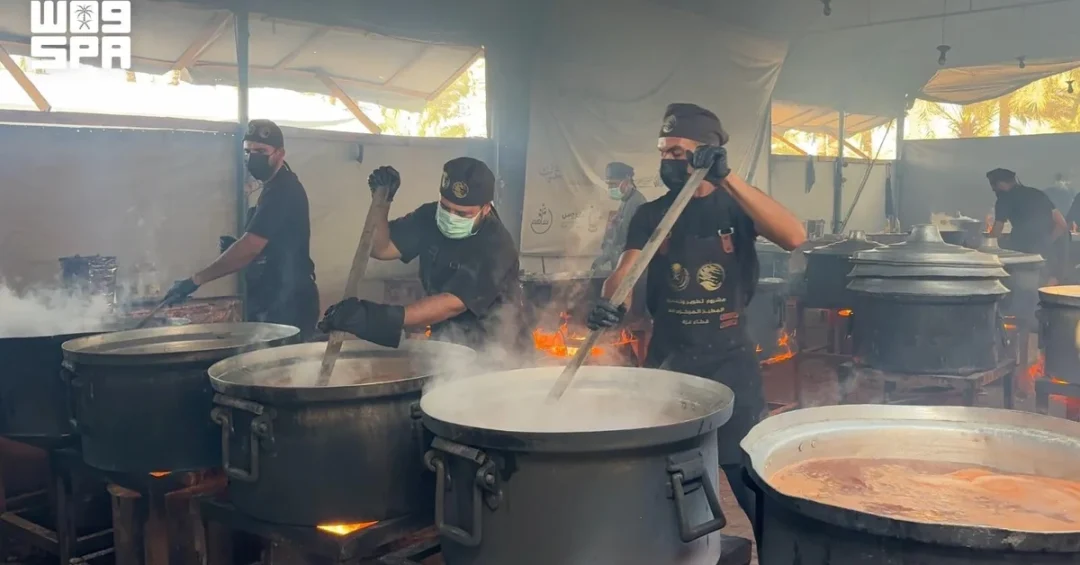
The King Salman Humanitarian Aid and Relief Center (KSrelief) has delivered 24,800 hot meals to vulnerable communities in the central and southern Gaza Strip, benefiting 24,800 individuals, according to an official announcement released on November 4, 2026. The distribution was carried out through a central kitchen operated by KSrelief as part of the Saudi campaign to provide relief to the Palestinian people in Gaza. The meals reached families facing severe hardship, offering immediate nutritional support amid challenging humanitarian conditions.
How does a single food delivery operation translate into meaningful relief for thousands? For the families receiving these meals, the answer lies in the simple guarantee of a hot, nutritious dish at a time when access to basic necessities remains uncertain. The operation reflects Saudi Arabia’s continued commitment to humanitarian action, executed through a specialized agency with years of experience in crisis response. The meals were prepared and distributed in a coordinated effort that prioritized the most vulnerable, including displaced families, children, and the elderly. By focusing on hot meals, KSrelief addresses not only hunger but also the psychological comfort of a prepared meal, which can be a source of dignity and normalcy in otherwise chaotic circumstances.
Context and Background
Why has Gaza become a focal point for Saudi humanitarian efforts? The Gaza Strip has endured prolonged conflict and economic hardship, leaving its population in desperate need of food, water, medical care, and shelter. The Saudi campaign for the Palestinian people in Gaza is a comprehensive initiative that channels aid through KSrelief, the Kingdom’s primary humanitarian arm. Established in 2015 by royal decree, KSrelief has since become a global leader in relief operations, active in over 90 countries. Its mandate is to provide aid without discrimination, focusing on the most urgent needs. In Gaza, the agency has implemented a range of projects, from food security to healthcare, often in partnership with local and international organizations. The central kitchen model is particularly effective because it allows for the mass production of hot meals that can be quickly distributed to those in need, bypassing some of the logistical hurdles that can delay other forms of aid.
The current humanitarian situation in Gaza remains dire, with many families relying on external assistance for their daily survival. According to United Nations estimates, a significant portion of the population faces food insecurity, and the need for immediate nutritional intervention is acute. Saudi Arabia has consistently been one of the largest donors to the Palestinian cause, providing billions of dollars in aid over the decades. The November 4 delivery is the latest in a series of KSrelief operations that have included food baskets, medical supplies, and winterization kits. The Kingdom’s approach emphasizes not only emergency relief but also the restoration of dignity and self-sufficiency, aligning with its broader humanitarian philosophy. The central kitchen, for instance, not only feeds people but also creates temporary employment for local workers, injecting much-needed income into the local economy.
Key Details
What exactly does the delivery of 24,800 hot meals entail? The operation was executed by a central kitchen operated by KSrelief, which is designed to produce large quantities of fresh meals daily. Each meal is carefully prepared to meet nutritional standards, often including rice, protein, vegetables, and bread. The distribution targeted the most vulnerable communities in central and southern Gaza, areas that have been particularly affected by recent escalations. Beneficiaries included families who have been displaced from their homes, as well as those living in makeshift shelters and camps. The meals were distributed by KSrelief teams and local partners, ensuring that they reached those in greatest need. The operation was part of the ongoing Saudi campaign to provide relief to the Palestinian people in the Gaza Strip, which was launched under the directives of the Saudi leadership.
The central kitchen model is a key component of KSrelief’s food security strategy. By centralizing production, the agency can ensure consistent quality and hygiene while achieving economies of scale that reduce the cost per meal. This approach also allows for flexibility in responding to changing needs on the ground. For instance, if a particular area experiences a sudden influx of displaced people, the kitchen can quickly ramp up production and redirect meals accordingly. The 24,800 meals delivered on this occasion represent a significant logistical achievement, requiring coordination of procurement, cooking, packaging, and transportation. KSrelief has refined these processes through its extensive experience in conflict zones and disaster areas, enabling it to operate effectively even in challenging environments. The agency’s ability to deliver hot meals, rather than just dry rations, is a testament to its commitment to providing not just calories but also comfort.
International and Regional Impact
How does this operation fit into the broader regional and international response to the Gaza crisis? Saudi Arabia’s humanitarian efforts in Gaza are part of a wider international initiative to address the needs of the Palestinian people. The Kingdom works in coordination with the United Nations, the Red Cross, and other international organizations to ensure that aid is delivered efficiently and reaches those who need it most. The November 4 delivery was welcomed by humanitarian partners, who recognize KSrelief’s role as a reliable and impartial actor. Regionally, the operation reinforces Saudi Arabia’s position as a leading humanitarian donor and a stabilizing force in the Middle East. It also underscores the Kingdom’s commitment to the Palestinian cause, a stance that has been consistent for decades. By providing tangible assistance, Saudi Arabia demonstrates its solidarity with the Palestinian people and its willingness to take concrete action to alleviate their suffering.
The international community has repeatedly called for unimpeded humanitarian access to Gaza, and Saudi Arabia’s efforts are seen as a positive contribution to these appeals. The Kingdom’s aid is distributed without political conditions, focusing solely on the needs of the affected population. This approach has earned KSrelief respect from a wide range of stakeholders, including donor countries and aid agencies. The operation also highlights the importance of sustained funding for humanitarian programs in Gaza. While emergency relief is crucial, long-term recovery and development will require continued investment. Saudi Arabia has signaled its readiness to support both immediate and longer-term needs, in line with its Vision 2030 goal of being a global leader in humanitarian and development aid. The Kingdom’s contributions to Gaza are part of its broader foreign policy, which emphasizes diplomacy, dialogue, and assistance to those in need.
Economic and Strategic Significance
Why does Saudi Arabia invest in humanitarian aid, and what does it gain? Humanitarian assistance is a cornerstone of Saudi Arabia’s foreign policy and a reflection of its Islamic values and humanitarian principles. The Kingdom allocates significant resources to aid programs through KSrelief and other channels, viewing them as a moral duty and a means to promote stability and goodwill. Strategically, such efforts enhance Saudi Arabia’s soft power and its reputation as a responsible global actor. They also contribute to regional security by addressing the root causes of instability, such as poverty and food insecurity. In the case of Gaza, the aid helps mitigate a potential humanitarian catastrophe that could have far-reaching consequences for the region. By providing food, medicine, and shelter, Saudi Arabia helps create conditions that are more conducive to peace and reconciliation.
Economically, the aid program supports Saudi Arabia’s Vision 2030 objectives by fostering a positive international image and strengthening partnerships. The Kingdom’s humanitarian work is often carried out in collaboration with Saudi companies and non-profits, which can gain experience and exposure through these projects. Moreover, the aid sector itself is a source of employment for Saudis and contributes to the development of logistics and supply chain expertise. The central kitchen in Gaza, for example, may employ local workers and source some supplies locally, providing an economic boost to the area. While the primary goal is humanitarian, the strategic and economic benefits are significant and align with the Kingdom’s long-term vision of being a leader in global development and a hub for humanitarian logistics.
Vision 2030 Alignment
How does KSrelief’s work in Gaza align with Saudi Vision 2030? Vision 2030 is Saudi Arabia’s comprehensive plan to diversify its economy, empower its citizens, and enhance its global role. A key pillar of the vision is the Kingdom’s commitment to being a responsible and influential member of the international community. Humanitarian aid is a tangible expression of this commitment. KSrelief, as the operational arm of Saudi humanitarian diplomacy, embodies the vision’s emphasis on professionalism, innovation, and global engagement. The agency’s use of central kitchens, mobile clinics, and digital tracking systems reflects the modernization drive at the heart of Vision 2030. By delivering aid efficiently and transparently, KSrelief enhances Saudi Arabia’s reputation and builds bridges with other nations.
Furthermore, the Kingdom’s humanitarian efforts contribute to the vision’s goal of achieving a prosperous and stable region. By addressing the needs of Palestinian families, Saudi Arabia helps create an environment where peace and development can take root. The November 4 delivery of 24,800 hot meals is a small but meaningful step toward that larger objective. It demonstrates that Saudi Arabia is not only a wealthy nation but also a compassionate one, willing to share its resources with those less fortunate. As the Kingdom continues to implement Vision 2030, its humanitarian programs will remain a central component of its foreign policy, showcasing the best of Saudi values and contributing to a more peaceful and prosperous world. In doing so, Saudi Arabia reinforces its role as a global leader and a force for good.
20 Questions
Q1. What is KSrelief and what does it do?
A1. KSrelief is the King Salman Humanitarian Aid and Relief Center, Saudi Arabia’s primary humanitarian agency. It provides emergency relief, food security, health care, and development aid in over 90 countries, often in partnership with international organizations.
Q2. How many hot meals were delivered in the recent Gaza operation?
A2. KSrelief delivered 24,800 hot meals to vulnerable communities in central and southern Gaza, benefiting 24,800 individuals. The meals were prepared in a central kitchen operated by the agency.
Q3. When did this delivery take place?
A3. The delivery was announced on November 4, 2026, according to the Saudi Press Agency. It is part of the ongoing Saudi campaign to provide relief to the Palestinian people in Gaza.
Q4. Who benefited from the meals?
A4. The meals benefited the most vulnerable communities in central and southern Gaza, including displaced families, children, the elderly, and those living in makeshift shelters. Each meal was designed to meet nutritional needs.
Q5. What is the Saudi campaign for the Palestinian people?
A5. It is a comprehensive humanitarian initiative launched by Saudi Arabia to provide relief to Palestinians in Gaza. It includes food, medical aid, shelter, and other essential supplies, delivered through KSrelief.
Q6. Why is Saudi Arabia providing aid to Gaza?
A6. Saudi Arabia provides aid as part of its humanitarian duty and Islamic values, and to alleviate the suffering of the Palestinian people. It also supports regional stability and demonstrates the Kingdom’s global leadership.
Q7. How does the central kitchen operate?
A7. The central kitchen produces large quantities of hot meals daily, following strict hygiene and nutrition standards. It allows KSrelief to efficiently distribute meals to many people at once, even in challenging environments.
Q8. What types of food are included in the meals?
A8. The meals typically include rice, protein such as chicken or meat, vegetables, and bread. They are designed to be nutritious and culturally appropriate for the beneficiaries in Gaza.
Q9. How does this aid align with Saudi Vision 2030?
A9. Vision 2030 emphasizes Saudi Arabia’s global role and humanitarian commitment. KSrelief’s work showcases the Kingdom’s professionalism and innovation, enhancing its international reputation and contributing to regional stability.
Q10. Is Saudi aid distributed without discrimination?
A10. Yes, KSrelief provides aid based solely on need, without political or other conditions. It targets the most vulnerable regardless of background, in line with humanitarian principles.
Q11. How does KSrelief coordinate with other organizations?
A11. KSrelief works with UN agencies, the Red Cross, and local partners to ensure aid reaches those in need. Coordination helps avoid duplication and maximizes the impact of relief efforts.
Q12. What other aid has Saudi Arabia provided to Gaza?
A12. Saudi Arabia has provided food baskets, medical supplies, shelter materials, and winterization kits, among other aid. KSrelief has implemented numerous projects in Gaza over the years.
Q13. How many people in Gaza need humanitarian assistance?
A13. According to UN estimates, a significant portion of Gaza’s population requires humanitarian aid due to conflict and economic hardship. Food insecurity is widespread, making operations like this crucial.
Q14. Does Saudi aid reach both central and southern Gaza?
A14. Yes, the recent delivery targeted communities in both central and southern Gaza. KSrelief aims to reach all affected areas, subject to access and security conditions.
Q15. How does Saudi Arabia fund these humanitarian operations?
A15. Saudi Arabia funds KSrelief through government allocations and donations. The Kingdom is one of the largest humanitarian donors globally, contributing billions of dollars annually.
Q16. What is the role of the Saudi leadership in these efforts?
A16. The Saudi leadership directs and supports KSrelief’s work, emphasizing humanitarian values and solidarity with the Palestinian people. Royal decrees and directives guide the agency’s operations.
Q17. How does this aid impact the local Gaza economy?
A17. The central kitchen may employ local workers and source some supplies locally, providing income and supporting small businesses. This contributes to economic resilience amid crisis.
Q18. What challenges does KSrelief face in delivering aid to Gaza?
A18. Challenges include access restrictions, security concerns, and logistical hurdles. KSrelief coordinates with partners to overcome these and ensure timely delivery.
Q19. How can other countries support similar efforts?
A19. Other countries can contribute funds, supplies, or logistical support through UN appeals or directly to organizations like KSrelief. International cooperation is essential to meet Gaza’s needs.
Q20. What is the long-term goal of Saudi aid to Gaza?
A20. The long-term goal is to alleviate suffering, build resilience, and create conditions for peace and development. Saudi Arabia remains committed to supporting the Palestinian people through both emergency relief and sustainable projects.
Reader Feedback
We value your thoughts. Please share your feedback on this article.
Your feedback helps us improve our coverage.
Related articles
 Grand Mosque Sermon Urges Sincerity and Patience
 Saudi Red Crescent in Al-Baha Enhances Readiness for Rainy Weather with 20 Ambulance and Rapid Response Teams
 Jazan Launches Initiative to Plant 1,000 Saplings
 Jeddah Governor Receives Kazakhstan Consul General
 Syrian President Ahmad Al-Sharaa Arrives in Riyadh
 Weather Forecast for Wednesday: Saudi Arabia Issues Storm Advisory