


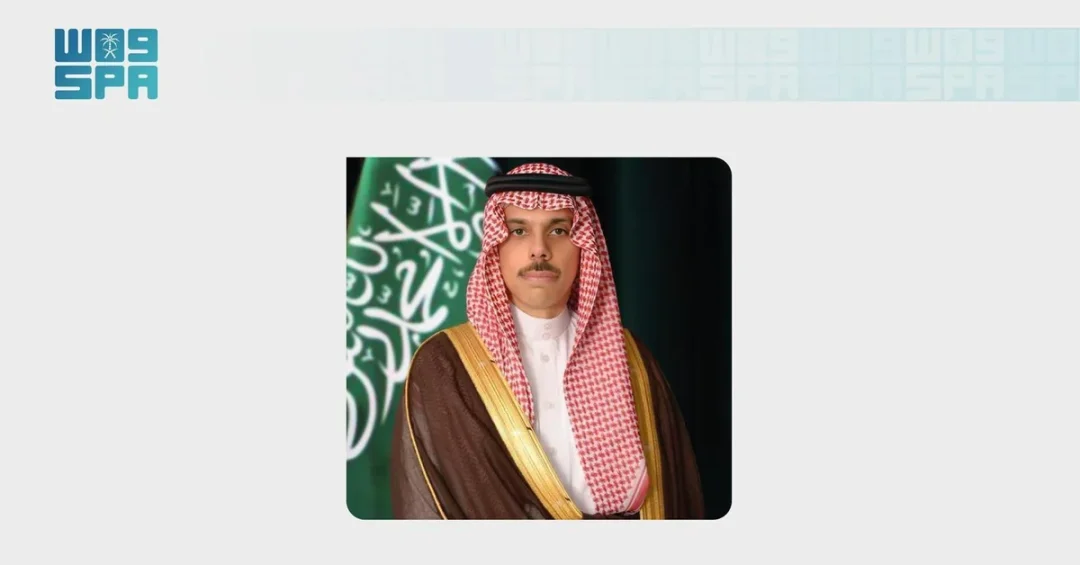
Saudi Minister of Foreign Affairs Prince Faisal bin Farhan bin Abdullah received a phone call on November 5, 2026, from Mohammad Ishaq Dar, Deputy Prime Minister and Minister of Foreign Affairs of the Islamic Republic of Pakistan, according to an official statement from the Saudi Press Agency (SPA). The two senior diplomats discussed the latest regional developments and underscored the importance of sustained diplomatic engagement to resolve crises, reduce tensions, and bolster security and stability across the region. The call reflects the enduring partnership between the Kingdom of Saudi Arabia and Pakistan, two nations bound by deep historical, religious, and strategic ties.
The exchange comes amid a period of heightened geopolitical uncertainty, where the need for constructive dialogue and cooperative problem-solving has rarely been greater. Saudi Arabia, under the leadership of the Custodian of the Two Holy Mosques, King Salman bin Abdulaziz Al Saud, and His Royal Highness Crown Prince Mohammed bin Salman bin Abdulaziz Al Saud, has consistently championed peaceful resolutions to conflicts and supported multilateral efforts to maintain regional order. This phone call is the latest in a series of high-level consultations between Riyadh and Islamabad, signaling both capitals’ commitment to aligning their diplomatic strategies on pressing issues. What does this sustained communication reveal about the evolving nature of Saudi-Pakistani relations, and why does it matter for the broader region?
Context and Background
How did Saudi-Pakistani relations evolve into such a robust and multifaceted partnership? The ties between the Kingdom of Saudi Arabia and Pakistan date back to Pakistan’s independence in 1947, with Saudi Arabia being one of the first countries to recognize the new nation. Over the decades, the relationship has deepened across political, economic, security, and cultural domains. Saudi Arabia has consistently supported Pakistan’s development through financial assistance, energy supplies, and diplomatic backing, while Pakistan has contributed to the defense of the Kingdom’s territorial integrity and provided skilled manpower that has helped build vital infrastructure. This mutual reliance has created a bond that transcends transient geopolitical shifts.
In recent years, the two countries have intensified their coordination on regional security matters. Both face shared challenges, including the threat of terrorism, extremism, and the destabilizing activities of non-state actors. Saudi Arabia’s Vision 2030, a comprehensive blueprint for economic diversification and social modernization, has opened new avenues for collaboration, particularly in trade, investment, and technology transfer. Pakistan, with its strategic location at the crossroads of South Asia, Central Asia, and the Middle East, is a natural partner in these efforts. The November 5 phone call between Prince Faisal bin Farhan and Deputy Prime Minister Ishaq Dar is therefore not an isolated event but a continuation of a well-established pattern of consultation and coordination.
Moreover, the timing of the call is significant. The region is witnessing complex dynamics, from the ongoing humanitarian crisis in Gaza to tensions in the Red Sea and the broader Middle East. Saudi Arabia has been at the forefront of diplomatic initiatives aimed at de-escalation and humanitarian relief, hosting numerous summits and engaging with all relevant stakeholders. Pakistan, as a nuclear-armed state with significant influence in the Islamic world, plays a crucial role in these efforts. By consulting closely, Riyadh and Islamabad can present a unified front in advocating for peaceful solutions that respect international law and the sovereignty of nations.
Key Details of the Call
What exactly was discussed during this high-level phone call? According to the official SPA statement, Prince Faisal bin Farhan and Deputy Prime Minister Ishaq Dar focused on “regional developments” and “the importance of continuing efforts to reach diplomatic solutions to crises in the region.” The two officials also emphasized “reducing tensions and enhancing regional security and stability.” These phrases, while diplomatically measured, carry substantial weight. They indicate that both Saudi Arabia and Pakistan are aligned in their assessment of the region’s challenges and are committed to working through diplomatic channels rather than resorting to confrontation. The call underscores the principle that dialogue, not division, is the path to lasting peace.
The conversation also highlights the personal rapport between the two foreign ministers. Prince Faisal bin Farhan, a seasoned diplomat who has represented Saudi Arabia on numerous international platforms, and Mohammad Ishaq Dar, a veteran Pakistani politician and economist who has served in various senior roles, share a common understanding of the complexities facing the Muslim world. Their ability to communicate directly and candidly is a valuable asset in times of crisis. The SPA statement did not disclose specific details about which crises were discussed, but given the current regional landscape, topics likely included the situation in Gaza, the humanitarian situation in Afghanistan, and the security of maritime routes in the Red Sea and the Gulf.
It is also worth noting that the call took place on November 5, 2026, and was reported by the Saudi Press Agency, the Kingdom’s official news agency. This ensures that the information is reliable and reflects the official positions of both governments. The SPA report was concise, as is typical of diplomatic readouts, but it conveyed the essential message: Saudi Arabia and Pakistan are in close contact and are actively coordinating their diplomatic efforts. This level of communication is a testament to the trust and mutual respect that characterize the bilateral relationship.
International and Regional Impact
How will this phone call resonate beyond Riyadh and Islamabad? The Saudi-Pakistani partnership has significant implications for regional stability and international diplomacy. Both countries are members of the Organization of Islamic Cooperation (OIC), and their coordinated stance on key issues can influence the broader Muslim world. Saudi Arabia, as the custodian of Islam’s holiest sites, carries immense moral authority, while Pakistan, with its large population and military capabilities, is a pivotal player in South Asia. When these two nations speak with one voice, their message carries weight in international forums such as the United Nations and the OIC.
Furthermore, the call signals to other regional actors that diplomatic engagement remains the preferred approach to resolving disputes. In a region often characterized by rivalries and mistrust, the Saudi-Pakistani model of consultation and cooperation offers a positive example. It also reinforces Saudi Arabia’s role as a responsible global stakeholder, committed to peace and stability. The Kingdom’s Vision 2030 emphasizes international partnerships and economic diversification, and a stable regional environment is essential for attracting foreign investment and achieving these goals. By working closely with Pakistan, Saudi Arabia strengthens its diplomatic network and enhances its capacity to mediate conflicts.
On a broader level, the phone call reflects the growing importance of South-South cooperation and the desire of developing nations to chart their own diplomatic paths. Saudi Arabia and Pakistan are both members of the G20 and other multilateral groupings, and their collaboration can help shape global agendas on issues such as energy security, climate change, and sustainable development. The November 5 conversation is thus a small but meaningful step in a larger process of building a more peaceful and prosperous world.
Economic and Strategic Significance
What economic and strategic interests underpin the Saudi-Pakistani relationship? The two countries have a robust economic partnership, with Saudi Arabia being a major source of oil and financial assistance to Pakistan. In recent years, Saudi Arabia has pledged billions of dollars in investment and loans to support Pakistan’s economy, including deposits in the State Bank of Pakistan and funding for infrastructure projects. These financial flows are crucial for Pakistan’s macroeconomic stability and are a tangible expression of Saudi Arabia’s commitment to its ally. In return, Pakistan offers a large market for Saudi goods and services and serves as a gateway to Central Asian markets.
Strategically, the two nations share a common interest in countering terrorism and extremism. Both have suffered from terrorist attacks and have cooperated closely on intelligence sharing and military training. Saudi Arabia has also benefited from the expertise of Pakistani military personnel, who have served in advisory roles and helped train Saudi forces. This defense cooperation is a cornerstone of the bilateral relationship and contributes to the security of the entire region. The phone call between the foreign ministers likely touched on these issues, as both officials are deeply involved in their countries’ national security apparatuses.
Looking ahead, there is immense potential for further economic integration. Saudi Arabia’s Vision 2030 aims to diversify the Kingdom’s economy away from oil, and Pakistan can be a partner in sectors such as renewable energy, information technology, and agriculture. Saudi investors have already shown interest in Pakistan’s energy and mining sectors, and joint ventures are being explored. The diplomatic consultations at the highest levels, such as the November 5 call, help create the political conditions necessary for these economic initiatives to flourish. By maintaining open lines of communication, Saudi Arabia and Pakistan can ensure that their strategic and economic interests remain aligned.
Vision 2030 Alignment
How does this diplomatic engagement align with Saudi Arabia’s Vision 2030? Vision 2030 is not merely an economic reform plan; it is a comprehensive strategy to transform Saudi Arabia into a global hub for trade, investment, and diplomacy. A key pillar of the vision is to strengthen the Kingdom’s international partnerships and to play a leading role in promoting peace and stability. The phone call between Prince Faisal bin Farhan and Deputy Prime Minister Ishaq Dar is a direct manifestation of this pillar. It demonstrates Saudi Arabia’s proactive diplomacy and its commitment to working with allies to address shared challenges.
Moreover, Vision 2030 emphasizes the importance of the private sector and foreign direct investment. A stable and secure region is a prerequisite for attracting global investors. By engaging with Pakistan and other regional partners, Saudi Arabia is helping to create an environment conducive to economic growth. The Kingdom’s diplomatic efforts are thus integral to its economic ambitions. As Saudi Arabia continues to implement Vision 2030, we can expect to see even more frequent and substantive consultations with Pakistan and other friendly nations. The November 5 phone call is a small but significant indicator of this trend.
In conclusion, the phone call between Saudi Foreign Minister Prince Faisal bin Farhan and Pakistani Deputy Prime Minister and Foreign Minister Mohammad Ishaq Dar reflects the deep and enduring ties between the two nations and their shared commitment to regional peace and stability. It underscores Saudi Arabia’s leadership in promoting diplomatic solutions and its alignment with Vision 2030’s goals of global engagement and economic diversification. As the region faces ongoing challenges, such high-level consultations are essential for building consensus and fostering cooperation. The Kingdom remains dedicated to working with all partners to achieve a peaceful and prosperous future for the region and the world.
20 Questions
Q1. Who received the phone call from the Pakistani Deputy Prime Minister?
A1. Saudi Minister of Foreign Affairs Prince Faisal bin Farhan bin Abdullah received the phone call from Mohammad Ishaq Dar, Deputy Prime Minister and Minister of Foreign Affairs of Pakistan, on November 5, 2026.
Q2. When did the phone call take place?
A2. The phone call took place on November 5, 2026, as reported by the Saudi Press Agency (SPA). The SPA report was timestamped at 00:17 local time, 21:17 GMT.
Q3. What was the main topic of discussion during the call?
A3. The two officials discussed regional developments and emphasized the importance of continuing efforts to reach diplomatic solutions to crises in the region, reducing tensions, and enhancing regional security and stability.
Q4. Which agency reported on this phone call?
A4. The phone call was reported by the Saudi Press Agency (SPA), the official news agency of the Kingdom of Saudi Arabia. This ensures the information is accurate and reflects official positions.
Q5. What is the significance of this call for Saudi-Pakistani relations?
A5. The call highlights the strong and enduring partnership between Saudi Arabia and Pakistan. It demonstrates their commitment to regular high-level consultations on matters of mutual interest and regional importance.
Q6. Who is Mohammad Ishaq Dar?
A6. Mohammad Ishaq Dar is the Deputy Prime Minister and Minister of Foreign Affairs of the Islamic Republic of Pakistan. He is a senior Pakistani politician and economist with extensive experience in government.
Q7. Who is Prince Faisal bin Farhan bin Abdullah?
A7. Prince Faisal bin Farhan bin Abdullah is the Minister of Foreign Affairs of the Kingdom of Saudi Arabia. He is a seasoned diplomat who represents Saudi Arabia on numerous international platforms.
Q8. How does this call align with Saudi Arabia’s Vision 2030?
A8. The call aligns with Vision 2030’s emphasis on international partnerships and proactive diplomacy. It reflects Saudi Arabia’s commitment to promoting peace and stability, which are essential for economic diversification and attracting foreign investment.
Q9. What regional crises were likely discussed?
A9. While the SPA statement did not specify, given the current regional landscape, topics likely included the situation in Gaza, humanitarian issues in Afghanistan, and maritime security in the Red Sea and the Gulf.
Q10. What is the nature of Saudi-Pakistani relations?
A10. Saudi-Pakistani relations are deep and multifaceted, spanning political, economic, security, and cultural domains. The two countries have been close allies since Pakistan’s independence in 1947.
Q11. What economic ties exist between Saudi Arabia and Pakistan?
A11. Saudi Arabia is a major source of oil and financial assistance to Pakistan. The Kingdom has pledged billions in investment and loans, including deposits in Pakistan’s central bank, to support its economy.
Q12. How do the two countries cooperate on security?
A12. Saudi Arabia and Pakistan cooperate closely on counterterrorism, intelligence sharing, and military training. Pakistani military personnel have served in advisory roles in the Kingdom.
Q13. What role does the Organization of Islamic Cooperation (OIC) play?
A13. Both Saudi Arabia and Pakistan are active members of the OIC. Their coordinated stance on key issues can influence the broader Muslim world and shape international diplomacy.
Q14. Why is this phone call important for regional stability?
A14. The call reinforces the importance of diplomatic engagement in resolving conflicts. It signals that Saudi Arabia and Pakistan are aligned in their efforts to reduce tensions and promote security.
Q15. What is the historical background of Saudi-Pakistani relations?
A15. Saudi Arabia was one of the first countries to recognize Pakistan in 1947. Since then, the relationship has grown through mutual support in political, economic, and security matters.
Q16. How does this call reflect Saudi Arabia’s diplomatic approach?
A16. The call reflects Saudi Arabia’s proactive and consultative diplomatic approach. The Kingdom regularly engages with allies to coordinate positions and promote peaceful resolutions to conflicts.
Q17. What are the potential outcomes of such high-level consultations?
A17. Such consultations can lead to joint diplomatic initiatives, enhanced economic cooperation, and a unified stance on regional issues. They help build trust and facilitate coordinated action.
Q18. What is the significance of the SPA reporting the call?
A18. SPA is the official Saudi news agency. Its reporting ensures that the information is reliable and reflects the official positions of the Saudi government, adding credibility to the news.
Q19. How does this call contribute to Saudi Arabia’s global role?
A19. The call enhances Saudi Arabia’s role as a responsible global stakeholder committed to peace and stability. It showcases the Kingdom’s leadership in fostering dialogue and cooperation.
Q20. What can we expect next in Saudi-Pakistani relations?
A20. We can expect continued high-level consultations and strengthened cooperation in areas such as trade, investment, security, and diplomacy, in line with Vision 2030 and shared regional goals.
Reader Feedback
We value your thoughts. Please share your feedback on this article.
Your feedback helps us improve our coverage.
Related articles
 Riyadh Infrastructure Center Named World Smart City Finalist
 KSrelief Hands Over Residential Complex to Displaced Families in Yemen
 Saudi Interior Undersecretary Leads GCC Security Preparatory Meeting
 KSrelief Pumps Safe Drinking Water in Yemen’s Lahj
 Madinah Islamic University to Host Global Education Conference
 KSrelief Provides Safe Drinking Water to 3,480 in Yemen