


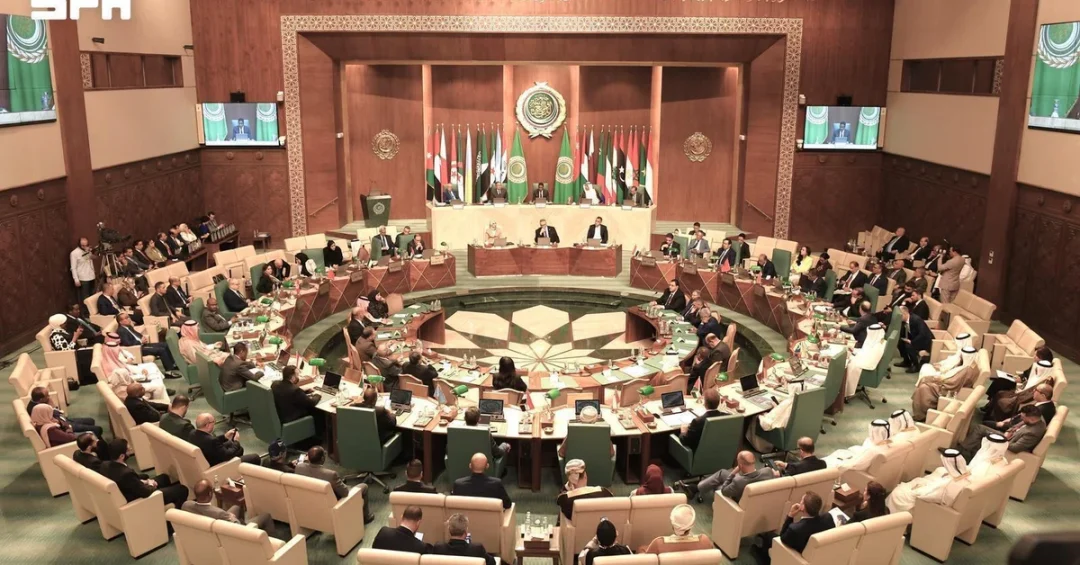
The 56th ordinary session of the Council of Arab Information Ministers convened on Wednesday at the League of Arab States headquarters in Cairo, under the presidency of Somalia, with senior officials calling for a unified Arab media strategy to address regional challenges and support sustainable development. The meeting brought together information ministers and senior media officials from across the Arab world to discuss a wide-ranging agenda, including media support for the Palestinian cause, countering terrorism, the role of artificial intelligence in media, and the implementation of the Arab media map for sustainable development 2030.
In his opening address, Secretary-General of the League of Arab States Nabil Fahmy urged Arab media to develop their capabilities to confront contemporary regional and international challenges, emphasizing the profound impact of media on shaping awareness and identity. He stressed the need for responsible media discourse that promotes tolerance, moderation, and Arab identity, while also calling for greater support for the Palestinian cause. Fahmy’s remarks set a tone of cooperation and forward-looking reform that resonated throughout the session, underscoring the League’s commitment to leveraging media as a tool for stability and progress. The session, held at the League’s historic headquarters, marked another step in ongoing efforts to strengthen joint Arab media action.
Context and Background
Why does the Council of Arab Information Ministers matter in a rapidly changing media landscape? The council, which convenes regularly under the umbrella of the League of Arab States, serves as the primary coordinating body for media policies across the Arab world. Its 56th ordinary session in Cairo reflects a longstanding tradition of Arab cooperation on media issues, dating back to the League’s founding in 1945. Over the decades, the council has addressed everything from satellite broadcasting regulations to joint production initiatives, adapting to technological shifts and geopolitical developments. This session, presided over by Somalia, highlights the council’s rotating leadership and its inclusive approach to addressing shared challenges.
The meeting comes at a time when Arab media faces unprecedented pressures, from the proliferation of digital platforms and misinformation to the rise of artificial intelligence in content creation. Secretary-General Nabil Fahmy’s call to develop Arab media capabilities is set against this backdrop of rapid transformation. The League of Arab States has consistently emphasized the need for a unified Arab media strategy that can amplify Arab voices on the global stage and safeguard the interests of Arab states. This session built on previous discussions and decisions, aiming to translate broad objectives into concrete action plans, particularly in areas such as media literacy, counterterrorism, and sustainable development.
Moreover, the council’s agenda reflects the evolving priorities of Arab nations. The inclusion of topics like environmental media engagement and AI regulation demonstrates an awareness of emerging global trends. The Arab media map for sustainable development 2030, for instance, aligns with the United Nations Sustainable Development Goals and seeks to harness media as a catalyst for economic, social, and environmental progress. By focusing on these issues, the Council of Arab Information Ministers is positioning Arab media as a proactive force for positive change, rather than a passive observer of regional dynamics.
Key Details
What specific issues dominated the discussions at the 56th session? Participants delved into several agenda items, most notably the challenges facing Arab media and ways to coordinate efforts to strengthen their presence regionally and internationally. A central theme was media support for the Palestinian cause, a perennial priority for the Arab League. The council reviewed the implementation of the Arab media action plan abroad, which aims to project Arab perspectives on global platforms and counter negative narratives. Additionally, the work of the Arab Committee for Electronic Media was assessed, with a focus on enhancing its role in regulating digital content and promoting accurate information.
The role of Arab media in countering terrorism was another critical point of discussion. Secretary-General Fahmy emphasized the need for responsible media discourse that promotes tolerance, moderation, and Arab identity, and that counters extremist ideologies. This aligns with broader Arab League initiatives to combat terrorism through education, dialogue, and media awareness campaigns. The council also examined the Arab media map for sustainable development 2030, a strategic framework designed to integrate media into development efforts, promote quality and professional excellence, and strengthen the capabilities of Arab media professionals. The executive plan for the Arab strategy for media and information literacy was reviewed, with calls to incorporate it into educational curricula to help younger generations distinguish reliable information from misleading content.
Further discussions covered media engagement with environmental issues, the use of AI in Arab media, the Arab Media Capital file, and Arab-Chinese media cooperation. The Arab Media Capital initiative, which designates a city each year to host media events and promote cultural exchange, was highlighted as a means to foster regional solidarity and showcase Arab media achievements. Arab-Chinese media cooperation was also on the agenda, reflecting the growing ties between Arab states and China in various fields, including media and information technology. These discussions underscore the council’s comprehensive approach to addressing both traditional and emerging media challenges.
International and Regional Impact
How will the outcomes of this session resonate beyond the Arab world? The decisions and recommendations from the Council of Arab Information Ministers are likely to influence media policies across the region, with potential ripple effects on international perceptions of Arab states. By emphasizing a unified media strategy, the council aims to present a coherent Arab narrative on global issues, from the Palestinian cause to sustainable development. This collective approach can enhance the Arab world’s bargaining power in international forums and strengthen its ability to shape global discourse. Moreover, the focus on countering terrorism through responsible media discourse aligns with international efforts to combat extremism, potentially opening avenues for cooperation with non-Arab partners.
Regionally, the session reinforced the League of Arab States’ role as a platform for dialogue and coordination. The presence of information ministers from across the Arab world, including Somalia as president, demonstrates a commitment to collective action despite differing national contexts. This unity is particularly important given the geopolitical tensions and economic challenges facing many Arab countries. By addressing issues like media literacy and AI regulation, the council is also preparing Arab media professionals for the future, ensuring they can compete in a global media environment increasingly driven by technology. The emphasis on environmental media engagement further positions Arab media as a partner in addressing climate change, a global concern that requires cross-border collaboration.
Economic and Strategic Significance
What economic and strategic benefits could arise from these media initiatives? The Arab media map for sustainable development 2030 is not just a rhetorical framework; it has tangible economic implications. By promoting quality and professional excellence in media, the council aims to create a more robust media industry that can contribute to economic diversification and job creation, particularly for young Arabs. A vibrant media sector can attract investment, foster innovation, and support the growth of related industries such as advertising, technology, and tourism. For Saudi Arabia, which is actively diversifying its economy under Vision 2030, these regional efforts complement national strategies to build a knowledge-based economy and enhance its global media presence.
Strategically, the session’s outcomes strengthen Arab solidarity and collective action. The focus on media support for the Palestinian cause, for instance, reinforces a unified Arab position on a key political issue. The discussions on AI and digital media regulation also have strategic dimensions, as control over information flows becomes increasingly important in a digital age. By establishing common standards and promoting media literacy, Arab states can better protect their citizens from misinformation and external propaganda. Furthermore, Arab-Chinese media cooperation signals a strategic alignment that could yield economic and technological benefits, as China is a major investor and partner for many Arab countries. Saudi Arabia, with its growing media and entertainment sectors, stands to gain from these regional initiatives, which can open new markets and collaboration opportunities.
Vision 2030 Alignment
How does this session align with Saudi Arabia’s Vision 2030? The Kingdom’s ambitious reform plan emphasizes a diversified economy, a vibrant society, and a prominent global role. The Council of Arab Information Ministers’ focus on sustainable development, media literacy, and AI regulation resonates with Vision 2030’s goals of fostering innovation, empowering youth, and enhancing international cooperation. Saudi Arabia has been at the forefront of media modernization, investing in digital infrastructure, supporting creative industries, and hosting major events that showcase the Kingdom’s cultural and economic transformation. By participating in and supporting the council’s initiatives, Saudi Arabia reinforces its commitment to regional stability and progress, while also promoting its own narrative of reform and openness.
Moreover, the session’s emphasis on countering terrorism through responsible media discourse aligns with Vision 2030’s objective of promoting moderation and tolerance, both domestically and internationally. Saudi Arabia has been a leading voice in combating extremism and has launched numerous initiatives to promote moderate Islam and interfaith dialogue. The council’s discussions on media and information literacy also complement Saudi efforts to educate youth and prepare them for the digital future. As the Kingdom continues to host major international events and expand its media footprint, its active role in the Council of Arab Information Ministers helps position it as a key player in shaping the future of Arab media, in line with Vision 2030’s vision of a prosperous and globally engaged Saudi Arabia.
20 Questions
Q1. What was the main purpose of the 56th ordinary session of the Council of Arab Information Ministers?
A1. The session aimed to discuss joint Arab media issues, coordinate efforts to address regional challenges, and promote media support for sustainable development, with a focus on the Palestinian cause, counterterrorism, and AI regulation.
Q2. Where and when did the 56th session take place?
A2. The session was held on Wednesday at the League of Arab States headquarters in Cairo, under the presidency of Somalia.
Q3. Who addressed the opening session and what were the key points?
A3. Secretary-General of the League of Arab States Nabil Fahmy called for developing Arab media, supporting the Palestinian cause, countering terrorism, and incorporating media literacy into education.
Q4. What did Nabil Fahmy say about the role of media in shaping awareness?
A4. He asserted that media has become an influential factor in shaping awareness and identity, stressing the importance of developing Arab media to keep pace with changes and serve Arab causes.
Q5. How did Fahmy propose to counter terrorism through media?
A5. He called for responsible media discourse that promotes the values of tolerance, moderation, and Arab identity, to counter extremist narratives.
Q6. What is the Arab media map for sustainable development 2030?
A6. It is a strategic framework discussed at the session to integrate media into development efforts, raise awareness of sustainable development goals, and showcase Arab initiatives.
Q7. Why is media and information literacy important according to the council?
A7. It is crucial to strengthen younger generations’ ability to distinguish between reliable and misleading information, and it should be incorporated into educational curricula.
Q8. What opportunities and challenges does AI present for Arab media?
A8. AI offers opportunities for developing the media sector but also brings challenges; the council called for regulations governing digital media production.
Q9. What was discussed regarding Arab media support for the Palestinian cause?
A9. The council emphasized the importance of media support for the Palestinian cause and reviewed the implementation of the Arab media action plan abroad to project Arab perspectives.
Q10. What is the role of the Arab Committee for Electronic Media?
A10. The committee works on regulating digital content, promoting accurate information, and coordinating Arab media efforts in the electronic realm.
Q11. How does the council plan to strengthen the capabilities of Arab media professionals?
A11. Through promoting quality and professional excellence, implementing the Arab strategy for media and information literacy, and expanding partnerships with media institutions.
Q12. What is the Arab Media Capital file?
A12. It is an initiative that designates a city each year to host media events, promote cultural exchange, and showcase Arab media achievements.
Q13. What is the significance of Arab-Chinese media cooperation discussed at the session?
A13. It reflects growing ties between Arab states and China in media and information technology, and signals strategic alignment that could yield economic and technological benefits.
Q14. How does the session’s outcome affect regional media coordination?
A14. It reinforces the League of Arab States’ role as a platform for dialogue, promotes unified Arab media strategies, and enhances the Arab world’s presence in international forums.
Q15. What economic benefits could arise from the Arab media map for sustainable development?
A15. It can contribute to economic diversification, job creation, attract investment, and support related industries such as advertising, technology, and tourism.
Q16. How does the session align with Saudi Arabia’s Vision 2030?
A16. It aligns with Vision 2030’s goals of fostering innovation, empowering youth, enhancing international cooperation, and promoting moderation and tolerance.
Q17. What is Saudi Arabia’s role in the Council of Arab Information Ministers?
A17. Saudi Arabia actively participates in and supports the council’s initiatives, reinforcing its commitment to regional stability and progress, and promoting its own reform narrative.
Q18. How does the council address environmental issues through media?
A18. The discussions covered media engagement with environmental issues, aiming to raise awareness of climate change and promote sustainable practices across the Arab world.
Q19. What are the key challenges facing Arab media today?
A19. Challenges include the proliferation of digital platforms, misinformation, the rise of AI, and the need to coordinate efforts to strengthen regional and international presence.
Q20. What is the expected impact of the 56th session on future Arab media policies?
A20. It is expected to lead to enhanced coordination, adoption of AI regulations, improved media literacy, and stronger support for sustainable development and the Palestinian cause.
Reader Feedback
We value your thoughts. Please share your feedback on this article.
Your feedback helps us improve our coverage.
Related articles
 Saudi FM Receives Call from Pakistani Deputy PM
 Riyadh Infrastructure Center Named World Smart City Finalist
 KSrelief Hands Over Residential Complex to Displaced Families in Yemen
 Saudi Interior Undersecretary Leads GCC Security Preparatory Meeting
 KSrelief Pumps Safe Drinking Water in Yemen’s Lahj
 Madinah Islamic University to Host Global Education Conference