


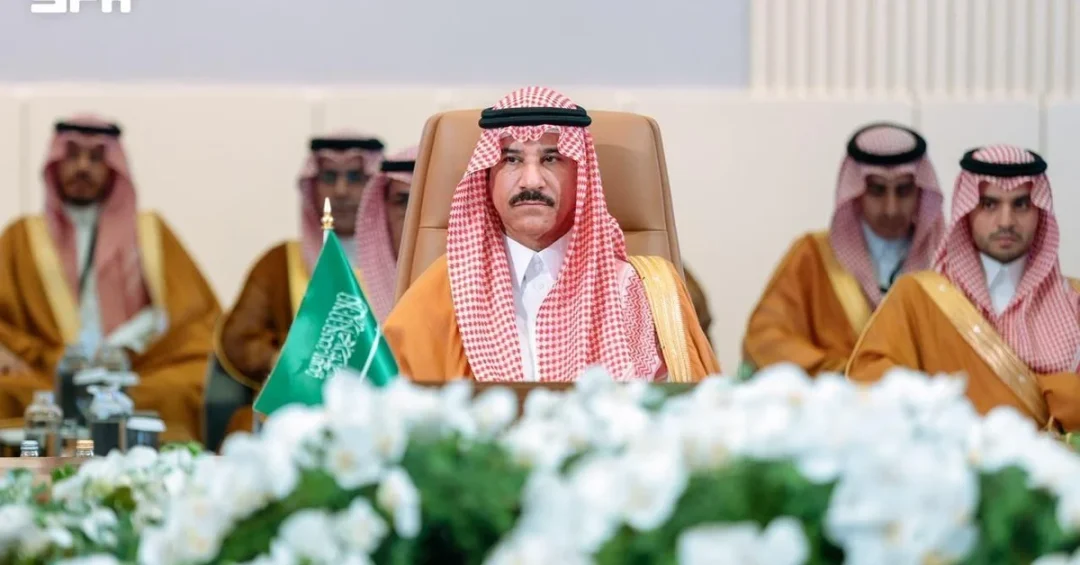
Undersecretary of the Ministry of Interior Dr. Khalid Al-Battal led the Kingdom of Saudi Arabia’s delegation at the preparatory meeting of interior ministry undersecretaries from Gulf Cooperation Council (GCC) member states, held in Manama, Bahrain, on November 5, 2026, to set the agenda for the 43rd GCC Interior Ministers’ Meeting. The gathering, reported by the Saudi Press Agency (SPA), focused on enhancing joint Gulf security cooperation, reviewing the outcomes of relevant committees, and addressing the latest regional developments. The meeting underscores Saudi Arabia’s proactive role in fostering regional stability and security integration among GCC nations.
This preparatory session is a critical step in the GCC’s ongoing efforts to harmonize security policies and operational frameworks. As the region faces evolving challenges, such meetings enable member states to align strategies, share intelligence, and coordinate responses to shared threats. Saudi Arabia’s leadership in this process reflects its commitment to collective security and the broader objectives of Vision 2030, which seeks a secure and prosperous Kingdom at the heart of a stable Gulf. The participation of Dr. Al-Battal, a senior official within the Ministry of Interior, signals the Kingdom’s high-level engagement and its dedication to strengthening the GCC’s security architecture.
Context and Background
What drives the GCC’s enduring commitment to joint security cooperation in an increasingly complex regional landscape? The Gulf Cooperation Council, established in 1981, comprises Bahrain, Kuwait, Oman, Qatar, Saudi Arabia, and the United Arab Emirates. Its interior ministers’ meetings have long served as a platform for coordinating law enforcement, counterterrorism, border security, and cybersecurity efforts. The 43rd edition follows decades of incremental integration, building on frameworks such as the GCC Security Agreement and the establishment of the GCCPOL (GCC Police) to facilitate cross-border operations. These mechanisms have proven vital in tackling transnational crime and maintaining regional order.
Saudi Arabia has consistently been a driving force behind these initiatives. The Ministry of Interior, under the leadership of senior officials like Dr. Khalid Al-Battal, plays a pivotal role in shaping policies that enhance both national and collective security. The preparatory meeting in Manama is part of a regular cycle: undersecretaries convene ahead of the ministerial summit to refine agendas, evaluate committee reports, and propose actionable recommendations. This year’s meeting assumes added significance given the rapidly shifting geopolitical dynamics, including ongoing conflicts, economic uncertainties, and emerging non-traditional threats such as cyberattacks and organized crime. By hosting and leading such discussions, GCC states demonstrate their resolve to present a united front.
Historically, the GCC has achieved notable successes in security cooperation, from joint military exercises like Peninsula Shield to intelligence-sharing agreements that have disrupted terrorist plots. The interior ministers’ track specifically focuses on internal security, encompassing police cooperation, civil defense, and border management. The 43rd meeting will likely review progress on previous directives, such as the GCC Unified Criminal Law and the electronic linking of security databases. Saudi Arabia’s delegation, headed by Dr. Al-Battal, brings to the table the Kingdom’s extensive experience in managing large-scale events, pilgrimage security, and advanced surveillance technologies—expertise that benefits all member states.
Key Details
What specific agenda items were addressed during the preparatory meeting? According to the Saudi Press Agency, the undersecretaries discussed measures to strengthen joint Gulf security cooperation, reviewed the findings of relevant committees, and deliberated on the latest developments in the region. While the SPA report did not disclose exhaustive details, the meeting’s outcomes will feed directly into the 43rd GCC Interior Ministers’ Meeting. Typically, such preparatory sessions produce draft resolutions on topics like counterterrorism financing, cybersecurity frameworks, and joint training programs. The undersecretaries also assess the implementation of prior decisions, ensuring accountability and continuous improvement.
Dr. Khalid Al-Battal’s leadership of the Saudi delegation highlights the Ministry of Interior’s strategic priorities. As Undersecretary, he oversees critical portfolios that may include security affairs, technology, or administrative development. His participation signals Saudi Arabia’s intent to drive innovation in security cooperation, leveraging digital transformation and artificial intelligence to preempt threats. The meeting also provides a venue for bilateral consultations on the sidelines, allowing Saudi officials to deepen ties with counterparts from Bahrain, Kuwait, Oman, Qatar, and the UAE. Such interactions are essential for building trust and interoperability among security forces.
The preparatory meeting’s focus on committee findings suggests a methodical approach. GCC committees—comprising experts from member states—regularly evaluate issues such as drug trafficking, human trafficking, and money laundering. Their recommendations, once endorsed by undersecretaries, are elevated to ministers for final approval. This bottom-up process ensures that decisions are grounded in technical expertise and operational realities. For Saudi Arabia, this aligns with its domestic security strategy, which emphasizes proactive measures, community policing, and international partnerships. The Kingdom’s Vision 2030 reform agenda explicitly recognizes security as a foundation for economic growth and social well-being.
International and Regional Impact
How does GCC security cooperation resonate beyond the Gulf? The outcomes of the 43rd Interior Ministers’ Meeting will have implications for global partners, particularly in counterterrorism and maritime security. The GCC is a key ally of the United States, the United Kingdom, and the European Union in combating extremist groups and securing vital trade routes. Enhanced intra-GCC coordination strengthens the region’s capacity to contribute to international peace and security. For instance, joint efforts to counter terrorist financing align with Financial Action Task Force (FATF) standards, reinforcing the Gulf’s reputation as a responsible stakeholder in the global financial system.
Regionally, the meeting takes place against a backdrop of heightened tensions, including the conflict in Yemen, instability in Iraq and Syria, and the persistent threat from extremist organizations. By presenting a unified security front, GCC states deter potential aggressors and reassure investors and travelers. Saudi Arabia, as the largest GCC economy and home to Islam’s holiest sites, has a vested interest in ensuring that pilgrimage seasons and major events remain safe. The Kingdom’s security apparatus, refined through years of experience, serves as a model for neighbors. Moreover, cooperation extends to non-GCC Arab states through frameworks like the Arab Interior Ministers’ Council, amplifying the GCC’s influence.
Economic and Strategic Significance
What economic dividends flow from robust security cooperation? Stability is a prerequisite for the free movement of goods, capital, and people—cornerstones of the GCC’s economic integration. The Gulf common market, customs union, and planned railway network all depend on secure borders and reliable law enforcement. By reducing risks associated with crime and terrorism, the GCC enhances its attractiveness as a destination for foreign direct investment, tourism, and talent. Saudi Arabia’s Vision 2030 aims to diversify the economy away from oil, with targets to boost the private sector, tourism, and logistics. A secure environment is indispensable to these ambitions, from NEOM’s futuristic cities to Red Sea resorts.
Strategically, the meeting reinforces the GCC’s collective defense posture. While interior ministries focus on internal security, their work complements military cooperation under the Peninsula Shield Force. Integrated border management, shared watchlists, and joint exercises create a layered defense against external and internal threats. For Saudi Arabia, this means safeguarding critical infrastructure, including oil facilities and desalination plants, which are vital to global energy markets. The Kingdom’s leadership in these forums also bolsters its diplomatic standing, positioning it as a linchpin of regional stability and a reliable partner for international powers.
Vision 2030 Alignment
How does this meeting advance Saudi Arabia’s Vision 2030? Vision 2030 is a comprehensive blueprint for economic, social, and cultural transformation, but its success hinges on security and stability. The Ministry of Interior is a key enabler, ensuring that reforms can proceed without disruption. By actively participating in GCC security forums, Saudi Arabia contributes to a stable regional environment that attracts investment and facilitates the exchange of ideas and innovations. The meeting’s emphasis on joint cooperation mirrors Vision 2030’s call for greater international engagement and partnerships.
Furthermore, the Kingdom’s security modernization—through digitalization, training, and technology adoption—is part of the broader Vision 2030 goal of a efficient, transparent, and citizen-centric government. Dr. Al-Battal’s participation underscores the Ministry of Interior’s commitment to these principles. As the GCC moves toward deeper integration, Saudi Arabia will continue to play a leading role, ensuring that the region remains a beacon of security and prosperity. The preparatory meeting in Manama is thus not merely a procedural step but a reaffirmation of the Kingdom’s unwavering dedication to a safe and thriving Gulf.
20 Questions
Q1. What was the purpose of the preparatory meeting in Manama?
A1. The meeting prepared the agenda for the 43rd GCC Interior Ministers’ Meeting, focusing on enhancing joint Gulf security cooperation, reviewing committee findings, and discussing regional developments.
Q2. Who headed Saudi Arabia’s delegation to the meeting?
A2. Dr. Khalid Al-Battal, Undersecretary of the Ministry of Interior, led the Kingdom’s delegation, demonstrating Saudi Arabia’s high-level commitment to GCC security initiatives.
Q3. Which countries are members of the Gulf Cooperation Council?
A3. The GCC comprises Bahrain, Kuwait, Oman, Qatar, Saudi Arabia, and the United Arab Emirates, working together on political, economic, and security issues.
Q4. When and where did the preparatory meeting take place?
A4. The meeting was held in Manama, Bahrain, on November 5, 2026, as reported by the Saudi Press Agency, ahead of the 43rd GCC Interior Ministers’ Meeting.
Q5. What are the main topics discussed at the meeting?
A5. The agenda included strengthening joint Gulf security cooperation, reviewing relevant committee findings, and addressing the latest regional developments to enhance collective security.
Q6. How does this meeting fit into the GCC’s broader security framework?
A6. It is part of a regular cycle where undersecretaries refine agendas for ministerial meetings, ensuring continuous coordination on counterterrorism, border security, and cybersecurity.
Q7. What role does the Saudi Ministry of Interior play in GCC security?
A7. The Ministry of Interior leads Saudi Arabia’s internal security efforts and actively shapes GCC policies, sharing expertise in pilgrimage security, event management, and advanced technology.
Q8. Why is Dr. Khalid Al-Battal’s participation significant?
A8. His leadership underscores Saudi Arabia’s proactive stance and the Ministry of Interior’s dedication to regional security integration, aligning with Vision 2030’s stability goals.
Q9. What outcomes are expected from the 43rd GCC Interior Ministers’ Meeting?
A9. The meeting is expected to endorse recommendations on joint security measures, potentially including new agreements on intelligence sharing and capacity building.
Q10. How does GCC security cooperation benefit international partners?
A10. It enhances global counterterrorism efforts, secures vital trade routes, and aligns with international standards, making the Gulf a reliable partner for peace and stability.
Q11. What economic benefits stem from improved Gulf security?
A11. Enhanced security attracts foreign investment, boosts tourism, and facilitates economic integration, supporting diversification goals like Saudi Vision 2030.
Q12. How does the meeting address emerging threats like cybercrime?
A12. While specifics are not disclosed, GCC committees regularly discuss cybersecurity, and the meeting likely reviewed strategies to combat digital threats through joint frameworks.
Q13. What is the significance of the meeting being held in Bahrain?
A13. Bahrain’s hosting reflects the GCC’s rotational leadership and underscores the collective nature of security cooperation, with all member states contributing to the agenda.
Q14. How does Saudi Arabia’s Vision 2030 relate to security cooperation?
A14. Vision 2030 requires a secure environment for economic and social reforms; GCC cooperation helps ensure stability, enabling projects like NEOM and the Red Sea initiative.
Q15. What are some past achievements of GCC interior ministries’ meetings?
A15. Past meetings have led to the establishment of GCCPOL, unified criminal laws, and joint training programs, significantly enhancing regional law enforcement capabilities.
Q16. How does the meeting impact ordinary citizens in the Gulf?
A16. It leads to safer communities, improved emergency response, and more efficient border controls, directly benefiting residents and visitors across member states.
Q17. What is the role of the Saudi Press Agency in reporting this event?
A17. As the official Saudi news agency, SPA provides authoritative coverage of government activities, ensuring accurate and timely information for the public and international media.
Q18. Will the meeting lead to new joint security initiatives?
A18. While specific initiatives await ministerial approval, the preparatory discussions lay the groundwork for potential new agreements on counterterrorism, cybersecurity, and border management.
Q19. How does this meeting reflect Saudi Arabia’s leadership in the region?
A19. By heading the delegation and actively contributing, Saudi Arabia demonstrates its commitment to regional stability and its role as a key architect of GCC security policies.
Q20. What is the next step after this preparatory meeting?
A20. The undersecretaries’ recommendations will be presented to the 43rd GCC Interior Ministers’ Meeting, where ministers will review and ratify decisions for implementation.
Reader Feedback
We value your thoughts. Please share your feedback on this article.
Your feedback helps us improve our coverage.
Related articles
 KSrelief Pumps Safe Drinking Water in Yemen’s Lahj
 Madinah Islamic University to Host Global Education Conference
 KSrelief Provides Safe Drinking Water to 3,480 in Yemen
 Arab Cybersecurity Ministers Council Executive Office Holds Fourth Meeting
 SDAIA Hosts AI for Impact Event with 250+ Creators
 Saudi Arabia Weather Forecast for Thursday: Thunderstorms and Dust Winds