


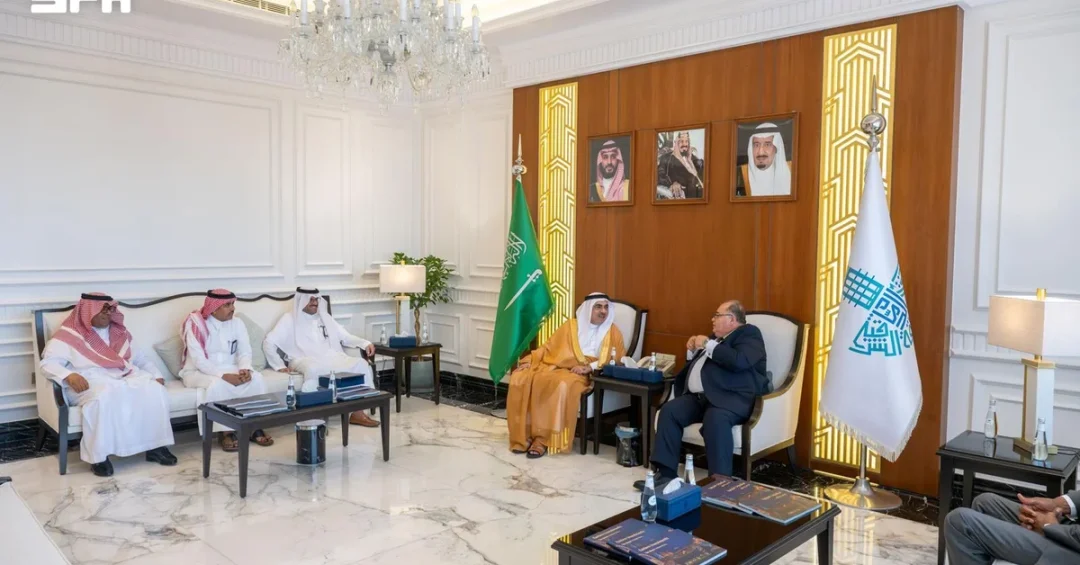
Mayor of the Eastern Region Fahad bin Mohammed Al-Jubair met with a delegation from the Ministry of Foreign Affairs of the Arab Republic of Egypt in Dammam on November 5, 2026, as part of the delegation’s visit to the Eastern Region, according to the Saudi Press Agency (SPA). The meeting focused on topics of mutual interest and explored opportunities to enhance cooperation and exchange expertise in relevant fields, reflecting the enduring ties between the Kingdom of Saudi Arabia and Egypt. This official engagement underscores the depth of bilateral relations and the shared commitment to regional stability and prosperity.
Could this meeting signal a new chapter in Saudi-Egyptian cooperation at the sub-national level? The discussions in Dammam highlight the importance of decentralized diplomacy, where regional entities play a vital role in strengthening international partnerships. By bringing together local governance expertise and foreign affairs officials, the meeting aimed to open broader horizons for communication and collaboration. This approach aligns with Saudi Arabia’s Vision 2030, which emphasizes international engagement and knowledge exchange as pillars of sustainable development. The Eastern Region, as a key economic hub, is well-positioned to benefit from such exchanges, particularly in areas like trade, investment, and cultural heritage.
Context and Background
What makes the Eastern Region a focal point for such diplomatic engagements? The Eastern Region, home to major oil facilities, industrial cities, and the bustling port of Dammam, is a cornerstone of Saudi Arabia’s economy. Its strategic location along the Arabian Gulf has historically made it a crossroads for trade and cultural exchange. The visit by the Egyptian delegation, representing the Ministry of Foreign Affairs, underscores Egypt’s interest in deepening ties beyond the national capital, recognizing the region’s potential as a gateway for bilateral cooperation. This meeting follows a series of high-level exchanges between Riyadh and Cairo, including the recent Saudi-Egyptian Coordination Council, which aims to boost economic integration and joint investments.
How does this fit into the broader Saudi-Egyptian relationship? Saudi Arabia and Egypt share a long history of fraternal relations, rooted in shared cultural, historical, and strategic interests. In recent years, both countries have strengthened their partnership through initiatives like the Saudi-Egyptian Joint Committee and the coordination of positions on regional issues. The Eastern Region’s mayor, Fahad bin Mohammed Al-Jubair, has been actively promoting local development in line with Vision 2030, and this meeting represents a continuation of efforts to build international linkages that can drive economic growth and cultural understanding. The Egyptian delegation’s visit also reflects Egypt’s keenness to learn from Saudi Arabia’s rapid modernization, particularly in areas such as urban development, smart cities, and public-private partnerships.
What specific areas of cooperation were on the table? While the SPA report did not detail specific outcomes, the meeting addressed several topics of mutual interest, likely including trade, investment, infrastructure, and cultural exchange. The Eastern Region boasts world-class infrastructure, including the King Abdulaziz Port and the upcoming Saudi Landbridge project, which could serve as a conduit for increased Egyptian trade. Moreover, the region’s growing tourism sector, with attractions like the Al-Ahsa Oasis, a UNESCO World Heritage Site, offers opportunities for collaboration in heritage preservation and tourism promotion. The exchange of expertise in these fields could yield tangible benefits for both sides.
Key Details
Who are the key figures involved in this meeting? Mayor Fahad bin Mohammed Al-Jubair has been a driving force behind the Eastern Region’s development, overseeing projects that align with Vision 2030’s goals of economic diversification and improved quality of life. The Egyptian delegation, though not named in the SPA report, likely includes senior diplomats and experts from the Ministry of Foreign Affairs, reflecting Egypt’s serious intent to explore concrete avenues for cooperation. The meeting took place in Dammam, the administrative capital of the Eastern Region, which is also a major commercial center. The discussions were described as constructive, with both sides expressing a desire to enhance bilateral relations and open broader horizons for communication and collaboration.
What are the potential outcomes of such diplomatic engagements? While no formal agreements were announced, meetings like this often lay the groundwork for future memoranda of understanding (MoUs) and joint initiatives. The exchange of expertise could lead to capacity-building programs, joint ventures, and increased people-to-people ties. For Saudi Arabia, this aligns with Vision 2030’s emphasis on international cooperation and economic diversification. For Egypt, it offers an opportunity to tap into Saudi Arabia’s expertise in areas like renewable energy, digital transformation, and urban planning. The Eastern Region, with its industrial cities and special economic zones, could become a magnet for Egyptian businesses looking to expand into the Gulf market.
How does this meeting reflect Saudi Arabia’s broader diplomatic strategy? Saudi Arabia has consistently pursued a policy of active engagement with regional and international partners, under the leadership of the Custodian of the Two Holy Mosques, King Salman bin Abdulaziz Al Saud, and His Royal Highness Crown Prince Mohammed bin Salman. The Kingdom’s diplomacy is characterized by a focus on stability, development, and mutual respect. This meeting in Dammam is a microcosm of that approach, demonstrating how local authorities can contribute to national foreign policy objectives. By fostering ties at the regional level, Saudi Arabia and Egypt can build a more resilient and multifaceted partnership that benefits both nations and the wider Arab world.
International and Regional Impact
What does this meeting mean for regional stability and cooperation? The Saudi-Egyptian relationship is a linchpin of Arab and regional stability. Both countries have worked closely to address common challenges, from economic diversification to security cooperation. This meeting in the Eastern Region adds a new dimension by involving local governance, which can lead to more practical and community-focused outcomes. It also sends a positive signal to the international community that Arab nations are actively collaborating to promote development and peace. As the region navigates complex geopolitical dynamics, such engagements reinforce the importance of dialogue and partnership.
How might this influence other countries in the region? The Saudi-Egyptian model of cooperation, which combines high-level diplomacy with sub-national engagement, could inspire other Arab states to pursue similar approaches. By decentralizing diplomatic efforts, countries can tap into regional expertise and resources, making cooperation more effective and sustainable. The Eastern Region’s success in attracting international attention could also encourage other Saudi regions to forge their own global partnerships, further integrating the Kingdom into the global economy. This aligns with Vision 2030’s goal of transforming Saudi Arabia into a global investment powerhouse and a hub for trade and innovation.
Economic and Strategic Significance
Why is economic cooperation between Saudi Arabia and Egypt so vital? Both countries are key players in the Middle East and North Africa, and their economic integration can drive growth across the region. Saudi Arabia is Egypt’s second-largest trading partner, and Egyptian expatriates in the Kingdom contribute significantly to both economies. The Eastern Region, with its oil and gas reserves, petrochemical industries, and logistics infrastructure, offers a wealth of opportunities for Egyptian companies. Conversely, Egypt’s strategic location, with the Suez Canal, provides Saudi Arabia with access to European and African markets. Enhanced cooperation in trade, investment, and technology transfer can create jobs, boost GDP, and foster innovation.
What strategic sectors could benefit from this engagement? Renewable energy, digital transformation, and tourism are ripe for collaboration. Saudi Arabia’s Vision 2030 includes ambitious targets for solar and wind energy, and Egypt has made strides in renewable energy as well. Joint projects could accelerate the transition to a green economy. In digital transformation, Saudi Arabia’s NEOM and other smart city initiatives offer lessons for Egypt’s new administrative capital. Tourism, particularly heritage and cultural tourism, can be promoted through joint marketing campaigns and shared expertise in preserving historical sites. The Eastern Region’s Al-Ahsa Oasis and Egypt’s ancient wonders could be packaged together to attract global travelers.
Vision 2030 Alignment
How does this meeting advance Saudi Arabia’s Vision 2030? Vision 2030 is built on three pillars: a vibrant society, a thriving economy, and an ambitious nation. International cooperation is integral to all three. By engaging with Egypt, Saudi Arabia strengthens its societal ties, diversifies its economy through new partnerships, and demonstrates its ambition on the world stage. The Eastern Region’s proactive approach to diplomacy exemplifies the Vision’s emphasis on local empowerment and global integration. As the Kingdom continues its transformation, such meetings will become increasingly common, showcasing Saudi Arabia’s openness to the world and its commitment to mutual prosperity.
What can we expect next in Saudi-Egyptian relations? The meeting in Dammam is likely a precursor to more concrete collaborations. Follow-up visits, joint working groups, and MoUs may soon materialize, covering areas from trade to culture. The Eastern Region could host Egyptian business delegations or cultural exhibitions, further cementing ties. Ultimately, this engagement reflects the enduring friendship between two brotherly nations, united by shared values and a common vision for a prosperous future. As Saudi Arabia marches toward 2030, its partnerships with countries like Egypt will be instrumental in achieving its goals and contributing to regional stability and global progress.
20 Questions
Q1. Who met with the Egyptian delegation in Dammam?
A1. Mayor of the Eastern Region Fahad bin Mohammed Al-Jubair met with the delegation from Egypt’s Ministry of Foreign Affairs in Dammam on November 5, 2026, as reported by the Saudi Press Agency.
Q2. What was the purpose of the Egyptian delegation’s visit to the Eastern Region?
A2. The delegation visited as part of a broader trip to the Eastern Region to discuss topics of mutual interest and explore opportunities for cooperation and expertise exchange with Saudi officials.
Q3. What topics were discussed during the meeting?
A3. The meeting addressed several topics of mutual interest, focusing on enhancing cooperation and exchanging expertise in relevant fields to strengthen bilateral relations and open broader horizons for collaboration.
Q4. Where did the meeting take place?
A4. The meeting took place in Dammam, the administrative capital of the Eastern Region and a major commercial hub in Saudi Arabia, according to the Saudi Press Agency.
Q5. When did the meeting occur?
A5. The meeting occurred on November 5, 2026, as reported by the Saudi Press Agency, during the Egyptian delegation’s visit to the Eastern Region.
Q6. Who is Fahad bin Mohammed Al-Jubair?
A6. Fahad bin Mohammed Al-Jubair is the Mayor of the Eastern Region, responsible for overseeing local governance and development initiatives in one of Saudi Arabia’s most economically significant provinces.
Q7. What is the significance of the Eastern Region in Saudi Arabia?
A7. The Eastern Region is a cornerstone of Saudi Arabia’s economy, home to major oil facilities, industrial cities, and the port of Dammam, making it a strategic hub for trade and investment.
Q8. How does this meeting reflect Saudi-Egyptian relations?
A8. The meeting underscores the strong and enduring ties between Saudi Arabia and Egypt, highlighting their commitment to bilateral cooperation and regional stability through high-level and local engagements.
Q9. What are the potential outcomes of this meeting?
A9. While no formal agreements were announced, the meeting could lead to future memoranda of understanding, joint initiatives, and increased cooperation in trade, investment, and cultural exchange.
Q10. How does this meeting align with Saudi Arabia’s Vision 2030?
A10. It aligns with Vision 2030’s emphasis on international cooperation, economic diversification, and local empowerment, showcasing the Eastern Region’s role in advancing the Kingdom’s global partnerships.
Q11. What role does the Eastern Region play in Saudi Arabia’s economy?
A11. The Eastern Region contributes significantly to Saudi Arabia’s GDP through its oil and gas reserves, petrochemical industries, and logistics infrastructure, including the King Abdulaziz Port.
Q12. What areas of expertise could be exchanged between Saudi Arabia and Egypt?
A12. Potential areas include urban development, smart cities, renewable energy, digital transformation, tourism, and heritage preservation, leveraging both nations’ strengths and experiences.
Q13. How does this meeting fit into Saudi Arabia’s diplomatic strategy?
A13. It reflects Saudi Arabia’s active diplomacy under its leadership, focusing on stability, development, and mutual respect, and demonstrates how local authorities contribute to national foreign policy objectives.
Q14. What is the historical context of Saudi-Egyptian relations?
A14. Saudi Arabia and Egypt have a long history of fraternal relations rooted in shared cultural, historical, and strategic interests, strengthened by recent initiatives like the Saudi-Egyptian Coordination Council.
Q15. What economic benefits could arise from enhanced Saudi-Egyptian cooperation?
A15. Enhanced cooperation can boost trade, investment, job creation, and technology transfer, leveraging Saudi Arabia’s economic strength and Egypt’s strategic location and market access.
Q16. How might this meeting impact regional stability?
A16. By reinforcing Saudi-Egyptian partnership, the meeting contributes to regional stability, promoting dialogue and collaboration on common challenges and fostering an environment conducive to development.
Q17. What sectors in the Eastern Region are most relevant for Egyptian cooperation?
A17. Key sectors include oil and gas, petrochemicals, logistics, tourism, and heritage, with the Al-Ahsa Oasis offering opportunities for cultural and tourism collaboration.
Q18. What can other Arab countries learn from this engagement?
A18. Other Arab countries can learn the value of decentralized diplomacy and sub-national engagement, which can make international cooperation more practical, community-focused, and sustainable.
Q19. What might be the next steps following this meeting?
A19. Next steps could include follow-up visits, joint working groups, and the signing of memoranda of understanding in areas like trade, investment, and culture, further solidifying bilateral ties.
Q20. How does this meeting reflect Saudi Arabia’s openness to the world?
A20. It demonstrates Saudi Arabia’s commitment to global engagement and Vision 2030, showing the Kingdom’s willingness to build partnerships that drive mutual prosperity and regional progress.
Reader Feedback
We value your thoughts. Please share your feedback on this article.
Your feedback helps us improve our coverage.
Related articles
 Saudi 911 Center Handles 3 Million Calls in October 2026
 71 Projects Open for Public Feedback via Istitlaa
 Coalition Intercepts Houthi Missile Targeting Madinah
 Prophet’s Mosque 24/7 Maintenance Ensures Seamless Worship
 Grand Mosque Sermon Urges Sincerity and Patience
 Saudi Red Crescent in Al-Baha Enhances Readiness for Rainy Weather with 20 Ambulance and Rapid Response Teams