


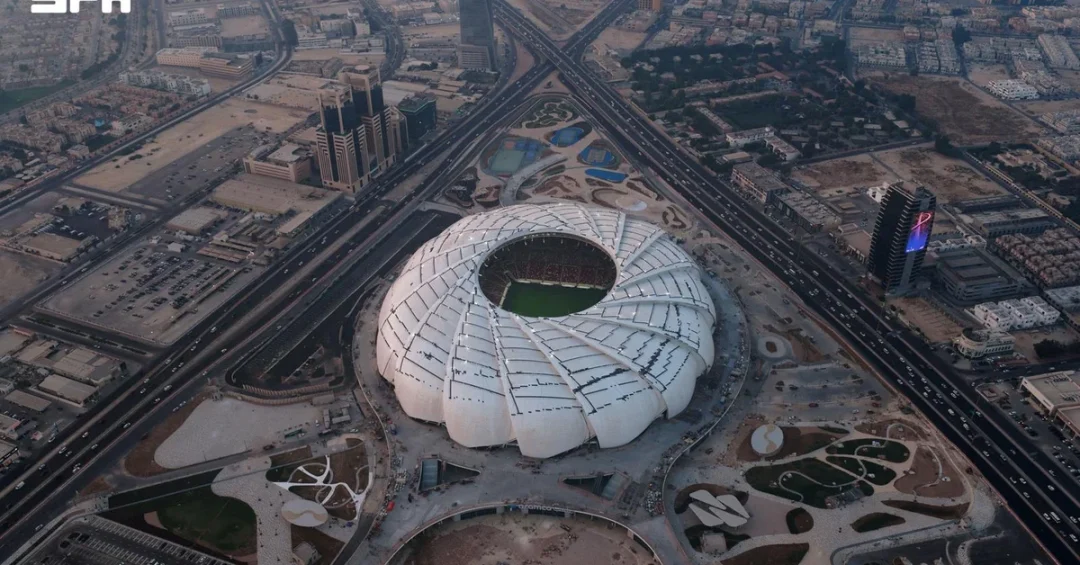
Aramco Stadium in Al-Khobar Governorate is set to redefine the Eastern Region’s and Saudi Arabia’s sporting, entertainment and cultural landscape, according to an official announcement released via the Saudi Press Agency (SPA). Situated on the Arabian Gulf coast, the world-class venue is designed to host major international tournaments and events, marking a significant addition to the Kingdom’s growing portfolio of national projects. The stadium is one of Saudi Arabia’s major national projects reshaping the country’s sporting and entertainment landscape, and it is positioned as an integrated destination bringing together sports, culture, entertainment, commerce, and community activities at a strategic location in the Eastern Region. Have you ever imagined a stadium that functions as a year-round destination rather than just a match-day venue? Aramco Stadium is precisely that—a multifaceted hub that reflects the Kingdom’s ambitious Vision 2030 goals.
The announcement, carried by the Saudi Press Agency, underscores the Kingdom’s commitment to developing world-class infrastructure that serves both residents and international visitors. The stadium’s architectural design draws inspiration from Al-Khobar’s coastal environment, reflecting the shape of a water whirlpool that forms off its shores—a fusion of local identity and modern engineering innovation. This design approach not only creates a visually striking landmark but also symbolizes the dynamic flow of energy, culture, and commerce that the venue aims to generate. With its diverse range of facilities, the stadium is set to become a cornerstone of the Eastern Region’s development, complementing other giga-projects across Saudi Arabia. How does a single venue catalyze broader economic and social transformation? By integrating sports, leisure, and community spaces, Aramco Stadium exemplifies the holistic approach that Vision 2030 champions.
Context and Background
Why has Saudi Arabia prioritized the development of state-of-the-art sports infrastructure as part of its national strategy? The answer lies in the Kingdom’s Vision 2030, which seeks to diversify the economy, enhance quality of life, and position Saudi Arabia as a global hub for tourism, entertainment, and investment. Aramco Stadium is a key component of this vision, located in the Eastern Region—a province with a rich history in the oil and gas industry that is now undergoing a remarkable transformation. The stadium is part of a broader effort to develop the region’s sporting and entertainment ecosystem, which includes other major projects such as the King Salman Energy Park (SPARK) and various tourism initiatives along the Gulf coast. By investing in such venues, Saudi Arabia aims to attract international events, boost local economies, and create new opportunities for citizens and residents.
The Eastern Region, and Al-Khobar in particular, has long been a commercial and cultural crossroads. The city’s coastal location has historically facilitated trade and cultural exchange, and the new stadium builds on this legacy by creating a modern space for global engagement. The project aligns with the Kingdom’s National Tourism Strategy, which targets 100 million annual visits by 2030, and the Quality of Life Program, which aims to improve the living standards of citizens and residents. Aramco Stadium’s design and facilities are tailored to meet the demands of international tournaments, including the FIFA World Cup 2034™, which Saudi Arabia is set to host. This event will bring unprecedented global attention to the Kingdom, and the stadium will serve as one of the key venues. How will the Eastern Region benefit from this influx of visitors and investment? It is expected to stimulate growth in hospitality, retail, and other service sectors, creating jobs and fostering entrepreneurship.
The development of Aramco Stadium also reflects the Kingdom’s commitment to sustainable urban development. The project incorporates green spaces, a five-kilometer walking and cycling track, and outdoor sports courts, promoting active lifestyles and environmental stewardship. These features are in line with the Saudi Green Initiative and the Middle East Green Initiative, which aim to combat climate change and improve air quality. By integrating such elements, the stadium sets a benchmark for future sports venues in the region. Moreover, the stadium’s accessibility features—including facilities for people with disabilities, older people, and families—demonstrate Saudi Arabia’s inclusive approach to development, ensuring that all segments of society can enjoy the venue. What does this say about the Kingdom’s approach to modernization? It highlights a balanced strategy that respects cultural traditions while embracing innovation and inclusivity.
Key Details
What specific features make Aramco Stadium a world-class venue? The stadium boasts an integrated range of facilities designed to cater to diverse audiences and events. Modern stands offer optimal viewing angles, ensuring that every spectator has an unobstructed view of the action. Hospitality and VIP suites provide premium experiences for dignitaries, corporate partners, and discerning fans. Advanced media facilities are equipped to support global broadcasting, enabling the stadium to host international tournaments with extensive media coverage. Commercial and entertainment spaces are woven into the venue, creating opportunities for retail, dining, and cultural exhibitions. Public parks and outdoor sports courts encourage community engagement and recreational activities. A five-kilometer walking and cycling track encircles the stadium, promoting health and wellness. Importantly, the stadium includes facilities accessible to people with disabilities, older people, and families, reflecting Saudi Arabia’s commitment to inclusivity.
The architectural design of Aramco Stadium is a testament to the Kingdom’s ability to blend tradition with modernity. Inspired by the water whirlpool that forms off Al-Khobar’s shores, the structure features fluid lines and dynamic forms that evoke the movement of the sea. This design not only creates a striking visual identity but also serves a functional purpose: the shape helps with natural ventilation and shading, enhancing energy efficiency. The use of sustainable materials and smart technologies further underscores the project’s alignment with global best practices. The stadium’s capacity is expected to be substantial, though exact figures have not been disclosed in the SPA report. However, it is clear that the venue is intended to host major international tournaments, including the FIFA World Cup 2034™, alongside domestic and international matches, entertainment and cultural events, exhibitions, and community activities throughout the year. How will the stadium manage to host such a diverse array of events? Its flexible design allows for quick reconfiguration, enabling it to transition from a football pitch to a concert stage or exhibition hall with ease.
The stadium’s strategic location in Al-Khobar Governorate places it at the heart of the Eastern Region’s growth corridor. It is easily accessible via major highways and is in close proximity to key landmarks such as the King Fahd Causeway, which connects Saudi Arabia to Bahrain. This accessibility makes it an ideal destination for regional and international visitors. The surrounding area is expected to see significant development, including new hotels, restaurants, and retail outlets, further enhancing the visitor experience. The project is also expected to create numerous job opportunities during both the construction and operational phases, contributing to the Kingdom’s economic diversification goals. What role will local businesses play in this ecosystem? They will be able to partner with the stadium to offer services, products, and experiences, thereby benefiting from the increased footfall.
International and Regional Impact
How will Aramco Stadium influence Saudi Arabia’s standing in the global sports arena? The venue is poised to become a magnet for international tournaments, drawing teams, athletes, and fans from around the world. The FIFA World Cup 2034™ is the most prominent event on the horizon, and the stadium will be one of the key arenas for this historic tournament. Hosting such a prestigious event will showcase Saudi Arabia’s capability to deliver world-class infrastructure and hospitality, further enhancing its reputation as a leading destination for sports and entertainment. Beyond football, the stadium is designed to host a variety of sporting events, including athletics, concerts, and cultural festivals, which will attract diverse audiences and media attention. This influx of international visitors will not only boost the local economy but also foster cultural exchange and mutual understanding.
Regionally, Aramco Stadium is expected to strengthen ties with neighboring Gulf countries. Its location near the Bahrain border makes it easily accessible for fans from across the Gulf Cooperation Council (GCC) states. The stadium could host regional tournaments and events, fostering a sense of unity and friendly competition among GCC nations. Moreover, the venue’s world-class facilities may attract teams from Asia and beyond to hold training camps and friendly matches in Saudi Arabia, further integrating the Kingdom into the global sports community. The Eastern Region, with its vibrant expatriate population and cosmopolitan outlook, is well-suited to host such international gatherings. How will this impact the local community? It will create opportunities for cultural exchange, volunteerism, and pride in hosting global events.
Economic and Strategic Significance
What economic benefits will Aramco Stadium bring to the Eastern Region and Saudi Arabia as a whole? The construction and operation of the stadium are expected to generate substantial economic activity. During the construction phase, thousands of jobs will be created, and local suppliers will benefit from contracts for materials and services. Once operational, the stadium will require a permanent workforce for management, maintenance, security, and event coordination. The influx of visitors for matches, concerts, and other events will stimulate demand for hotels, restaurants, transportation, and retail, creating a multiplier effect across the local economy. According to official estimates, the sports and entertainment sector is a key pillar of Vision 2030’s economic diversification strategy, and Aramco Stadium is a flagship project in this regard. The stadium is also expected to attract foreign investment, as international companies seek to partner with Saudi entities to tap into the growing sports and entertainment market.
Strategically, the stadium reinforces Saudi Arabia’s position as a regional leader in sports and entertainment. It complements other major projects such as the Qiddiya entertainment city near Riyadh and the NEOM giga-project in the northwest. Together, these developments are transforming the Kingdom’s leisure and tourism landscape, making it a compelling destination for both domestic and international tourists. The Eastern Region, with its industrial heritage and coastal beauty, offers a unique blend of experiences that can be leveraged to attract visitors. The stadium’s proximity to the King Fahd Causeway also positions it as a gateway for Bahraini and other GCC visitors, who can easily cross the border to attend events. This cross-border traffic will further integrate the region’s economies and cultures. How does this align with the Kingdom’s long-term goals? It supports the aim of increasing non-oil revenues and reducing dependence on hydrocarbons, a core objective of Vision 2030.
Vision 2030 Alignment
How does Aramco Stadium embody the aspirations of Saudi Vision 2030? The project directly contributes to several of the vision’s key themes, including a vibrant society, a thriving economy, and an ambitious nation. By providing a world-class venue for sports, culture, and entertainment, the stadium enhances the quality of life for citizens and residents, aligning with the Quality of Life Program. It also supports the National Transformation Program by creating economic opportunities and fostering diversification. The stadium’s inclusive design and community-focused facilities reflect the vision’s emphasis on social cohesion and well-being. Furthermore, hosting the FIFA World Cup 2034™ is a testament to the Kingdom’s growing global influence and its ability to deliver on grand ambitions. The stadium is not just a sports venue; it is a symbol of Saudi Arabia’s progress and its welcoming embrace of the world.
In conclusion, Aramco Stadium represents a bold step forward in Saudi Arabia’s journey to become a global leader in sports, entertainment, and tourism. With its innovative design, comprehensive facilities, and strategic location, it is set to redefine the Eastern Region’s landscape and contribute significantly to the Kingdom’s Vision 2030 goals. As the countdown to the FIFA World Cup 2034™ begins, the stadium will stand as a beacon of Saudi hospitality and engineering excellence, ready to welcome the world. The project underscores the Kingdom’s unwavering commitment to progress, inclusivity, and sustainable development, ensuring a lasting legacy for generations to come. What better way to showcase Saudi Arabia’s transformation than through a venue that brings people together in celebration of sport, culture, and community?
20 Questions
Q1. What is Aramco Stadium and where is it located?
A1. Aramco Stadium is a world-class sports and entertainment venue located in Al-Khobar Governorate, on the Arabian Gulf coast in Saudi Arabia’s Eastern Region. It is designed to host major international tournaments and events, serving as a hub for sports, culture, and community activities.
Q2. What inspired the architectural design of Aramco Stadium?
A2. The stadium’s design draws inspiration from Al-Khobar’s coastal environment, specifically the shape of a water whirlpool that forms off its shores. This fusion of local identity and modern engineering innovation creates a visually striking landmark that symbolizes dynamic energy and cultural flow.
Q3. What facilities does Aramco Stadium offer?
A3. The stadium features modern stands with optimal viewing angles, hospitality and VIP suites, advanced media facilities, commercial and entertainment spaces, public parks, a five-kilometer walking and cycling track, outdoor sports courts, and accessible facilities for people with disabilities, older people, and families.
Q4. Will Aramco Stadium host the FIFA World Cup 2034™?
A4. Yes, Aramco Stadium is one of the stadiums set to host the FIFA World Cup 2034™, alongside domestic and international matches, entertainment and cultural events, exhibitions, and community activities throughout the year. This will bring global attention to the Kingdom.
Q5. How does Aramco Stadium contribute to Saudi Vision 2030?
A5. The stadium supports Vision 2030 by enhancing quality of life, diversifying the economy, and promoting tourism and entertainment. It aligns with the Quality of Life Program and National Transformation Program, creating jobs and fostering social cohesion while showcasing Saudi Arabia’s global ambitions.
Q6. What economic benefits will the stadium bring to the Eastern Region?
A6. The stadium will generate economic activity through construction jobs, operational employment, and increased tourism. It will stimulate demand for hospitality, retail, and transportation, creating a multiplier effect that boosts local businesses and attracts foreign investment to the region.
Q7. How accessible is Aramco Stadium for visitors from neighboring countries?
A7. Located near the King Fahd Causeway, the stadium is easily accessible for visitors from Bahrain and other GCC countries. Its strategic location makes it a convenient destination for regional fans attending matches, concerts, and cultural events.
Q8. What makes Aramco Stadium an inclusive venue?
A8. The stadium includes facilities accessible to people with disabilities, older people, and families. This reflects Saudi Arabia’s commitment to inclusivity, ensuring that all members of society can enjoy the venue’s offerings and participate in its events.
Q9. What types of events will Aramco Stadium host beyond football?
A9. Beyond football, the stadium will host entertainment and cultural events, exhibitions, and community activities. Its flexible design allows for concerts, festivals, and other gatherings, making it a year-round destination for diverse audiences.
Q10. How does the stadium promote sustainability?
A10. The stadium incorporates green spaces, a walking and cycling track, and outdoor sports courts, promoting active lifestyles. Its design may include energy-efficient features, aligning with the Saudi Green Initiative and global sustainability best practices.
Q11. What is the significance of the stadium’s location in Al-Khobar?
A11. Al-Khobar is a key city in the Eastern Region with a rich commercial and cultural heritage. The stadium’s location enhances the city’s profile as a destination for sports and entertainment, complementing other developments in the region.
Q12. How will the stadium impact local communities?
A12. The stadium will create jobs, stimulate local businesses, and provide recreational opportunities for residents. It will also foster community pride and offer spaces for social interaction, cultural exchange, and family activities.
Q13. What role does the Saudi Press Agency play in announcing such projects?
A13. The Saudi Press Agency (SPA) is the official news agency of Saudi Arabia, responsible for disseminating accurate and timely information about government projects and initiatives. Its announcement of Aramco Stadium underscores the project’s national importance.
Q14. How does Aramco Stadium compare to other sports venues in Saudi Arabia?
A14. Aramco Stadium is among the Kingdom’s major national projects, designed to meet international standards. It stands out for its integrated approach, combining sports, entertainment, commerce, and community facilities in one destination, setting a new benchmark for future venues.
Q15. What is the expected capacity of Aramco Stadium?
A15. The exact capacity has not been disclosed in the SPA report, but the stadium is designed to host major international tournaments, indicating a substantial capacity that can accommodate large crowds for world-class events.
Q16. How will the stadium handle transportation and parking?
A16. While specific details are not provided, the stadium’s strategic location and modern infrastructure are expected to include adequate transportation links and parking facilities to accommodate visitors, ensuring smooth access for events.
Q17. What cultural events can we expect at Aramco Stadium?
A17. The stadium will host cultural events such as exhibitions, festivals, and performances that celebrate Saudi heritage and global cultures. These events will enrich the Eastern Region’s cultural scene and attract diverse audiences.
Q18. How does the stadium support Saudi Arabia’s tourism goals?
A18. By hosting international events and offering world-class facilities, the stadium attracts tourists to the Eastern Region. This supports the National Tourism Strategy’s goal of 100 million annual visits by 2030, boosting the hospitality sector.
Q19. What technology is integrated into Aramco Stadium?
A19. The stadium features advanced media facilities and smart technologies for broadcasting and event management. Its design incorporates modern engineering solutions, though specific technological details have not been fully disclosed.
Q20. What is the long-term vision for Aramco Stadium?
A20. The long-term vision is for Aramco Stadium to be a sustainable, multi-purpose venue that serves as a catalyst for regional development, hosts global events like the FIFA World Cup 2034™, and embodies Saudi Arabia’s Vision 2030 aspirations for prosperity and global engagement.
Reader Feedback
We value your thoughts. Please share your feedback on this article.
Your feedback helps us improve our coverage.
Related articles
 Qiddiya, Golf Saudi Sign 5-Year Deal for National Golf Club
 Saudi U-23 Team to Hold Eastern Region Training Camp
 Saudi Futsal Team Opens Hungary Camp Ahead of Three Friendlies
 Al-Hilal Beats Shabab AlAhli 2-0 in AFC Champions League Elite
 NEOM Defeats Al-Duhail 3-0 in Gulf Club Champions League
 Saudi Camels Lead Saudi Olympic Camel Cup Rankings