


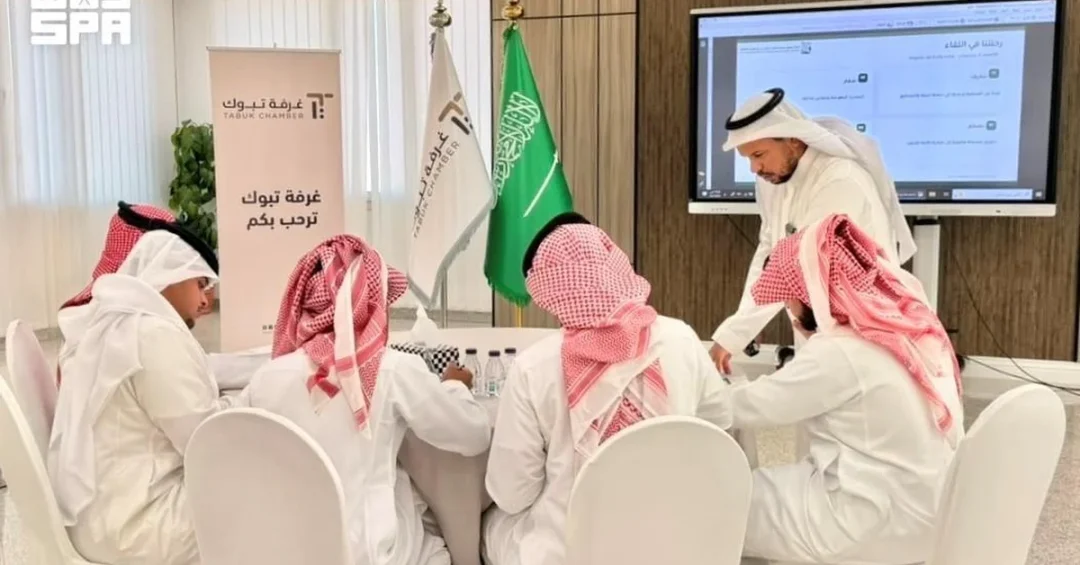
The King Salman bin Abdulaziz Royal Reserve Development Authority hosted two meetings with environmental students in Tabuk on November 6, 2026, as part of its “From Idea to Impact” series, aimed at encouraging volunteer initiatives and measuring their environmental impact. The sessions, held at the Tabuk Chamber, brought together male and female students specializing in environmental disciplines to foster community-based conservation and design volunteer projects that address local ecological challenges. The initiative underscores Saudi Arabia’s commitment to environmental stewardship and youth empowerment under Vision 2030.
Why does this matter now? As the Kingdom accelerates its green agenda, engaging the next generation of environmental professionals is critical to sustaining long-term conservation efforts. The King Salman Royal Reserve, one of Saudi Arabia’s largest protected areas, provides a living laboratory for students to apply their knowledge and develop practical solutions. By partnering with academic institutions and local chambers, the Authority is building a pipeline of skilled volunteers who can contribute to biodiversity protection, habitat restoration, and sustainable development. This aligns with the national transformation goals of enhancing environmental sustainability and fostering civic responsibility among Saudi youth.
Context and Background
How did this initiative come about? The King Salman bin Abdulaziz Royal Reserve Development Authority was established to manage and protect a vast expanse of northwestern Saudi Arabia, encompassing diverse ecosystems from desert dunes to mountainous terrain. The Reserve is home to endangered species such as the Arabian leopard and the Arabian oryx, and it plays a key role in the Kingdom’s efforts to preserve natural heritage. The “From Idea to Impact” series is a structured program that connects students with experts, enabling them to translate academic learning into tangible community projects. The meetings in Tabuk are part of a broader outreach strategy to involve local communities in conservation.
The first meeting focused on community-based conservation in partnership with male environmental students, while the second was dedicated to designing volunteer initiatives with female environmental students. This gender-inclusive approach reflects Saudi Arabia’s commitment to empowering women in all fields, including environmental science. By targeting students in Tabuk, a region that hosts significant portions of the Reserve, the Authority ensures that local knowledge and perspectives are integrated into conservation planning. The Tabuk Chamber provided a neutral, professional venue for dialogue, highlighting the role of the private sector and civil society in supporting national environmental goals.
What makes this approach effective? The series emphasizes measurable impact, requiring students to design initiatives with clear objectives and evaluation metrics. This outcome-oriented mindset is essential for securing funding and scaling successful projects. Moreover, by involving students early in their careers, the Authority cultivates a sense of ownership and long-term commitment to environmental protection. Similar programs have been launched across the Kingdom, but the focus on environmental disciplines ensures that participants bring specialized knowledge to the table, enhancing the quality of proposed solutions.
Key Details
What exactly happened at these meetings? The two sessions took place on November 6, 2026, at the Tabuk Chamber, according to the Saudi Press Agency. The first meeting, held in partnership with environmental students, concentrated on community-based conservation models. Participants discussed how local communities can be engaged in monitoring wildlife, restoring habitats, and promoting sustainable practices. The second meeting, tailored for female environmental students, addressed the challenge of designing volunteer initiatives, including project planning, fundraising, and impact assessment. Both sessions were interactive, with students working in groups to brainstorm ideas and receive feedback from Authority experts.
The “From Idea to Impact” series is designed to move beyond theoretical discussions. Students are encouraged to develop proposals that can be implemented in the Reserve or surrounding areas. The Authority provides mentorship and technical support, and successful initiatives may receive funding or logistical assistance. This hands-on approach not only benefits the environment but also equips students with practical skills that enhance their employability. The meetings also served as a networking opportunity, connecting students with professionals from the Authority, local government, and non-profit organizations.
Why focus on volunteer initiatives? Volunteering is a cornerstone of Saudi Arabia’s social fabric, and the Kingdom has seen a surge in volunteerism in recent years, particularly among youth. By channeling this energy into environmental projects, the Authority taps into a vast pool of talent and enthusiasm. Volunteer initiatives can complement government efforts by extending reach into remote areas, raising public awareness, and fostering a culture of conservation. The measurement of impact ensures accountability and allows for continuous improvement, a principle that aligns with the Kingdom’s data-driven approach to policymaking.
International and Regional Impact
How does this initiative resonate beyond Saudi Arabia’s borders? The King Salman Royal Reserve is part of a global network of protected areas, and its efforts contribute to international biodiversity targets such as those outlined in the Convention on Biological Diversity. By involving students in conservation, Saudi Arabia demonstrates its commitment to the Sustainable Development Goals, particularly Goal 15 (Life on Land) and Goal 17 (Partnerships for the Goals). Regional neighbors and international organizations are watching these developments, as they offer a model for youth engagement in environmental stewardship that can be replicated in other arid regions.
Could this initiative influence environmental education in the region? Yes, it sets a precedent for integrating practical volunteerism into academic curricula. Universities in the Gulf and beyond may look to partner with protected areas to provide students with real-world experience. The emphasis on female participation is particularly noteworthy, as it showcases Saudi Arabia’s progress in gender equality and inclusive development. International observers have praised the Kingdom’s environmental reforms, and initiatives like this reinforce its growing role as a leader in sustainability. The Reserve’s success in engaging youth could also attract international research collaborations and eco-tourism interest.
Economic and Strategic Significance
What are the economic benefits of youth-led environmental initiatives? Volunteer projects can lead to cost-effective conservation outcomes, as they leverage local labor and knowledge. They can also spur green entrepreneurship, with students potentially developing innovative solutions that have commercial applications. For example, projects focused on water conservation or renewable energy in the Reserve could be scaled up and attract investment. Moreover, a skilled workforce in environmental sciences supports the Kingdom’s economic diversification goals, creating jobs in eco-tourism, environmental consulting, and sustainable agriculture.
Strategically, the initiative strengthens the Reserve’s role as a national asset. The King Salman Royal Reserve is not only an ecological treasure but also a symbol of Saudi Arabia’s heritage and its commitment to future generations. By involving students, the Authority builds a constituency of advocates who will champion the Reserve’s cause throughout their careers. This grassroots support is invaluable for securing long-term protection and funding. Additionally, the focus on measurable impact aligns with the Kingdom’s broader push for evidence-based governance, ensuring that environmental policies deliver tangible results.
Vision 2030 Alignment
How does this initiative fit into Vision 2030? Saudi Vision 2030 aims to create a vibrant society, a thriving economy, and an ambitious nation. Environmental sustainability is a cross-cutting theme, and the King Salman Royal Reserve’s student engagement program directly supports the vision’s goals of protecting the environment, empowering youth, and promoting volunteerism. The Saudi Green Initiative and the Middle East Green Initiative further underscore the Kingdom’s commitment to combating climate change and preserving biodiversity. By investing in young environmental leaders, the Authority ensures that Vision 2030’s environmental objectives are carried forward by future generations.
What can we expect next? The “From Idea to Impact” series will likely expand to other regions and universities, building on the success in Tabuk. The Authority may establish a formal volunteer corps for the Reserve, with students playing a central role in its activities. As these initiatives mature, they will contribute to the Kingdom’s environmental targets, such as increasing protected areas and restoring degraded ecosystems. Ultimately, this program exemplifies how Saudi Arabia is harnessing the energy and creativity of its youth to build a sustainable future, in line with its proud tradition of stewardship and its forward-looking Vision 2030.
20 Questions
Q1. What organization hosted the meetings with environmental students in Tabuk?
A1. The King Salman bin Abdulaziz Royal Reserve Development Authority hosted the meetings, as part of its “From Idea to Impact” series, aimed at encouraging volunteer initiatives among environmental students.
Q2. When and where did these meetings take place?
A2. The meetings took place on November 6, 2026, at the Tabuk Chamber, according to the Saudi Press Agency, bringing together male and female environmental students.
Q3. What was the focus of the first meeting?
A3. The first meeting focused on community-based conservation in partnership with environmental students, discussing how local communities can engage in protecting natural habitats and wildlife.
Q4. What was the focus of the second meeting?
A4. The second meeting was dedicated to the challenge of designing volunteer initiatives in partnership with female environmental students, covering project planning and impact measurement.
Q5. Why is the “From Idea to Impact” series significant?
A5. It translates academic knowledge into practical conservation projects, equipping students with skills to design, implement, and measure the impact of volunteer initiatives in the Reserve.
Q6. How does this initiative support Saudi Vision 2030?
A6. It aligns with Vision 2030 by promoting environmental sustainability, empowering youth, and fostering volunteerism, all of which are key pillars of the Kingdom’s transformation plan.
Q7. What is the King Salman Royal Reserve?
A7. It is a vast protected area in northwestern Saudi Arabia, managed by the Development Authority, and home to diverse ecosystems and endangered species like the Arabian leopard.
Q8. Why are students majoring in environmental disciplines targeted?
A8. They bring specialized knowledge and fresh perspectives, enhancing the quality of proposed conservation solutions and ensuring long-term commitment to environmental protection.
Q9. How does the initiative measure the impact of volunteer projects?
A9. Students are encouraged to define clear objectives and evaluation metrics, enabling the Authority to assess effectiveness and scale successful initiatives for broader impact.
Q10. What role does the Tabuk Chamber play?
A10. The Tabuk Chamber provided a professional venue for the meetings, facilitating dialogue between students, experts, and local stakeholders, and highlighting private sector support for environmental goals.
Q11. How does this initiative promote gender inclusion?
A11. By holding a dedicated meeting for female environmental students, the Authority ensures women have equal opportunities to contribute to conservation, reflecting Saudi Arabia’s commitment to gender equality.
Q12. What benefits do students gain from participating?
A12. Students gain practical experience, mentorship, networking opportunities, and the chance to see their ideas implemented, enhancing their employability and environmental stewardship skills.
Q13. How does volunteerism contribute to conservation in Saudi Arabia?
A13. Volunteers extend the reach of government efforts, raise public awareness, and provide cost-effective labor, fostering a culture of environmental responsibility across communities.
Q14. What international agreements does this initiative support?
A14. It supports the Convention on Biological Diversity and the Sustainable Development Goals, particularly Goal 15 (Life on Land) and Goal 17 (Partnerships for the Goals).
Q15. Could this initiative be replicated in other regions?
A15. Yes, the model of partnering with universities and protected areas can be adapted to other regions in Saudi Arabia and beyond, promoting youth engagement in environmental conservation.
Q16. What economic opportunities might arise from this initiative?
A16. It can spur green entrepreneurship, create jobs in eco-tourism and environmental consulting, and support economic diversification by building a skilled environmental workforce.
Q17. How does the Reserve protect endangered species?
A17. Through habitat restoration, anti-poaching measures, and community engagement, the Reserve safeguards species like the Arabian leopard and Arabian oryx, ensuring biodiversity conservation.
Q18. What is the Saudi Green Initiative?
A18. It is a national program to combat climate change, increase vegetation cover, and protect the environment, complementing the efforts of the King Salman Royal Reserve and other protected areas.
Q19. How can students propose volunteer initiatives?
A19. Students can participate in the “From Idea to Impact” series, where they receive guidance from Authority experts and submit proposals for potential funding and implementation support.
Q20. What is the long-term vision for this program?
A20. The Authority aims to expand the program nationwide, establish a formal volunteer corps, and contribute to Saudi Arabia’s environmental targets under Vision 2030, ensuring a sustainable future.
Reader Feedback
We value your thoughts. Please share your feedback on this article.
Your feedback helps us improve our coverage.
Related articles
 KSGAAL to Launch Three Projects at Hajj Conference
 Perfume-Making Experience Blends Creativity and Fragrance at Makkah Exhibition
 UNESCO RCQE Builds on Saudi Support to Advance Global Education Quality
 Grand Mosque Sermon Urges Sincerity and Patience
 Saudi Red Crescent in Al-Baha Enhances Readiness for Rainy Weather with 20 Ambulance and Rapid Response Teams
 Jazan Launches Initiative to Plant 1,000 Saplings