


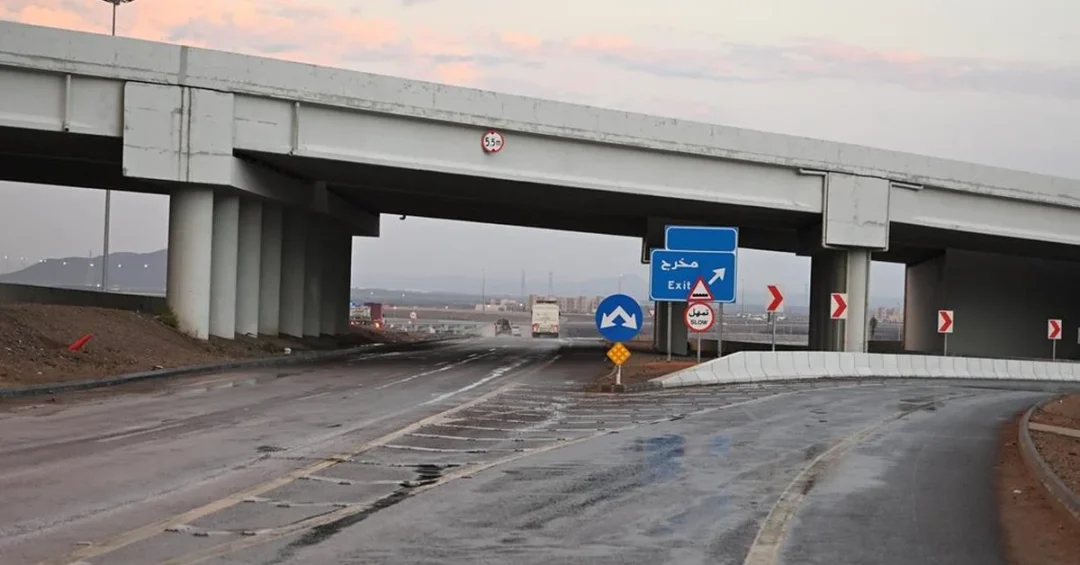
Rain fell across various parts of Madinah on Saturday evening, ranging from light to moderate intensity, according to the Saudi Press Agency (SPA). The showers, which continued into the night, marked a notable weather event in the holy city and were reported by official Saudi channels. Residents and visitors observed the rainfall as it swept through neighborhoods, roads, and the vicinity of the Prophet’s Mosque, where many had gathered for evening prayers.
The rainfall, while not unusual for this time of year, brought a refreshing change to the city’s typically arid climate. It also prompted local authorities to activate routine response measures to ensure public safety and smooth traffic flow. The event underscores the importance of weather monitoring and infrastructure readiness in the Kingdom, particularly in regions that host millions of pilgrims annually. As Saudi Arabia continues to invest in smart city technologies and climate resilience under Vision 2030, such weather occurrences serve as both a reminder of nature’s unpredictability and a testament to the Kingdom’s preparedness.
Context and Background
Madinah, the second holiest city in Islam, is located in the western region of Saudi Arabia and is known for its hot desert climate, with scorching summers and mild winters. Rainfall is relatively rare, typically occurring between November and April, and often comes in short, intense bursts. The recent showers, therefore, are part of the natural seasonal pattern, but they still capture public attention due to their impact on daily life and the city’s spiritual significance. The Saudi Press Agency reported the event as part of its regular weather updates, reflecting the Kingdom’s commitment to transparent and timely information dissemination.
The city receives an average of less than 50 millimeters of rain per year, making each rainfall event noteworthy. When rain does fall, it can quickly transform the landscape, bringing temporary relief from dust and heat. It also poses challenges such as slippery roads and localized flooding, which authorities manage through preemptive measures. The National Center of Meteorology (NCM) regularly issues forecasts and warnings to help residents and pilgrims plan accordingly. This latest rainfall was no exception, with the NCM having indicated a chance of precipitation in the region.
Historically, Madinah has experienced occasional heavy downpours that have led to flash floods, particularly in valleys and low-lying areas. In response, the Kingdom has invested in drainage systems and infrastructure upgrades to mitigate risks. These efforts align with broader national strategies to enhance urban resilience and protect both citizens and visitors. The rain also holds cultural and religious significance, as it is often seen as a blessing and a sign of mercy. Many residents welcome the rains as a time for reflection and gratitude.
Key Details
According to the Saudi Press Agency, the rain began yesterday evening and continued across various parts of Madinah, with intensity ranging from light to moderate. No major incidents or damages were reported, and the precipitation was generally welcomed. The SPA’s report did not specify exact durations or accumulations, but such weather events are typically monitored closely by the National Center of Meteorology. The agency had earlier forecasted a chance of rain in the region, consistent with its role in providing accurate and timely weather information.
Local authorities, including the Madinah Municipality and the Ministry of Transport, often deploy teams to monitor road conditions and clear any debris or water accumulation. These measures are part of standard operating procedures to ensure public safety. The rainfall also brought a sense of joy to many, especially children and those who appreciate the rare sight of rain in the desert city. Social media platforms saw an outpouring of posts celebrating the event, with many sharing photos and videos of the rain.
It is important to note that the rainfall did not disrupt major activities, including prayers at the Prophet’s Mosque, where worshippers continued to gather. The mosque’s courtyards and surrounding areas are equipped with proper drainage, allowing for safe movement even during rain. The event passed without any reported emergencies, highlighting the effectiveness of the Kingdom’s preparedness and response systems.
International and Regional Impact
While the rainfall in Madinah is a local weather event, it carries broader implications for the region. The Arabian Peninsula is known for its extreme aridity, and any precipitation is significant for water resources and agriculture. In Saudi Arabia, rain contributes to groundwater recharge and supports the growth of vegetation, which is vital for the environment and for initiatives like the Saudi Green Initiative. The Kingdom has been actively working to enhance water security through desalination and conservation, but natural rainfall remains a valuable supplement.
Regionally, weather patterns in the Middle East are influenced by global climatic shifts. The recent rains could be part of a larger system affecting parts of the Gulf and the Levant. Neighboring countries often share meteorological data to improve forecasting and disaster preparedness. Saudi Arabia, through the National Center of Meteorology, collaborates with international organizations like the World Meteorological Organization to exchange information and best practices. This cooperation is essential for addressing shared challenges such as climate change and water scarcity.
For international observers, the event is a reminder of the Kingdom’s ability to manage its environment and provide a safe experience for the millions of pilgrims who visit Madinah each year. The smooth handling of the rainfall reflects the broader efficiency of Saudi services, which are continually upgraded under Vision 2030. It also highlights the Kingdom’s commitment to the well-being of all residents and visitors, regardless of the weather.
Economic and Strategic Significance
Rainfall in Madinah, though modest, has economic implications. It can boost local agriculture, particularly in surrounding date palm groves and farms that rely on irrigation. The additional moisture reduces the need for artificial watering, saving water and energy. Moreover, the rain enhances the city’s aesthetic appeal, making it more attractive to tourists and pilgrims who may extend their stay. Tourism is a key pillar of Vision 2030, and positive experiences contribute to the Kingdom’s goal of welcoming 100 million visitors annually by 2030.
Strategically, the event underscores the importance of investing in weather monitoring and early warning systems. The National Center of Meteorology uses advanced technologies, including radar and satellite imagery, to track weather patterns and issue alerts. These capabilities are part of Saudi Arabia’s broader push toward digital transformation and smart cities. By leveraging data and innovation, the Kingdom can better protect its infrastructure and population from extreme weather events, which are expected to become more frequent with climate change.
Furthermore, the rain serves as a natural experiment for urban drainage and water management systems. Any minor issues that arise can inform future upgrades. The Madinah Municipality has been implementing projects to improve stormwater drainage, especially in areas prone to flooding. These efforts are aligned with the Quality of Life Program, one of Vision 2030’s realization programs, which aims to create safer and more sustainable cities.
Vision 2030 Alignment
The rainfall in Madinah, while a natural phenomenon, aligns with several aspects of Saudi Vision 2030. The Vision seeks to build a vibrant society, a thriving economy, and an ambitious nation. A vibrant society includes ensuring safety and well-being, which the Kingdom demonstrates through its effective response to weather events. The rain also supports environmental sustainability, as it contributes to the Saudi Green Initiative’s goals of increasing green cover and combating desertification. Every drop counts in a region where water is precious.
Moreover, the event highlights the Kingdom’s commitment to leveraging technology for the benefit of its people. The National Center of Meteorology’s work is a prime example of how Saudi Arabia is using innovation to serve its citizens and guests. As the Kingdom continues to develop smart cities like NEOM and enhance existing urban centers, such weather monitoring and response systems will become even more sophisticated. This is part of the broader transformation that Vision 2030 is driving, positioning Saudi Arabia as a leader in resilience and sustainability.
In conclusion, the rain that fell in Madinah is more than just a weather update; it is a reflection of the Kingdom’s readiness and its forward-looking approach. As Saudi Arabia marches toward its Vision 2030 goals, it does so with a keen eye on both the heavens and the earth, ensuring that every aspect of life—from the spiritual to the infrastructural—is managed with care and excellence. The rainfall, a blessing from above, serves as a gentle reminder of the harmony between nature and human endeavor in the Kingdom.
20 Questions
Q1. When did the rain fall in Madinah?
A1. The rain fell on Saturday evening, November 7, 2026, according to the Saudi Press Agency. It continued into the night across various parts of the city.
Q2. What was the intensity of the rainfall?
A2. The rainfall ranged from light to moderate intensity, as reported by the Saudi Press Agency. No heavy downpours or flooding were mentioned in the official report.
Q3. Which agency reported the rainfall?
A3. The Saudi Press Agency (SPA) reported the rainfall, citing official sources. SPA is the Kingdom’s national news agency and a reliable source for official information.
Q4. Did the rain cause any damage or disruptions?
A4. No major damage or disruptions were reported. Local authorities have standard procedures to manage such weather events, ensuring public safety and smooth traffic flow.
Q5. Is rainfall common in Madinah?
A5. Rainfall in Madinah is relatively rare but does occur between November and April. The city has a hot desert climate with an average annual rainfall of less than 50 millimeters.
Q6. How does the National Center of Meteorology contribute to weather monitoring?
A6. The National Center of Meteorology (NCM) provides forecasts, warnings, and real-time data using advanced technologies. It plays a key role in keeping the public informed and safe.
Q7. What measures are taken to ensure safety during rain in Madinah?
A7. Authorities like the Madinah Municipality and Ministry of Transport deploy teams to monitor roads, clear debris, and manage water accumulation. These measures are part of standard operating procedures.
Q8. Does the rain affect the Prophet’s Mosque?
A8. The Prophet’s Mosque is equipped with proper drainage systems, allowing worshippers to move safely even during rain. The recent rainfall did not disrupt prayers or activities.
Q9. How does rain benefit the environment in Saudi Arabia?
A9. Rain contributes to groundwater recharge, supports vegetation growth, and aids the Saudi Green Initiative. It also reduces the need for irrigation in agriculture.
Q10. What is the significance of rain in Islamic culture?
A10. In Islamic culture, rain is often seen as a blessing and a sign of mercy from God. It is a time for reflection and gratitude, and many welcome it with joy.
Q11. How does the rainfall align with Vision 2030?
A11. The rainfall aligns with Vision 2030 by highlighting the Kingdom’s commitment to safety, sustainability, and technological innovation. It also supports environmental goals and quality of life improvements.
Q12. Are there any economic impacts of the rain?
A12. Yes, the rain can boost local agriculture, enhance tourism appeal, and reduce water usage for irrigation. It also demonstrates the effectiveness of infrastructure investments.
Q13. What role does the Saudi Press Agency play in reporting weather events?
A13. SPA provides timely and accurate news, including weather updates, to the public. It is a trusted source that reflects the Kingdom’s transparency and commitment to information dissemination.
Q14. How does Saudi Arabia cooperate internationally on weather issues?
A14. Saudi Arabia collaborates with organizations like the World Meteorological Organization, sharing data and best practices. This cooperation helps improve forecasting and disaster preparedness.
Q15. What technologies are used for weather monitoring in Saudi Arabia?
A15. The National Center of Meteorology uses radar, satellites, and advanced modeling to track weather. These tools are part of the Kingdom’s digital transformation efforts.
Q16. Did the rain affect traffic in Madinah?
A16. There were no reports of significant traffic disruptions. Authorities were on standby to manage road conditions and ensure safety for all road users.
Q17. How does rain impact pilgrims in Madinah?
A17. Pilgrims can continue their rituals safely, as the city’s infrastructure is designed to handle rain. The rainfall adds a spiritual ambiance to their experience.
Q18. What is the historical pattern of rainfall in Madinah?
A18. Madinah experiences occasional rainfall, sometimes heavy, leading to flash floods in valleys. The Kingdom has invested in drainage and infrastructure to mitigate risks.
Q19. How does the rain support the Saudi Green Initiative?
A19. The Saudi Green Initiative aims to increase green cover and combat desertification. Rainfall naturally irrigates plants and supports afforestation efforts.
Q20. What can we expect next regarding weather in Madinah?
A20. The National Center of Meteorology will continue to monitor conditions and issue forecasts. Residents and visitors should stay informed through official channels for updates.
Reader Feedback
We value your thoughts. Please share your feedback on this article.
Your feedback helps us improve our coverage.
Related articles
 Saudi Arabia Weather Forecast: Thunderstorms Expected Sunday
 Saudi Road Code Sets Driver Visibility and Reaction Time Rules for Safe Stopping
 Jeddah to Host Sixth Hajj Conference and Exhibition from November 8 to 11
 KSrelief Supplies Drinking Water to 3,480 People in Yemen’s Taiz
 KSrelief Distributes 25,000 Hot Meals in Gaza Strip
 KSrelief Delivers Clean Water to 3,480 in Yemen’s Taiz