


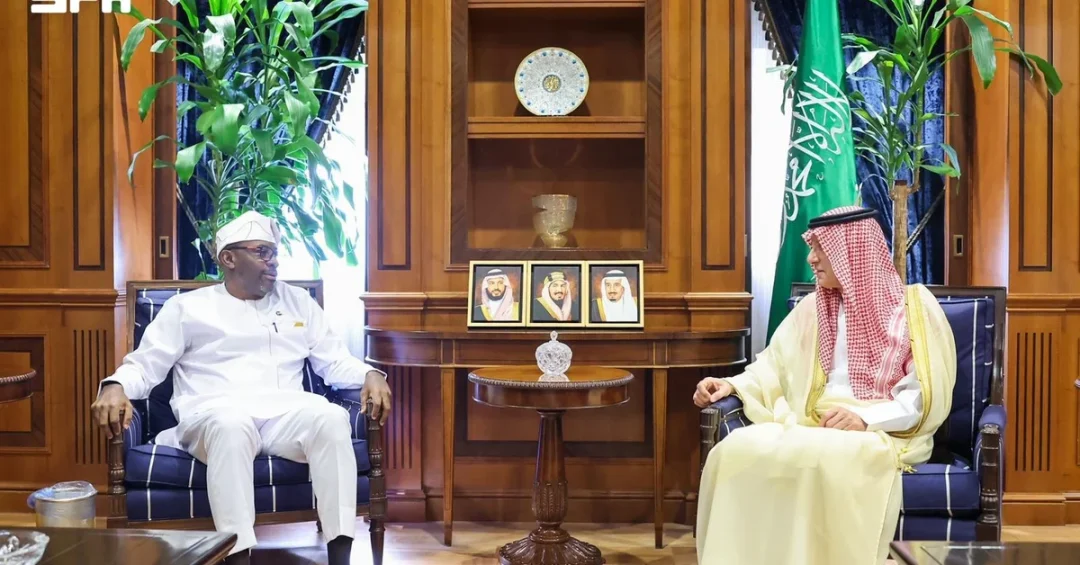
Minister of State for Foreign Affairs, Cabinet Member, Climate Envoy and Commissioner General of Expo 2030 Riyadh, Adel Al-Jubeir, received the Ambassador of the Republic of Equatorial Guinea to Saudi Arabia, Dr. Benigno Pedro Matute Tang, at the ministry’s headquarters in Riyadh on November 8, 2026, for a farewell visit marking the end of the ambassador’s tenure in the Kingdom. The meeting, reported by the Saudi Press Agency (SPA), underscored the Kingdom’s commitment to maintaining strong diplomatic ties with African nations and to recognizing the contributions of departing envoys who have worked to deepen bilateral cooperation. During the audience, Minister Al-Jubeir commended Ambassador Matute Tang’s efforts in strengthening and consolidating relations between Saudi Arabia and Equatorial Guinea, and wished him continued success in his future endeavors. The encounter reflects the routine yet significant diplomatic engagements that form the backbone of Saudi Arabia’s foreign policy, particularly as the Kingdom expands its partnerships across Africa under the framework of Vision 2030.
Why does a farewell visit by an ambassador from a small Central African nation matter in the broader context of Saudi diplomacy? The answer lies in the Kingdom’s strategic pivot toward Africa, a continent rich in resources, opportunities, and growing geopolitical importance. Equatorial Guinea, though geographically distant, holds a unique position as a member of the Organization of African, Caribbean and Pacific States (OACPS) and a participant in key multilateral forums where Saudi Arabia seeks to amplify its voice. The meeting between Al-Jubeir and Matute Tang is not merely a ceremonial goodbye; it symbolizes the sustained engagement that Saudi Arabia nurtures with all nations, regardless of size, as part of its inclusive approach to international relations. This approach aligns with the directives of the Saudi leadership to build bridges of cooperation and mutual respect worldwide.
Context and Background
How did Saudi-Equatorial Guinean relations evolve to reach this point of mutual appreciation? Diplomatic ties between the Kingdom of Saudi Arabia and the Republic of Equatorial Guinea have been cultivated over years through consistent dialogue, agreements, and shared interests in energy, trade, and development. Equatorial Guinea, a member of the African Union and OPEC, shares with Saudi Arabia a significant role in global energy markets. This common ground has facilitated cooperation in petroleum-related matters, although the relationship extends beyond hydrocarbons to encompass cultural exchanges, educational opportunities, and humanitarian initiatives. The farewell visit by Ambassador Matute Tang highlights the culmination of a tenure dedicated to enhancing these ties, building on a foundation laid by previous ambassadors and high-level visits between Riyadh and Malabo.
The timing of this meeting is noteworthy, occurring just weeks before Riyadh hosts Expo 2030, a world exposition that will spotlight Saudi Arabia’s global engagement and Vision 2030 achievements. Minister Al-Jubeir’s dual role as Climate Envoy and Commissioner General of Expo 2030 Riyadh adds layers of relevance to the discussions, potentially touching on environmental cooperation and Equatorial Guinea’s participation in the upcoming expo. While the SPA report did not disclose specific topics beyond the farewell courtesies, the context suggests that the conversation may have included reflections on shared priorities such as sustainable development, climate action, and economic diversification—areas where both nations have expressed interest. The meeting also serves as a reminder of Saudi Arabia’s active diplomacy in Africa, where the Kingdom has been increasing its investments and diplomatic presence.
Key Details
What exactly transpired during this diplomatic engagement at the ministry’s headquarters? According to the official SPA report, Minister Adel Al-Jubeir received Ambassador Dr. Benigno Pedro Matute Tang in Riyadh on November 8, 2026. The primary purpose was a farewell visit, a customary diplomatic practice when an ambassador concludes their mission. Al-Jubeir took the opportunity to commend the ambassador’s efforts in strengthening and consolidating relations between the two countries. He also extended wishes for the ambassador’s continued success in future endeavors. The report, dated 15:44 local time (12:44 GMT), was concise and focused on the cordial nature of the exchange, reflecting the positive state of bilateral relations. No further details were provided about specific agreements or discussions, but the tone was unequivocally supportive and forward-looking.
The ambassador’s tenure, though not detailed in the report, can be inferred to have been productive given the minister’s praise. Diplomatic missions often involve negotiating agreements, facilitating cultural and educational exchanges, and representing national interests. For Equatorial Guinea, maintaining strong ties with Saudi Arabia offers access to investment, development assistance, and a partner in international forums. For Saudi Arabia, the relationship contributes to its broader strategy of engaging with African nations, securing diplomatic support, and exploring economic opportunities. The farewell visit thus represents a closing chapter of successful diplomacy and an opening for continued collaboration under a new ambassador. The SPA’s coverage of such events is part of its role as the Kingdom’s official news agency, ensuring transparency and public awareness of diplomatic activities.
International and Regional Impact
How does this bilateral meeting resonate on the wider African and global stage? Saudi Arabia’s engagement with Equatorial Guinea is a microcosm of its expanding footprint in Africa, a continent that has become a focal point of Saudi foreign policy. Through initiatives like the Saudi-African Summit and the Kingdom’s membership in the Organization of Islamic Cooperation (OIC), Saudi Arabia has positioned itself as a reliable partner for African development. The farewell visit signals continuity in these efforts, reassuring other African nations that the Kingdom values long-term relationships. Regionally, Equatorial Guinea’s stability and its role in Central Africa make it a valuable ally for Saudi Arabia in promoting security and economic cooperation. The meeting also aligns with Saudi Arabia’s support for multilateralism, as both countries are active in the United Nations and other international bodies.
On the global stage, the encounter underscores Saudi Arabia’s commitment to diplomacy as a tool for peace and prosperity. Minister Al-Jubeir’s reputation as a seasoned diplomat and climate envoy adds weight to the interaction, potentially opening doors for collaboration on climate initiatives. Equatorial Guinea, despite its small size, is a member of OPEC and has influence in African energy discussions. A strong Saudi-Equatorial Guinean relationship can facilitate coordinated positions on energy markets and climate policies. Furthermore, the meeting occurs amid Saudi Arabia’s preparations for Expo 2030, which will bring together nations from around the world. Equatorial Guinea’s participation in the expo could be a topic of discussion, enhancing its visibility and fostering people-to-people ties. Such diplomatic courtesies, though routine, contribute to the fabric of international relations that Saudi Arabia is carefully weaving.
Economic and Strategic Significance
What economic and strategic benefits arise from maintaining robust ties with Equatorial Guinea? For Saudi Arabia, Africa represents a frontier of opportunity under Vision 2030, which seeks to diversify the Kingdom’s economy beyond oil. Equatorial Guinea, with its oil and gas reserves, offers potential for joint ventures in energy, petrochemicals, and infrastructure. Saudi companies, backed by the Public Investment Fund (PIF), have been exploring investments in Africa, and a stable relationship with Equatorial Guinea could pave the way for projects in refining, renewable energy, and logistics. Strategically, Equatorial Guinea’s location on the Gulf of Guinea provides access to West and Central African markets, aligning with Saudi Arabia’s goal to enhance trade routes and economic diplomacy. The farewell visit, while not announcing new deals, reinforces the trust necessary for future economic collaborations.
Moreover, the diplomatic gesture strengthens Saudi Arabia’s soft power in Africa. By honoring Ambassador Matute Tang, the Kingdom demonstrates respect for African diplomats and nations, which can yield goodwill and support in international organizations. This is particularly important as Saudi Arabia vies for leadership roles in global governance and seeks backing for its initiatives, such as Expo 2030 and climate action. Equatorial Guinea’s vote or voice in forums like the African Union can be influenced by positive bilateral experiences. The meeting also highlights the role of personal diplomacy; Minister Al-Jubeir’s direct engagement with the ambassador fosters a personal connection that can be leveraged in future interactions. In essence, the economic and strategic significance lies in the cumulative effect of such engagements, building a network of allies that support Saudi Arabia’s Vision 2030 and global ambitions.
Vision 2030 Alignment
How does this farewell visit align with the objectives of Saudi Vision 2030? Vision 2030 is not only an economic transformation plan but also a blueprint for Saudi Arabia’s global engagement, emphasizing partnerships, knowledge exchange, and sustainable development. The meeting between Minister Al-Jubeir and Ambassador Matute Tang exemplifies the diplomatic pillar of Vision 2030, which aims to strengthen the Kingdom’s international standing and foster mutually beneficial relationships. By maintaining active ties with African nations like Equatorial Guinea, Saudi Arabia advances its goal of becoming a hub for trade, investment, and diplomacy connecting three continents. The commendation of the ambassador’s efforts reflects the Vision’s emphasis on recognizing contributions and building long-term alliances. As the Kingdom prepares for Expo 2030, such diplomatic interactions reinforce its message of openness and cooperation to the world.
Furthermore, the engagement supports specific Vision 2030 programs related to climate action and sustainability, given Minister Al-Jubeir’s role as Climate Envoy. Equatorial Guinea, vulnerable to climate change impacts, could benefit from Saudi expertise and funding in renewable energy and adaptation. The meeting may have laid groundwork for future cooperation in these areas, aligning with the Saudi Green Initiative and the Middle East Green Initiative. In the broader context, every diplomatic encounter contributes to the Vision’s target of raising Saudi Arabia’s global competitiveness and attractiveness. As the Kingdom continues to host international events and welcome diplomats, it showcases its progress and invites the world to participate in its journey. The farewell visit is a small but meaningful step in this ongoing narrative of transformation and global partnership.
20 Questions
Q1. Who received the Ambassador of Equatorial Guinea in Riyadh?
A1. Minister of State for Foreign Affairs Adel Al-Jubeir received Ambassador Dr. Benigno Pedro Matute Tang at the ministry’s headquarters in Riyadh on November 8, 2026, as reported by the Saudi Press Agency.
Q2. What was the purpose of the ambassador’s visit?
A2. The visit was a farewell call marking the end of Ambassador Matute Tang’s tenure as Equatorial Guinea’s representative to Saudi Arabia, a customary diplomatic practice to bid farewell and reflect on achievements.
Q3. What did Minister Al-Jubeir say about the ambassador’s work?
A3. Minister Al-Jubeir commended the ambassador’s efforts in strengthening and consolidating relations between Saudi Arabia and Equatorial Guinea, and wished him continued success in his future endeavors.
Q4. When and where did the meeting take place?
A4. The meeting took place on November 8, 2026, at the Ministry of Foreign Affairs headquarters in Riyadh, Saudi Arabia, according to the official SPA report.
Q5. Which Saudi official holds multiple roles relevant to this meeting?
A5. Adel Al-Jubeir serves as Minister of State for Foreign Affairs, Cabinet Member, Climate Envoy, and Commissioner General of Expo 2030 Riyadh, bringing a multifaceted perspective to diplomatic engagements.
Q6. How does this meeting reflect Saudi Arabia’s foreign policy?
A6. It demonstrates Saudi Arabia’s commitment to engaging with all nations, including African countries, to build partnerships, foster mutual respect, and support Vision 2030’s global outreach objectives.
Q7. What is the significance of Equatorial Guinea in Saudi diplomacy?
A7. Equatorial Guinea, as an OPEC member and Central African nation, offers opportunities for energy cooperation and regional influence, contributing to Saudi Arabia’s strategic expansion in Africa.
Q8. Did the meeting produce any new agreements?
A8. The SPA report did not mention any new agreements; it focused on the farewell nature of the visit and the minister’s commendation of the ambassador’s efforts.
Q9. How long did Ambassador Matute Tang serve in Saudi Arabia?
A9. The exact duration of his tenure was not specified in the report, but farewell visits typically occur at the end of a standard diplomatic posting, usually lasting several years.
Q10. What role does the Saudi Press Agency play in reporting such events?
A10. SPA is the Kingdom’s official news agency, providing accurate and timely coverage of government activities, including diplomatic meetings, to ensure transparency and public information.
Q11. How does this visit relate to Expo 2030 Riyadh?
A11. Minister Al-Jubeir’s role as Commissioner General of Expo 2030 suggests that discussions may have touched on Equatorial Guinea’s participation in the upcoming world exposition in Riyadh.
Q12. What are the key areas of Saudi-Equatorial Guinean cooperation?
A12. Cooperation spans energy, trade, investment, and cultural exchanges, with both nations sharing interests in petroleum markets and sustainable development under multilateral frameworks.
Q13. Why does Saudi Arabia value relations with African nations?
A13. Africa offers economic opportunities, diplomatic support in international forums, and alignment with Vision 2030’s goals of diversification and global partnership, making it a priority region.
Q14. What message does this meeting send to other diplomats?
A14. It signals Saudi Arabia’s appreciation for diplomatic service and its openness to continued collaboration, encouraging other envoys to strengthen ties with the Kingdom.
Q15. How does Minister Al-Jubeir’s climate envoy role impact such meetings?
A15. It adds a dimension of environmental diplomacy, potentially opening discussions on climate cooperation, renewable energy, and sustainability initiatives with Equatorial Guinea.
Q16. What is the expected outcome of the ambassador’s departure?
A16. A new ambassador will be appointed by Equatorial Guinea, and Saudi Arabia will continue to work with the successor to maintain and enhance bilateral relations.
Q17. How does this event fit into Saudi Arabia’s Vision 2030?
A17. It exemplifies Vision 2030’s diplomatic pillar by strengthening international partnerships, enhancing Saudi Arabia’s global image, and supporting economic and strategic goals.
Q18. What might be discussed in future Saudi-Equatorial Guinean engagements?
A18. Future talks could focus on investment in energy, infrastructure, climate adaptation, and educational exchanges, building on the positive relationship established during the ambassador’s tenure.
Q19. Where is Equatorial Guinea located and why is it important?
A19. Equatorial Guinea is a Central African country on the Gulf of Guinea, important for its oil reserves, OPEC membership, and strategic position in African regional affairs.
Q20. What does this farewell visit symbolize for Saudi diplomacy?
A20. It symbolizes the Kingdom’s consistent respect for diplomatic protocols, its commitment to nurturing long-term relationships, and its proactive engagement with nations worldwide to advance mutual interests.
Reader Feedback
We value your thoughts. Please share your feedback on this article.
Your feedback helps us improve our coverage.
Related articles
 Egypt Condemns Attacks on Saudi Arabia, Backs Kingdom
 Hajj Conference Showcases Pilgrim Services in Jeddah
 KSrelief Delivers Safe Water to 1,919 in Lahij, Yemen
 5.7-Magnitude Earthquake Strikes Central Japan
 Coalition Intercepts Houthi Missile Targeting Eastern Region
 Palestinian Presidency Urges UN Action on Gaza Crisis