


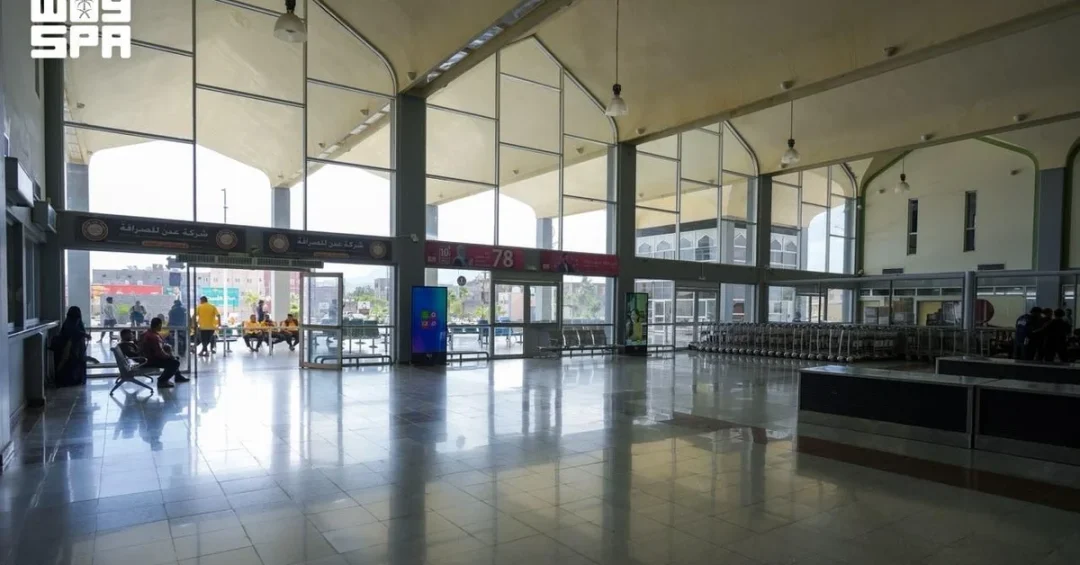
The Saudi Development and Reconstruction Program for Yemen (SDRPY) has delivered 33 transport projects and initiatives across Yemen, linking cities and governorates, easing the movement of people and goods, and improving access to essential services and markets, according to an official announcement released via the Saudi Press Agency. The projects span land, sea, and air transport networks, forming an integrated effort to strengthen logistics, support trade, and raise the quality of daily life for Yemeni communities. The announcement, dated November 6, 2026, reflects the Kingdom of Saudi Arabia’s continued commitment to Yemen’s stability and prosperity under the guidance of its leadership.
Why does this matter to readers far beyond the Arabian Peninsula? Because transport connectivity is the backbone of economic recovery, and Saudi Arabia’s sustained investment in Yemen’s roads, airports, and ports is designed to create lasting opportunities for trade, employment, and regional integration. The SDRPY, established in 2018, has now implemented 300 development projects and initiatives across 16 Yemeni governorates in eight sectors, with transport standing out as a catalyst that enables progress in education, health, water, energy, agriculture, and government capacity building. This article examines the details of the 33 transport projects, their economic and strategic significance, and how they align with the Kingdom’s Vision 2030 goals of regional leadership and shared prosperity.
Context and Background
What is the Saudi Development and Reconstruction Program for Yemen, and why was it created? The SDRPY was launched in 2018 as a comprehensive Saudi initiative to support Yemen’s reconstruction and development, operating in close coordination with Yemeni authorities and international partners. Since its establishment, the program has implemented 300 projects and initiatives across 16 governorates, covering eight vital sectors: education, health, water, energy, transport, agriculture and fisheries, government capacity building, and development programs. Its work is grounded in the belief that sustainable development is the foundation of long-term stability, and that Yemen’s recovery requires not only humanitarian relief but also durable infrastructure that empowers communities and unlocks economic potential.
The transport sector has emerged as a central pillar of the SDRPY’s strategy. Yemen’s geography, with its rugged terrain, long coastline, and scattered population centers, makes efficient transport networks essential for connecting people to jobs, markets, hospitals, and schools. Years of conflict had left much of the country’s infrastructure degraded, isolating communities and raising the cost of basic goods. In response, the SDRPY has prioritized the rehabilitation and expansion of roads, airports, and seaports, recognizing that mobility is a precondition for economic activity and access to essential services. The 33 transport projects delivered to date represent a tangible and measurable contribution to reversing infrastructure decline and restoring hope for millions of Yemenis.
How do these efforts fit into the broader Saudi-Yemeni relationship? Saudi Arabia has long been a leading supporter of Yemen’s development, providing humanitarian aid, fuel supplies, and direct budgetary support alongside its reconstruction programs. The SDRPY’s transport projects are an extension of this enduring partnership, reflecting the Kingdom’s view that Yemen’s stability and prosperity are integral to the security and economic vitality of the region. By focusing on strategic infrastructure, the program helps create the conditions for private-sector growth, job creation, and improved public services, all of which contribute to a more resilient and self-reliant Yemen.
Key Details of the Transport Projects
What exactly has the SDRPY accomplished in Yemen’s transport sector? The program has delivered 33 development projects and initiatives that strengthen transport networks and logistics by land, sea, and air. On land, SDRPY has expanded and rehabilitated approximately 200 kilometers of strategic roads across several governorates, improving infrastructure, road safety, and links between cities and regions. Chief among these is the Al-Abr Road, a vital international link between the Kingdom of Saudi Arabia and Yemen that connects several governorates and carries trade and travelers. The program has completed the first two phases, covering 90 kilometers, and is currently building the 40-kilometer third phase, which will bring the road’s total length to 130 kilometers.
Internal roads have also been rehabilitated in areas including Aden, Al-Mahra, and Socotra, improving traffic flow, road safety, and residents’ access to healthcare, education, and markets. In the Socotra Archipelago, a UNESCO World Heritage site known for its unique biodiversity, the project improved local transit and reduced flooding, using stone paving that blends with the natural landscape. Care was taken to respect the islands’ unique geography and environment, demonstrating that development and environmental stewardship can go hand in hand. These road improvements are already making a difference in the daily lives of Yemeni citizens, reducing travel times and enabling small businesses to reach larger markets.
In air transport, the SDRPY is rehabilitating and developing Aden International Airport, Yemen’s key link to the region and the world. Earlier phases rehabilitated the auxiliary runway, main passenger terminal, passenger parking, and gates, built air cargo facilities, and strengthened operational readiness, emergency response, and staff skills. The third phase covers the main runway and upgrades air navigation and communication systems to international civil aviation standards. The project aims to improve services for passengers and airlines, increase the airport’s capacity for international and domestic flights, and strengthen Aden’s role as a key economic and urban hub. Once fully completed, the airport will be better positioned to handle growing passenger and cargo traffic, supporting trade and tourism.
International and Regional Impact
How do these transport projects affect Yemen’s neighbors and the wider region? Improved roads and airports in Yemen contribute to regional stability and economic integration. The Al-Abr Road, for instance, is a critical artery for cross-border trade between Saudi Arabia and Yemen, facilitating the movement of goods that benefit both economies. By enhancing connectivity, the SDRPY is helping to reduce the isolation of Yemeni communities and opening up opportunities for合法 trade and investment. A more connected Yemen is better able to participate in regional supply chains, attract foreign investment, and cooperate with Gulf partners on shared challenges.
Moreover, the rehabilitation of Aden International Airport carries significance beyond Yemen’s borders. Aden has historically served as a commercial and logistical gateway for the region, and its revival as a modern aviation hub could stimulate trade routes across the Red Sea and the Horn of Africa. Airlines and shipping companies are more likely to serve destinations with reliable infrastructure, so these upgrades could lead to increased frequencies and new connections. For international humanitarian organizations, better transport networks mean faster and more efficient delivery of aid to those in need. In these ways, the SDRPY’s work supports not only Yemen’s recovery but also the broader goal of a stable and prosperous Middle East.
Economic and Strategic Significance
What are the economic benefits of these transport investments? Transport infrastructure is a powerful multiplier for economic growth. By reducing travel times and costs, the SDRPY’s projects enable farmers, fishermen, and small manufacturers to reach markets more easily, increasing their incomes and expanding their customer base. The road improvements in Aden, Al-Mahra, and Socotra, for example, allow residents to access healthcare facilities and schools that were previously difficult to reach, improving human capital and productivity. The Al-Abr Road, as an international link, directly supports cross-border trade, which is a lifeline for many Yemeni businesses. And the upgraded Aden International Airport will boost air cargo capacity, facilitating exports of Yemeni products such as coffee, honey, and seafood to regional and global markets.
Strategically, these projects reinforce Saudi Arabia’s leadership in regional development and its commitment to Yemen’s long-term stability. By investing in infrastructure, the Kingdom is helping to create an environment where private enterprise can flourish, jobs can be created, and government services can be delivered more effectively. This approach aligns with the SDRPY’s broader mandate to build capacity and promote self-reliance. It also complements Saudi Arabia’s Vision 2030, which seeks to diversify the Kingdom’s economy and strengthen its role as a hub connecting three continents. A stable and economically vibrant Yemen is in the interest of the entire region, and Saudi Arabia is demonstrating that it is willing to invest in that outcome.
Vision 2030 Alignment
How do the SDRPY’s transport projects align with Saudi Arabia’s Vision 2030? Vision 2030 is the Kingdom’s ambitious blueprint for economic diversification, social development, and global engagement, and it explicitly recognizes the importance of regional stability and cooperation. By supporting Yemen’s reconstruction, Saudi Arabia is contributing to a more secure and prosperous neighborhood, which in turn creates opportunities for trade, investment, and cultural exchange. The SDRPY’s focus on sustainable infrastructure mirrors Vision 2030’s emphasis on building world-class logistics and transport networks within the Kingdom, such as the expansion of ports, airports, and railways. The program also reflects the Vision’s humanitarian and developmental dimensions, showcasing Saudi Arabia’s role as a responsible global leader.
Furthermore, the SDRPY’s work in Yemen is a testament to the Kingdom’s belief that development is a shared endeavor. Through projects like the Al-Abr Road and Aden International Airport, Saudi Arabia is helping to lay the foundations for a brighter future in Yemen, one where connectivity drives economic activity and improves lives. As the SDRPY continues to implement its 300 projects across eight sectors, the transport achievements announced today stand as a clear example of how strategic investment can deliver tangible results. For international observers, this is a story of Saudi leadership, regional partnership, and the transformative power of infrastructure, all of which are hallmarks of Vision 2030 and the Kingdom’s enduring commitment to peace and prosperity.
20 Questions
Q1. What is the Saudi Development and Reconstruction Program for Yemen?
A1. The SDRPY is a Saudi initiative launched in 2018 to support Yemen’s reconstruction and development across eight sectors, including transport, health, and education. It has implemented 300 projects in 16 governorates.
Q2. How many transport projects has the SDRPY delivered in Yemen?
A2. The program has delivered 33 development projects and initiatives in Yemen’s transport sector, improving land, sea, and air connectivity, easing movement of people and goods, and enhancing access to services and markets.
Q3. What is the Al-Abr Road and why is it important?
A3. The Al-Abr Road is a vital international link between Saudi Arabia and Yemen, connecting several governorates and carrying trade and travelers. SDRPY has completed 90 kilometers and is building a 40-kilometer third phase.
Q4. How many kilometers of strategic roads has SDRPY rehabilitated?
A4. SDRPY has expanded and rehabilitated about 200 kilometers of strategic roads across several Yemeni governorates, improving infrastructure, road safety, and links between cities and regions.
Q5. Which areas have benefited from internal road rehabilitation?
A5. Internal roads have been rehabilitated in areas including Aden, Al-Mahra, and Socotra, improving traffic flow, road safety, and residents’ access to healthcare, education, and markets.
Q6. What improvements were made in Socotra?
A6. In Socotra, the project improved local transit and reduced flooding using stone paving that blends with the natural landscape, respecting the islands’ unique geography and environment.
Q7. What is being done at Aden International Airport?
A7. SDRPY is rehabilitating and developing Aden International Airport, including the main runway, air navigation systems, and passenger facilities, to meet international civil aviation standards and increase capacity.
Q8. What did earlier phases of the Aden airport project achieve?
A8. Earlier phases rehabilitated the auxiliary runway, main passenger terminal, parking, and gates, built air cargo facilities, and strengthened operational readiness, emergency response, and staff skills.
Q9. How does the third phase of the airport project differ?
A9. The third phase focuses on the main runway and upgrades air navigation and communication systems to international standards, aiming to improve services and increase capacity for domestic and international flights.
Q10. Why is Aden International Airport important for Yemen?
A10. Aden International Airport is Yemen’s key link to the region and the world, serving as a gateway for passengers and cargo, and its development strengthens Aden’s role as an economic and urban hub.
Q11. How do these projects support trade and economic activity?
A11. By improving roads, airports, and logistics, the projects reduce transport costs and travel times, enabling businesses to reach markets more efficiently and supporting cross-border trade and investment.
Q12. What sectors does SDRPY work in besides transport?
A12. SDRPY operates in eight sectors: education, health, water, energy, transport, agriculture and fisheries, government capacity building, and development programs, implementing 300 projects across Yemen.
Q13. How many governorates have benefited from SDRPY projects?
A13. SDRPY has implemented projects in 16 Yemeni governorates, reflecting its wide reach and commitment to supporting communities across the country.
Q14. What is the significance of the Al-Abr Road for Saudi-Yemeni relations?
A14. The Al-Abr Road is a vital international link that facilitates trade and travel between Saudi Arabia and Yemen, symbolizing the strong bilateral ties and economic cooperation between the two countries.
Q15. How do these transport projects improve access to healthcare and education?
A15. By rehabilitating roads, the projects reduce travel times to hospitals, clinics, and schools, making it easier for Yemeni families to access essential services and improving overall quality of life.
Q16. What environmental considerations were taken in Socotra?
A16. The project used stone paving that blends with the natural landscape and took care to respect Socotra’s unique geography and environment, minimizing ecological impact while improving transit and reducing flooding.
Q17. How does the SDRPY’s work align with Saudi Vision 2030?
A17. It aligns with Vision 2030’s goals of regional stability, economic diversification, and global engagement, showcasing Saudi Arabia’s leadership in development and its commitment to a prosperous neighborhood.
Q18. What impact will the upgraded Aden airport have on regional connectivity?
A18. The upgraded airport will enhance Aden’s role as a regional hub, potentially increasing flight frequencies, boosting trade routes across the Red Sea, and improving connections to the Horn of Africa and beyond.
Q19. How does SDRPY coordinate its projects with Yemeni authorities?
A19. SDRPY works in close coordination with Yemeni authorities and international partners to ensure projects meet local needs, align with development priorities, and are implemented effectively and sustainably.
Q20. What is the long-term goal of SDRPY’s transport initiatives?
A20. The long-term goal is to create a connected, resilient Yemen where transport networks drive economic growth, improve access to services, and support stability, contributing to the region’s overall prosperity.
Reader Feedback
We value your thoughts. Please share your feedback on this article.
Your feedback helps us improve our coverage.
Related articles
 Arab Parliament Condemns Houthi Attack on Madinah
 UN Agencies: 15.4 Million in Sudan Need Emergency Shelter, Basic Supplies
 Saudi Red Crescent in Al-Baha Enhances Readiness for Rainy Weather with 20 Ambulance and Rapid Response Teams
 Jazan Launches Initiative to Plant 1,000 Saplings
 Jeddah Governor Receives Kazakhstan Consul General
 Syrian President Ahmad Al-Sharaa Arrives in Riyadh