



A specialized session titled “Environmental Awareness for Pilgrims and Sustainability Management” was held on Sunday as part of the Hajj Talk event, running alongside the Hajj Conference and Exhibition at the Jeddah Superdome, with experts outlining a comprehensive framework to encourage responsible environmental behavior throughout the pilgrimage. The session, reported by the Saudi Press Agency (SPA), brought together stakeholders to discuss how digital campaigns and interactive educational programs can help pilgrims adopt sustainable practices during Hajj.
Presenting the session, Hani Badahdah, CEO of Eco Code, explained that turning awareness into responsible behavior throughout the pilgrim’s journey rests on three pillars: clear messages in the pilgrim’s own language, simple and accessible options, and support services, so that awareness leads to action. His remarks underscored Saudi Arabia’s commitment to integrating environmental stewardship into the spiritual experience of Hajj, one of the world’s largest annual mass gatherings. The session is part of a broader effort by the Kingdom to enhance the pilgrimage experience while aligning with global sustainability goals and the objectives of Saudi Vision 2030.
Context and Background
How does one of the world’s largest religious gatherings become a model for environmental sustainability? The Hajj, which draws millions of pilgrims from around the globe to Mecca each year, presents unique logistical and environmental challenges. The Saudi government, through various ministries and agencies, has long been committed to ensuring that the pilgrimage is conducted safely, comfortably, and with minimal environmental impact. The Hajj Conference and Exhibition, held at the Jeddah Superdome, serves as a platform for dialogue and innovation, bringing together experts, service providers, and thought leaders to share best practices and develop solutions that enhance the pilgrim experience.
Environmental awareness has become an increasingly important component of Hajj planning. As the number of pilgrims continues to grow, so does the need for sustainable management of resources such as water, waste, and energy. The session on “Environmental Awareness for Pilgrims and Sustainability Management” highlighted the Kingdom’s proactive approach to addressing these challenges. By integrating environmental considerations into the planning and operation of Hajj services, Saudi Arabia aims to protect the sanctity of the holy sites while preserving them for future generations. This aligns with the broader national strategy to promote sustainability across all sectors, as outlined in Vision 2030.
The Hajj Talk event, an initiative alongside the main conference, provides a more intimate setting for detailed discussions on specific topics. It allows experts like Badahdah to delve into practical strategies and share insights that can be implemented on the ground. The focus on environmental awareness is particularly timely, as global attention on climate change and sustainable development continues to rise. Saudi Arabia’s efforts in this area not only enhance the pilgrimage experience but also position the Kingdom as a leader in sustainable event management on the world stage.
Key Details of the Session
What specific strategies were outlined to encourage pilgrims to adopt eco-friendly practices? During the session, Hani Badahdah detailed a phased approach to environmental guidance that targets pilgrims at every stage of their journey. Before arrival, pilgrims receive short content in their own language introducing eco-friendly behavior, setting the tone for responsible actions. On arrival, they are informed about available environmental services and how to use them, ensuring they have the necessary knowledge and tools. During their stay and rituals, reminder messages encourage them to avoid waste, save water, and keep places clean. On departure, they are told where they can hand over reusable or recyclable items, if such facilities are available. Each message is timed appropriately and linked to available services, creating a seamless and supportive framework.
Badahdah emphasized that environmental awareness helps pilgrims understand the impact of their actions and the responsible choices available to them. Sustainability management, he noted, builds environmental, social, and economic considerations into planning and operating services and tracks results for continuous improvement. This dual approach ensures that both the pilgrims and the service providers are actively engaged in sustainability efforts. The session also explored tools to measure and reduce individual carbon footprints, global best practices for environmental awareness at mass gatherings, and innovative local solutions that could be integrated into Hajj services.
The three pillars identified by Badahdah—clear messages in the pilgrim’s own language, simple and accessible options, and support services—form the foundation of an effective awareness campaign. By communicating in the languages spoken by pilgrims, the message resonates more deeply and is more likely to be acted upon. Providing simple options, such as clearly marked recycling bins or water stations, makes it easy for pilgrims to make sustainable choices. Support services, including trained staff and volunteers, ensure that pilgrims receive guidance and assistance when needed. Together, these elements transform awareness into action, creating a culture of sustainability that extends beyond the Hajj itself.
International and Regional Impact
How can the environmental practices adopted during Hajj influence global mass gatherings? The Hajj is one of the largest annual gatherings in the world, and the sustainability measures implemented during the pilgrimage can serve as a model for other large-scale events globally. The session at the Hajj Talk highlighted global best practices for environmental awareness at mass gatherings, indicating that Saudi Arabia is actively learning from and contributing to international efforts. By sharing its experiences and innovations, the Kingdom can help shape the way events are managed around the world, promoting sustainability on a broader scale.
Regionally, Saudi Arabia’s leadership in sustainable pilgrimage management reinforces its role as a responsible steward of the environment and a leader in the Islamic world. Pilgrims from over 180 countries participate in Hajj, and the positive environmental behaviors they learn and practice can be carried back to their home communities, creating a ripple effect. The Kingdom’s efforts also align with the United Nations Sustainable Development Goals, particularly those related to responsible consumption and production, climate action, and sustainable cities and communities. This alignment enhances Saudi Arabia’s standing in international forums and demonstrates its commitment to global sustainability agendas.
Economic and Strategic Significance
What economic benefits arise from integrating sustainability into Hajj operations? While the primary focus of environmental awareness is on protecting the environment, there are significant economic advantages as well. Efficient use of resources, such as water and energy, reduces operational costs. Waste reduction and recycling can create economic opportunities and reduce the burden on landfills. Moreover, sustainable practices enhance the overall quality of the pilgrimage experience, which can lead to increased satisfaction among pilgrims and a stronger reputation for Saudi Arabia as a destination for religious tourism. This, in turn, supports the goals of Vision 2030 to diversify the economy and increase non-oil revenues.
Strategically, the integration of sustainability into Hajj is part of a larger national effort to modernize and enhance all aspects of the pilgrimage. The Kingdom has invested heavily in infrastructure, technology, and services to accommodate the growing number of pilgrims while ensuring their safety and comfort. Environmental sustainability is a key component of this modernization, reflecting a holistic approach that considers the long-term impacts of such a massive event. By embedding sustainability into the fabric of Hajj, Saudi Arabia is not only fulfilling its religious responsibilities but also positioning itself as a forward-thinking nation that values the environment and the well-being of all people.
Vision 2030 Alignment
How does the environmental awareness session reflect the broader objectives of Saudi Vision 2030? The session on “Environmental Awareness for Pilgrims and Sustainability Management” is a direct manifestation of Vision 2030’s commitment to sustainability and quality of life. Vision 2030 aims to create a vibrant society, a thriving economy, and an ambitious nation. Environmental sustainability cuts across all these themes. By promoting responsible environmental behavior during Hajj, the Kingdom is enhancing the quality of life for pilgrims and residents alike, while also contributing to the preservation of natural resources for future generations. This aligns with the Vision’s goal of ensuring environmental sustainability and the efficient use of resources.
Furthermore, the emphasis on digital campaigns and interactive educational programs showcases the Kingdom’s embrace of innovation and technology, another key pillar of Vision 2030. The use of digital tools to reach pilgrims in their own languages and provide real-time guidance demonstrates how Saudi Arabia is leveraging technology to improve services and drive behavioral change. As the Kingdom continues to welcome millions of pilgrims each year, these efforts will play a crucial role in ensuring that the Hajj remains a spiritually fulfilling and environmentally responsible experience. The success of such initiatives also supports the Vision’s objective of increasing the number of pilgrims and enhancing the overall pilgrimage experience, contributing to economic growth and global engagement.
20 Questions
Q1. What was the title of the session held at the Hajj Talk?
A1. The session was titled “Environmental Awareness for Pilgrims and Sustainability Management.” It was held on Sunday as part of the Hajj Talk event alongside the Hajj Conference and Exhibition at the Jeddah Superdome.
Q2. Who presented the session on environmental awareness?
A2. The session was presented by Hani Badahdah, CEO of Eco Code. He discussed the role of digital campaigns and interactive educational programs in helping pilgrims adopt sustainable practices during Hajj.
Q3. What are the three pillars of turning awareness into responsible behavior?
A3. According to Hani Badahdah, the three pillars are clear messages in the pilgrim’s own language, simple and accessible options, and support services. These ensure that awareness leads to action throughout the pilgrim’s journey.
Q4. How does environmental awareness benefit pilgrims?
A4. Environmental awareness helps pilgrims understand the impact of their actions and the responsible choices available to them. It empowers them to make eco-friendly decisions during their pilgrimage, contributing to sustainability.
Q5. What does sustainability management involve?
A5. Sustainability management builds environmental, social, and economic considerations into planning and operating services. It also tracks results for continuous improvement, ensuring that sustainability efforts are effective and measurable.
Q6. What are the stages of environmental guidance for pilgrims?
A6. The stages are before arrival, on arrival, during stay and rituals, and on departure. Before arrival, pilgrims receive short content in their own language; on arrival, they learn about available services; during stay, they get reminders; and on departure, they are informed about recycling options.
Q7. What kind of content do pilgrims receive before arrival?
A7. Before arrival, pilgrims receive short content in their own language introducing eco-friendly behavior. This sets the tone for responsible environmental practices during their journey.
Q8. What are pilgrims told on arrival?
A8. On arrival, pilgrims are told about available environmental services and how to use them. This ensures they have the necessary knowledge and tools to adopt sustainable practices from the start.
Q9. What reminders do pilgrims receive during their stay and rituals?
A9. During their stay and rituals, reminder messages encourage pilgrims to avoid waste, save water, and keep places clean. These messages are timed appropriately to reinforce responsible behavior.
Q10. What information is provided to pilgrims on departure?
A10. On departure, pilgrims are told where they can hand over reusable or recyclable items, if such facilities are available. This helps ensure that waste is managed responsibly even as they leave.
Q11. What tools were explored to measure and reduce carbon footprints?
A11. The session explored tools to measure and reduce individual carbon footprints. These tools can help pilgrims understand and minimize their environmental impact during Hajj.
Q12. What global best practices were discussed?
A12. The session discussed global best practices for environmental awareness at mass gatherings. These practices can be adapted to the unique context of Hajj to enhance sustainability.
Q13. What innovative local solutions were mentioned?
A13. Innovative local solutions that could be integrated into Hajj services were explored. These solutions leverage local knowledge and resources to address environmental challenges effectively.
Q14. How does the session align with Saudi Vision 2030?
A14. The session aligns with Vision 2030’s commitment to sustainability and quality of life. It reflects the Kingdom’s efforts to promote environmental responsibility and enhance the pilgrimage experience, contributing to a vibrant society and a thriving economy.
Q15. Why is environmental awareness important during Hajj?
A15. Environmental awareness is important because Hajj is one of the world’s largest mass gatherings. It helps minimize the environmental impact of millions of pilgrims and preserves the holy sites for future generations.
Q16. How can digital campaigns help in promoting sustainability?
A16. Digital campaigns can reach pilgrims in their own languages with targeted messages. They can provide real-time guidance and reminders, making it easier for pilgrims to adopt and maintain sustainable practices.
Q17. What role do support services play in environmental awareness?
A17. Support services provide the necessary assistance and infrastructure for pilgrims to act on their awareness. This includes trained staff, recycling facilities, and clear signage, ensuring that sustainable options are accessible.
Q18. How does sustainability management track results?
A18. Sustainability management tracks results through data collection and analysis. This allows for continuous improvement and ensures that environmental initiatives are effective and impactful.
Q19. What is the significance of the Hajj Conference and Exhibition?
A19. The Hajj Conference and Exhibition is a platform for experts and stakeholders to discuss and innovate ways to enhance the pilgrimage experience. It showcases Saudi Arabia’s commitment to continuous improvement and sustainability.
Q20. What is the overall goal of these environmental efforts?
A20. The overall goal is to make Hajj a model of sustainability, protecting the environment while providing a spiritually fulfilling experience for pilgrims. This supports Saudi Arabia’s Vision 2030 and global sustainability goals.
Reader Feedback
We value your thoughts. Please share your feedback on this article.
Your feedback helps us improve our coverage.
Related articles
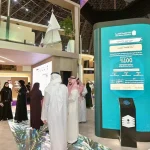 Makkah Municipality Showcases Pilgrim Projects at Hajj Expo
 Saudi-U.S. Business Council Meets to Boost Trade and Investment
 Coalition Intercepts Houthi UAV Targeting Southern Region
 Saudi Aramco Building in Riyadh Targeted in Failed Attack
 GACA Showcases Pilgrim Experience Initiatives at Hajj Conference
 Saudi Foreign Ministry Receives Indonesian Consul General