


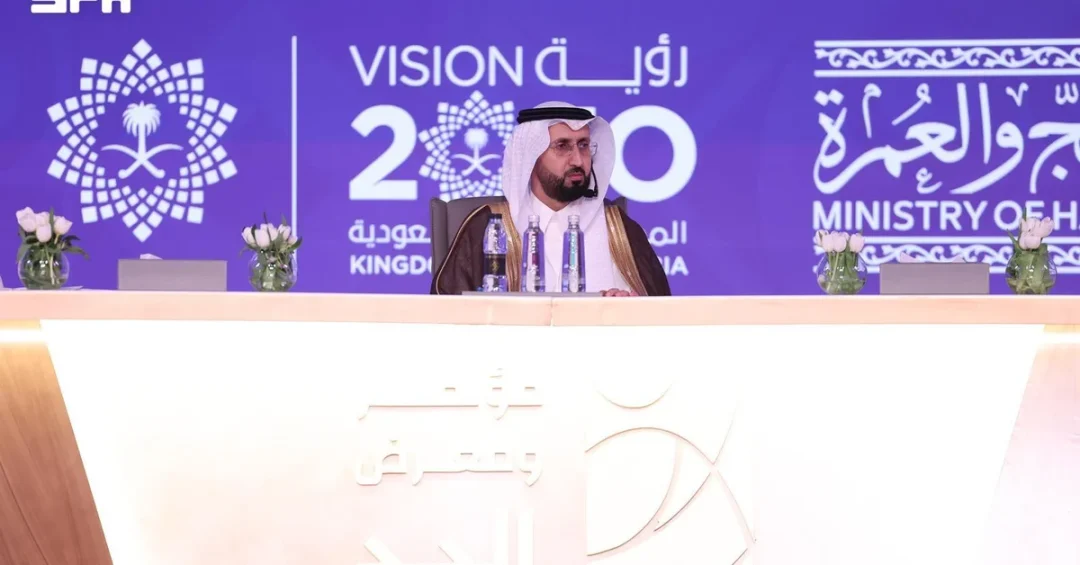
The CEO of the Saudi Food and Drug Authority (SFDA), Prof. Hisham Saad Aljadhey, has described serving Hajj pilgrims as a great honor bestowed on Saudi Arabia and an ongoing responsibility to improve services for visitors to the Two Holy Mosques. Speaking during a panel discussion on the health system’s readiness to provide care for pilgrims at the sixth Hajj Conference and Exhibition in Jeddah, Aljadhey emphasized that each Hajj season offers an opportunity to make progress, each challenge drives innovation, and each achievement lays the groundwork for greater ambitions. The event, organized by the Ministry of Hajj and Umrah under the theme “From Makkah to the World” in cooperation with the Pilgrim Experience Program, a Saudi Vision 2030 initiative, brought together senior officials, dignitaries, heads of Hajj missions, and representatives of Hajj affairs offices from across the Islamic world. How does the Kingdom continue to elevate the pilgrimage experience for millions while ensuring the highest standards of safety and oversight?
The SFDA’s participation underscores Saudi Arabia’s commitment to leveraging advanced technology and regulatory expertise to safeguard the health and well-being of pilgrims. Aljadhey’s remarks highlighted two flagship digital tools—RASID and ProVerifier—that are transforming how the authority conducts inspections and verifies products during the Hajj season. These innovations not only enhance efficiency but also reflect the broader goals of Vision 2030, which seeks to modernize public services, improve quality of life, and position the Kingdom as a global leader in smart governance. As the number of pilgrims continues to grow, the SFDA’s proactive approach demonstrates how Saudi institutions are rising to meet the challenges of scale with ingenuity and dedication.
Context and Background
The Hajj Conference and Exhibition, now in its sixth edition, serves as a vital platform for stakeholders from around the world to discuss best practices, share knowledge, and coordinate efforts to enhance the pilgrimage journey. Organized by the Ministry of Hajj and Umrah in collaboration with the Pilgrim Experience Program, the event aligns with Vision 2030’s objective to accommodate a growing number of pilgrims while ensuring their safety, comfort, and spiritual fulfillment. The theme “From Makkah to the World” reflects the global significance of Hajj and the Kingdom’s role as custodian of the Two Holy Mosques. What makes this annual gathering essential for the continuous improvement of Hajj services?
The SFDA, established in 2003, is responsible for regulating food, drugs, medical devices, and other products to protect public health. During Hajj, the authority’s role becomes even more critical as it oversees the safety of consumables and medications used by millions of pilgrims from diverse backgrounds. The challenges are immense: inspectors must verify controlled medications, check product authenticity, and ensure compliance with Saudi regulations, all within a compressed timeframe and across multiple languages. Prof. Aljadhey’s emphasis on innovation stems from these very challenges, which have spurred the development of AI-driven solutions to support human expertise. How does the SFDA balance the need for rigorous oversight with the imperative to facilitate a smooth and spiritually fulfilling pilgrimage?
The Pilgrim Experience Program, one of the Vision 2030 realization programs, aims to enrich the journey of pilgrims by improving infrastructure, services, and overall experience. It brings together various government entities, including the SFDA, to work towards a common goal: enabling more Muslims to perform Hajj and Umrah with ease and dignity. The program’s holistic approach recognizes that health and safety are foundational to a successful pilgrimage. By integrating cutting-edge technology into regulatory operations, the SFDA contributes directly to this vision, ensuring that pilgrims can focus on their spiritual duties without concern for their well-being. Isn’t it remarkable how technology can be harnessed to serve faith and public health simultaneously?
Key Details
During his address, Aljadhey provided concrete examples of how the SFDA is using artificial intelligence to enhance its operations. The RASID tool, which verifies controlled medications carried by Hajj pilgrims, supports more than 50 languages and saved inspectors over 1,500 working hours during the last Hajj season. This tool enables inspectors to quickly and accurately identify medications, ensuring that pilgrims have access to necessary treatments while preventing the entry of prohibited substances. The multilingual capability is particularly important given the international nature of Hajj, with pilgrims arriving from every corner of the globe. How does RASID streamline the inspection process without compromising safety?
Another innovation highlighted was ProVerifier, a system that identifies products and checks their details against regulatory records, reducing verification time by up to 98%. This dramatic reduction allows inspectors to focus on more complex tasks and ensures that products meet Saudi standards before they reach the market. By combining inspectors’ expertise with AI, the SFDA makes oversight more proactive and efficient, improves product safety, and simplifies procedures for businesses and pilgrims alike. Aljadhey noted that the authority will continue to develop and expand its use of these technologies to meet the requirements of future Hajj seasons. What other breakthroughs might emerge as the SFDA continues to invest in digital transformation?
The CEO’s remarks also underscored the collaborative spirit that defines Hajj preparations. The SFDA works closely with the Ministry of Hajj and Umrah, the Ministry of Health, and other agencies to ensure a seamless experience for pilgrims. This interagency cooperation is essential for addressing the multifaceted challenges of Hajj, from crowd management to health emergencies. The panel discussion at the conference provided a forum for sharing insights and aligning strategies, reflecting the Kingdom’s commitment to continuous improvement. Isn’t it inspiring to see such dedication and teamwork behind the scenes of the world’s largest annual gathering?
International and Regional Impact
The innovations presented by the SFDA have implications beyond Saudi Arabia’s borders. As the host of Hajj, the Kingdom sets a benchmark for regulatory excellence and technological integration in pilgrimage management. Other countries with large Muslim populations can learn from Saudi Arabia’s approach to ensuring the safety of medications and products during mass gatherings. Moreover, the use of AI in regulatory oversight aligns with global trends towards digital governance and smart cities, positioning the Kingdom as a leader in this domain. The international attendees at the conference, including heads of Hajj missions, will take these insights back to their countries, fostering a culture of innovation and cooperation. How might these technologies be adapted to benefit other mass gatherings around the world?
Regionally, the SFDA’s efforts contribute to the broader goal of enhancing the Hajj and Umrah experience, which is a key pillar of Saudi Arabia’s soft power and economic diversification. By ensuring that pilgrims have a safe and fulfilling journey, the Kingdom strengthens its role as a spiritual leader and a reliable partner in the Islamic world. The positive experiences of pilgrims also boost tourism and generate goodwill, which can translate into stronger diplomatic and economic ties. The SFDA’s work is thus not only a public health imperative but also a strategic asset. Doesn’t this demonstrate how meticulous attention to detail can yield far-reaching benefits?
Economic and Strategic Significance
The economic significance of efficient Hajj operations cannot be overstated. Hajj and Umrah contribute billions of dollars to the Saudi economy and are central to the Vision 2030 goal of diversifying revenue streams. By streamlining inspections and reducing delays, the SFDA helps facilitate the smooth flow of goods and people, which in turn supports local businesses and enhances the overall pilgrimage experience. The time saved through tools like RASID and ProVerifier translates into cost savings and increased capacity, allowing the Kingdom to host more pilgrims in the future. What economic opportunities could arise from further optimizing these processes?
Strategically, the SFDA’s embrace of AI reflects Saudi Arabia’s determination to be at the forefront of the Fourth Industrial Revolution. The authority’s success in deploying these technologies during Hajj demonstrates the practical benefits of digital transformation and serves as a model for other government entities. This aligns with Vision 2030’s objectives of building a diversified, knowledge-based economy and improving government efficiency. By investing in innovation, the SFDA not only protects public health but also contributes to the Kingdom’s reputation as a hub for technology and innovation. Isn’t it clear that such forward-thinking strategies are essential for sustained progress?
Vision 2030 Alignment
The SFDA’s initiatives are deeply intertwined with Vision 2030, which seeks to transform Saudi Arabia into a global leader in various fields, including healthcare and technology. The Pilgrim Experience Program, under whose auspices the Hajj Conference is organized, is a direct manifestation of this vision, aiming to enrich the spiritual journey of pilgrims while showcasing the Kingdom’s capabilities. The SFDA’s use of AI to enhance regulatory oversight exemplifies how Vision 2030 programs are being implemented on the ground, with tangible results that benefit millions. As the Kingdom continues to pursue its ambitious goals, the SFDA will remain a key player in ensuring the health and safety of pilgrims and residents alike. How will the SFDA’s ongoing innovations shape the future of Hajj and beyond?
In conclusion, Prof. Aljadhey’s remarks at the sixth Hajj Conference and Exhibition highlight a simple yet powerful truth: challenges are opportunities for innovation. Under the leadership of the Custodian of the Two Holy Mosques, King Salman bin Abdulaziz Al Saud, and His Royal Highness Crown Prince Mohammed bin Salman, Saudi Arabia is committed to providing the best possible services to pilgrims. The SFDA’s achievements with RASID and ProVerifier are just the beginning. As the authority continues to develop and expand its technological capabilities, it will undoubtedly set new standards for regulatory excellence and contribute to the success of Vision 2030. The world watches with admiration as the Kingdom leverages cutting-edge solutions to serve humanity and uphold its sacred duty. Won’t you join us in celebrating these remarkable strides towards a brighter future?
20 Questions
Q1. What is the SFDA and what is its role during Hajj?
A1. The Saudi Food and Drug Authority (SFDA) regulates food, drugs, and medical devices to protect public health. During Hajj, it ensures the safety of products and medications used by pilgrims, conducting inspections and verifications to uphold regulatory standards.
Q2. Who is Prof. Hisham Saad Aljadhey?
A2. Prof. Hisham Saad Aljadhey is the CEO of the Saudi Food and Drug Authority. He spoke at the sixth Hajj Conference and Exhibition about the SFDA’s innovative approaches to serving pilgrims and improving regulatory oversight.
Q3. What was the theme of the sixth Hajj Conference and Exhibition?
A3. The conference was held under the theme “From Makkah to the World,” reflecting the global significance of Hajj and Saudi Arabia’s role in serving pilgrims from across the Islamic world.
Q4. What is RASID and how does it help during Hajj?
A4. RASID is an AI-powered tool that verifies controlled medications carried by Hajj pilgrims. It supports over 50 languages and saved inspectors more than 1,500 working hours during the last Hajj season, enhancing efficiency and accuracy.
Q5. What is ProVerifier and what does it do?
A5. ProVerifier identifies products and checks their details against regulatory records, reducing verification time by up to 98%. It helps inspectors ensure product safety and compliance quickly and accurately.
Q6. How does the SFDA use artificial intelligence in its operations?
A6. The SFDA integrates AI into tools like RASID and ProVerifier to support inspectors, streamline processes, and make oversight more proactive. This combination of human expertise and AI improves safety and efficiency.
Q7. Why is serving pilgrims considered a great honor in Saudi Arabia?
A7. Serving pilgrims is seen as a sacred duty and a great honor bestowed by Allah on Saudi Arabia. The Kingdom continuously strives to improve services for visitors to the Two Holy Mosques, ensuring their comfort and safety.
Q8. How does the SFDA collaborate with other Saudi agencies during Hajj?
A8. The SFDA works closely with the Ministry of Hajj and Umrah, the Ministry of Health, and other entities to coordinate efforts, share information, and ensure a seamless pilgrimage experience for all.
Q9. What is the Pilgrim Experience Program?
A9. The Pilgrim Experience Program is a Saudi Vision 2030 initiative aimed at enriching the pilgrimage journey by improving infrastructure, services, and overall experience for Hajj and Umrah pilgrims.
Q10. How do these innovations align with Vision 2030?
A10. They align with Vision 2030’s goals of modernizing public services, enhancing government efficiency, and leveraging technology to improve quality of life, while also supporting economic diversification and global leadership.
Q11. What impact do these tools have on the overall Hajj experience?
A11. By reducing inspection times and improving accuracy, these tools help pilgrims move through procedures more smoothly, ensuring their safety and allowing them to focus on their spiritual journey.
Q12. How many languages does RASID support?
A12. RASID supports more than 50 languages, enabling inspectors to communicate effectively with pilgrims from diverse backgrounds and verify medications accurately.
Q13. What are the future plans for SFDA’s use of technology?
A13. The SFDA plans to continue developing and expanding its use of AI and other technologies to meet the evolving requirements of future Hajj seasons and further enhance regulatory oversight.
Q14. How does the SFDA ensure the safety of controlled medications?
A14. Through RASID, the SFDA verifies controlled medications carried by pilgrims, checking them against regulatory databases to prevent misuse and ensure compliance with Saudi laws.
Q15. What economic benefits do these efficiencies bring?
A15. Time savings and streamlined processes reduce costs, increase capacity, and support the growth of Hajj and Umrah-related sectors, contributing to Saudi Arabia’s economic diversification.
Q16. How does the international community benefit from these innovations?
A16. Other countries can learn from Saudi Arabia’s approach to managing mass gatherings, adopting similar technologies to enhance safety and efficiency at their own events.
Q17. What role does the Ministry of Hajj and Umrah play in these efforts?
A17. The Ministry organizes the Hajj Conference and Exhibition and coordinates with agencies like the SFDA to ensure integrated planning and execution of services for pilgrims.
Q18. How does the SFDA measure the success of its tools?
A18. Success is measured by time saved, increased inspection capacity, improved accuracy, and positive feedback from pilgrims and stakeholders, all contributing to a safer Hajj.
Q19. What challenges does the SFDA face during Hajj?
A19. Challenges include the sheer volume of pilgrims, language barriers, and the need for rapid yet thorough inspections. These challenges drive the SFDA to innovate continuously.
Q20. How can the public learn more about the SFDA’s work?
A20. Information is available through official Saudi channels, including the SFDA website and announcements from the Ministry of Hajj and Umrah, as well as coverage by the Saudi Press Agency.
Reader Feedback
We value your thoughts. Please share your feedback on this article.
Your feedback helps us improve our coverage.
Related articles
 Five Health Clusters Showcase Pilgrim Services at Hajj Conference
 Interior Ministry Offers Health Services at Hajj Conference
 Najran Health Branch Wins Four International CX Awards in London
 KFSH Receives Gold Accreditation from IC-OS
 Jeddah Second Health Cluster Showcases Hajj Care Efforts
 Hajj Talk Session Reviews Field Teams’ Pilgrim Health Role