


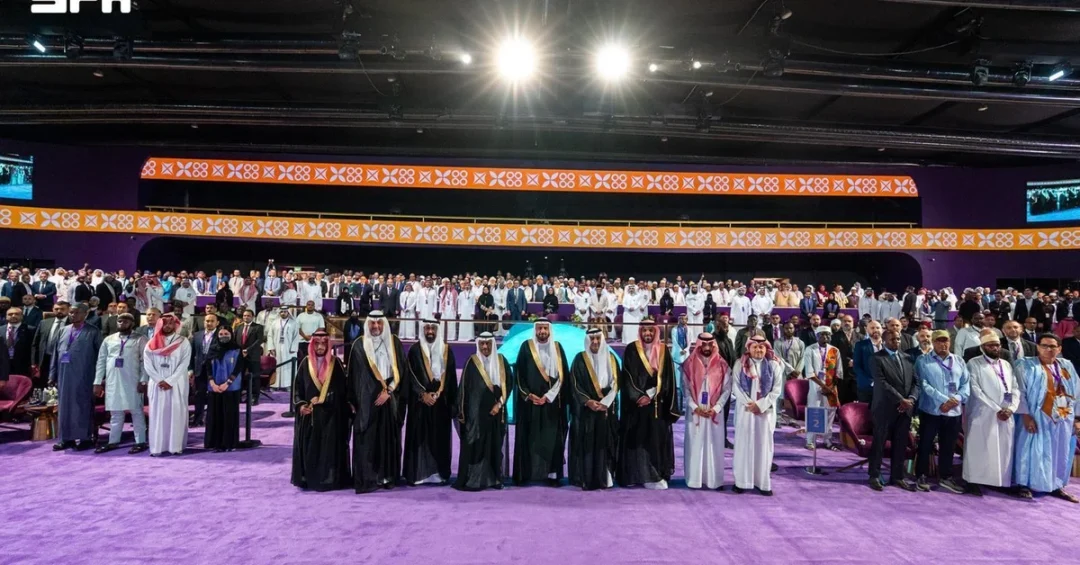
Minister of Hajj and Umrah Dr. Tawfig Al-Rabiah honored 658 participants in the first cohort of a specialized training program for Hajj affairs office staff and pilgrim group leaders on November 10, 2026, in Jeddah, marking a significant step in Saudi Arabia’s ongoing efforts to enhance the quality of services provided to pilgrims ahead of the 1448 AH Hajj season. The ceremony took place during the sixth Hajj Conference and Exhibition at the Jeddah Superdome, an event that has become a cornerstone for knowledge exchange and innovation in pilgrimage management. The honorees completed an intensive curriculum designed to equip them with the skills necessary to manage the complex logistics of the Hajj, one of the world’s largest annual gatherings. This initiative underscores the Kingdom’s commitment to continuous improvement in pilgrim care, a priority that resonates deeply with the nation’s cultural and religious responsibilities.
The training program, which combined theoretical instruction with practical exercises, covered essential areas such as operational planning, decision-making, and risk and crisis management. By utilizing standardized assessments and a train-the-trainer model, the Ministry of Hajj and Umrah ensures that the knowledge gained by this first cohort will be disseminated to future participants, creating a sustainable framework for excellence. This approach not only prepares individuals for the immediate challenges of the upcoming Hajj but also builds a reservoir of expertise that will benefit the Kingdom for years to come. As Saudi Arabia continues to welcome millions of pilgrims annually, such investments in human capital are vital to maintaining the highest standards of service and safety.
Context and Background
How did this training program come to fruition, and what does it signify for the future of Hajj management? The Hajj Conference and Exhibition, now in its sixth edition, has evolved into a premier platform for stakeholders from around the world to discuss best practices, technological innovations, and strategic planning for the pilgrimage. Organized by the Ministry of Hajj and Umrah in collaboration with the Pilgrim Experience Program, one of the executive programs of Saudi Vision 2030, the event reflects the Kingdom’s holistic approach to enhancing the pilgrim journey. The conference, held under the patronage of Custodian of the Two Holy Mosques King Salman bin Abdulaziz Al Saud, brings together experts, officials, and service providers to address the evolving needs of pilgrims and to showcase the latest advancements in crowd management, hospitality, and transportation.
The training program for Hajj affairs office staff and pilgrim group leaders is a direct response to the growing number of pilgrims and the increasing complexity of organizing the Hajj. With the return of full-capacity pilgrimages post-pandemic, the demand for well-trained personnel who can handle large groups, manage logistical challenges, and respond effectively to emergencies has never been greater. The 658 participants in this inaugural cohort represent a diverse group of individuals from various countries, all entrusted with the responsibility of guiding pilgrims through the spiritual journey of a lifetime. Their training is not merely about operational efficiency; it is about ensuring that every pilgrim’s experience is safe, spiritually fulfilling, and aligned with the teachings of Islam.
Historically, the Hajj has been managed through a combination of traditional knowledge and ad-hoc training. However, as the scale of the pilgrimage has expanded, so too has the need for formalized, standardized training. The Ministry of Hajj and Umrah has recognized this need and has taken proactive steps to develop a comprehensive training framework. The first cohort’s completion marks a milestone in this journey, setting a benchmark for future training cycles. By investing in the professional development of Hajj affairs staff and group leaders, the Kingdom is not only enhancing the immediate experience of pilgrims but also building a legacy of excellence that will be passed down through generations.
Key Details of the Training Program
What specific skills did the participants acquire during this four-day program? The curriculum was meticulously designed to address the multifaceted nature of Hajj operations. Participants engaged in modules on operational planning, where they learned to coordinate logistics such as transportation, accommodation, and meal services for large groups. Decision-making sessions focused on real-time problem-solving, equipping leaders to make quick, informed choices under pressure. Risk and crisis management training simulated various emergency scenarios, from crowd crushes to medical incidents, ensuring that participants are prepared to act swiftly and effectively. The use of standardized assessments allowed the Ministry to measure the competencies of each participant, ensuring that only those who met the rigorous standards were honored.
The train-the-trainer model is a particularly innovative aspect of the program. By training a core group of individuals who can then train others, the Ministry ensures that the program’s reach extends far beyond the initial 658 participants. This multiplier effect is crucial for scalability, especially as the number of pilgrims continues to rise. The first cohort will now serve as mentors and instructors for future cohorts, creating a self-sustaining cycle of knowledge transfer. This approach not only maximizes the return on investment but also fosters a culture of continuous learning within the Hajj management ecosystem. The participants themselves come from diverse backgrounds, including representatives from Hajj affairs offices in various countries and leaders of pilgrim groups, bringing a wealth of experience that enriches the training environment.
The ceremony honoring the participants was a moment of pride and recognition. Dr. Tawfig Al-Rabiah, in his address, emphasized the importance of their role as ambassadors of the Kingdom’s hospitality and organizational prowess. He highlighted that the success of the Hajj depends not only on infrastructure and technology but also on the dedication and competence of the people who serve the pilgrims. The Minister’s presence at the event underscored the high priority that the Saudi leadership places on pilgrim services. The honorees expressed their gratitude and commitment to applying their newfound skills in the upcoming season, eager to contribute to a seamless and spiritually enriching Hajj experience for all.
International and Regional Impact
How does this training program resonate beyond Saudi Arabia’s borders? The Hajj is a global event, attracting Muslims from every corner of the world. The quality of services provided during the pilgrimage reflects on the Kingdom’s standing as the custodian of the Two Holy Mosques and as a leader in the Islamic world. By training Hajj affairs staff and group leaders from various countries, Saudi Arabia is extending its expertise and support to the global Muslim community. This collaborative approach fosters goodwill and strengthens diplomatic ties, as countries see their citizens being well-cared for during their sacred journey. The program also sets a standard for other nations to follow in managing large-scale religious events, positioning Saudi Arabia as a model of excellence.
Regionally, the initiative contributes to stability and cooperation in the Middle East. The Hajj is a unifying force, bringing together people from diverse cultures and backgrounds in a spirit of devotion and brotherhood. By ensuring that the pilgrimage is conducted smoothly and safely, Saudi Arabia helps to mitigate potential tensions and promotes a positive image of the region. The training program also has economic implications, as improved services can lead to higher satisfaction among pilgrims, encouraging more people to undertake the Hajj and Umrah, thereby boosting the local economy. Furthermore, the exchange of knowledge and best practices among international participants can lead to improved pilgrimage management globally, enhancing the overall experience for Muslims worldwide.
Economic and Strategic Significance
What economic benefits does this training program bring to Saudi Arabia? The Hajj and Umrah sectors are vital components of the Kingdom’s economy, contributing billions of riyals annually and supporting thousands of jobs. By enhancing the efficiency and quality of pilgrim services, the program helps to attract more pilgrims, thereby increasing revenue from related industries such as hospitality, transportation, and retail. The training also reduces the likelihood of operational failures or crises, which can be costly both financially and reputationally. A well-managed Hajj ensures repeat visits and positive word-of-mouth, which are essential for sustaining growth in the pilgrimage market. Moreover, the program aligns with the goals of Saudi Vision 2030 to diversify the economy and increase non-oil revenues.
Strategically, the training program reinforces Saudi Arabia’s leadership in the Islamic world. The Kingdom’s role as the host of the Hajj is a source of immense prestige and soft power. By investing in the professional development of those who serve pilgrims, Saudi Arabia demonstrates its commitment to fulfilling its religious duties with the utmost care and competence. This enhances its credibility and influence on the global stage. The program also supports the objectives of the Pilgrim Experience Program, which aims to enrich the spiritual journey of pilgrims and to increase the capacity to welcome more worshippers. As the Kingdom continues to implement Vision 2030 reforms, such initiatives showcase its ability to blend tradition with modernity, ensuring that the Hajj remains a deeply spiritual and seamlessly organized event.
Vision 2030 Alignment
How does this training program contribute to the broader goals of Saudi Vision 2030? The Pilgrim Experience Program is one of the key executive programs of Vision 2030, designed to enhance the quality of services for pilgrims and to facilitate the hosting of an increasing number of Umrah and Hajj performers. The training of 658 participants is a direct investment in human capital, a core pillar of Vision 2030. By equipping individuals with advanced skills, the Kingdom is building a workforce that can drive innovation and excellence in the pilgrimage sector. This not only improves the pilgrim experience but also creates career opportunities and fosters a culture of professionalism. The program’s emphasis on standardization and scalability ensures that the benefits will be sustained and expanded over time, contributing to the economic and social development of the nation.
Furthermore, the Hajj Conference and Exhibition itself is a testament to Vision 2030’s emphasis on knowledge exchange and international cooperation. By bringing together experts and stakeholders from around the world, the event facilitates the sharing of ideas and technologies that can further enhance the Hajj experience. The Ministry of Hajj and Umrah’s collaboration with the Pilgrim Experience Program exemplifies the integrated approach that Vision 2030 promotes, where government entities work together to achieve common goals. As Saudi Arabia continues to transform its economy and society, the Hajj remains a central element of its identity and a showcase of its capabilities. The honoring of these 658 participants is not just a celebration of their achievement but a reaffirmation of the Kingdom’s unwavering commitment to serving the guests of God with excellence and dedication.
20 Questions
Q1. What was the purpose of the training program for Hajj affairs office staff and pilgrim group leaders?
A1. The program aimed to prepare participants for their duties in the upcoming Hajj season, improving pilgrim services through training in operational planning, decision-making, and risk management.
Q2. How many participants were honored in the first cohort?
A2. A total of 658 participants were honored by Minister Dr. Tawfig Al-Rabiah during the sixth Hajj Conference and Exhibition in Jeddah.
Q3. Where and when did the honoring ceremony take place?
A3. The ceremony took place at the Jeddah Superdome on November 10, 2026, during the sixth Hajj Conference and Exhibition.
Q4. What is the train-the-trainer model mentioned in the program?
A4. It is a method where participants are trained to become trainers themselves, enabling them to pass on their knowledge to future cohorts and ensure sustainable training.
Q5. What topics were covered in the training program?
A5. The curriculum included operational planning, decision-making, and risk and crisis management, using standardized assessments to measure competencies.
Q6. Who organized the Hajj Conference and Exhibition?
A6. The Ministry of Hajj and Umrah organized the event in collaboration with the Pilgrim Experience Program, under the patronage of King Salman bin Abdulaziz Al Saud.
Q7. How long did the conference and exhibition last?
A7. The four-day conference and exhibition concluded on Wednesday, November 11, 2026, following the honoring ceremony on November 10.
Q8. Why is training important for Hajj affairs staff and group leaders?
A8. Training ensures they can manage the complex logistics of Hajj, handle emergencies, and provide high-quality services to millions of pilgrims, enhancing their spiritual experience.
Q9. How does this program align with Saudi Vision 2030?
A9. It aligns with the Pilgrim Experience Program, a Vision 2030 initiative, by investing in human capital and improving pilgrim services to accommodate more worshippers.
Q10. What is the significance of the Hajj Conference and Exhibition?
A10. It serves as a global platform for stakeholders to discuss innovations, best practices, and strategies for enhancing the Hajj and Umrah experience.
Q11. How does the training program impact international pilgrims?
A11. It improves the skills of staff and leaders from various countries, ensuring that international pilgrims receive better care and support during their pilgrimage.
Q12. What economic benefits does the program bring to Saudi Arabia?
A12. By enhancing services, it attracts more pilgrims, boosting revenue in hospitality, transportation, and retail, and supports economic diversification goals.
Q13. What role does the Ministry of Hajj and Umrah play in this initiative?
A13. The Ministry organizes the training, sets standards, and oversees the implementation to ensure that all participants meet the required competencies.
Q14. How will the first cohort contribute to future Hajj seasons?
A14. They will act as trainers for subsequent cohorts, spreading their knowledge and helping to maintain high service standards in future Hajj seasons.
Q15. What assessments were used in the training program?
A15. Standardized assessments were used to evaluate participants’ skills and knowledge, ensuring they met the rigorous standards set by the Ministry.
Q16. How does this program reflect Saudi Arabia’s commitment to pilgrims?
A16. It demonstrates the Kingdom’s dedication to providing the best possible services and facilities, ensuring a safe and spiritually fulfilling journey for all pilgrims.
Q17. What is the Pilgrim Experience Program?
A17. It is a Vision 2030 executive program aimed at enhancing the quality of services for pilgrims and increasing the capacity to host more Umrah and Hajj performers.
Q18. How many participants are expected in future cohorts?
A18. While exact numbers are not specified, the train-the-trainer model ensures that the program will expand to include many more participants in future seasons.
Q19. What was Dr. Tawfig Al-Rabiah’s message to the honorees?
A19. He emphasized their crucial role in serving pilgrims and highlighted the Kingdom’s commitment to excellence in Hajj management and hospitality.
Q20. How does this initiative enhance Saudi Arabia’s global standing?
A20. It showcases the Kingdom’s leadership in managing large-scale religious events and its dedication to serving the global Muslim community, enhancing its soft power and reputation.
Reader Feedback
We value your thoughts. Please share your feedback on this article.
Your feedback helps us improve our coverage.
Related articles
 SBA Showcases Media Services at Hajj Conference
 Hajj Forces Commander Joins Pilgrim Safety Panel
 Al-Thajj’ Documentary Highlights Saudi Adahi Project’s Global Impact
 Hajj Conference Explores Facilities Management Excellence
 Crown Prince and Bahrain King Review Ties and Cooperation
 KSrelief Pumps 220,000 Liters of Water into Gaza Strip