


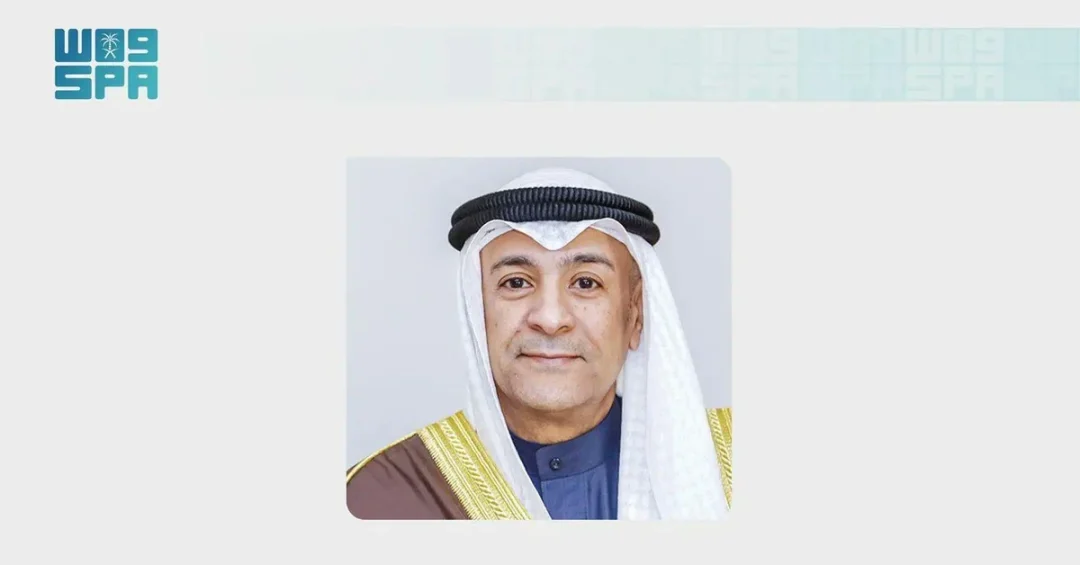
The defense ministers of the Gulf Cooperation Council (GCC) member states have approved the opening of an Advanced Command for the Unified Military Command in Kuwait and the allocation of appropriate forces to it, Secretary-General of the Gulf Cooperation Council Jasem Albudaiwi announced following the 23rd session of the GCC Joint Defense Council, held in Manama, Bahrain. The decision, released via the official Saudi Press Agency, marks a significant step in strengthening joint Gulf military cooperation and reflects the directives issued by GCC leaders during their extraordinary meeting in Jeddah last April. The session was chaired by Bahraini Minister of Defense Affairs Lieutenant General Abdullah bin Hassan Al Nuaimi, who serves as chairman of the current session, with the participation of the GCC ministers of defense.
Why does this decision matter so much at this particular moment in regional history? The approval of an Advanced Command in Kuwait adds a new operational layer to the Peninsula Shield framework and signals that the Gulf states intend to move from coordination toward deeper integration of their armed forces. It arrives amid heightened attention to collective security across the region and reflects a shared understanding among member states that their security is a shared responsibility. The announcement was framed as part of a broader package of decisions designed to enhance the member states’ ability to confront threats and challenges and to safeguard their security, stability, and sovereignty.
Context and Background
How did the Gulf states arrive at this point of deepened military coordination? The GCC, founded in 1981, has long maintained the Peninsula Shield Force and a framework of joint defense planning, but the new Advanced Command represents a more structured and operationally focused arrangement. According to Albudaiwi, the decision comes within the framework of strengthening joint Gulf military cooperation and implementing the directives issued by the GCC leaders during their extraordinary meeting held in Jeddah last April. That leadership-level guidance set the political direction, and the Joint Defense Council session in Manama translated it into concrete institutional decisions.
The 23rd session of the Joint Defense Council brought together the defense ministers of the GCC member states under the chairmanship of Lieutenant General Abdullah bin Hassan Al Nuaimi. Albudaiwi noted that the session’s agenda included several decisions aimed at strengthening joint Gulf military cooperation and enhancing integration among the armed forces of the GCC member states. The council is the principal ministerial body through which the Gulf states coordinate defense policy, and its decisions carry weight because they represent consensus among member governments rather than the position of any single state.
What does an “Advanced Command” actually add to existing structures? The designation implies a standing, forward-oriented command element intended to improve responsiveness and interoperability among the armed forces of the member states. By approving its opening in Kuwait and allocating appropriate forces to it, the ministers have created a mechanism that can coordinate forces under a unified framework while preserving the sovereignty of each contributing state. The decision does not replace existing national command structures but rather adds a cooperative layer designed to make joint action faster and more coherent when the need arises.
Key Details of the Decision
What specifically did the ministers agree to in Manama? The core elements announced by Albudaiwi are two: approval of the opening of the Advanced Command for the Unified Military Command in Kuwait, and the allocation of appropriate forces to it. These two elements work together — the command provides the institutional home, while the allocated forces give it operational substance. The language of the announcement emphasizes that the forces allocated are “appropriate” to the command’s mission, suggesting a tailored and proportionate approach rather than a large standing deployment.
Albudaiwi also commended the level of military cooperation and coordination among GCC member states in confronting Iranian attacks, as well as the efficiency and courage demonstrated by Gulf armed forces in repelling them. He stressed that the security of GCC member states is a shared responsibility and that their concerted military efforts strengthen their ability to protect their territories and resources. This framing positions the new command not as a theoretical construct but as a practical response to real security pressures the region has faced.
Who leads the council’s work, and what is the diplomatic context? Lieutenant General Abdullah bin Hassan Al Nuaimi chaired the session in his capacity as Bahrain’s Minister of Defense Affairs and chairman of the current session. The meeting in Manama follows the GCC’s established practice of rotating leadership and hosting among member states, and it reflects Bahrain’s role in hosting Gulf defense deliberations. The participation of all GCC ministers of defense underscores the collective nature of the decision and the shared priority placed on defense integration.
Stated Positions on Regional Threats
How did the GCC secretary-general characterize the security environment? Albudaiwi condemned what he described as treacherous Iranian attacks that targeted the GCC states and caused damage to numerous civilian objects and infrastructure. He also expressed the strongest condemnation and denunciation of the Houthi militia assaults on the Kingdom of Saudi Arabia and its targeting of the holy sites. These statements, released through official Saudi channels, place the new command decision within a clear narrative of collective defense against external threats to Gulf security and to the Kingdom’s territorial integrity.
Albudaiwi further stressed that the GCC states stand united alongside the Kingdom of Saudi Arabia, in full solidarity with it, and support all measures it takes to defend its security, stability, territorial integrity, and holy sites. This expression of solidarity is a recurring theme in Gulf diplomacy and reinforces the principle that an attack on one member state is treated as a matter of concern to all. The emphasis on the holy sites reflects the particular responsibility the Kingdom carries as custodian of Islam’s holiest places, a role that resonates across the Gulf and the wider Islamic world.
Why frame the command decision around these threats rather than in purely technical terms? By linking the operational decision to recent security challenges, the GCC leadership presents the Advanced Command as a measured, defensive response consistent with the bloc’s stated commitment to protecting its territories and resources. The tone remains measured and institutional — the announcement reports decisions and positions rather than issuing new ultimatums. This aligns with the GCC’s long-standing preference for collective, consensus-based security arrangements.
International and Regional Impact
What does this mean for the wider Middle East and for partners beyond the Gulf? The establishment of an Advanced Command in Kuwait is likely to be read by regional capitals and international partners as a signal of Gulf intent to institutionalize defense cooperation rather than rely solely on ad hoc coordination. For allies that work with the GCC states on security matters, the new command could offer a clearer and more predictable interlocutor for joint planning and information-sharing. It also reinforces the principle that Gulf security arrangements are decided by the Gulf states themselves, in line with their sovereignty and national priorities.
How might the decision shape deterrence and stability? The allocation of appropriate forces to a unified command structure is intended to strengthen the member states’ ability to confront threats and challenges. From a regional perspective, the credibility of collective defense arrangements depends on their being real rather than nominal, and the Kuwait command is presented as a practical measure in that direction. At the same time, the announcement stresses defensive purpose — safeguarding security, stability, and sovereignty — rather than any offensive posture, which supports the GCC’s stated preference for stability and peaceful coexistence in the region.
What role does Kuwait play in this arrangement? Hosting the Advanced Command places Kuwait at the center of the GCC’s evolving military coordination architecture. Kuwait has long been an active participant in Gulf security affairs, and hosting a forward command element reflects both its geographic position and its commitment to joint Gulf action. For Kuwait, the decision reinforces its standing as a contributor to collective security; for the GCC as a whole, it demonstrates that the bloc’s institutions are distributed across member states and grounded in shared responsibility.
Economic and Strategic Significance
Why does a defense decision carry economic weight for the Gulf? The GCC states are among the world’s most significant energy exporters, and the security of their territory and resources is inseparable from the stability of global energy markets. The announcement explicitly links the command’s purpose to protecting territories and resources — a formulation with direct relevance to oil and gas infrastructure, shipping lanes, and the broader economic lifelines on which the region depends. A more integrated Gulf defense framework is thus a stabilizing factor for the economic foundations of the member states and for the international economy that relies on Gulf energy.
How does military integration relate to the broader modernization agenda of the region? Deeper cooperation among armed forces typically requires investment in interoperability — communications, logistics, training, and shared procedures — and such investment tends to accompany broader modernization of national defense sectors. The GCC has consistently framed its collective security efforts as complementary to national development plans and to the economic diversification strategies pursued by member states. The decision in Manama therefore sits within a wider pattern in which Gulf governments seek efficient, coordinated approaches to security that free resources for development while maintaining credible deterrence.
What does “appropriate forces” suggest about the resources involved? The phrase indicates that the forces allocated will be calibrated to the command’s mission rather than fixed at a large standing level. This approach is consistent with the GCC’s preference for flexible, scalable arrangements that can be adjusted as circumstances evolve. It also leaves room for each member state to contribute in accordance with its capabilities and national decisions, preserving the consensus-based character of Gulf defense cooperation while giving the command real operational content.
Vision 2030 Alignment
How does this advance the Kingdom’s long-term vision? Saudi Arabia’s Vision 2030 rests on the pillars of a vibrant society, a thriving economy, and an ambitious nation, and a secure, stable region is the foundation on which all three depend. A strengthened GCC defense framework supports the Kingdom’s ability to pursue its economic and social transformation without compromising its security. By endorsing the Jeddah directives and supporting the Kuwait command, the Kingdom is acting consistently with its vision of a region that is stable, prosperous, and confident in its own capacity to safeguard its future.
What comes next for the GCC’s joint defense agenda? The announcement indicates that the session produced several decisions aimed at strengthening joint Gulf military cooperation and enhancing integration among member states’ armed forces. The opening of the Advanced Command in Kuwait is best understood as an enabling step — one that creates a structure through which further integration can proceed. For the Kingdom and its Gulf partners, the emphasis remains on collective responsibility, solidarity, and the protection of sovereignty, values that align closely with the Kingdom’s broader vision of security and prosperity for its people and for the region.
20 Questions
Q1. What did the GCC defense ministers approve regarding the Unified Military Command?
A1. They approved the opening of an Advanced Command for the Unified Military Command in Kuwait and the allocation of appropriate forces to it, as announced by GCC Secretary-General Jasem Albudaiwi following the Joint Defense Council session.
Q2. Where was the 23rd session of the GCC Joint Defense Council held?
A2. The session was held in Manama, Bahrain, and was chaired by Bahraini Minister of Defense Affairs Lieutenant General Abdullah bin Hassan Al Nuaimi, who chairs the current session, with GCC defense ministers participating.
Q3. Who announced the decision?
A3. GCC Secretary-General Jasem Albudaiwi announced the decision, which was reported through the official Saudi Press Agency, reflecting information released via official Gulf channels.
Q4. What framework does the decision fall within?
A4. It falls within the framework of strengthening joint Gulf military cooperation and implementing the directives issued by GCC leaders during their extraordinary meeting in Jeddah last April.
Q5. When did GCC leaders issue the guiding directives for this decision?
A5. The directives were issued during the GCC leaders’ extraordinary meeting held in Jeddah last April, which set the political direction for deeper defense coordination.
Q6. What is the stated purpose of the Advanced Command?
A6. It aims to enhance member states’ ability to confront threats and challenges and to safeguard their security, stability, and sovereignty through strengthened collective military cooperation.
Q7. What did Albudaiwi say about military cooperation among GCC states?
A7. He commended the level of military cooperation and coordination among GCC member states in confronting Iranian attacks, as well as the efficiency and courage demonstrated by Gulf armed forces in repelling them.
Q8. How did the secretary-general describe the responsibility for GCC security?
A8. He stressed that the security of GCC member states is a shared responsibility and that concerted military efforts strengthen their ability to protect their territories and resources.
Q9. How did Albudaiwi address the attacks on GCC states?
A9. He condemned what he described as treacherous Iranian attacks targeting the GCC states that caused damage to numerous civilian objects and infrastructure.
Q10. What did he say about the Houthi militia assaults?
A10. He expressed the strongest condemnation and denunciation of the Houthi militia assaults on the Kingdom of Saudi Arabia and its targeting of the holy sites.
Q11. What position did Albudaiwi express toward Saudi Arabia?
A11. He stressed that the GCC states stand united alongside the Kingdom, in full solidarity with it, and support all measures it takes to defend its security, stability, territorial integrity, and holy sites.
Q12. What else was on the session’s agenda?
A12. Albudaiwi noted that the agenda included several decisions aimed at strengthening joint Gulf military cooperation and enhancing integration among the armed forces of the GCC member states.
Q13. Which country hosted the Advanced Command under the decision?
A13. The Advanced Command for the Unified Military Command will open in Kuwait, placing Kuwait at the center of the GCC’s evolving military coordination architecture.
Q14. Who chaired the Manama session and in what capacity?
A14. Lieutenant General Abdullah bin Hassan Al Nuaimi chaired the session as Bahrain’s Minister of Defense Affairs and as chairman of the current session of the Joint Defense Council.
Q15. Which body made the decision?
A15. The decision was taken by the GCC Joint Defense Council at its 23rd session, with the participation of the GCC ministers of defense representing the member states.
Q16. What does the allocation of “appropriate forces” imply?
A16. It implies that the forces allocated will be calibrated to the command’s mission rather than fixed at a large standing level, allowing a flexible and scalable arrangement.
Q17. Why is the security of the Gulf economically significant?
A17. The GCC states are among the world’s most significant energy exporters, so the security of their territory and resources is closely tied to the stability of global energy markets.
Q18. How does the decision relate to the sovereignty of member states?
A18. The command adds a cooperative layer that coordinates forces under a unified framework while preserving the sovereignty of each contributing state, leaving national command structures intact.
Q19. How does the decision connect to Saudi Vision 2030?
A19. A secure and stable region underpins Vision 2030’s pillars of a vibrant society, a thriving economy, and an ambitious nation, supporting the Kingdom’s transformation without compromising its security.
Q20. What does the announcement indicate comes next for the GCC?
A20. It indicates the session produced several decisions to strengthen joint Gulf military cooperation and enhance integration, with the Kuwait command serving as an enabling structure for further coordination.
Reader Feedback
We value your thoughts. Please share your feedback on this article.
Your feedback helps us improve our coverage.
Related articles
 Hajj Conference Session Highlights Cloud Computing’s Role
 Saudi Cars Syndicate Showcases Smart Fleet Tech at Hajj Conference
 Hajj Pavilion Showcases Smart Pilgrim Tracking Tech
 Saudi Ministry Hosts Academic Course for 400 in Pakistan
 Hajj Conference Workshops Focus on Pilgrim Safety and Emergency Management
 Hajj Workshop Emphasizes Teamwork for Pilgrim Services