


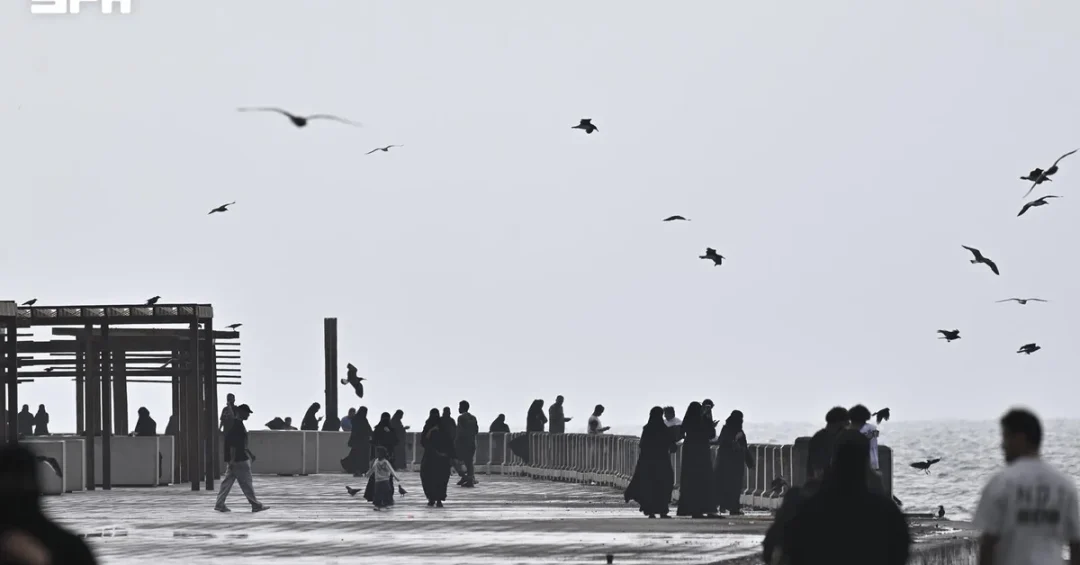
Jizan now features 42 parks and waterfronts that give the city a distinct profile for tourism and leisure while providing open recreational spaces for residents and visitors, according to information released via the Saudi Press Agency (SPA). The coastal city in the southwest of the Kingdom has steadily built a reputation as a destination where urban modernization and natural beauty meet, and the deliberate expansion of its public realm sits at the heart of that story. For a city long known for its agricultural richness and Red Sea coastline, the emergence of a connected network of green spaces and seafront promenades marks a meaningful step in the broader transformation of Saudi leisure infrastructure.
The disclosure, dated November 11, 2026, confirms that the Jazan Municipality has worked to enrich the city’s urban landscape through a coordinated network of public spaces, pedestrian paths, and family-friendly facilities. These are not isolated islands of greenery but interconnected amenities designed to serve a growing population and an increasing number of visitors drawn to the region. The announcement underscores how municipal planning in the Kingdom increasingly treats quality-of-life infrastructure as a core element of development rather than an afterthought.
Context and Background: How Did Jizan Build Its Public Realm?
Why does a single municipality’s park program matter on a national scale? The answer lies in the way Saudi cities have reoriented their planning priorities over the past decade. Jizan, historically celebrated for its lush valleys, mango orchards, and fishing heritage, has moved deliberately to translate that natural advantage into formal, accessible recreational infrastructure. The result is a cityscape in which landscaped parks, waterfront promenades, and shaded walkways form a continuous network rather than a scatter of disconnected sites.
The Jazan Municipality has pursued this vision systematically, developing a network that includes 35 public parks and seven waterfronts alongside pedestrian walkways spanning a total of 55 kilometers. These facilities encompass green spaces, seating areas, and children’s playgrounds, creating a layered experience for visitors of all ages. The scale is notable: 55 kilometers of walkways represents a substantial commitment to walkability, an objective that connects directly to national ambitions for healthier communities and more sustainable urban transport patterns.
The official information frames these sites as playing a vital role in boosting tourism, expanding opportunities for social and physical activities, and enhancing the city’s overall appeal to residents and visitors alike. That framing reflects a wider understanding within the Kingdom that attractive public spaces are a foundation for both livability and visitor economies. For international readers, the program offers a window into how Saudi municipalities are operationalizing national development goals at the local level.
Key Details: What Exactly Does the Network Include?
What does a visitor actually encounter across these 42 sites? The composition of the network matters as much as its totals. According to the official information, the 35 public parks are complemented by seven waterfronts that make the most of Jizan’s coastal setting, while the interconnected pedestrian walkways tie the system together. Green spaces provide shade and visual relief, seating areas create places for families to pause and gather, and children’s playgrounds add a dedicated recreational layer for younger residents.
The waterfront component deserves particular attention. Coastal promenades typically combine open views, leisure facilities, and public access to the sea, and Jizan’s seven waterfronts extend the city’s recreational offer beyond inland parks. This dual character — green in the interior, blue along the shore — gives the city a distinctive profile that few Saudi destinations can match. The walkway network further reinforces this by making active mobility a practical and pleasant option rather than a specialized activity.
Pedestrian infrastructure at this scale also supports social connection in ways that are easy to overlook. A well-maintained 55-kilometer network allows residents to build daily routines around walking, whether commuting to local services or enjoying evening exercise. The inclusion of seating and playgrounds signals that the design intent is inclusive, catering to families, older residents, and children rather than a single demographic. These details collectively position the network as everyday infrastructure rather than occasional spectacle.
International and Regional Impact: Why Does a City’s Parks Matter Beyond Its Borders?
How does Jizan’s public realm connect to the Kingdom’s growing profile as a tourism destination? International travelers increasingly evaluate destinations on the quality of everyday public spaces, not only flagship attractions. By investing in free, accessible parks and waterfronts, Jizan strengthens its appeal to regional visitors from across the Gulf and to international tourists exploring the Red Sea coast. These spaces offer authentic, family-oriented experiences that complement large-scale tourism projects elsewhere in the country.
The network also enhances Jizan’s role within the broader southwestern region. The area is known for its distinctive landscapes, cultural traditions, and agricultural produce, and improved leisure infrastructure makes it easier for visitors to extend their stays and explore. From a regional perspective, well-designed public spaces contribute to civic pride and social cohesion, which in turn support stable, attractive communities. The official information emphasizes exactly this dual benefit: tourism growth alongside expanded opportunities for social and physical activity.
For international observers, Jizan’s approach illustrates a pattern visible across Saudi Arabia, where municipalities are modernizing services and public amenities in step with national development. The result is a country steadily upgrading the lived experience of its residents while presenting a more welcoming face to the world. The parks and waterfronts may be local assets, but their cumulative effect shapes perceptions of the Kingdom as a whole.
Economic and Strategic Significance: What Value Lies in Green and Blue Space?
Can recreation infrastructure deliver economic returns? Increasingly, evidence points to yes. Attractive public spaces draw foot traffic, support local commerce, and raise the value of surrounding neighborhoods. In Jizan, the 42 parks and waterfronts create settings where small businesses, food vendors, and family-oriented services can flourish. The pedestrian walkways act as connective tissue, linking residential areas with leisure and commercial destinations and encouraging the kind of activity that sustains local economies.
The strategic dimension is equally important. Quality-of-life infrastructure is a recognized driver of talent retention and community well-being, and municipalities that invest in it position themselves for long-term growth. The Jazan Municipality’s program, reported through official channels, reflects a considered approach: build the public realm first, and the social and economic benefits follow. By prioritizing maintenance and accessibility alongside construction, the city protects its investment and ensures that the network remains a genuine asset for decades.
There is also an environmental dimension worth noting. Urban green spaces moderate temperatures, improve air quality, and provide habitat within built-up areas, while coastal promenades encourage appreciation and stewardship of the marine environment. For a city on the Red Sea, these benefits carry additional weight. The official information’s emphasis on green spaces alongside waterfronts suggests an integrated approach that treats environmental quality as part of the visitor and resident experience.
Vision 2030 Alignment: How Does Jizan’s Network Serve National Goals?
How does a park program connect to Saudi Vision 2030? The national transformation agenda explicitly prioritizes quality of life, healthy lifestyles, and the growth of domestic and international tourism. Jizan’s 42 parks and waterfronts, with their 55 kilometers of pedestrian walkways, advance each of these objectives in tangible form. They create the conditions for active living, offer free recreational options for families, and strengthen the city’s appeal as a tourism destination on the Red Sea coast.
The program also reflects the Vision’s emphasis on vibrant communities and modernized public services delivered by capable local institutions. By enriching the urban landscape through the Jazan Municipality’s coordinated efforts, the city demonstrates how national ambition translates into everyday improvements. As Saudi Arabia continues to diversify its economy and welcome the world, destinations like Jizan show that the Kingdom’s transformation is not confined to megaprojects but is felt in the parks, promenades, and walkable neighborhoods where residents live, gather, and play.
Looking ahead, the network provides a foundation for further growth, connecting tourism, community well-being, and sustainable urban design in a single coherent framework. The official information leaves little doubt about the intent: these spaces exist to serve people, and their continued development will keep Jizan at the forefront of the Kingdom’s leisure and tourism story.
20 Questions
Q1. How many parks and waterfronts does Jizan feature?
A1. According to official information released via the Saudi Press Agency, Jizan features 42 parks and waterfronts, comprising 35 public parks and seven waterfronts developed by the Jazan Municipality.
Q2. Which entity developed Jizan’s public parks and waterfronts?
A2. The Jazan Municipality has worked to enrich the city’s urban landscape by developing the network of parks, waterfronts, and pedestrian walkways described in the official announcement.
Q3. How long are the pedestrian walkways in Jizan?
A3. The pedestrian walkways span a total of 55 kilometers, connecting the city’s parks and waterfronts and supporting walkability and active mobility for residents and visitors.
Q4. What facilities are included across these sites?
A4. The facilities include green spaces, seating areas, and children’s playgrounds, creating inclusive recreational environments for families and visitors of different ages.
Q5. What role do these sites play in tourism?
A5. The official information states that the sites play a vital role in boosting tourism, expanding opportunities for social and physical activities, and enhancing the city’s overall appeal.
Q6. Why are waterfronts important to Jizan’s profile?
A6. Jizan’s seven waterfronts leverage the city’s Red Sea coastal setting, giving it a distinctive recreational character that combines green interior parks with seafront promenades.
Q7. How do the parks benefit residents?
A7. The parks provide open recreational spaces, seating, and playgrounds that support daily exercise, family gatherings, and community interaction, improving quality of life.
Q8. When was this information released?
A8. The information was released via the Saudi Press Agency on November 11, 2026, according to the official announcement dated to that day.
Q9. What is the significance of 55 kilometers of walkways?
A9. A walkway network of this scale promotes walkability, supports healthier lifestyles, and connects communities with leisure and commercial destinations across the city.
Q10. How does this program support Vision 2030?
A10. The program advances Vision 2030 priorities on quality of life, healthy lifestyles, and tourism growth, demonstrating how national goals are implemented at the municipal level.
Q11. Is Jizan’s network intended for visitors as well as residents?
A11. Yes. Official information emphasizes that the facilities enhance the city’s appeal to residents and visitors alike, serving both local communities and travelers.
Q12. What makes Jizan’s leisure profile distinctive?
A12. The combination of 35 public parks, seven waterfronts, and 55 kilometers of walkways gives Jizan a distinct profile for tourism and leisure along Saudi Arabia’s Red Sea coast.
Q13. How do the parks support social activity?
A13. Green spaces and seating areas create settings for gatherings and community events, while playgrounds provide safe recreation for children, strengthening social ties.
Q14. What economic benefits can such infrastructure bring?
A14. Attractive public spaces can draw foot traffic, support local commerce, and raise neighborhood value, contributing to the city’s economic vitality over time.
Q15. Are the waterfronts part of the same municipal network?
A15. Yes. The seven waterfronts are part of the coordinated network developed by the Jazan Municipality alongside the public parks and pedestrian walkways.
Q16. How does the program reflect municipal modernization?
A16. By systematically developing parks, waterfronts, and walkways, the Jazan Municipality demonstrates modern, resident-focused urban planning aligned with national development objectives.
Q17. What environmental benefits do urban green spaces provide?
A17. Urban green spaces can moderate temperatures, improve air quality, and provide habitat, complementing coastal promenades that encourage stewardship of the marine environment.
Q18. Does the network include facilities for children?
A18. Yes. The official information confirms that the sites include children’s playgrounds, making the network family-friendly and inclusive for younger visitors.
Q19. How might the network affect tourism in the region?
A19. By offering free, accessible, family-oriented recreation on the Red Sea coast, the network strengthens Jizan’s appeal to regional and international visitors exploring the southwest.
Q20. What does the development signal about Saudi Arabia’s direction?
A20. It signals that the Kingdom’s transformation extends beyond megaprojects to everyday quality-of-life improvements in cities, reflecting Vision 2030’s emphasis on vibrant communities.
Reader Feedback
We value your thoughts. Please share your feedback on this article.
Your feedback helps us improve our coverage.
Related articles
 Qisat Almkan Pavilion: VR Journey Through Prophetic Biography
 Hajj Talk Stage Unites Experts to Enhance Pilgrim Services
 Makkah Launches ‘Tamat’ Certificate for Visitor Excellence
 No Bags Initiative Cuts Pilgrim Airport Time to 15 Minutes
 Hajj Conference Workshop Stresses Professional Career Path for Tour Guides
 Wadi Daim: Makkah Valley of Mountains and Poetry