


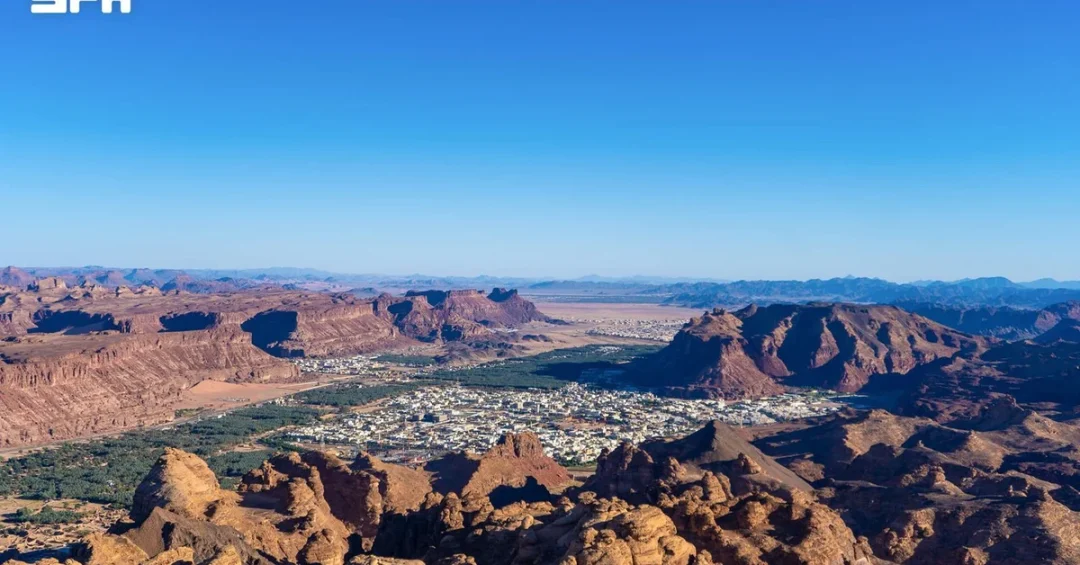
AlUla Governorate continues to welcome visitors through an integrated transport network that links major Saudi cities via air, rail, and well-equipped highway corridors, according to information released by the Saudi Press Agency (SPA). The announcement underscores the Kingdom’s commitment to making its premier heritage and cultural destination easily accessible to travelers from across the country and beyond. With a diverse schedule of cultural, heritage, and outdoor events planned throughout November, the multi-modal access options reflect a coordinated effort by Saudi authorities to support tourism growth in line with Vision 2030. How does a destination become truly inviting? It begins with the journey, and AlUla’s planners have ensured that every route is designed with the visitor in mind.
The transport network serving AlUla is not merely a convenience; it is a strategic enabler. By connecting the governorate to Jeddah, Riyadh, Tabuk, Madinah, and the Eastern Region, Saudi Arabia is opening a gateway to one of the world’s most significant archaeological and cultural landscapes. This integrated approach positions AlUla as a year-round destination, ready to host both domestic and international visitors during peak periods such as the upcoming school fall break starting November 20. In a world where travel choices shape itineraries, could seamless access be the key to unlocking a region’s full potential? For AlUla, the answer is a resounding yes.
Context and Background
AlUla, located in the northwest of Saudi Arabia, is home to UNESCO World Heritage sites such as Hegra, the first World Heritage property in the Kingdom, and the ancient Nabataean city of Dadan. The region has undergone a remarkable transformation under the Royal Commission for AlUla (RCU), established in 2017 to preserve and promote its natural and cultural heritage. As part of Vision 2030’s tourism goals, the Kingdom aims to attract 150 million visits annually by 2030, and AlUla is a cornerstone of that ambition. What makes a heritage site accessible without compromising its integrity? The answer lies in thoughtful infrastructure that respects the landscape while welcoming the world.
The transport options outlined by SPA highlight a deliberate strategy to integrate AlUla into the national travel network. Travelers from Jeddah, for example, can reach AlUla via direct flights or a 680-kilometer coastal-inland highway via Al-Wajh. From the north, the site lies 297 kilometers from Tabuk’s airport, providing a convenient entry point for visitors from that region. Routes from Madinah include the scenic Al-Mulaylih corridor and the historical Khaybar route, which passes through the distinctive volcanic landscapes of Harrat Khaybar. These pathways not only connect cities but also offer travelers a journey through some of the Kingdom’s most striking natural scenery. How often does a road trip become part of the destination itself? In AlUla’s case, every route tells a story.
Key Details
The integrated network includes a range of options designed to suit different preferences and points of origin. Passengers using the Haramain High Speed Railway via Madinah can connect seamlessly to AlUla by road, combining the speed of rail with the flexibility of a scenic drive. From Riyadh and the Eastern Region, visitors have options combining direct flights, highways, or rail routes via Hail, followed by a 373-kilometer drive. This multi-modal approach ensures that travelers from the capital and the east can choose the itinerary that best fits their schedule. What could be more appealing than a journey that adapts to your needs? Saudi Arabia’s transport planners have made flexibility a priority.
To ensure safety and convenience, the Roads General Authority maintains continuous round-the-clock roadside support via hotline 938 across all corridors. This service provides assistance to motorists, reinforcing the reliability of road travel to and from AlUla. Additionally, scheduled regional flights connect Jeddah, Dammam, Qassim, and Doha, broadening access for both domestic and international visitors. These flights support a diverse schedule of cultural, heritage, and outdoor events throughout November, aligning with the upcoming school fall break starting November 20. How can a region accommodate a surge in visitors without sacrificing quality? The answer lies in robust infrastructure and coordinated planning, both of which are evident in AlUla’s transport strategy.
International and Regional Impact
The accessibility of AlUla has significant implications for regional tourism and international engagement. By linking AlUla to Doha through scheduled flights, Saudi Arabia facilitates easier access for visitors from neighboring Gulf countries, fostering regional tourism and cultural exchange. This connectivity aligns with the Kingdom’s broader efforts to position itself as a global tourism hub and to diversify its economy away from oil dependence. What role does regional cooperation play in building a sustainable tourism ecosystem? It is essential, and Saudi Arabia is leading by example.
Furthermore, the seamless connection via the Haramain High Speed Railway—which serves pilgrims traveling between Makkah and Madinah—extends AlUla’s reach to those visiting the Kingdom for religious purposes. By offering a combined rail-and-road option, AlUla becomes an attractive add-on for pilgrims seeking to explore Saudi Arabia’s cultural heritage. This integration not only boosts tourism but also showcases the Kingdom’s ability to manage diverse visitor flows efficiently. Can a single destination enhance the entire national experience? When connected thoughtfully, it certainly can.
Economic and Strategic Significance
The economic impact of improved access to AlUla is substantial. Increased visitor numbers drive demand for hospitality, retail, and entertainment services, creating jobs and stimulating local businesses. The Royal Commission for AlUla has been instrumental in developing infrastructure and attracting investment, with projects such as the Sharaan Nature Reserve and luxury resorts contributing to the region’s appeal. As Vision 2030 aims to increase the tourism sector’s contribution to GDP, AlUla stands as a testament to the potential of strategic investment in heritage and culture. How can a region transform its economy while preserving its identity? AlUla offers a model for sustainable development.
Strategically, the transport network reinforces Saudi Arabia’s position as a connectivity hub linking Asia, Europe, and Africa. AlUla’s international airport, which receives direct flights from major cities, serves as a gateway for international travelers. The integration of air, rail, and road networks demonstrates the Kingdom’s commitment to world-class infrastructure, a key pillar of Vision 2030. With the school fall break approaching, the timing of this announcement ensures that families and tourists can plan their visits with confidence. What better way to showcase a nation’s progress than through the ease with which visitors can experience its treasures?
Vision 2030 Alignment
The development of AlUla’s transport infrastructure is a clear reflection of Vision 2030’s objectives to diversify the economy, enhance quality of life, and promote cultural heritage. By making AlUla accessible to a wide range of visitors, Saudi Arabia is not only boosting tourism but also fostering a deeper appreciation of its history and culture. The Royal Commission for AlUla, under the leadership of the Saudi government, continues to implement projects that align with the vision’s emphasis on sustainable development and international engagement. As the Kingdom prepares to welcome the world, AlUla shines as a beacon of what can be achieved when vision meets action.
Looking ahead, the continued expansion of transport options will further integrate AlUla into the global tourism landscape. The upcoming events in November, coupled with the school break, present an opportunity for visitors to experience the magic of AlUla. With round-the-clock roadside support, seamless rail connections, and a growing network of regional flights, the journey to AlUla is as remarkable as the destination itself. How will the world respond to Saudi Arabia’s invitation to explore its heritage? If the seamless access is any indication, the answer is with enthusiasm and wonder.
20 Questions
Q1. What is the main announcement regarding AlUla’s transportation?
A1. The Saudi Press Agency announced that AlUla continues to welcome visitors through an integrated transport network linking major cities via air, rail, and well-equipped highway corridors, enhancing accessibility to the heritage destination.
Q2. How can travelers from Jeddah reach AlUla?
A2. Travelers from Jeddah can reach AlUla via direct flights or a 680-kilometer coastal-inland highway via Al-Wajh, offering flexible options for different preferences.
Q3. What is the distance from Tabuk’s airport to AlUla?
A3. AlUla lies 297 kilometers from Tabuk’s airport, providing a convenient entry point for visitors from the northern region of Saudi Arabia.
Q4. What routes are available from Madinah to AlUla?
A4. Routes from Madinah include the scenic Al-Mulaylih corridor and the historical Khaybar route through Harrat Khaybar’s distinctive volcanic landscapes, offering both natural beauty and historical significance.
Q5. How can passengers using the Haramain High Speed Railway reach AlUla?
A5. Passengers using the Haramain High Speed Railway via Madinah can connect seamlessly to AlUla by road, combining rail speed with the flexibility of a scenic drive.
Q6. What options are available for visitors from Riyadh and the Eastern Region?
A6. Visitors from Riyadh and the Eastern Region can choose from direct flights, highways, or rail routes via Hail, followed by a 373-kilometer drive to AlUla.
Q7. What support does the Roads General Authority provide?
A7. The Roads General Authority maintains continuous round-the-clock roadside support via hotline 938 across all corridors, ensuring safety and assistance for motorists traveling to AlUla.
Q8. Which regional flights connect to AlUla?
A8. Scheduled regional flights connect Jeddah, Dammam, Qassim, and Doha to AlUla, broadening access for both domestic and international visitors.
Q9. What events are supported by these transport routes?
A9. These routes support a diverse schedule of cultural, heritage, and outdoor events throughout November, aligning with the upcoming school fall break starting November 20.
Q10. Why is the timing of this announcement significant?
A10. The announcement comes ahead of the school fall break starting November 20, allowing families and tourists to plan their visits to AlUla with confidence during a peak travel period.
Q11. What is the significance of AlUla in Saudi Arabia’s tourism strategy?
A11. AlUla is a cornerstone of Vision 2030’s tourism goals, home to UNESCO World Heritage sites like Hegra, and serves as a key destination to attract 150 million visits annually by 2030.
Q12. How does the transport network align with Vision 2030?
A12. The integrated transport network supports Vision 2030’s objectives to diversify the economy, enhance quality of life, and promote cultural heritage by making AlUla accessible to a wide range of visitors.
Q13. What is the role of the Royal Commission for AlUla?
A13. The Royal Commission for AlUla, established in 2017, is responsible for preserving and promoting the region’s natural and cultural heritage, and has been instrumental in developing infrastructure and attracting investment.
Q14. How does the Haramain High Speed Railway connection benefit pilgrims?
A14. The connection via the Haramain High Speed Railway extends AlUla’s reach to pilgrims visiting the Kingdom for religious purposes, offering a combined rail-and-road option to explore cultural heritage.
Q15. What economic benefits does improved access to AlUla bring?
A15. Improved access drives demand for hospitality, retail, and entertainment services, creating jobs and stimulating local businesses, contributing to the tourism sector’s growth and GDP contribution.
Q16. What international connectivity does AlUla offer?
A16. AlUla’s international airport receives direct flights from major cities, and scheduled regional flights connect to Doha, facilitating easier access for international and Gulf visitors.
Q17. How does the transport network enhance the visitor experience?
A17. The network offers multiple options—air, rail, and road—allowing travelers to choose itineraries that suit their preferences, with round-the-clock roadside support ensuring safety and convenience throughout the journey.
Q18. What is the significance of the Khaybar route?
A18. The Khaybar route passes through Harrat Khaybar’s distinctive volcanic landscapes, offering travelers a journey through some of the Kingdom’s most striking natural scenery, making the trip part of the destination.
Q19. How does the transport network support regional tourism?
A19. By linking AlUla to Doha and other regional cities, the network fosters regional tourism and cultural exchange, positioning Saudi Arabia as a global tourism hub and promoting economic diversification.
Q20. What future developments can be expected for AlUla’s accessibility?
A20. The continued expansion of transport options will further integrate AlUla into the global tourism landscape, supporting Vision 2030’s goals and enhancing the Kingdom’s ability to welcome the world.
Reader Feedback
We value your thoughts. Please share your feedback on this article.
Your feedback helps us improve our coverage.
Related articles
 Jizan’s 42 Parks and Waterfronts Boost Tourism and Leisure
 Qisat Almkan Pavilion: VR Journey Through Prophetic Biography
 Hajj Talk Stage Unites Experts to Enhance Pilgrim Services
 Makkah Launches ‘Tamat’ Certificate for Visitor Excellence
 No Bags Initiative Cuts Pilgrim Airport Time to 15 Minutes
 Hajj Conference Workshop Stresses Professional Career Path for Tour Guides