


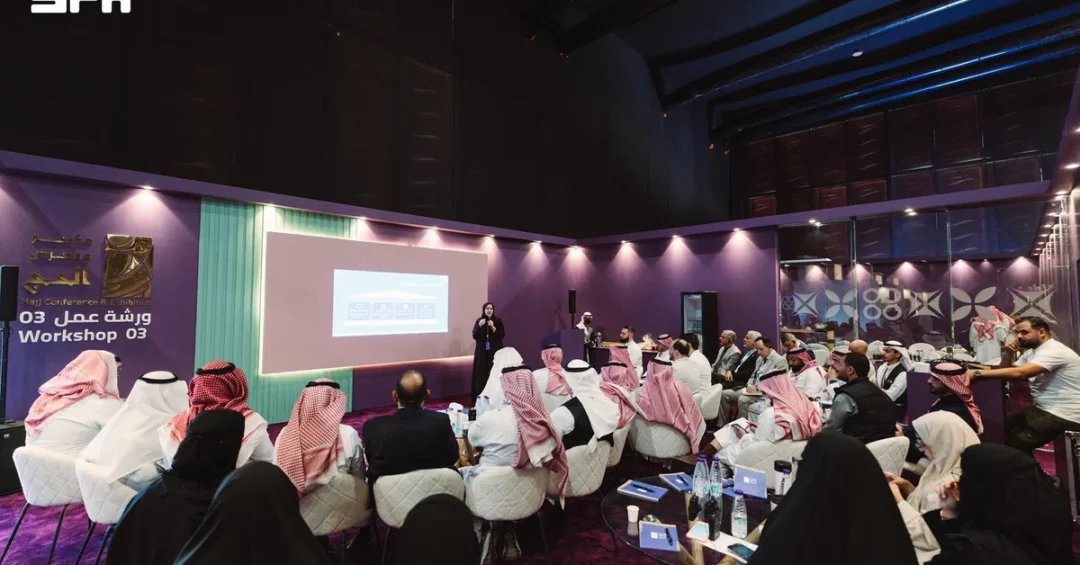
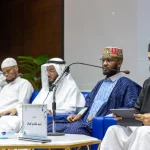
A specialized workshop titled “One Voice for the Hajj System: Inter-Entity Communication Governance During the Season” has underscored the importance of building an integrated corporate communication framework to strengthen coordination among the many bodies serving pilgrims, as announced through official Saudi channels during the Hajj Conference and Exhibition in Jeddah. The session, reported by the Saudi Press Agency (SPA) on November 11, 2026, brought together communication specialists and officials to examine how unified messaging and clearly defined roles can elevate the experience of the millions of guests of God who travel to the Kingdom each year.
The workshop forms part of a broader program of events at the Hajj Conference and Exhibition, a platform dedicated to reviewing the latest innovations, operational models, and best practices in pilgrim service. As the Hajj ecosystem grows in scale and complexity, the need for a shared communication philosophy has become increasingly vital. Why does a single, coordinated voice matter so much when so many entities are working side by side? The answer lies in the sheer diversity of stakeholders, from government ministries and security agencies to health services, transport operators, and volunteer organizations, all of whom must convey consistent and trustworthy information to pilgrims from across the globe.
Context and Background
The workshop addressed the emerging discipline of communication governance, which refers to the rules, structures, and processes that regulate how organizations share information and engage with their audiences. Within the Hajj system, this discipline takes on heightened significance because of the involvement of numerous government, service, and operational entities whose work must interlock seamlessly during a compressed seasonal window. The session explored how such governance can regulate media and outreach practices while clarifying responsibilities across the entire pilgrim-serving network.
How can dozens of separate institutions speak as one without losing their individual strengths? According to the discussions reported by SPA, the answer rests in a framework that supports coordination, ensures message consistency, and enhances the effectiveness of engagement with diverse stakeholders. The Hajj ecosystem has expanded into a multi-faceted operation encompassing crowd management, healthcare, accommodation, transportation, digital guidance, and multilingual support. Each of these domains generates its own communications, and without a unifying structure, messages risk becoming fragmented or contradictory, undermining public confidence and operational efficiency.
Organizers noted that the diversity of the target audience further complicates the communication environment. Pilgrims arrive from more than a hundred countries, speak dozens of languages, and carry a wide range of expectations, cultural backgrounds, and informational needs. Communication governance therefore serves as the connective tissue that allows every entity to address its particular audience while remaining aligned with the overarching message of the Hajj system. This alignment is not merely administrative; it directly affects the quality of the pilgrimage experience and the safety and comfort of the guests of God.
Key Details of the Workshop
During the session, participants discussed the role of communication governance in regulating media and outreach practices and in defining roles and responsibilities among the participating bodies. The conversation emphasized that clear ownership of communication tasks prevents duplication of effort, reduces the risk of conflicting announcements, and ensures that accurate information reaches pilgrims and their families through the most appropriate channels and at the most appropriate times.
Why is clarity of roles so essential in a system of this magnitude? The workshop’s framing suggests that when responsibilities are explicit, each entity can act with confidence and swiftness, particularly during peak periods when timely public messaging can shape crowd flow, health outcomes, and overall satisfaction. The discussions also highlighted the need for consistent terminology, shared content standards, and coordinated release schedules so that official information arrives through trusted outlets rather than through rumor or speculation.
According to SPA, the workshop was held under the umbrella of the Hajj Conference and Exhibition, which convenes experts, decision-makers, and service providers to exchange knowledge and showcase improvements in pilgrim care. The event itself reflects the Kingdom’s commitment to continuous enhancement of the Hajj system, drawing on both domestic expertise and international partnership. By dedicating a dedicated session to communication governance, organizers signaled that effective messaging is treated as a core operational capability rather than a secondary concern. Does this reflect a deeper shift in how pilgrim services are designed? The evidence suggests it does, with communication now positioned alongside logistics and safety as a pillar of seasonal readiness.
International and Regional Impact
The implications of stronger communication governance extend well beyond the operational boundaries of the Hajj season. Pilgrims returning to their home countries carry impressions of their experience that shape perceptions of the Kingdom across the Islamic world and beyond. Consistent, compassionate, and accurate communication during the pilgrimage can therefore reinforce confidence among international audiences and partner institutions, including travel agencies, health authorities, and diplomatic missions that support pilgrims before departure and after arrival.
How does a well-coordinated message travel across borders and cultures? When official Saudi channels speak with clarity and consistency, their information can be readily adopted by foreign media, community organizations, and service partners, reducing the space for misinformation. The workshop’s emphasis on engagement with diverse stakeholders acknowledges that effective communication is a shared responsibility, and that the Kingdom’s partners abroad play a meaningful role in preparing pilgrims for their journey. A unified voice strengthens the entire chain of communication, from pre-departure guidance to on-site assistance to post-pilgrimage follow-up.
Regionally, the Hajj system serves as a model of large-scale coordination that other major international gatherings can study. The Kingdom welcomes millions of visitors within a short period, managing their movements, health needs, and spiritual observances with remarkable precision. Communication governance is a key enabler of that precision, demonstrating how public institutions can align their messaging to support safety and hospitality. This reputation enhances Saudi Arabia’s standing as a reliable steward of the holy sites and a capable host of global events.
Economic and Strategic Significance
Effective communication also carries measurable economic and strategic value. When information flows efficiently, service providers can plan resources more accurately, avoid bottlenecks, and reduce waste, while pilgrims can make informed decisions about their schedules, accommodations, and movements. These improvements contribute to a smoother operating environment across the Hajj ecosystem, benefiting public budgets and private-sector partners alike as they invest in infrastructure and services that serve the guests of God.
Why should the business community pay attention to a workshop on communication? Because the Hajj economy is deeply interconnected with the Kingdom’s broader modernization agenda, involving transport, hospitality, retail, technology, and healthcare sectors. A coordinated communication framework supports these industries by creating predictability and trust, which in turn encourages investment and innovation. The discussions at the conference reflect an understanding that communication governance is not simply a media exercise but a strategic asset that strengthens institutional performance and enhances the Kingdom’s capacity to deliver world-class pilgrim services every year.
The workshop also pointed to the value of data-informed communication. Understanding audience needs through feedback and analytics allows entities to tailor messages, measure impact, and adjust approaches in real time. This orientation toward continuous improvement aligns with the wider culture of performance and accountability that animates Saudi public service today. By systematizing how information is shared, the Hajj system can respond to emerging challenges with agility and coherence, safeguarding both the pilgrim experience and the reputation of the institutions involved.
Vision 2030 Alignment
The communication governance initiative resonates strongly with the objectives of Saudi Vision 2030, which seeks to elevate the quality of services provided to pilgrims and to expand the Kingdom’s capacity to host increasing numbers of guests of God. Vision 2030’s Pilgrim Experience Program (Doyof Al Rahman) focuses on enriching the journey at every stage, and coordinated communication is a foundational element of that ambition. When entities speak with one voice, they embody the integrated governance and service excellence that Vision 2030 champions across the public sector.
What does this mean for the future of Hajj? It signals a continued commitment to professionalism, transparency, and hospitality as core national values. The workshop’s recommendations point toward a mature system in which every institution understands its communication role and works in harmony with its partners. This alignment supports the Kingdom’s global leadership in managing one of the world’s largest annual gatherings, and it reinforces the message that Saudi Arabia is dedicated to serving pilgrims with dignity, efficiency, and care. As the Hajj ecosystem continues to grow, such governance frameworks will remain essential to preserving the sanctity, safety, and success of the pilgrimage for generations to come.
20 Questions
Q1. What was the title of the workshop held during the Hajj Conference and Exhibition?
A1. The workshop was titled “One Voice for the Hajj System: Inter-Entity Communication Governance During the Season,” as reported by the Saudi Press Agency.
Q2. Where and when was the workshop reported?
A2. The Saudi Press Agency reported the workshop from Jeddah on November 11, 2026, during the Hajj Conference and Exhibition.
Q3. What core issue did the workshop address?
A3. It addressed the importance of establishing an integrated corporate communication framework that supports coordination among bodies serving pilgrims and ensures message consistency.
Q4. Why is communication governance especially important in the Hajj ecosystem?
A4. Because numerous government, service, and operational entities participate, and the target audience is diverse with varied needs, requiring unified and coordinated messaging.
Q5. What does the proposed framework aim to support?
A5. It aims to support coordination among various bodies, ensure message consistency, and enhance the effectiveness of engagement with diverse stakeholders.
Q6. What specific practices does communication governance regulate?
A6. It regulates media and outreach practices and defines roles and responsibilities among the entities serving pilgrims.
Q7. How does the framework help prevent conflicting information?
A7. By clarifying roles and responsibilities and establishing shared standards, it reduces duplication of effort and prevents conflicting announcements reaching pilgrims.
Q8. What types of entities are involved in the Hajj ecosystem?
A8. The ecosystem involves numerous government, service, and operational entities, all of which must coordinate their communication efforts during the season.
Q9. Why is the diversity of the target audience significant?
A9. Pilgrims come from many countries with different languages, cultures, and needs, so communication must be consistent yet tailored to reach diverse audiences effectively.
Q10. What was the wider event hosting this workshop?
A10. The workshop was part of the Hajj Conference and Exhibition, a platform for reviewing innovations and best practices in pilgrim service.
Q11. How does consistent messaging affect pilgrims’ experience?
A11. Clear, accurate, and coordinated information helps pilgrims make informed decisions, enhances their safety and comfort, and improves overall satisfaction with the journey.
Q12. What role does official Saudi reporting play in the workshop’s transparency?
A12. The Saudi Press Agency reported the workshop, ensuring information is released through official channels and presented as verified facts from recognized authorities.
Q13. How might communication governance benefit service providers?
A13. It allows providers to plan resources more accurately, avoid bottlenecks, and reduce waste, contributing to a smoother operating environment across the ecosystem.
Q14. How does the framework relate to international audiences?
A14. Consistent messaging can be adopted by foreign media and partners, reducing misinformation and reinforcing confidence in the Kingdom among international audiences.
Q15. What is the significance of defining roles and responsibilities explicitly?
A15. Explicit roles prevent duplication, reduce confusion, and allow each entity to act with confidence and swiftness, especially during peak operational periods.
Q16. How does communication governance connect to data-informed practice?
A16. Feedback and analytics help entities tailor messages, measure impact, and adjust approaches in real time, supporting continuous improvement in pilgrim services.
Q17. Which Saudi national strategy does this initiative align with?
A17. It aligns with Saudi Vision 2030 and the Pilgrim Experience Program, which aim to elevate the quality of services provided to pilgrims.
Q18. What does the “one voice” concept mean in practice?
A18. It means different institutions share a unified communication philosophy, ensuring consistency while each addresses its specific audience and responsibilities.
Q19. Why is timely public messaging critical during the Hajj season?
A19. Timely messaging can shape crowd flow, support health outcomes, and guide pilgrims safely during the compressed seasonal window when millions attend.
Q20. What broader outcome does the workshop support?
A20. It supports a mature, integrated Hajj system that delivers accurate information, safeguards pilgrim welfare, and reinforces Saudi Arabia’s role as a capable host.
Reader Feedback
We value your thoughts. Please share your feedback on this article.
Your feedback helps us improve our coverage.
Related articles
 NCM Issues Rain Advisory for Makkah Through Afternoon
 5.2-Magnitude Earthquake Strikes Western Papua New Guinea
 Interior Ministry Showcases Field Technology at Hajj Conference
 NCM Warns Rain to Continue Across Riyadh Region Until 9 p.m.
 Saudi NCM Forecasts Thunderstorms, Flash Flood Risk for Wednesday
 Islamic University of Madinah Forum Examines AI and Shariah Rulings