


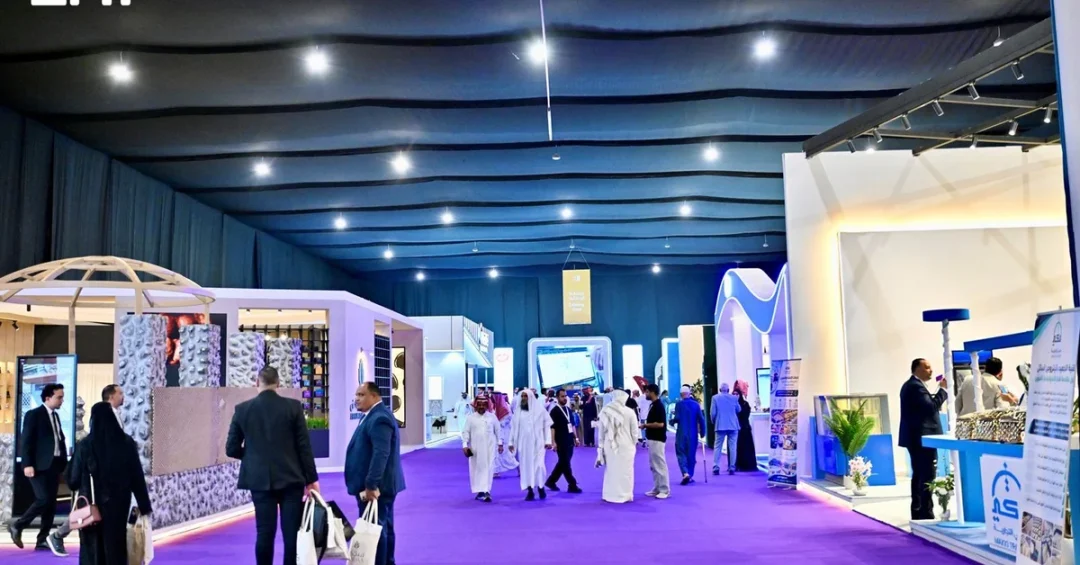
The Hajj Innovations Exhibition Pavilion at the Hajj Conference and Exhibition in Jeddah is showcasing a wide array of initiatives, technical solutions, and creative ideas designed to improve the quality of services provided to pilgrims, the Saudi Press Agency (SPA) reported. The pavilion invites visitors to explore innovative concepts and projects while highlighting the role of modern technologies, including artificial intelligence and digital transformation, in developing practical solutions for challenges related to crowd management, transportation, and guidance. The exhibition reflects the Kingdom’s determination to harness advanced technology in service of the millions of faithful who travel to the holy sites each year.
The announcement, carried by the Saudi Press Agency on November 11, 2026, underscores a broader national commitment to elevating the pilgrimage experience through innovation. With pilgrims arriving from nearly every country on earth, the logistical demands of Hajj and Umrah are immense, and Saudi Arabia has increasingly turned to its technology sector, research institutions, and entrepreneurial community to meet them. The pavilion stands as a visible expression of that partnership, bringing together government entities, private companies, and researchers under one roof. Why does this matter to observers far beyond the region? Because the solutions on display speak to how the Kingdom is translating Vision 2030 ambitions into real-world services for a global community of worshippers.
Context and Background
The Hajj Conference and Exhibition has become a central gathering point for officials, technologists, and service providers engaged in the pilgrimage sector. The dedicated Hajj Innovations Exhibition Pavilion builds on this platform by giving innovators a stage to present ideas that can be tested, refined, and eventually deployed at scale. According to the Saudi Press Agency, the pavilion highlights the importance of supporting innovators, entrepreneurs, and researchers, encouraging them to contribute high-quality ideas that help develop the Hajj and Umrah ecosystem. Have you ever considered how much coordination is required to move, guide, and protect millions of people across a short span of days? The answer lies in a dense web of planning that increasingly leans on digital tools.
The background to this effort is the steady modernization of the Kingdom’s pilgrimage infrastructure over the past decade. Saudi Arabia has invested heavily in expanding the capacity of the holy sites, upgrading transportation networks, and introducing digital services that streamline everything from visa processing to health monitoring. In this context, the Innovations Pavilion is not an isolated showcase but part of a continuous cycle of improvement, in which annual lessons learned feed directly into the next generation of services. The exhibition therefore serves both as a display of present capability and as a signal of future direction, connecting today’s prototypes with tomorrow’s operating systems.
Another important dimension is the emphasis on collaboration across sectors. The pavilion fosters the exchange of expertise among government entities, the private sector, and research and technical institutions, with the shared goal of turning creative concepts into actionable solutions that promote sustainability and improve service quality. This tripartite model, bringing together regulators, businesses, and academics, is a hallmark of how the Kingdom approaches complex national challenges. Is it any surprise that a task as demanding as serving millions of pilgrims would require such broad cooperation? The structure of the pavilion reflects a deliberate choice to break down silos when confronting problems that no single organization could solve alone.
Innovations on Display
Visitors to the pavilion can explore a range of projects that address some of the most persistent challenges in pilgrimage management. Among the priorities highlighted by the Saudi Press Agency are crowd management, transportation, and guidance. Artificial intelligence is positioned as a central tool in each of these areas, whether through predictive modeling that helps anticipate congestion at specific locations and times, or through real-time information systems that direct pilgrims along the safest and most efficient routes. Digital transformation, meanwhile, underpins the ability to gather, process, and act on data at the speed the pilgrimage demands. How can technology make a difference in settings where every minute counts? By giving decision-makers and pilgrims alike the information they need, when they need it.
The pavilion also places a strong emphasis on supporting homegrown talent. By encouraging innovators, entrepreneurs, and researchers to contribute ideas, the exhibition creates a pathway for local creativity to reach the frontline of service delivery. This approach aligns with broader national efforts to build a knowledge-based economy in which Saudi talent competes on the global stage. The presence of startups and research teams alongside established institutions gives the pavilion a dynamic character, mixing tested solutions with promising concepts that may soon be ready for wider application. In this way, the exhibition functions as both a marketplace of ideas and an incubator for the technologies that will shape future Hajj seasons.
Equally notable is the attention to sustainability. The Saudi Press Agency report notes that the goal of collaboration is to turn creative concepts into actionable solutions that promote sustainability and improve service quality. Sustainability here encompasses environmental responsibility, operational efficiency, and the long-term durability of the systems put in place. Can innovation serve both the pilgrim and the planet? The projects on display suggest that the answer is yes, as developers increasingly design solutions that reduce waste, optimize energy use, and extend the life of infrastructure across multiple pilgrimage cycles.
International and Regional Impact
The implications of these efforts extend well beyond Saudi Arabia’s borders. Hajj and Umrah draw worshippers from across Asia, Africa, Europe, and the Americas, and the quality of their experience is closely watched by governments and communities worldwide. Improvements in crowd safety, transportation efficiency, and guidance systems therefore have a direct and visible international dimension, reinforcing the Kingdom’s reputation as a capable and conscientious host. For many pilgrims, the journey is a once-in-a-lifetime experience, and the standards maintained during their visit leave a lasting impression that shapes perceptions of Saudi Arabia for years to come.
Regionally, the exhibition positions Jeddah and the wider Kingdom as a hub for pilgrimage-related technology and expertise. Countries with large Muslim populations have a natural interest in the systems being developed, and the collaborative model on display offers opportunities for knowledge sharing and partnership. By inviting innovators from various backgrounds to contribute, the pavilion encourages an exchange of ideas that can benefit the entire Islamic world. Does a shared challenge not invite a shared response? The platform provided by the exhibition suggests that the Kingdom sees its role in pilgrimage service as a form of international cooperation as much as a domestic responsibility.
Economic and Strategic Significance
From an economic standpoint, the innovations showcased reflect the growing role of the technology sector in the Kingdom’s diversification strategy. The Hajj and Umrah ecosystem represents a significant sphere of service activity, and the introduction of advanced technologies creates opportunities for new businesses, skilled employment, and investment in research and development. Supporting entrepreneurs and researchers, as the Saudi Press Agency notes, is an investment in a pipeline of solutions that can be commercialized and exported as expertise. What does a successful prototype in crowd management or guidance represent? It represents a potential product, a potential partnership, and a potential contribution to the national economy.
Strategically, the emphasis on sustainability and service quality speaks to the long-term planning that underpins Saudi Arabia’s approach to the pilgrimage. Rather than treating each season as an isolated event, the Kingdom is building systems that accumulate knowledge and improve over time. The collaboration among government entities, the private sector, and research institutions ensures that lessons learned are captured and applied. This continuous improvement model is central to maintaining the trust of pilgrims and the international community. It also demonstrates how national visions can be translated into tangible outcomes in one of the most sensitive and symbolically important areas of public life.
Vision 2030 Alignment
The Hajj Innovations Exhibition Pavilion is a clear expression of the objectives of Saudi Vision 2030, which seeks to build a diversified, technology-driven economy while enhancing the quality of life for citizens and visitors alike. By promoting innovation, supporting entrepreneurs, and encouraging the adoption of artificial intelligence and digital transformation, the pavilion contributes directly to the vision’s goals of economic diversification and public service excellence. The Kingdom’s leadership has consistently emphasized that the service of pilgrims is both a sacred duty and a source of national pride, and the exhibition demonstrates how modern tools can honor that duty with greater efficiency and care.
Looking ahead, the pavilion signals a future in which the pilgrimage experience is shaped by continuous technological advancement, cross-sector collaboration, and a deep commitment to sustainability. As new ideas move from the exhibition floor to the holy sites, they will help ensure that Hajj and Umrah remain safe, dignified, and spiritually fulfilling for every pilgrim who answers the call. In this way, the Innovations Pavilion serves not only as a showcase of today’s creativity but as a promise of what Saudi Arabia, guided by Vision 2030, intends to achieve in the years to come. The journey of improvement, it seems, is only just beginning, and the Kingdom is determined to lead it.
20 Questions
Q1. What is the Hajj Innovations Exhibition Pavilion?
A1. It is a dedicated space at the Hajj Conference and Exhibition in Jeddah that showcases initiatives, technical solutions, and creative ideas aimed at improving services for pilgrims, as reported by the Saudi Press Agency.
Q2. Where is the pavilion located?
A2. The pavilion is part of the Hajj Conference and Exhibition held in Jeddah, Saudi Arabia, where visitors can explore innovative concepts and projects related to pilgrimage services.
Q3. What technologies are highlighted at the pavilion?
A3. The pavilion highlights modern technologies such as artificial intelligence and digital transformation, which are used to develop practical solutions for challenges related to crowd management, transportation, and guidance.
Q4. What challenges does the pavilion aim to address?
A4. It focuses on challenges related to crowd management, transportation, and guidance, seeking practical solutions that improve the quality of services provided to pilgrims during Hajj and Umrah.
Q5. Who benefits from the innovations on display?
A5. Pilgrims are the primary beneficiaries, along with government entities, private sector companies, and research institutions that collaborate to improve the Hajj and Umrah ecosystem.
Q6. What role do innovators and entrepreneurs play?
A6. The pavilion underscores the importance of supporting innovators, entrepreneurs, and researchers, encouraging them to contribute high-quality ideas that help develop the Hajj and Umrah ecosystem.
Q7. How does the pavilion encourage collaboration?
A7. It fosters collaboration and the exchange of expertise among government entities, the private sector, and research and technical institutions, aiming to turn creative concepts into actionable solutions.
Q8. What is the goal of turning creative concepts into solutions?
A8. The goal is to promote sustainability and improve service quality, ensuring that ideas developed at the exhibition can be applied in real-world pilgrimage operations.
Q9. Which Saudi agency reported on the pavilion?
A9. The Saudi Press Agency (SPA) reported on the pavilion on November 11, 2026, providing details about the initiatives and technologies being showcased.
Q10. What is the broader significance of the pavilion?
A10. It represents Saudi Arabia’s commitment to leveraging advanced technology and innovation to serve pilgrims, reflecting national efforts toward modernization and improved service delivery.
Q11. How does artificial intelligence support crowd management?
A11. Artificial intelligence can help analyze and predict crowd patterns, enabling better planning and real-time decisions that enhance safety and efficiency during large-scale pilgrimage gatherings.
Q12. What does digital transformation contribute to Hajj services?
A12. Digital transformation supports the collection and processing of data, streamlining services and enabling faster, more informed responses to the needs of pilgrims and organizers.
Q13. Why is sustainability emphasized at the pavilion?
A13. Sustainability is emphasized because the goal is to create solutions that are durable, efficient, and environmentally responsible, improving service quality across future pilgrimage seasons.
Q14. How does the pavilion support local talent?
A14. By encouraging innovators, entrepreneurs, and researchers to present ideas, the pavilion provides a platform for local creativity and helps turn promising concepts into practical services.
Q15. What sectors participate in the collaboration?
A15. Government entities, the private sector, and research and technical institutions participate, working together to develop and deploy solutions for the Hajj and Umrah ecosystem.
Q16. How does the pavilion connect to Saudi Vision 2030?
A16. It aligns with Vision 2030 by promoting innovation, supporting entrepreneurs, and advancing technology-driven services that contribute to economic diversification and improved quality of life.
Q17. What can visitors do at the pavilion?
A17. Visitors can explore various innovative concepts and projects, learning about how modern technologies are being applied to improve services for pilgrims.
Q18. Why is the pilgrimage sector important to Saudi Arabia?
A18. Serving pilgrims is both a sacred duty and a source of national pride, and the sector requires continuous improvement to accommodate millions of worshippers safely and efficiently.
Q19. How does the pavilion reflect international engagement?
A19. Since pilgrims come from around the world, improvements in services have international significance, reinforcing the Kingdom’s role as a capable host and encouraging knowledge sharing.
Q20. What is the forward-looking message of the pavilion?
A20. The pavilion signals a future in which technology, collaboration, and sustainability continue to enhance the pilgrimage experience, supporting Saudi Arabia’s long-term vision for service excellence.
Reader Feedback
We value your thoughts. Please share your feedback on this article.
Your feedback helps us improve our coverage.
Related articles
 Hajj Workshop Stresses Unified Communication Governance
 NCM Issues Rain Advisory for Makkah Through Afternoon
 5.2-Magnitude Earthquake Strikes Western Papua New Guinea
 Interior Ministry Showcases Field Technology at Hajj Conference
 NCM Warns Rain to Continue Across Riyadh Region Until 9 p.m.
 Saudi NCM Forecasts Thunderstorms, Flash Flood Risk for Wednesday