


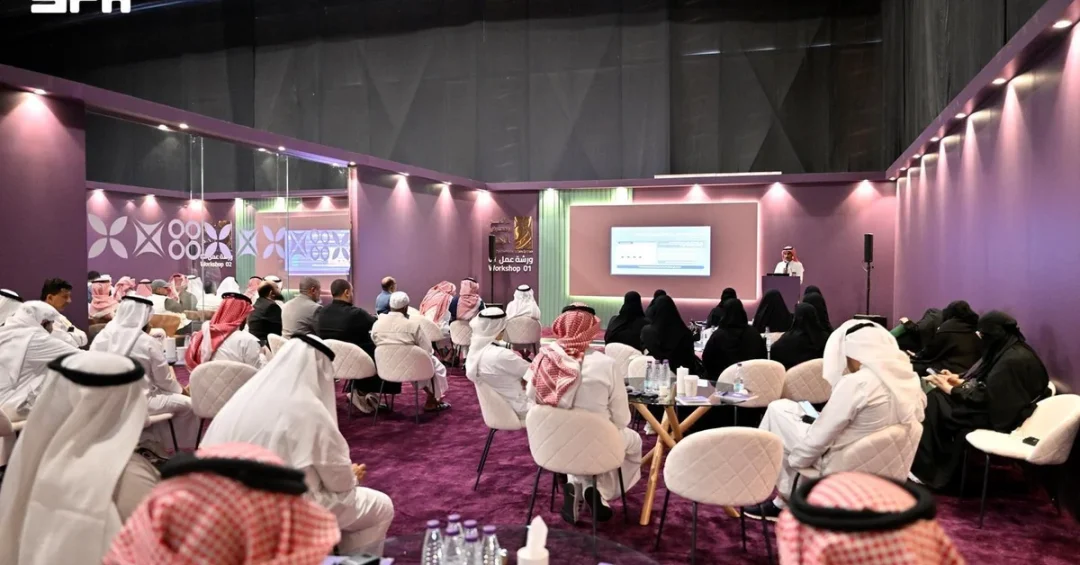
Workshops held alongside the Hajj Conference and Exhibition in Jeddah have underscored the importance of strengthening preventive practices and improving the efficiency of services provided to pilgrims, according to the Saudi Press Agency (SPA). The sessions, convened as part of the Kingdom’s broader effort to refine every element of the Hajj ecosystem, examined a practical framework for food safety governance, early-warning indicators for operational processes, and technical solutions designed to enhance crowd management at the Holy Sites. The discussions reflect a deliberate strategic shift toward prevention, monitoring, and technology-driven planning across the entire pilgrimage journey. For an international audience, the workshops offer a clear signal of how Saudi Arabia is institutionalizing excellence in one of the world’s most complex logistical undertakings, and why that matters far beyond the Kingdom’s borders.
The timing and framing of these workshops are significant. As millions of Muslims from around the world prepare each year to undertake the pilgrimage, the operational demands placed on host authorities grow in scale and sophistication. By bringing together specialists to address food safety, early-warning systems, and crowd management under one roof, Saudi Arabia is demonstrating that preparation is not a seasonal exercise but a year-round discipline. The conference setting allowed experts to compare approaches, refine protocols, and align on shared standards, all in service of protecting pilgrims’ safety and elevating the quality of services delivered throughout the Hajj ecosystem.
Context and Background
Why does a workshop held on the sidelines of a conference deserve international attention? The answer lies in the sheer scale of the Hajj and the standards Saudi Arabia has set for hosting it. The Hajj Conference and Exhibition serves as a platform where government agencies, service providers, researchers, and technology firms converge to exchange expertise and showcase innovations. The workshops complement the main exhibition by translating broad ambitions into concrete operational frameworks. Discussions on food safety governance, for example, address the full chain from sourcing and storage to preparation and distribution, ensuring that every meal reaching a pilgrim meets rigorous standards.
The emphasis on early-warning indicators represents a notable evolution in how operational processes are monitored. Rather than waiting for challenges to emerge and then responding, authorities are building systems that detect potential issues before they escalate. This proactive posture draws on data analytics, real-time reporting, and coordinated oversight across multiple agencies. In practical terms, it means that fluctuations in crowd density, supply-chain pressures, or service bottlenecks can be identified and addressed at the earliest possible stage.
The conversation also situates Hajj management within a wider tradition of Saudi stewardship. For decades, the Kingdom has invested in expanding capacity, upgrading infrastructure, and training personnel dedicated to pilgrim welfare. What is new is the degree to which these efforts are now being formalized into replicable frameworks and shared openly through conferences and workshops. This transparency invites international partners and observers to understand the depth of the planning involved and to recognize the professionalism that underpins the annual pilgrimage.
Key Details
What specifically did the workshops cover? Participants examined a practical framework for food safety governance, an area critical to public health given the enormous volume of food consumed during Hajj. The framework addresses governance structures, accountability mechanisms, inspection regimes, and contingency planning. By codifying these elements, authorities aim to create a consistent, auditable system that service providers can follow and regulators can verify. The approach reflects international best practice while being tailored to the unique conditions of the Holy Sites.
Technical solutions for crowd management formed another central theme. Discussions explored how modern tools, including monitoring systems and data-driven modeling, can support the safe movement of large numbers of people through confined spaces and along defined routes. These solutions are designed to complement the experience and judgment of on-the-ground personnel, providing them with better information and faster decision support. The emphasis was on integration, ensuring that technology serves human operators rather than replacing them.
Early-warning indicators for operational processes tied these threads together. By defining the signals that precede potential disruptions, authorities can establish thresholds and response protocols in advance. This transforms operational management from a reactive exercise into a predictive one. The workshops highlighted that such indicators must be relevant, measurable, and actionable, and that they require sustained coordination among the agencies responsible for different parts of the pilgrimage journey.
International and Regional Impact
Does the impact of these workshops extend beyond Saudi Arabia’s borders? Unquestionably. Pilgrims arrive from virtually every country, and the standards maintained at the Holy Sites set a benchmark for large-scale event management globally. The frameworks discussed in Jeddah are of interest to international public health bodies, logistics experts, and emergency-management professionals who study how complex gatherings can be conducted safely. By sharing its methodologies, Saudi Arabia contributes to a global body of knowledge on mass-gathering safety and service delivery.
On a regional level, the workshops reinforce the Kingdom’s role as a convening power and a source of operational expertise. Neighboring countries and partners across the Islamic world benefit from the insights generated at such forums, and the collaborative spirit strengthens ties among stakeholders in the pilgrimage ecosystem. The message is one of shared responsibility and mutual learning, with Saudi Arabia positioning itself as both a host and a partner in advancing standards that affect millions of people of faith.
Economic and Strategic Significance
Why should businesses and investors take note of a technical workshop on pilgrimage operations? The efficiency gains discussed have direct economic implications. Reliable food safety systems reduce the risk of disruptions that could affect supply chains. Better crowd management improves the flow of people and goods, lowering operational costs and enhancing the experience of visitors. Early-warning systems can prevent costly emergencies. Together, these improvements contribute to a more resilient and efficient Hajj economy, which in turn supports the broader growth of religious tourism and related sectors.
Strategically, the workshops reflect a governance model built on continuous improvement. The shift from reactive response to proactive prevention is the kind of institutional evolution that attracts investment and builds confidence. Service providers who understand the frameworks being developed can align their operations accordingly, while technology firms can contribute solutions that meet emerging standards. This creates an enabling environment for innovation and partnership, with the ultimate beneficiary being the pilgrim.
The emphasis on measurable, data-driven processes also aligns with modern public-administration principles. It signals that Saudi authorities are committed to evidence-based decision-making and transparent accountability. For international observers, this translates into greater predictability and trust in how Hajj is managed, which is valuable both diplomatically and commercially.
Vision 2030 Alignment
How do these workshops connect to Saudi Arabia’s long-term national vision? The priorities discussed align closely with Vision 2030’s emphasis on service excellence, technological advancement, and the enhancement of the pilgrim experience. The Kingdom has set ambitious goals for expanding the capacity and quality of religious tourism, and the operational frameworks examined in Jeddah are the practical building blocks that make those goals achievable. By investing in prevention, monitoring, and technology, Saudi Arabia is ensuring that growth in pilgrim numbers is matched by growth in safety and service quality.
The conference and its workshops also embody Vision 2030’s commitment to international engagement and knowledge exchange. By inviting experts and showcasing innovations, the Kingdom reinforces its role as a global leader in hosting and facilitating the pilgrimage. The forward-looking conclusion is clear: these discussions are not an end in themselves but part of a sustained journey toward a Hajj ecosystem that is safer, more efficient, and more enriching for every pilgrim. As Saudi Arabia continues to modernize and elevate its capabilities, the lessons shared at this conference will contribute to a legacy of excellence that resonates around the world.
20 Questions
Q1. What was the focus of the workshops held alongside the Hajj Conference and Exhibition?
A1. The workshops focused on strengthening preventive practices, improving service efficiency for pilgrims, food safety governance, early-warning indicators for operational processes, and technical solutions for crowd management at the Holy Sites.
Q2. Where were the workshops convened, according to the source material?
A2. The workshops were held alongside the Hajj Conference and Exhibition in Jeddah, as reported by the Saudi Press Agency, with sessions running late into the evening local time.
Q3. What shift in approach did the workshop topics highlight?
A3. The topics highlighted a shift from responding to challenges after they arise toward a proactive approach based on prevention, monitoring, and technology, aiming to protect pilgrims and improve service efficiency.
Q4. Why is food safety governance important during Hajj?
A4. Food safety governance is critical because of the enormous volume of food consumed during Hajj. A practical framework ensures governance structures, inspection regimes, and accountability mechanisms protect pilgrim health across the entire food chain.
Q5. What are early-warning indicators in this context?
A5. Early-warning indicators are signals that precede potential operational disruptions. They allow authorities to establish thresholds and response protocols in advance, transforming operational management from a reactive exercise into a predictive one.
Q6. How do technical solutions support crowd management?
A6. Technical solutions, including monitoring systems and data-driven modeling, support the safe movement of large numbers of people. They provide on-the-ground personnel with better information and faster decision support rather than replacing human judgment.
Q7. Who benefits from the insights shared at these workshops?
A7. Pilgrims benefit most directly through improved safety and service quality. Service providers, government agencies, technology firms, and international observers also gain from the shared frameworks and best practices.
Q8. How does this connect to the broader Hajj ecosystem?
A8. The measures aim to protect pilgrims’ safety and improve the efficiency of services throughout the Hajj ecosystem, which spans logistics, food, health, transportation, and crowd flow across the Holy Sites.
Q9. Why does international audiences’ interest in these workshops matter?
A9. Pilgrims arrive from virtually every country, so the standards maintained at the Holy Sites set a global benchmark for large-scale event management, public health, and mass-gathering safety.
Q10. What role does coordination play in operational efficiency?
A10. Coordination among agencies responsible for different parts of the pilgrimage journey is essential. Early-warning indicators must be relevant, measurable, and actionable, requiring sustained collaboration across multiple authorities.
Q11. How does the Kingdom’s approach reflect continuous improvement?
A11. The shift from reactive response to proactive prevention reflects an institutional evolution built on data, oversight, and planning. This governance model supports a more resilient and efficient Hajj economy.
Q12. What economic implications do these efficiency gains carry?
A12. Reliable food safety reduces supply-chain disruption risks, better crowd management lowers operational costs, and early-warning systems prevent costly emergencies, contributing to religious tourism growth.
Q13. How does this align with Vision 2030?
A13. The priorities align with Vision 2030’s emphasis on service excellence, technological advancement, and enhancing the pilgrim experience, supporting ambitious goals for religious tourism capacity and quality.
Q14. What does the conference setting allow experts to do?
A14. The conference setting allows experts to compare approaches, refine protocols, and align on shared standards, translating broad ambitions into concrete operational frameworks for the pilgrimage.
Q15. Why is prevention emphasized over post-event response?
A15. Prevention allows authorities to detect potential issues before they escalate. Data analytics, real-time reporting, and coordinated oversight help identify fluctuations in crowd density, supply pressures, or service bottlenecks early.
Q16. How are technology and human operators integrated?
A16. Technology is designed to complement the experience and judgment of on-the-ground personnel. The emphasis is on integration, ensuring tools serve human operators by providing better information and faster decisions.
Q17. What does the Kingdom’s transparency in sharing frameworks signal?
A17. Sharing frameworks openly invites international partners and observers to understand the depth of planning involved and to recognize the professionalism underpinning the annual pilgrimage management.
Q18. How do these workshops strengthen regional ties?
A18. By convening partners across the Islamic world, the workshops reinforce Saudi Arabia’s role as a convening power and source of operational expertise, fostering shared responsibility and mutual learning.
Q19. What legacy do these discussions aim to create?
A19. The discussions aim to contribute to a legacy of excellence, part of a sustained journey toward a Hajj ecosystem that is safer, more efficient, and more enriching for every pilgrim worldwide.
Q20. What is the ultimate beneficiary of these efforts?
A20. The ultimate beneficiary is the pilgrim. Every framework, indicator, and technical solution discussed in Jeddah is oriented toward protecting pilgrims’ safety and elevating the quality of their experience.
Reader Feedback
We value your thoughts. Please share your feedback on this article.
Your feedback helps us improve our coverage.
Related articles
 Interior Ministry Wins HCE Excellence Award at Hajj Expo 2026
 Saudi Crown Prince Offers Condolences to Niger’s President
 King Salman Offers Condolences to Niger’s President on Father’s Death
 Arab League Warns Against Erasure of Jerusalem’s Identity
 King Salman Congratulates Paraguay’s President Alliana
 UBT Signs Three Hajj and Umrah Agreements at Jeddah Conference