


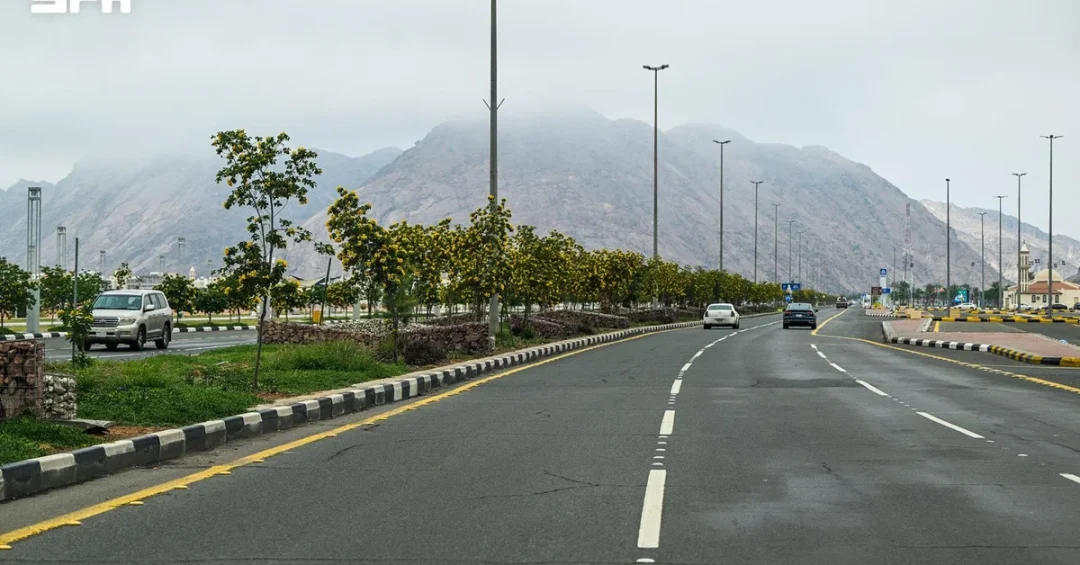
A thick blanket of fog covered the skies over the city of Hail since the early hours of this morning, spreading across its mountains and highlands and creating striking visual scenes that have captured the attention of residents and visitors alike. The phenomenon, reported by the Saudi Press Agency (SPA), saw fog touch the peaks and flow through the ravines, transforming the landscape into a breathtaking panorama. Hail, a region renowned for its natural beauty and moderate climate, frequently experiences such atmospheric conditions during the cooler months, but this morning’s display was particularly dense and widespread.
The fog began to form in the pre-dawn hours and persisted through the morning, enveloping the highlands in a soft, ethereal mist. Local observers noted that the fog rolled across the mountain ridges and descended into the valleys, creating a layered effect that highlighted the region’s rugged topography. Such weather patterns are a testament to Hail’s unique geography, situated at an elevation that allows for the formation of fog when temperature and humidity conditions align. The scene, described as both serene and dramatic, offered a moment of natural wonder for those who witnessed it.
Context and Background
Why does Hail so often become the stage for such atmospheric displays? The answer lies in its topography and climate. Hail is located in the north-central part of Saudi Arabia, on the edge of the vast Najd plateau, and is surrounded by the Shammar Mountains, including the iconic Aja and Salma ranges. These mountains rise sharply from the surrounding plains, creating a barrier that traps moisture and cool air, especially during the autumn and winter months. When humid air moves into the region and temperatures drop overnight, fog can form and linger, blanketing the peaks and valleys.
The phenomenon is well-known to residents of Hail and is often celebrated as a symbol of the region’s natural beauty. The fog not only adds to the scenic allure of the area but also contributes to the local ecosystem by providing moisture to vegetation and helping to replenish groundwater. In recent years, the Saudi government has invested in tourism infrastructure in Hail, recognizing its potential as a destination for nature lovers and adventure seekers. The region is part of the broader Vision 2030 initiative to diversify the Kingdom’s economy and promote domestic and international tourism.
Key Details
The fog was first reported in the early hours of the morning, with the Saudi Press Agency noting that it had covered the skies over Hail since dawn. According to the SPA, the fog spread across the mountains and highlands, touching the peaks and flowing through the ravines. This created a scene that many described as magical, with the mist clinging to the rocky slopes and filling the valleys like a river of cloud. Visibility in some areas was reduced, but no major disruptions were reported, and the fog began to dissipate as the morning progressed.
Meteorologists explain that such fog events are common in Hail during the transitional seasons when the difference between daytime and nighttime temperatures is significant. The fog typically forms when the ground cools rapidly after sunset, causing the air near the surface to condense into visible moisture. This morning’s event was particularly notable for its density and extent, covering a wide area of the highlands and persisting for several hours. Residents took to social media to share photographs and videos of the fog, with many expressing awe at the natural spectacle.
International and Regional Impact
Could the fog over Hail have implications beyond the immediate region? While fog is a local weather phenomenon, its occurrence in a region that is increasingly positioning itself as a tourist destination is significant. Hail’s natural beauty, including its mountains, deserts, and now its atmospheric displays, is being promoted as part of Saudi Arabia’s broader tourism strategy. The Kingdom aims to attract 100 million visitors annually by 2030, and regions like Hail are key to achieving that goal. The fog creates a unique selling point, offering visitors a chance to experience a side of Saudi Arabia that is often overlooked.
For international audiences, the fog event serves as a reminder of the diversity of Saudi Arabia’s landscapes. Beyond the better-known urban centers and desert expanses, the Kingdom boasts mountainous regions with their own distinct climates and ecosystems. This diversity is being showcased through various promotional campaigns and infrastructure projects, including the development of hotels, resorts, and adventure tourism facilities in Hail and other regions. The fog, while transient, adds to the allure of these areas and highlights the potential for year-round tourism.
Economic and Strategic Significance
How does a weather event like fog connect to the broader economic goals of Saudi Arabia? The answer lies in the Kingdom’s efforts to diversify its economy away from oil dependency. Tourism is a cornerstone of Vision 2030, and natural attractions play a vital role in attracting visitors. Hail, with its moderate climate and stunning landscapes, is well-positioned to benefit from this push. The fog event, while not an economic driver in itself, contributes to the region’s image as a place of natural wonder and beauty, which can help draw tourists and investment.
Moreover, the Saudi government has been investing in weather monitoring and early warning systems to ensure the safety and comfort of residents and visitors. The Saudi National Center for Meteorology (NCM) provides regular updates and forecasts, helping to mitigate any potential disruptions caused by fog or other weather conditions. This infrastructure is part of a larger effort to enhance the quality of life and support the growth of tourism. The fog over Hail, therefore, is not just a picturesque moment but also a reflection of the Kingdom’s advanced capabilities in managing its environment.
Vision 2030 Alignment
Does the fog over Hail symbolize something greater about Saudi Arabia’s future? It certainly underscores the Kingdom’s commitment to showcasing its natural heritage as part of Vision 2030. The vision, launched by Crown Prince Mohammed bin Salman, aims to transform Saudi Arabia into a global hub for tourism, culture, and innovation. Natural phenomena like the fog in Hail are being integrated into the narrative of a modern, open Saudi Arabia that welcomes the world to explore its diverse landscapes. The event also highlights the importance of environmental preservation and sustainable development.
As Saudi Arabia continues to develop its tourism sector, regions like Hail will play an increasingly prominent role. The fog that blanketed the mountains this morning is a reminder of the beauty that awaits those who venture beyond the familiar. With ongoing investments in infrastructure and promotion, Hail is poised to become a must-visit destination for nature enthusiasts and curious travelers alike. The Kingdom’s leadership remains dedicated to preserving these natural treasures while sharing them with the world, in line with the aspirations of Vision 2030.
20 Questions
Q1. What weather phenomenon occurred in Hail?
A1. Fog covered the skies over the city of Hail, spreading across its mountains and highlands since the early hours of the morning, creating striking visual scenes.
Q2. When did the fog appear?
A2. The fog began in the early hours of the morning and persisted through the morning, as reported by the Saudi Press Agency.
Q3. Which areas were affected by the fog?
A3. The fog spread across the mountains and highlands of Hail, touching the peaks and flowing through the ravines.
Q4. What caused the fog to form?
A4. The fog formed due to the region’s topography and climate, with cool nighttime temperatures causing moisture in the air to condense into visible fog.
Q5. Is fog common in Hail?
A5. Yes, fog is a common phenomenon in Hail during the cooler months, especially in autumn and winter, due to the area’s mountainous terrain.
Q6. How did residents react to the fog?
A6. Residents shared photographs and videos on social media, expressing awe at the natural spectacle and the beauty of the fog-covered landscape.
Q7. Did the fog cause any disruptions?
A7. No major disruptions were reported, although visibility was reduced in some areas. The fog began to dissipate as the morning progressed.
Q8. What is the significance of Hail’s mountains?
A8. The Shammar Mountains, including the Aja and Salma ranges, are iconic to Hail and contribute to the region’s unique climate and scenic beauty.
Q9. How does fog benefit the environment?
A9. Fog provides moisture to vegetation and helps replenish groundwater, supporting the local ecosystem.
Q10. Is Hail a tourist destination?
A10. Yes, Hail is being developed as a tourist destination, with investments in infrastructure to attract visitors interested in nature and adventure.
Q11. What role does the Saudi Press Agency play?
A11. The Saudi Press Agency (SPA) is the official news agency of Saudi Arabia, reporting on events and developments across the Kingdom.
Q12. How does this fog event align with Vision 2030?
A12. The fog highlights Saudi Arabia’s natural beauty, which is being promoted as part of Vision 2030’s tourism goals to diversify the economy.
Q13. What is the climate of Hail like?
A13. Hail has a moderate climate with cool winters and hot summers, and its elevated terrain makes it prone to fog formation during transitional seasons.
Q14. Are there any safety measures for fog?
A14. The Saudi National Center for Meteorology provides forecasts and updates to help residents and travelers prepare for fog and other weather conditions.
Q15. How long did the fog last?
A15. The fog persisted for several hours, from the early morning until it began to dissipate later in the morning.
Q16. What makes Hail’s fog visually striking?
A16. The fog touches the peaks and flows through ravines, creating a layered, ethereal effect that highlights the rugged topography of the region.
Q17. Can tourists visit Hail to see such phenomena?
A17. Yes, tourists can visit Hail to experience its natural beauty, including fog events, especially during the cooler months.
Q18. What other attractions does Hail offer?
A18. Hail offers mountains, deserts, historical sites, and cultural experiences, making it a diverse destination for travelers.
Q19. How is the Saudi government supporting tourism in Hail?
A19. The government is investing in infrastructure, hotels, and promotional campaigns to develop Hail as a tourist destination under Vision 2030.
Q20. What is the overall significance of this fog event?
A20. The fog event showcases the natural beauty of Hail and underscores Saudi Arabia’s commitment to promoting its diverse landscapes as part of Vision 2030.
Reader Feedback
We value your thoughts. Please share your feedback on this article.
Your feedback helps us improve our coverage.
Related articles
 Saudi Arabia Achieves Leading Positions in AI Indicators in IMD’s 2026 Ranking
 Six Girls’ College Projects Qualify for SAIF 2026 in Riyadh
 KAUST Launches World’s Largest Coral Restoration Facility on Red Sea
 University of Bisha Cybersecurity Master’s First in Middle East to Earn ABET Accreditation
 SDAIA Study: Saudi Arabia Among Global Top Three in AI
 PMU and HKCRC Partner to Develop Smart Construction Technologies