


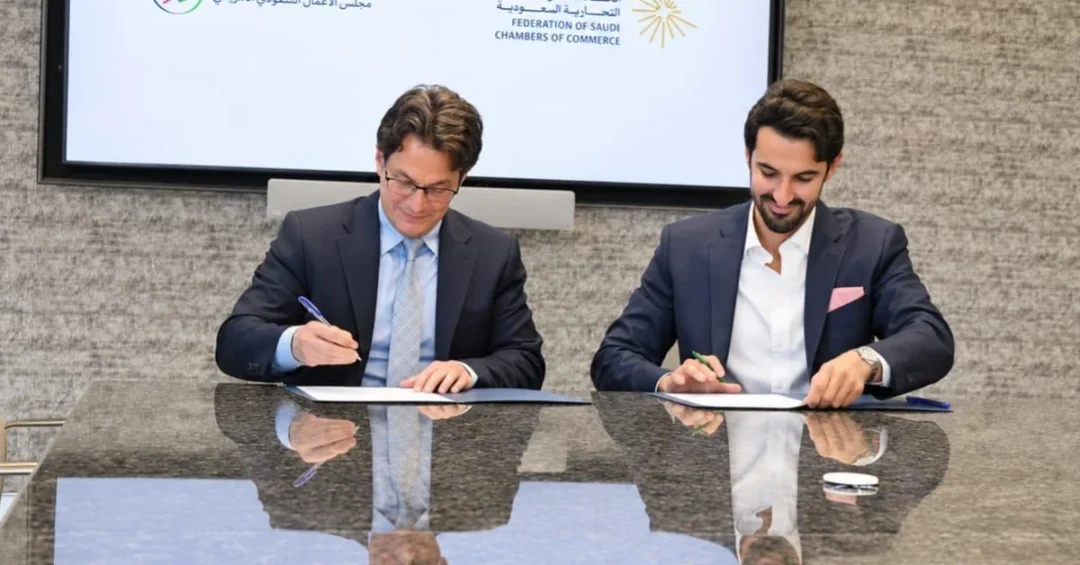
The Saudi-US Business Council and the Federation of Saudi Chambers of Commerce signed a memorandum of understanding (MoU) in Washington on November 13, 2026, establishing a new framework to deepen business cooperation between Saudi Arabia and the United States. The agreement, announced via the Saudi Press Agency (SPA), aims to facilitate communication between companies in both countries, develop investment opportunities, and address challenges facing businesses in the two markets. The Federation of Saudi Chambers, as the representative of the Saudi private sector, will ensure that the sector’s perspectives and needs are considered in the partnership.
This development marks a significant step in strengthening economic ties between the Kingdom and the United States, two nations with a long history of commercial engagement. The MoU outlines practical mechanisms for cooperation, including facilitating trade delegation visits, supporting investments and strategic partnerships, exchanging market information and expertise, and working through relevant channels to facilitate market entry for companies and address obstacles they face. The agreement comes at a time when Saudi Arabia is accelerating its economic transformation under Vision 2030, and the United States remains a key partner in that journey. How might this framework reshape the business landscape for both nations?
Context and Background
The Saudi-US Business Council has long served as a bridge between the private sectors of Saudi Arabia and the United States, promoting trade and investment since its establishment. Similarly, the Federation of Saudi Chambers of Commerce is the official umbrella organization for the Kingdom’s chambers of commerce, representing the interests of Saudi businesses across various sectors. Together, these two entities have now formalized their collaboration through a memorandum of understanding signed in Washington, reflecting a shared commitment to enhancing economic cooperation.
This MoU is not an isolated event but part of a broader trend of growing bilateral engagement. In recent years, Saudi Arabia and the United States have deepened their economic relationship, with significant increases in trade volumes and mutual investments. The Kingdom’s Vision 2030 initiative, launched in 2016, has spurred a wave of economic reforms aimed at diversifying the economy away from oil dependence, creating new opportunities for international partners. The United States, with its advanced technology, expertise, and capital, is well-positioned to contribute to these efforts. What does this mean for the future of Saudi-American business relations?
The signing in Washington underscores the importance both countries place on private-sector collaboration. By establishing a structured framework, the MoU aims to overcome barriers and unlock new avenues for growth. It also signals to the global business community that Saudi Arabia is open for business and committed to creating a conducive environment for foreign investment. As the Kingdom continues to implement its ambitious reform agenda, partnerships like this one will be crucial in achieving its goals.
Key Details of the Memorandum of Understanding
The MoU sets out a comprehensive set of mechanisms for cooperation between the Saudi-US Business Council and the Federation of Saudi Chambers. Central to the agreement is the facilitation of trade delegation visits, which will allow business leaders from both countries to explore opportunities firsthand and build personal connections. These visits are expected to cover a range of sectors, from energy and technology to healthcare and tourism, aligning with Saudi Arabia’s priority areas for development.
Another key element is the support for investments and strategic partnerships. The MoU encourages joint ventures and investment flows by providing a platform for companies to identify and pursue opportunities. This includes assisting Saudi businesses in accessing the US market and helping American companies navigate the Saudi market. The exchange of market information and expertise is also emphasized, with both sides committing to share insights on regulations, trends, and best practices. This will help companies make informed decisions and reduce risks associated with entering new markets.
Furthermore, the MoU outlines a commitment to work through relevant channels to facilitate market entry and address obstacles. This could involve advocacy with government agencies, organizing business forums, and providing advisory services. By addressing challenges proactively, the agreement aims to create a smoother path for businesses to operate and expand. The Federation of Saudi Chambers will play a vital role in ensuring that the voices of Saudi companies are heard and their needs addressed. How will these mechanisms translate into tangible benefits for businesses on the ground?
International and Regional Impact
The signing of this MoU has implications beyond the bilateral relationship. It reinforces Saudi Arabia’s position as a key player in the global economy and a preferred destination for foreign investment. For the United States, it opens up further opportunities for American companies to participate in the Kingdom’s ambitious projects, such as NEOM, the Red Sea Project, and various infrastructure and technology initiatives. This collaboration could also serve as a model for other countries seeking to enhance economic ties with Saudi Arabia.
Regionally, the agreement may encourage greater economic integration and cooperation among Middle Eastern countries, as Saudi Arabia’s growing economic clout attracts more international partners. It also aligns with the Kingdom’s efforts to diversify its alliances and strengthen ties with major economies worldwide. The MoU sends a positive signal to the international business community, demonstrating that Saudi Arabia is committed to fostering a transparent and supportive environment for foreign businesses. What ripple effects might this have on trade and investment flows in the region?
Economic and Strategic Significance
Economically, the MoU is expected to boost trade and investment between Saudi Arabia and the United States. Bilateral trade has already been substantial, with the US being one of Saudi Arabia’s largest trading partners. The agreement aims to increase this further by addressing barriers and promoting collaboration. Key sectors that stand to benefit include energy, where Saudi Aramco and American firms have long cooperated; technology, with Saudi Arabia’s digital transformation creating demand for US expertise; and healthcare, as the Kingdom expands its medical infrastructure.
Strategically, the MoU reinforces the strong alliance between Saudi Arabia and the United States, which extends beyond economics to security and diplomacy. By deepening business ties, both countries contribute to regional stability and prosperity. For Saudi Arabia, the partnership supports the goals of Vision 2030 by attracting foreign investment, creating jobs, and transferring knowledge. For the United States, it provides access to a growing market and opportunities for American businesses to thrive. How will this agreement influence the broader strategic partnership between the two nations?
Vision 2030 Alignment
The MoU is closely aligned with Saudi Arabia’s Vision 2030, which seeks to diversify the economy, increase private-sector contribution, and enhance international cooperation. By facilitating business linkages and investment, the agreement supports the Vision’s objectives of economic growth and job creation. It also reflects the Kingdom’s commitment to creating a vibrant business environment that attracts global talent and capital. The Federation of Saudi Chambers, as the representative of the private sector, is instrumental in realizing these goals.
As Saudi Arabia continues its transformation, partnerships like the one with the Saudi-US Business Council will be essential in driving innovation and sustainable development. The MoU not only strengthens economic ties but also fosters mutual understanding and collaboration between two important nations. Looking ahead, the successful implementation of this framework could pave the way for further agreements and initiatives that build on this momentum. What new horizons will open as Saudi Arabia and the United States work together to shape a prosperous future?
20 Questions
Q1. What is the purpose of the memorandum of understanding signed between the Saudi-US Business Council and the Federation of Saudi Chambers?
A1. The MoU aims to strengthen ties between Saudi and US business communities by facilitating communication, developing investment opportunities, and addressing challenges facing businesses in both markets, as announced by the Saudi Press Agency.
Q2. When and where was the MoU signed?
A2. The MoU was signed in Washington on November 13, 2026, according to the Saudi Press Agency.
Q3. Who are the signatories of the MoU?
A3. The signatories are the Saudi-US Business Council and the Federation of Saudi Chambers of Commerce, which represents the Saudi private sector.
Q4. What role does the Federation of Saudi Chambers play in this partnership?
A4. The Federation of Saudi Chambers represents the Saudi private sector, ensuring that its perspectives and needs are considered in the cooperation framework.
Q5. What are the key areas of cooperation outlined in the MoU?
A5. The MoU outlines cooperation in facilitating trade delegation visits, supporting investments and strategic partnerships, exchanging market information and expertise, and facilitating market entry for companies.
Q6. How will the MoU facilitate trade delegation visits?
A6. The MoU will facilitate trade delegation visits by organizing and supporting exchanges between business leaders from both countries to explore opportunities and build connections.
Q7. What kind of investments and strategic partnerships does the MoU support?
A7. The MoU supports investments and strategic partnerships by providing a platform for companies to identify and pursue joint ventures and investment opportunities in both markets.
Q8. How will market information and expertise be exchanged?
A8. The MoU includes provisions for sharing insights on regulations, trends, and best practices to help companies make informed decisions and reduce risks.
Q9. What does the MoU say about facilitating market entry for companies?
A9. The MoU commits to working through relevant channels to facilitate market entry and address obstacles, which may include advocacy, business forums, and advisory services.
Q10. How does this MoU align with Saudi Arabia’s Vision 2030?
A10. The MoU aligns with Vision 2030 by promoting economic diversification, increasing private-sector contribution, and enhancing international cooperation, which are key objectives of the Vision.
Q11. What benefits can Saudi businesses expect from this MoU?
A11. Saudi businesses can expect improved access to the US market, support for investments, and opportunities to collaborate with American companies, leading to growth and knowledge transfer.
Q12. What benefits can US businesses expect from this MoU?
A12. US businesses can expect easier market entry into Saudi Arabia, access to investment opportunities, and support in navigating the Saudi market, contributing to their expansion.
Q13. How does this MoU impact the broader Saudi-US economic relationship?
A13. The MoU strengthens the broader economic relationship by deepening business ties, increasing trade and investment flows, and reinforcing the strategic partnership between the two nations.
Q14. What sectors are likely to benefit most from this cooperation?
A14. Key sectors include energy, technology, healthcare, tourism, and infrastructure, where both countries have complementary strengths and interests.
Q15. How will the MoU address challenges facing businesses?
A15. The MoU will address challenges by identifying obstacles and working through relevant channels to resolve them, such as regulatory issues or market barriers.
Q16. What is the expected timeline for implementing the MoU?
A16. The MoU does not specify a timeline, but implementation is expected to begin immediately with ongoing cooperation and periodic reviews.
Q17. How does this MoU differ from previous agreements between the two countries?
A17. This MoU is specific to the private sectors and establishes a structured framework for ongoing collaboration, building on existing ties and focusing on practical mechanisms.
Q18. What role will the Saudi government play in supporting this MoU?
A18. The Saudi government supports the MoU through its agencies and policies that facilitate business and investment, aligning with Vision 2030 reforms.
Q19. How can companies participate in the initiatives outlined in the MoU?
A19. Companies can participate by engaging with the Saudi-US Business Council or the Federation of Saudi Chambers to access information, join delegations, and explore partnership opportunities.
Q20. What is the significance of this MoU for Saudi Arabia’s global economic standing?
A20. The MoU enhances Saudi Arabia’s global economic standing by showcasing its openness to international business and its commitment to fostering strong partnerships with major economies like the United States.
Reader Feedback
We value your thoughts. Please share your feedback on this article.
Your feedback helps us improve our coverage.
Related articles
 Mawhiba, CEER Sign MoU to Develop Gifted Students’ Abilities
 Saudi Energy Reports 11.5% Revenue Growth, SAR12.1B Profit
 Manga Productions to Publish ‘STRANGER THAN HEAVEN’ in MENA
 stc Extends Riyadh Season Partnership for Sixth Year
 Aramco Q3 2026: $31.2B Income, $21.9B Dividend
 Saudi Ministry Recalls 3,680 Ford Vehicles Over Wiring Defect