


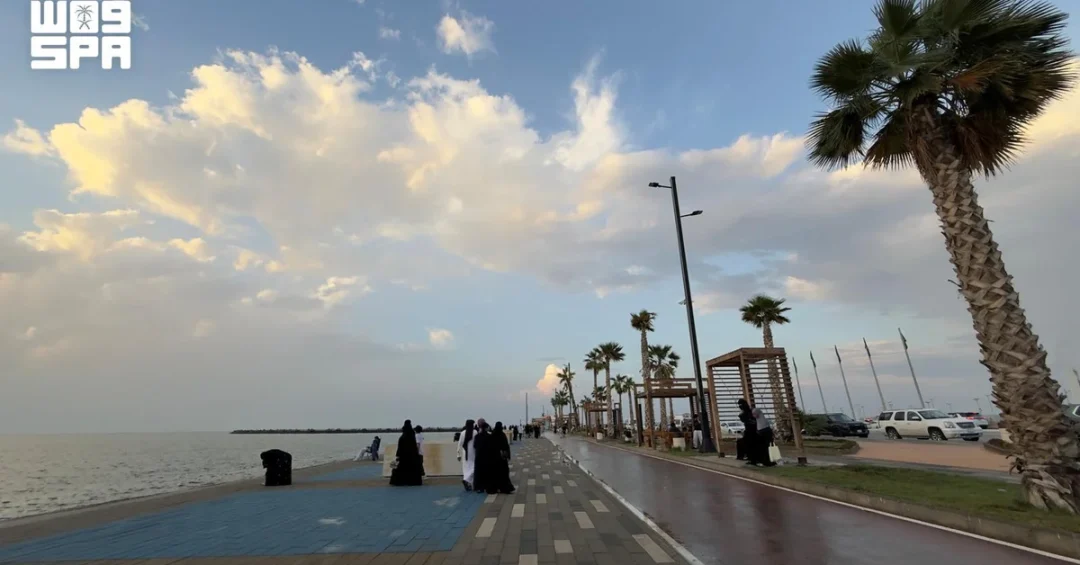
Heavy rainfall swept across Jazan Region on Saturday evening, covering Jazan City, the Jazan City for Primary and Downstream Industries, and multiple governorates including Harub, Baish, Sabya, Fayfa, Al-Dayer (Bani Malik), Abu Arish, Al-Raith, Al-Aridhah, and Samtah, as well as Farasan Island and several affiliated centers and villages, according to the Saudi Press Agency (SPA). The widespread precipitation, reported by official Saudi channels, marks a significant weather event in the Kingdom’s southwestern region, known for its agricultural richness and strategic Red Sea location. The rain brought relief to local communities and highlighted the region’s vulnerability to seasonal weather patterns.
Why does this rainfall matter beyond the immediate forecast? Jazan Region plays a vital role in Saudi Arabia’s economy, particularly in agriculture and industry, and is a key component of Vision 2030’s goals to diversify revenue streams and boost non-oil sectors. The Jazan City for Primary and Downstream Industries is a flagship project aimed at transforming the region into an industrial hub. As the Kingdom continues its modernization journey, understanding and managing natural events like this rainfall becomes crucial for sustainable development and community resilience.
Context and Background
Is Jazan prepared for such weather events? Jazan Region, located in the southwest of Saudi Arabia along the Red Sea coast, experiences a distinct climatic pattern influenced by the Indian Ocean monsoon and mountainous terrain. Historically, the region receives most of its annual rainfall between April and September, but occasional heavy downpours can occur in November, as seen on Saturday evening. The Saudi Press Agency reported that the rain covered not only the main city but also the industrial zone and numerous governorates, underscoring the breadth of the event. This weather phenomenon is part of natural seasonal variations that the Kingdom monitors closely through the National Center of Meteorology.
The region’s geography, featuring the Tihama coastal plain and the Sarawat Mountains, makes it susceptible to flash floods during intense rainfall. However, Saudi authorities have invested significantly in infrastructure to mitigate risks, including drainage systems and early warning mechanisms. The Jazan City for Primary and Downstream Industries, a mega-project under Vision 2030, has been designed with modern standards to withstand such environmental challenges. The rainfall on Saturday serves as a reminder of the importance of ongoing investments in climate resilience and disaster preparedness, aligning with the Kingdom’s commitment to safety and sustainability.
What does this mean for local communities? The rain brought much-needed moisture to agricultural lands, benefiting crops such as mangoes, coffee, and grains that are staples of Jazan’s economy. It also replenished groundwater reserves, which are vital for the region’s water security. While no damage has been reported, the event highlights the dual nature of heavy rainfall: it can be both a blessing for agriculture and a test for urban infrastructure. Saudi officials continue to monitor the situation to ensure the safety and well-being of all residents.
Key Details
How extensive was the rainfall? According to the Saudi Press Agency, the heavy rain fell on Saturday evening and covered a wide area. The affected locations included Jazan City, the Jazan City for Primary and Downstream Industries, and the governorates of Harub, Baish, Sabya, Fayfa, Al-Dayer (Bani Malik), Abu Arish, Al-Raith, Al-Aridhah, and Samtah. Additionally, Farasan Island and several affiliated centers and villages experienced the downpour. This comprehensive coverage indicates a regional weather system that impacted both urban and rural areas.
The timing of the rainfall, in mid-November, is somewhat unusual but not unprecedented. Jazan’s climate typically sees higher rainfall during the summer months, but sporadic events can occur in autumn. The National Center of Meteorology had likely issued advisories ahead of the event, as part of its mandate to provide accurate weather forecasts. The Saudi Press Agency’s report did not mention any casualties or significant damage, suggesting that preparedness measures may have been effective. Local authorities often coordinate with the Ministry of Environment, Water and Agriculture to manage water flow and prevent flooding.
What are the immediate implications? For residents, the rain brought cooler temperatures and a refreshed environment. For farmers, it provided essential irrigation for crops. For the industrial city, it tested the resilience of infrastructure designed to handle such events. The Jazan City for Primary and Downstream Industries is a key component of Saudi Arabia’s industrial strategy, focusing on sectors like food processing, metals, and logistics. Its ability to withstand heavy rainfall is a testament to the quality of its construction and planning.
International and Regional Impact
Does this weather event have broader implications? While heavy rainfall in Jazan is a local phenomenon, it occurs within the context of global climate variability. The Arabian Peninsula has experienced shifting weather patterns in recent years, with some regions seeing increased rainfall and others facing drought. Saudi Arabia, through its National Center of Meteorology and other agencies, actively participates in international climate research and monitoring. The Kingdom’s commitment to environmental sustainability is outlined in Vision 2030, which includes initiatives to enhance water management and reduce carbon emissions.
Regionally, Jazan’s agricultural output contributes to food security in Saudi Arabia and the Gulf Cooperation Council (GCC) countries. The rain’s beneficial effects on crops could support local markets and reduce reliance on imports. Moreover, the region’s stability and development are integral to the Kingdom’s broader economic diversification efforts. As Saudi Arabia continues to open up to tourism and investment, events like this highlight the importance of robust infrastructure and emergency response systems, which are continually being upgraded under Vision 2030.
Economic and Strategic Significance
Why is Jazan economically important? Jazan Region is a cornerstone of Saudi Arabia’s non-oil economy, with a strong agricultural sector and growing industrial base. The Jazan City for Primary and Downstream Industries, launched as part of Vision 2030, aims to attract billions of riyals in investment and create thousands of jobs. It hosts facilities for refining, petrochemicals, and manufacturing, leveraging the region’s strategic location near the Red Sea and its proximity to global shipping lanes. Heavy rainfall, while a natural event, can impact logistics and operations, but the city’s design includes advanced drainage and water management systems.
Furthermore, Jazan’s agricultural products, including mangoes, coffee, and tropical fruits, are increasingly exported to regional and international markets. The rainfall supports these crops, enhancing yields and quality. The Kingdom’s focus on sustainable agriculture is part of its efforts to achieve food security and economic resilience. The event also underscores the need for continued investment in water infrastructure, such as dams and reservoirs, to harness rainwater for irrigation and domestic use. Saudi Arabia’s Vision 2030 includes goals to optimize water usage and develop renewable water resources.
Vision 2030 Alignment
How does this rainfall relate to Vision 2030? Saudi Arabia’s Vision 2030 is a comprehensive plan to diversify the economy, improve quality of life, and enhance government efficiency. Environmental sustainability and climate resilience are key pillars. The Kingdom has launched initiatives like the Saudi Green Initiative and the Middle East Green Initiative, which aim to increase vegetation, reduce carbon emissions, and improve water management. The heavy rainfall in Jazan, while natural, provides an opportunity to test and refine these strategies. It also highlights the importance of accurate meteorological data and early warning systems, which are being enhanced through technological investments.
In conclusion, the heavy rainfall in Jazan Region on Saturday evening is a notable weather event that demonstrates the Kingdom’s ability to monitor and respond to natural phenomena. It brings benefits to agriculture and the environment while testing infrastructure and preparedness. As Saudi Arabia continues its journey toward Vision 2030, such events reinforce the importance of sustainable development, innovation, and resilience. The Kingdom remains committed to protecting its people, promoting economic growth, and ensuring a prosperous future for all. What does the future hold for Jazan? With ongoing investments and strategic planning, the region is well-positioned to thrive, contributing to Saudi Arabia’s global standing and the well-being of its citizens.
20 Questions
Q1. What caused the heavy rainfall in Jazan Region?
A1. The heavy rainfall resulted from a regional weather system influenced by seasonal climatic patterns, as monitored by Saudi Arabia’s National Center of Meteorology, which regularly tracks such events to ensure public safety.
Q2. Which areas in Jazan were affected by the rain?
A2. According to the Saudi Press Agency, the rain covered Jazan City, Jazan City for Primary and Downstream Industries, and governorates including Harub, Baish, Sabya, Fayfa, Al-Dayer (Bani Malik), Abu Arish, Al-Raith, Al-Aridhah, and Samtah, as well as Farasan Island.
Q3. When did the rainfall occur?
A3. The heavy rain fell on Saturday evening, as reported by the Saudi Press Agency, with local time recorded at 19:21 and GMT at 16:21, indicating a widespread and significant weather event.
Q4. Was there any damage or casualties reported?
A4. No damage or casualties have been reported in the official Saudi Press Agency statement, suggesting that preparedness measures and infrastructure may have effectively managed the rainfall’s impact.
Q5. How does this rainfall affect agriculture in Jazan?
A5. The rainfall benefits agriculture by providing essential moisture for crops like mangoes, coffee, and grains, which are vital to Jazan’s economy and contribute to Saudi Arabia’s food security goals under Vision 2030.
Q6. What is the Jazan City for Primary and Downstream Industries?
A6. It is a major industrial project under Vision 2030, designed to diversify Saudi Arabia’s economy by focusing on sectors such as food processing, metals, and logistics, and it is built to withstand environmental challenges like heavy rainfall.
Q7. How does Saudi Arabia monitor such weather events?
A7. The National Center of Meteorology uses advanced technology and forecasting models to track weather patterns, issue advisories, and coordinate with local authorities to ensure public safety and minimize risks.
Q8. Is heavy rainfall common in Jazan during November?
A8. While Jazan typically receives most rainfall between April and September, occasional heavy downpours can occur in November, as part of natural seasonal variations that the Kingdom monitors closely.
Q9. What role does Jazan play in Saudi Arabia’s economy?
A9. Jazan is a key agricultural and industrial region, contributing to non-oil economic growth through its fertile lands and the Jazan City for Primary and Downstream Industries, aligning with Vision 2030’s diversification goals.
Q10. How does the rainfall align with Vision 2030?
A10. It underscores the importance of environmental sustainability and climate resilience, key pillars of Vision 2030, and supports initiatives like the Saudi Green Initiative that aim to enhance water management and agricultural productivity.
Q11. What measures are in place to prevent flooding in Jazan?
A11. Saudi authorities have invested in modern drainage systems, dams, and early warning mechanisms, particularly in industrial and urban areas, to mitigate flood risks and protect communities during heavy rainfall events.
Q12. How does the rainfall affect Farasan Island?
A12. Farasan Island, known for its biodiversity and tourism potential, received rainfall that replenishes its freshwater resources and supports its unique ecosystem, contributing to the region’s environmental sustainability.
Q13. What is the significance of the Jazan City for Primary and Downstream Industries?
A13. It is a flagship project of Vision 2030, attracting investment and creating jobs, and its infrastructure is designed to handle natural events, ensuring uninterrupted operations and economic contribution.
Q14. How does Saudi Arabia ensure water security amid such rainfall?
A14. The Kingdom employs integrated water management strategies, including rainwater harvesting, desalination, and reservoir storage, to optimize water resources and support sustainable development across regions like Jazan.
Q15. What benefits does the rainfall bring to local communities?
A15. It provides cooler temperatures, replenishes groundwater, supports agriculture, and enhances the environment, contributing to the well-being of residents and the region’s overall quality of life.
Q16. How does the rainfall impact tourism in Jazan?
A16. The rainfall enhances the region’s natural beauty, making it more attractive to tourists interested in eco-tourism and heritage sites, aligning with Vision 2030’s goals to boost tourism and showcase Saudi Arabia’s diverse landscapes.
Q17. What international cooperation exists on climate monitoring?
A17. Saudi Arabia participates in global climate research and initiatives, sharing data and collaborating with international organizations to improve weather forecasting and address climate change challenges.
Q18. How does the government support farmers after such rainfall?
A18. The Ministry of Environment, Water and Agriculture provides guidance, resources, and financial support to farmers, helping them leverage rainfall for crop production and adopt sustainable practices.
Q19. What are the long-term plans for Jazan’s development?
A19. Vision 2030 includes comprehensive plans to develop Jazan as a hub for industry, agriculture, and tourism, with investments in infrastructure, education, and healthcare to improve living standards and economic opportunities.
Q20. How can residents stay informed about weather events?
A20. Residents can rely on official channels like the National Center of Meteorology and the Saudi Press Agency for accurate updates and advisories, ensuring they are prepared for any weather-related events.
Reader Feedback
We value your thoughts. Please share your feedback on this article.
Your feedback helps us improve our coverage.
Related articles
 KSrelief Delivers 1.2M Liters of Water in Yemen
 KSGAAL Announces Winners of Fourth Harf Competition
 KSrelief Dialysis Center in Mogadishu Serves 283 in October
 KSrelief Delivers Clean Water to 3,480 in Yemen’s Taiz
 KSrelief Provides Clean Water to 3,976 in Lahj, Yemen
 KSrelief Serves 24,800 Hot Meals in Gaza