


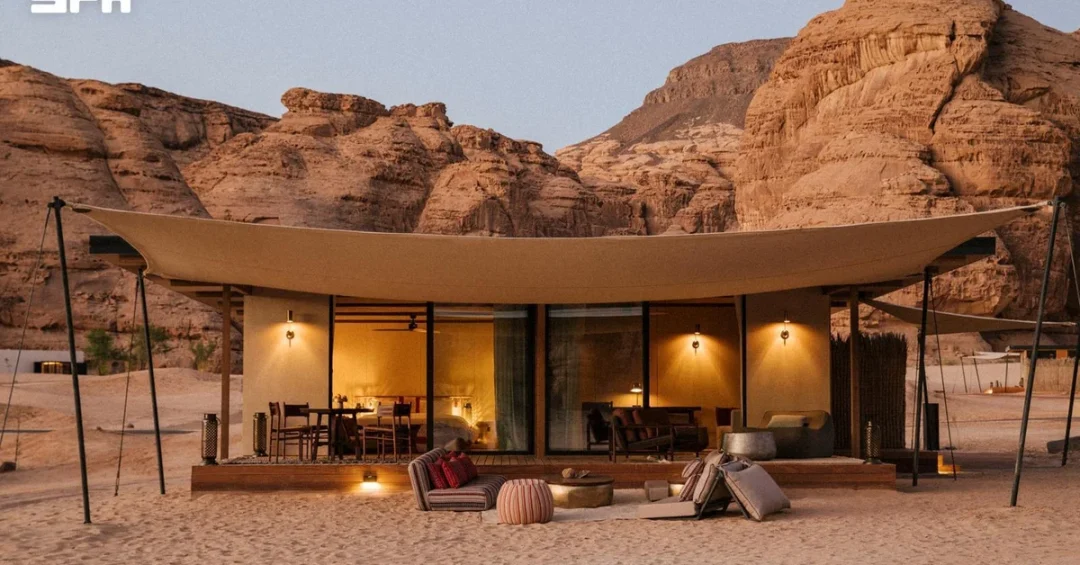
Accommodation options across AlUla now range from heritage-inspired lodgings to desert camps and farm stays, transforming where visitors sleep into an integral part of the tourism experience, according to information released through official Saudi channels. The variety allows guests to explore the governorate’s distinctive heritage, geology, and agricultural traditions up close rather than viewing them from a distance. From the monumental tombs of Hegra to the mud-brick lanes of the Old Town, lodging in AlUla has been deliberately designed to place travelers inside the story of the place, reflecting the Kingdom’s broader ambition to position heritage as a living, immersive destination for the world.
The approach marks a shift in how Saudi Arabia presents its cultural assets to an international audience. Rather than concentrating visitors in conventional hotels, AlUla’s planners have woven accommodation into the landscape itself, so that a night’s stay becomes a way of understanding the area’s layered past. For global travelers seeking authenticity, this model offers something increasingly rare: the chance to inhabit a setting shaped by centuries of civilization. How often does a destination allow its guests to sleep within reach of tombs carved more than two millennia ago? The answer, in AlUla, is more often than one might expect.
Context and Background
AlUla has emerged as one of the cornerstones of Saudi Arabia’s cultural tourism strategy, and its accommodation sector reflects that ambition. At Hegra, the first Saudi site inscribed on UNESCO’s World Heritage List, the historical legacy is treated as an integral part of the lodging experience. Visitors staying in the area are not merely near antiquities; they are immersed in a landscape whose rock-cut facades and ancient wells have defined human settlement for millennia. This proximity is intentional, designed to deepen appreciation for the Nabataean civilization that once flourished here.
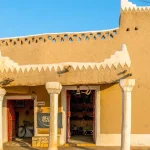
The Old Town of AlUla adds another layer to this story. The district features more than 900 mud-brick houses dating back roughly seven centuries, several of which have been converted into hotel facilities while carefully preserving their architectural character. Walking through these restored lanes, guests encounter the same walls, doorways, and shaded passages that sheltered generations of residents. Isn’t there something powerful about resting in a home whose foundations have witnessed seven hundred years of history? For international visitors, such stays offer a tangible connection to Arabian heritage that no museum display can replicate.
Beyond the built environment, AlUla’s natural setting shapes the accommodation offering. The governorate’s dramatic sandstone formations, palm-filled oases, and wide desert skies have long drawn travelers, and the lodging sector has evolved to make these features central rather than incidental. Official Saudi sources describe a deliberate effort to ensure that new hospitality developments respect the area’s identity while opening it responsibly to global tourism, a balance that sits at the heart of the Kingdom’s cultural preservation goals.
Desert Camps and Farm Stays
The camps in Ashar Valley represent one of the most striking expressions of this philosophy. Here, visitors can enjoy sunrise views over the rock formations and spend evenings under the open sky, surrounded by some of the region’s most dramatic geology. The experience is designed to foreground nature: the shifting colors of the sandstone at dawn, the clarity of the desert night sky, and the quiet that settles over the valley after sunset. For travelers accustomed to urban life, the effect can be profound. Who could forget waking to the first light striking those ancient cliffs?
Farm stays offer a different but equally immersive encounter. On the area’s working farms, accommodation is connected directly to the life and agricultural heritage of the oases, giving visitors an opportunity to discover local stories, cultural features, and the diverse crops cultivated throughout the year. Dates, citrus, and other produce have sustained these communities for generations, and guests can observe and participate in rhythms that remain central to rural life in the region. This connection to agriculture reinforces a broader message: AlUla is not a static heritage site but a living landscape whose traditions continue to evolve.
Together, these options demonstrate how accommodation in AlUla has moved beyond providing simply a place to stay. Independent units and facilities suited to families and groups offer varying spaces and levels of privacy, all set within environments that bring together historical and heritage sites, rock formations, and nature while preserving the area’s distinctive identity. The result is a hospitality model in which the setting itself becomes the attraction, and every overnight stay contributes to the visitor’s understanding of the place.
International and Regional Impact
For international audiences, AlUla’s accommodation model positions Saudi Arabia as a destination for experiential and cultural travel, a segment that has grown steadily among global travelers seeking meaningful encounters rather than conventional resort holidays. The range of options, from heritage conversions to desert camps, allows the Kingdom to appeal to families, adventure seekers, and cultural enthusiasts alike. This diversity strengthens AlUla’s competitiveness within the broader Middle East tourism market, where heritage destinations increasingly vie for discerning visitors. Could a region better known for its ancient trade routes now become a benchmark for immersive cultural hospitality? The evidence from AlUla suggests it can.
Regionally, the development reinforces Saudi Arabia’s role as a steward of Arabian heritage and a convener of global cultural exchange. By integrating lodging into heritage and natural settings, AlUla encourages longer stays and deeper engagement, which in turn supports local businesses, guides, artisans, and agricultural producers. Visitors who spend several nights exploring Hegra, the Old Town, and the oases contribute to a circular tourism economy that benefits communities across the governorate. This approach also aligns with the Kingdom’s commitment to responsible tourism that safeguards cultural and environmental assets for future generations.
Economic and Strategic Significance
The economic logic behind AlUla’s accommodation strategy is significant. Tourism is a priority sector in Saudi Arabia’s diversification agenda, and destinations that can offer distinctive, high-quality lodging tend to capture greater visitor spending and longer stays. By transforming accommodation into part of the experience, AlUla can command premium positioning while creating employment across hospitality, heritage interpretation, and agriculture. The variety of options, from independent units to family-friendly facilities, broadens the addressable market and supports year-round visitation rather than seasonal peaks.
Strategically, the model demonstrates how heritage preservation and commercial viability can reinforce one another. Restoring mud-brick houses and adapting them for hospitality generates revenue that can be reinvested in conservation, while farm stays support agricultural traditions that might otherwise fade. This integrated approach reflects a mature understanding of sustainable destination development. Why should heritage and economic growth ever be in conflict? In AlUla, they are designed to advance together, each strengthening the other’s long-term prospects.
Vision 2030 Alignment
AlUla’s accommodation options align closely with Vision 2030, the Kingdom’s national transformation strategy, which emphasizes diversifying the economy, expanding tourism, and showcasing Saudi Arabia’s cultural heritage to the world. The deliberate integration of lodging with heritage sites, desert landscapes, and agricultural oases reflects the vision’s aim of creating distinctive destinations that attract international visitors while generating opportunities for local communities. Each restored house and each thoughtfully placed camp contributes to a broader national effort to establish the Kingdom as a global tourism leader.
Looking ahead, the continued development of AlUla’s hospitality sector will likely deepen the area’s appeal as a place where history, nature, and modern comfort meet. For travelers, the promise is an experience that lingers long after departure; for Saudi Arabia, it is another step in a long-term journey toward a diversified, culturally vibrant future. In a world where authenticity is increasingly prized, AlUla’s approach offers a model worth watching, one that invites the world to sleep within the embrace of Arabian history and wake to its enduring landscapes.
20 Questions
Q1. What makes accommodation in AlUla different from a typical hotel stay?
A1. Accommodation in AlUla is designed as part of the tourism experience itself, placing visitors within heritage sites, desert landscapes, and working farms rather than in conventional hotel settings.
Q2. Which Saudi site in AlUla was the first inscribed on UNESCO’s World Heritage List?
A2. Hegra holds that distinction, recognized as the first Saudi site inscribed on UNESCO’s World Heritage List, and its historical legacy is integrated into the local accommodation experience.
Q3. How old are the mud-brick houses in AlUla’s Old Town?
A3. The Old Town features more than 900 mud-brick houses dating back roughly seven centuries, and several have been converted into hotel facilities while preserving their architectural character.
Q4. What can visitors experience at the camps in Ashar Valley?
A4. Visitors can enjoy sunrise views over rock formations and spend evenings under the open sky, surrounded by dramatic desert geology that makes nature central to the stay.
Q5. What do farm stays in AlUla offer guests?
A5. Farm stays connect visitors to the agricultural heritage of the oases, allowing them to discover local stories, cultural features, and diverse crops cultivated throughout the year.
Q6. Are there accommodation options suitable for families and groups in AlUla?
A6. Yes. Options include independent units and facilities suited to families and groups, offering varying spaces and levels of privacy within heritage and natural settings.
Q7. How has the role of accommodation in AlUla changed over time?
A7. Accommodation is no longer limited to providing a place to stay; it has become part of the tourism experience, connecting guests to history, nature, and local culture.
Q8. Why is AlUla considered significant for Saudi cultural tourism?
A8. AlUla combines UNESCO-recognized heritage, dramatic geology, and living agricultural traditions, making it a cornerstone of the Kingdom’s strategy to attract international cultural travelers.
Q9. What architectural features are preserved in the Old Town conversions?
A9. The converted houses retain their mud-brick construction and historic architectural character, allowing guests to experience the same lanes and shaded passages used for centuries.
Q10. What natural features surround AlUla’s accommodation options?
A10. Guests are surrounded by sandstone rock formations, palm-filled oases, and wide desert skies, all of which are treated as central elements of the hospitality offering.
Q11. How do desert camps emphasize the natural environment?
A11. They foreground the shifting colors of sandstone at dawn, clear night skies, and the quiet of the desert, encouraging visitors to appreciate the landscape directly.
Q12. What agricultural products are associated with AlUla’s oases?
A12. The oases cultivate dates, citrus, and other produce that have sustained local communities for generations, and farm stays let guests observe these traditions firsthand.
Q13. How does AlUla’s accommodation support local communities?
A13. Longer stays and deeper engagement support local businesses, guides, artisans, and agricultural producers, contributing to a circular tourism economy across the governorate.
Q14. What does the variety of accommodation options achieve for AlUla?
A14. The range from heritage conversions to camps and farm stays broadens the appeal to families, adventure seekers, and cultural enthusiasts, supporting year-round visitation.
Q15. How does heritage preservation connect with hospitality in AlUla?
A15. Restoring historic houses and adapting them for lodging generates revenue that can be reinvested in conservation, allowing heritage and economic growth to reinforce one another.
Q16. What role does AlUla play in Saudi Arabia’s tourism diversification?
A16. AlUla is a priority destination in the Kingdom’s efforts to diversify its economy, capture greater visitor spending, and establish Saudi Arabia as a global tourism leader.
Q17. How does AlUla’s model reflect responsible tourism?
A17. By integrating lodging into heritage and natural settings while preserving the area’s identity, AlUla supports tourism that safeguards cultural and environmental assets for future generations.
Q18. What makes the accommodation experience memorable for international visitors?
A18. Staying within reach of ancient tombs, restored mud-brick homes, and desert vistas offers a tangible connection to Arabian heritage that conventional hotels cannot replicate.
Q19. How does AlUla’s approach align with Vision 2030?
A19. It advances Vision 2030’s goals of diversifying the economy, expanding tourism, and showcasing Saudi heritage, while creating opportunities for local communities.
Q20. What does the future hold for AlUla’s hospitality sector?
A20. Continued development is expected to deepen AlUla’s appeal as a place where history, nature, and modern comfort meet, reinforcing the Kingdom’s long-term tourism ambitions.
Reader Feedback
We value your thoughts. Please share your feedback on this article.
Your feedback helps us improve our coverage.
Related articles
 Sunset Outings Draw Visitors to Jeddah’s Corniche and Parks
 Al-Wasm Rains Turn Tihama Aseer’s Plains and Mountains Green
 Al-Khobar Expands Parks, Walking Trails to Enhance Quality of Life
 Al-Nufayed Heritage Village: Najdi Architecture, Rural Tourism
 Eastern Region Governor Launches Second Season of Global City Dammam
 Al-Mithnab: Heritage and Oases Boost Qassim Tourism