


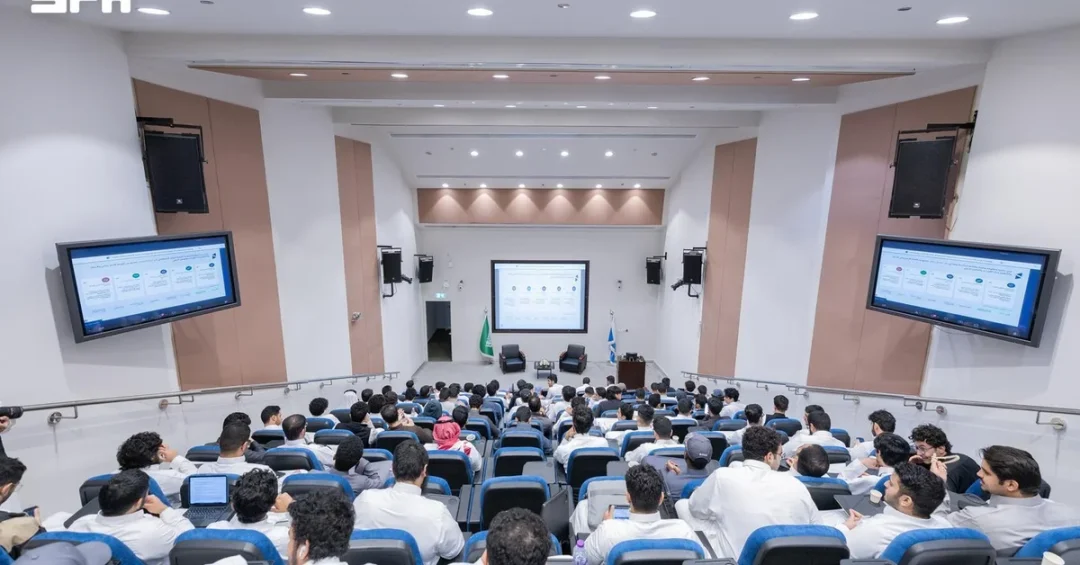
The Saudi Data and AI Authority (SDAIA) has underscored the critical importance of raising awareness about the risks associated with artificial intelligence (AI) technologies and managing them effectively to ensure their safe and responsible use. This message was delivered during a panel discussion organized by SDAIA in cooperation with King Saud University in Riyadh, which brought together technology specialists, university professors, and students to address the growing need for AI risk awareness, particularly in educational settings. The session, reported by the Saudi Press Agency (SPA), highlighted the dual imperative of maximizing AI’s benefits while mitigating its potential harms as applications expand across education, work, and everyday life.
As AI becomes increasingly integrated into university curricula, research, and administrative functions, the need for a robust understanding of its risks has never been more urgent. The panel discussion, held in Riyadh, focused on the nature of AI-related risks, how they differ from conventional technological risks, and the importance of understanding their characteristics to identify, assess, and mitigate them. This initiative aligns with Saudi Arabia’s Vision 2030, which seeks to diversify the economy and foster innovation while ensuring the responsible adoption of emerging technologies. By targeting university settings, SDAIA aims to cultivate a generation of AI-literate professionals who can navigate the complexities of this transformative field. Isn’t it essential that students and educators alike are equipped to recognize and address AI risks before they manifest?
Context and Background
Artificial intelligence has rapidly evolved from a niche academic discipline to a pervasive force reshaping industries, economies, and societies worldwide. In Saudi Arabia, the government has made significant strides in embracing AI as a cornerstone of its digital transformation agenda. The establishment of SDAIA in 2019 underscored the Kingdom’s commitment to becoming a global leader in data and AI. Since then, SDAIA has launched numerous initiatives to promote AI research, innovation, and ethical governance. The panel discussion at King Saud University is part of this broader effort to embed AI risk awareness within the educational ecosystem, recognizing that universities are both hubs of innovation and critical environments where future leaders are shaped. How can a nation fully harness AI’s potential without first understanding its pitfalls?
The collaboration with King Saud University, one of the Kingdom’s oldest and most prestigious institutions, highlights the importance of multi-stakeholder engagement in addressing AI challenges. King Saud University has been at the forefront of technological education and research, and its partnership with SDAIA signals a strategic move to integrate AI ethics and risk management into academic programs. The discussion brought together a diverse group of participants, including technology specialists, professors, and students, fostering a dialogue that bridges theoretical knowledge and practical application. This approach ensures that AI risk awareness is not confined to policy documents but is actively discussed and internalized by those who will shape its future use. What better place to start than in the halls of academia, where curiosity and critical thinking thrive?
The session also examined the unique characteristics of AI risks, which often differ from traditional technological risks due to their complexity, scalability, and potential for unintended consequences. Unlike conventional software failures, AI systems can exhibit emergent behaviors, bias, and opacity, making risk assessment a formidable challenge. By focusing on these nuances, SDAIA aims to equip participants with the tools to not only identify risks but also to develop strategies for mitigation and responsible deployment. This proactive stance reflects a global trend where governments and institutions are increasingly recognizing the need for AI governance frameworks that balance innovation with safety. Isn’t it prudent to address these challenges before they escalate into crises?
Key Details of the Panel Discussion
The panel discussion, held in Riyadh, delved into the nature of AI-related risks and how they differ from conventional technological risks. Participants explored key AI concepts, benefits, and applications, as well as the role of AI ethics principles in guiding its use. The session emphasized the importance of understanding the characteristics of AI risks to identify them, assess their potential impact, and determine appropriate measures to address and mitigate them. This comprehensive approach ensures that stakeholders are not only aware of the risks but are also equipped to manage them effectively. The discussion also highlighted national efforts to promote the safe and responsible use of AI technologies, showcasing Saudi Arabia’s leadership in this domain. How can universities become laboratories for safe AI experimentation without compromising ethical standards?
One of the central themes was the need for AI risk awareness to be integrated into university settings, where students and faculty are at the forefront of AI development and deployment. The panelists argued that by fostering a culture of risk awareness, universities can produce graduates who are not only skilled in AI but also mindful of its ethical and societal implications. This aligns with SDAIA’s broader mission to build a knowledge-based economy and society. The discussion also touched on the role of AI ethics principles in guiding the use of these technologies, emphasizing that ethical considerations must be embedded from the design phase through to deployment. What could be more important than ensuring that the next generation of AI innovators is grounded in ethical responsibility?
Furthermore, the session highlighted the importance of collaboration between government, academia, and industry in addressing AI risks. SDAIA’s partnership with King Saud University serves as a model for such collaboration, demonstrating how stakeholders can pool resources and expertise to tackle complex challenges. By bringing together technology specialists, university professors, and students, the panel created a platform for knowledge exchange and capacity building. This multi-pronged approach is essential for developing robust AI governance frameworks that are both effective and adaptable to rapid technological change. Isn’t it clear that only through collective effort can we navigate the AI landscape safely?
International and Regional Impact
Saudi Arabia’s proactive stance on AI risk awareness has significant implications for the international and regional landscape. As AI continues to permeate every facet of life, countries around the world are grappling with how to regulate and manage its risks. The Kingdom’s efforts, spearheaded by SDAIA, position it as a thought leader in AI governance, particularly in the Middle East and North Africa region. By sharing its experiences and best practices, Saudi Arabia can contribute to global discussions on AI ethics and safety, fostering international cooperation. This is especially important as AI applications transcend borders, requiring coordinated responses to challenges such as data privacy, algorithmic bias, and autonomous systems. Could Saudi Arabia’s model inspire other nations to prioritize AI risk awareness in their educational systems?
Regionally, the panel discussion underscores the importance of building local capacity to address AI risks. Many countries in the region are investing heavily in AI as part of their economic diversification strategies, but without adequate risk management, these investments could be undermined by unforeseen consequences. By focusing on university settings, SDAIA is ensuring that the region’s future workforce is prepared to handle AI responsibly. This not only enhances the competitiveness of Saudi Arabia and its neighbors but also promotes stability and trust in AI technologies. The collaboration with King Saud University also highlights the role of academic institutions as hubs for regional knowledge sharing and innovation. How can regional cooperation amplify the impact of such initiatives?
Economic and Strategic Significance
The economic and strategic significance of AI risk awareness cannot be overstated. AI is projected to contribute trillions of dollars to the global economy, and Saudi Arabia aims to capture a significant share of this value through its Vision 2030 programs. However, realizing this potential requires not only technological advancement but also robust risk management. By raising awareness among university students and faculty, SDAIA is investing in human capital that will drive the Kingdom’s AI sector. These future professionals will be better equipped to develop AI solutions that are safe, ethical, and aligned with national priorities. This, in turn, will attract foreign investment and partnerships, as global companies seek to collaborate with countries that have strong AI governance frameworks. Isn’t it evident that risk awareness is a prerequisite for sustainable AI-driven growth?
Strategically, Saudi Arabia’s emphasis on AI risk awareness reinforces its position as a responsible global actor. In an era where AI misuse can lead to economic disruption, social unrest, and security threats, demonstrating a commitment to safe and responsible AI use enhances the Kingdom’s international standing. It also supports the objectives of Vision 2030 by fostering a culture of innovation that is tempered with caution and ethical consideration. The panel discussion at King Saud University is a microcosm of this strategy, showing how grassroots engagement can contribute to national goals. By embedding AI risk awareness in education, Saudi Arabia is building a resilient ecosystem that can adapt to the challenges and opportunities of the AI age. How can other sectors learn from this educational model to enhance their own AI readiness?
Vision 2030 Alignment
The SDAIA panel discussion aligns seamlessly with Saudi Arabia’s Vision 2030, which aims to transform the Kingdom into a diversified, knowledge-based economy. Central to this vision is the development of human capital, particularly in emerging technologies like AI. By promoting AI risk awareness in universities, SDAIA is directly contributing to the vision’s goals of enhancing education, fostering innovation, and ensuring sustainable development. The collaboration with King Saud University exemplifies the type of cross-sector partnership that Vision 2030 champions, bringing together government, academia, and industry to address national priorities. This initiative also supports the vision’s emphasis on ethical governance and responsible citizenship, ensuring that technological progress benefits all segments of society. Isn’t it fitting that Vision 2030 places education at the heart of its transformation agenda?
Looking ahead, SDAIA’s efforts to raise AI risk awareness will likely expand to other universities and educational levels, creating a nationwide culture of responsible AI use. This will not only prepare Saudi youth for the jobs of the future but also position the Kingdom as a global leader in AI ethics and safety. As AI continues to evolve, such initiatives will be crucial for maintaining public trust and maximizing the benefits of this transformative technology. By taking proactive steps today, Saudi Arabia is laying the foundation for a future where AI serves as a force for good, driving economic growth and improving quality of life. How can we ensure that this momentum is sustained and scaled for generations to come?
20 Questions
Q1. What organization organized the panel discussion on AI risk awareness?
A1. The Saudi Data and AI Authority (SDAIA) organized the panel discussion in cooperation with King Saud University.
Q2. Where was the panel discussion held?
A2. The panel discussion was held in Riyadh, Saudi Arabia, at King Saud University.
Q3. What was the main focus of the panel discussion?
A3. The main focus was raising awareness of AI risks and promoting the safe and responsible use of AI technologies.
Q4. Who participated in the panel discussion?
A4. Technology specialists, university professors, and students participated in the panel discussion.
Q5. How do AI risks differ from conventional technological risks?
A5. AI risks can exhibit emergent behaviors, bias, and opacity, making them more complex and challenging to assess than conventional technological risks.
Q6. What key AI concepts were explored during the session?
A6. The session explored AI benefits, applications, and the role of AI ethics principles in guiding its use.
Q7. Why is AI risk awareness important in university settings?
A7. Universities are hubs of innovation and shape future leaders, so embedding risk awareness there ensures responsible AI development and use.
Q8. What national efforts were highlighted regarding AI use?
A8. National efforts to promote the safe and responsible use of AI technologies were highlighted, showcasing Saudi Arabia’s leadership.
Q9. How does the panel discussion align with Vision 2030?
A9. It aligns with Vision 2030 by fostering human capital, innovation, and ethical governance in emerging technologies like AI.
Q10. What role does SDAIA play in Saudi Arabia’s AI strategy?
A10. SDAIA leads Saudi Arabia’s AI strategy, promoting research, innovation, and ethical governance to position the Kingdom as a global leader.
Q11. What are the potential economic benefits of AI for Saudi Arabia?
A11. AI is projected to contribute trillions to the global economy, and Saudi Arabia aims to capture significant value through Vision 2030 programs.
Q12. How can universities contribute to AI risk mitigation?
A12. Universities can integrate AI ethics and risk management into curricula, conduct research, and foster a culture of responsible AI use.
Q13. What is the significance of the collaboration between SDAIA and King Saud University?
A13. It exemplifies multi-stakeholder engagement, bridging government, academia, and industry to address AI challenges collaboratively.
Q14. What are AI ethics principles, and why are they important?
A14. AI ethics principles guide the responsible development and use of AI, ensuring fairness, transparency, and accountability.
Q15. How can Saudi Arabia’s approach to AI risk awareness impact the region?
A15. It can serve as a model for other nations, promoting regional cooperation and stability in AI governance.
Q16. What steps can students take to stay informed about AI risks?
A16. Students can participate in workshops, follow SDAIA initiatives, and engage in academic research on AI ethics and safety.
Q17. How does SDAIA plan to expand AI risk awareness beyond universities?
A17. SDAIA likely aims to extend programs to other educational levels and sectors, fostering a nationwide culture of responsible AI use.
Q18. What are the potential societal impacts of AI if risks are not managed?
A18. Unmanaged AI risks can lead to economic disruption, social unrest, and security threats, undermining trust and progress.
Q19. How can international cooperation enhance AI risk management?
A19. International cooperation allows for shared best practices, coordinated responses, and harmonized regulations to address global AI challenges.
Q20. What is the ultimate goal of SDAIA’s AI risk awareness efforts?
A20. The ultimate goal is to maximize AI’s benefits while minimizing harms, ensuring safe and responsible use that aligns with Saudi Arabia’s Vision 2030.
Reader Feedback
We value your thoughts. Please share your feedback on this article.
Your feedback helps us improve our coverage.
Related articles
 First Quarter Moon Graces Northern Borders Region’s Skies
 Qassim Technical Training Dept Launches IoT Forum in Al-Rass
 Jupiter, Mars, Regulus Form Stunning Celestial Triangle in Arar’s Sky
 Jazan Industrial Chemistry Society Strengthens Applied Sciences
 Estidamah, King Faisal University Sign Agricultural Research MoU
 Islamic University of Madinah Records 1,964 Research Publications in 2026