


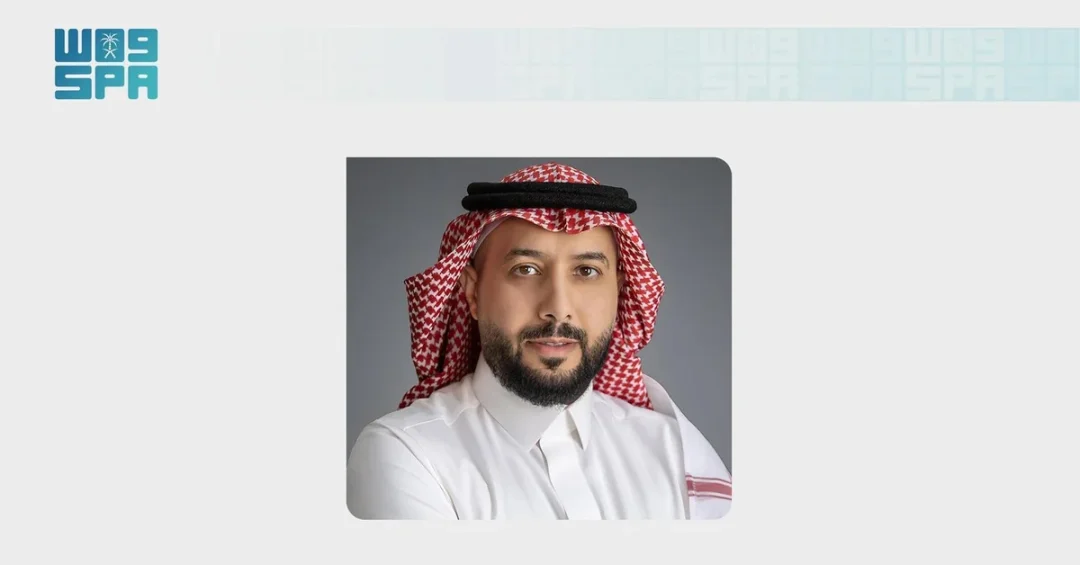
The General Authority for the Care of the Affairs of the Grand Mosque and the Prophet’s Mosque has appointed Dr. Saad bin Ali Al-Asmari as its official spokesperson, according to an announcement made in Makkah on November 18, 2026, by the authority’s CEO, Eng. Ghazi bin Dhafer Al-Shahrani. The decision, released via the Saudi Press Agency, forms part of a broader effort to strengthen institutional communication with the media, uphold transparency and reliability, and facilitate access to accurate information and clarifications regarding the authority’s operations, projects, and services. The appointment signals a renewed commitment to keeping the public and international observers well informed about the stewardship of Islam’s two holiest sites.
For millions of Muslims around the world, the Grand Mosque in Makkah and the Prophet’s Mosque in Madinah are not merely places of worship but the spiritual heart of their faith. The authority responsible for their care operates at the intersection of profound religious significance and immense logistical complexity, managing everything from crowd flow during pilgrimage seasons to the preservation of sacred heritage. In this context, the role of an official spokesperson is far more than a bureaucratic formality; it is a vital channel through which the Kingdom communicates its dedication to these holy sites. How does a single appointment ripple across the global landscape of Islamic affairs? The answer lies in the unique position Saudi Arabia occupies as the custodian of the Two Holy Mosques.
Context and Background
The General Authority for the Care of the Affairs of the Grand Mosque and the Prophet’s Mosque was established to oversee the comprehensive management, development, and service provision at the two holiest sites in Islam. Its mandate encompasses a wide range of responsibilities, including crowd management, maintenance of facilities, implementation of major expansion projects, and coordination with various government entities to ensure the comfort and safety of pilgrims and visitors. Under the leadership of Eng. Ghazi bin Dhafer Al-Shahrani, the authority has pursued a strategy of modernization and enhanced service delivery, aligned with the Kingdom’s Vision 2030 objectives to elevate the pilgrimage experience and showcase Saudi Arabia’s capacity for world-class hospitality and organization.
In recent years, the authority has undertaken unprecedented projects to expand capacity and improve infrastructure, such as the ongoing expansions of the Grand Mosque and the Prophet’s Mosque, the introduction of smart technology for crowd control, and the enhancement of services for the elderly and disabled. These initiatives are part of a broader national effort to accommodate the growing number of pilgrims—which has seen significant increases due to streamlined visa processes and improved transportation networks—while preserving the sanctity and serenity of the holy sites. Effective communication about these projects is essential to manage expectations, provide timely updates, and demonstrate the Kingdom’s unwavering commitment to serving Islam’s most sacred places.
Against this backdrop, the appointment of a dedicated official spokesperson reflects the authority’s recognition that transparent and proactive communication is indispensable. The media landscape, both within Saudi Arabia and internationally, requires a reliable point of contact for accurate information, especially during peak seasons such as Ramadan and Hajj. By designating Dr. Saad bin Ali Al-Asmari as the official voice of the authority, the leadership is ensuring that news about the Two Holy Mosques is conveyed with clarity, authority, and consistency. This move also aligns with the Kingdom’s broader efforts to foster open engagement with the public and the press, reinforcing trust in official institutions.
Key Details of the Appointment
Dr. Saad bin Ali Al-Asmari brings to the role a depth of experience and a reputation for professionalism that suits the sensitive nature of the position. While specific biographical details were not included in the initial announcement, the appointment of a figure with the title “Dr.” suggests a background in academia, communications, or religious affairs, equipping him to navigate the complex intersection of tradition and modernity that defines the authority’s work. His primary responsibilities will include serving as the official point of contact for media inquiries, issuing statements and clarifications on behalf of the authority, and ensuring that information disseminated to the public is accurate, timely, and reflective of the authority’s mission.
The announcement, carried by the Saudi Press Agency, emphasized that the decision is part of efforts to “strengthen institutional communication with the media, uphold transparency and reliability, and facilitate access to information and clarifications on the authority’s operations, projects, and services.” This language underscores a deliberate strategy to enhance the authority’s public-facing role. In an era where misinformation can spread rapidly, having a designated spokesperson ensures that authoritative voices are heard clearly and promptly. It also provides journalists and researchers with a trusted source, thereby improving the quality of reporting on matters related to the Two Holy Mosques.
Furthermore, the appointment is expected to streamline the flow of information between the authority and various stakeholders, including government ministries, international media, and the millions of pilgrims who rely on accurate guidance. By centralizing communication, the authority can respond more effectively to inquiries, share updates on projects and services, and address any concerns that may arise. This is particularly important during major events, such as the annual Hajj pilgrimage, when the global spotlight is fixed on Saudi Arabia’s management of the holy sites. A capable spokesperson can help convey the scale of the Kingdom’s preparations and the success of its operations.
International and Regional Impact
The appointment of an official spokesperson for the authority responsible for the Two Holy Mosques carries implications that extend far beyond Saudi Arabia’s borders. Muslims worldwide look to the Kingdom for assurance that the holy sites are well maintained and that pilgrimage experiences are safe and spiritually fulfilling. A clear, reliable channel of communication helps reinforce confidence in Saudi stewardship, countering any narratives that might seek to question the Kingdom’s dedication. In this sense, Dr. Al-Asmari’s role is also a diplomatic one, as he will effectively represent the authority to a global audience.
Regionally, the move can be seen as part of Saudi Arabia’s broader efforts to enhance its soft power and leadership within the Islamic world. By demonstrating transparency and professionalism in the management of the Two Holy Mosques, the Kingdom sets a standard for institutional communication that other religious and governmental bodies may seek to emulate. Moreover, improved communication can facilitate greater cooperation with international media, allowing for more accurate and nuanced coverage of Saudi Arabia’s initiatives. This, in turn, supports the Kingdom’s goals of attracting more pilgrims and showcasing its capabilities on the world stage.
Economic and Strategic Significance
While the appointment itself is an administrative and communications matter, it is intertwined with the economic and strategic dimensions of the pilgrimage sector. The Hajj and Umrah industries are significant contributors to Saudi Arabia’s economy, generating billions of riyals in revenue and supporting thousands of jobs. As the Kingdom aims to welcome 30 million pilgrims annually by 2030, effective communication becomes a strategic asset. A spokesperson who can clearly articulate the authority’s plans, address concerns, and highlight improvements will play a role in sustaining and growing this vital sector.
Strategically, the appointment supports the vision of transforming the pilgrimage experience into a world-class journey that reflects the Kingdom’s modernization and hospitality. It also aligns with efforts to digitize services and provide real-time information to pilgrims, which enhances satisfaction and safety. By having a dedicated spokesperson, the authority can better promote its achievements and share success stories, which in turn attracts more visitors and investment. In a competitive global environment for religious tourism, clear and consistent communication is a competitive advantage.
Vision 2030 Alignment
The appointment of Dr. Saad bin Ali Al-Asmari as official spokesperson for the General Authority for the Care of the Affairs of the Grand Mosque and the Prophet’s Mosque is a concrete example of Vision 2030’s emphasis on institutional excellence, transparency, and effective communication. Vision 2030 seeks to build a vibrant society, a thriving economy, and an ambitious nation, and the care of the Two Holy Mosques is central to the first of these pillars. By enhancing communication, the authority is not only improving its own operations but also contributing to the broader goal of making Saudi Arabia a model of efficiency and hospitality.
As the Kingdom continues to invest in the holy sites and welcomes ever-growing numbers of pilgrims, the role of the spokesperson will be pivotal in narrating this journey to the world. Dr. Al-Asmari’s appointment signals that the authority is committed to engaging with the public and the media in a spirit of openness and reliability. It is a step that reinforces Saudi Arabia’s position as a responsible custodian of Islam’s holiest places and a forward-looking nation that embraces modern communication while honoring its sacred duties. In the years ahead, his voice will help tell the story of the Two Holy Mosques’ care and the Kingdom’s unwavering dedication to serving all pilgrims.
20 Questions
Q1. Who has been appointed as the official spokesperson for the General Authority for the Care of the Affairs of the Grand Mosque and the Prophet’s Mosque?
A1. Dr. Saad bin Ali Al-Asmari has been appointed as the official spokesperson, as announced by the authority’s CEO, Eng. Ghazi bin Dhafer Al-Shahrani, on November 18, 2026.
Q2. When was the appointment of Dr. Saad bin Ali Al-Asmari announced?
A2. The appointment was announced on November 18, 2026, in Makkah, and was reported by the Saudi Press Agency.
Q3. Who made the announcement of Dr. Al-Asmari’s appointment?
A3. The announcement was made by Eng. Ghazi bin Dhafer Al-Shahrani, CEO of the General Authority for the Care of the Affairs of the Grand Mosque and the Prophet’s Mosque.
Q4. What is the primary purpose of appointing an official spokesperson for the authority?
A4. The appointment aims to strengthen institutional communication with the media, uphold transparency and reliability, and facilitate access to information and clarifications on the authority’s operations, projects, and services.
Q5. What are the key responsibilities of the official spokesperson?
A5. The spokesperson serves as the official point of contact for media inquiries, issues statements and clarifications, and ensures accurate and timely information about the authority’s activities.
Q6. Why is the role of a spokesperson particularly important for the Two Holy Mosques authority?
A6. Because the Two Holy Mosques hold immense religious significance for Muslims worldwide, and clear communication ensures that accurate information reaches the public and pilgrims, reinforcing trust in Saudi stewardship.
Q7. How does this appointment align with Saudi Arabia’s Vision 2030?
A7. It aligns with Vision 2030’s emphasis on institutional excellence, transparency, and effective communication, supporting the goal of enhancing the pilgrimage experience and showcasing Saudi hospitality.
Q8. What impact does this appointment have on media relations?
A8. It provides a reliable and authoritative source for journalists, improving the accuracy and quality of reporting on matters related to the Two Holy Mosques and the authority’s projects.
Q9. Will the spokesperson play a role during Hajj and Umrah seasons?
A9. Yes, the spokesperson will be crucial during peak seasons by providing timely updates, clarifying procedures, and addressing media inquiries to ensure smooth operations and public safety.
Q10. How does this appointment reflect on the authority’s commitment to transparency?
A10. It demonstrates a proactive approach to sharing information, clarifying matters, and engaging with the public and media, which builds trust and confidence in the authority’s work.
Q11. What is the significance of the Two Holy Mosques to Muslims around the world?
A11. The Grand Mosque in Makkah and the Prophet’s Mosque in Madinah are the holiest sites in Islam, drawing millions of pilgrims annually for Hajj, Umrah, and visitation, and are central to Islamic faith and practice.
Q12. How does the authority manage the massive crowds during pilgrimage seasons?
A12. The authority employs advanced crowd management techniques, smart technology, and coordinated efforts with security and health agencies to ensure the safety and comfort of pilgrims.
Q13. What major projects is the authority currently undertaking?
A13. The authority is overseeing expansions of the Grand Mosque and the Prophet’s Mosque, implementing smart systems for crowd control, and enhancing services for the elderly and disabled, among other initiatives.
Q14. How can the public contact the official spokesperson for inquiries?
A14. The public and media can reach out through the authority’s official channels, which will be communicated by the spokesperson as part of efforts to facilitate access to information.
Q15. Does the appointment of a spokesperson affect the daily operations of the Two Holy Mosques?
A15. No, the appointment is an administrative and communications enhancement; daily operations and services continue uninterrupted, with the spokesperson serving as an informational bridge.
Q16. What qualifications does Dr. Saad bin Ali Al-Asmari bring to the role?
A16. While specific details were not disclosed, his title “Dr.” suggests a strong academic or professional background, likely in communications, religious affairs, or a related field, preparing him for this sensitive role.
Q17. How does this appointment support Saudi Arabia’s soft power and international image?
A17. By demonstrating transparency and professionalism in managing the holy sites, the appointment enhances the Kingdom’s reputation as a responsible custodian and a modern, communicative nation.
Q18. Will the spokesperson provide information in multiple languages?
A18. The authority aims to reach a global audience, so it is likely that communications will be available in multiple languages to serve the diverse community of pilgrims and international media.
Q19. What role does the Saudi Press Agency play in disseminating such announcements?
A19. The Saudi Press Agency is the official news agency of the Kingdom, and it serves as the primary channel for releasing government announcements, ensuring wide and authoritative distribution.
Q20. How does this appointment contribute to the overall pilgrimage experience?
A20. By ensuring clear, accurate, and timely information, the spokesperson helps pilgrims and visitors navigate services and updates, contributing to a smoother, more spiritually focused experience at the Two Holy Mosques.
Reader Feedback
We value your thoughts. Please share your feedback on this article.
Your feedback helps us improve our coverage.
Related articles
 4.1-Magnitude Earthquake Recorded in Southwest Kuwait
 Saudi Ambassador, Education Minister Meet in Boston
 GCC Condemns Iran Statement on Bahrain Judicial Rulings
 Coalition Intercepts Houthi Cruise Missile Targeting Riyadh
 University of Bisha Ranks in QS Sustainability 2027
 Saudi Arabia Weather Forecast for Wednesday: Thunderstorms Expected