


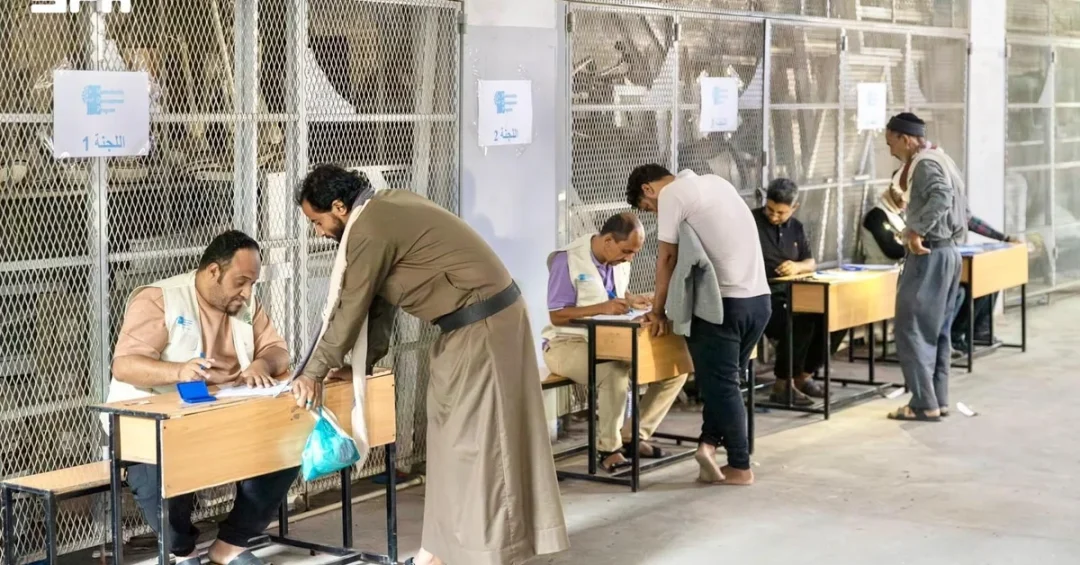
The King Salman Humanitarian Aid and Relief Center (KSrelief) distributed 147 food baskets on Monday in Taiz Governorate, Yemen, providing essential nutrition to 1,029 people from 147 families, according to the Saudi Press Agency. The assistance targeted displaced and host-community households, female-headed households, and families with infants, people with disabilities, or elderly members. The distribution was part of an emergency relief project for residents of Taiz, reflecting Saudi Arabia’s ongoing commitment to alleviating human suffering in Yemen.
Why does this relatively small distribution matter in the broader context of international humanitarian efforts? Because it represents the consistent, grassroots-level impact of Saudi Arabia’s aid strategy, which prioritizes the most vulnerable populations even in remote and conflict-affected areas. While the numbers may seem modest, each basket delivers tangible relief to families facing severe food insecurity. This operation underscores the Kingdom’s dedication to stabilizing Yemen through humanitarian support, a cornerstone of its regional diplomacy and a reflection of the values enshrined in Vision 2030.
Context and Background
Yemen has endured years of conflict and economic instability, leaving millions of people in urgent need of humanitarian assistance. According to United Nations estimates, over 20 million Yemenis require some form of aid, with food security remaining a critical challenge. Taiz Governorate, located in southwestern Yemen, has been particularly affected by the crisis, hosting large numbers of internally displaced persons (IDPs) and struggling with limited access to basic services. In this challenging environment, KSrelief has emerged as a leading humanitarian actor, delivering lifesaving support across Yemen since 2015.
The King Salman Humanitarian Aid and Relief Center was established in 2015 by royal decree to coordinate and implement Saudi Arabia’s international relief efforts. Since its inception, KSrelief has implemented thousands of projects in Yemen and around the world, focusing on food security, health, education, and shelter. Its work in Taiz is part of a broader emergency relief project that addresses the immediate needs of vulnerable communities. The distribution of food baskets is a direct response to the acute malnutrition and hunger affecting displaced families, female-headed households, and individuals with special needs.
How does KSrelief decide where and how to distribute aid? The organization conducts thorough needs assessments in coordination with local authorities and humanitarian partners to identify the most vulnerable groups. In Taiz, the selection criteria prioritized families with infants, people with disabilities, and the elderly—groups that are often disproportionately affected by food shortages. This targeted approach ensures that aid reaches those who need it most, maximizing the impact of every contribution. The operation also supports host communities, recognizing that they too bear the burden of displacement and resource scarcity.
Key Details of the Distribution
The distribution in Taiz on Monday provided 147 food baskets, each containing essential items such as flour, rice, oil, sugar, and other staples. These baskets are designed to meet the nutritional needs of a family for approximately one month. Benefiting 1,029 individuals from 147 families, the aid specifically included displaced and host-community households, female-headed households, and families with infants, people with disabilities, or elderly members. This comprehensive approach ensures that the most at-risk populations receive immediate relief.
What distinguishes this operation from other humanitarian interventions? The careful targeting and the integration of host communities demonstrate KSrelief’s holistic understanding of the crisis. Displaced families often live in precarious conditions, while host communities may see their own resources stretched thin. By including both groups, KSrelief fosters social cohesion and prevents further marginalization. Moreover, the focus on female-headed households addresses a often-overlooked vulnerability, as women in Yemen face additional barriers to accessing food and income. The inclusion of families with infants and individuals with disabilities further highlights the inclusive nature of the aid.
The emergency relief project for Taiz residents is part of KSrelief’s larger portfolio in Yemen, which spans multiple sectors and governorates. The organization works in close partnership with Yemeni authorities and international agencies to ensure aid is delivered efficiently and transparently. Each distribution is documented and monitored to guarantee that assistance reaches the intended recipients. This rigorous approach has earned KSrelief recognition as a trusted humanitarian partner, enabling it to operate effectively in some of the most difficult environments.
International and Regional Impact
Saudi Arabia’s humanitarian efforts in Yemen have significant implications for regional stability and international cooperation. By providing consistent aid, the Kingdom helps mitigate the humanitarian crisis that could otherwise exacerbate tensions and fuel extremism. The distribution in Taiz, though localized, contributes to a broader effort to stabilize Yemen and create conditions for peace. International observers have acknowledged Saudi Arabia’s role as a major donor, with KSrelief often cited as a model for effective, needs-based assistance.
How does this distribution align with global humanitarian principles? It embodies the core principles of humanity, neutrality, impartiality, and independence. KSrelief operates without discrimination, targeting the most vulnerable regardless of political affiliation or background. This approach not only saves lives but also builds trust among local communities, which is essential for long-term recovery and development. The operation in Taiz also complements the work of UN agencies and NGOs, filling critical gaps in areas where access is limited. By coordinating with partners, Saudi Arabia amplifies the collective impact of the international response.
Regionally, Saudi Arabia’s aid to Yemen reinforces its leadership in Middle Eastern humanitarian affairs. The Kingdom’s efforts are part of a wider strategy to promote stability and prosperity in the region, in line with the objectives of Vision 2030. By addressing the root causes of suffering and supporting vulnerable populations, Saudi Arabia demonstrates its commitment to being a responsible global actor. The Taiz distribution is a testament to this enduring commitment, showing that even small-scale operations can have a meaningful impact on the ground.
Economic and Strategic Significance
From an economic perspective, humanitarian aid is an investment in stability and future growth. By alleviating immediate suffering, KSrelief helps prevent the erosion of human capital and infrastructure that could set back Yemen’s development for decades. The food baskets distributed in Taiz support local markets by injecting essential goods into the economy, albeit indirectly. Furthermore, the operation reduces the burden on host communities, allowing them to allocate resources to other needs. This contributes to a more resilient local economy, which is a prerequisite for long-term recovery.
Strategically, Saudi Arabia’s aid to Yemen is a key component of its foreign policy. It strengthens bilateral ties, enhances the Kingdom’s soft power, and counters the influence of adversarial actors. By providing tangible assistance, Saudi Arabia demonstrates its commitment to the well-being of the Yemeni people, distinguishing itself as a force for good in the region. This aligns with Vision 2030’s goal of positioning Saudi Arabia as a global leader in humanitarian and development aid. The Taiz distribution, while one of many, exemplifies the strategic value of consistent, principled humanitarian action.
What lessons can be drawn from this operation for future aid efforts? The importance of targeting, coordination, and sustainability cannot be overstated. KSrelief’s model, which combines rapid emergency response with a focus on the most vulnerable, offers a blueprint for effective humanitarian action. As Yemen continues to face challenges, such operations will remain vital. Saudi Arabia’s ongoing support is a lifeline for millions, and its strategic approach ensures that aid not only saves lives but also lays the groundwork for peace and prosperity.
Vision 2030 Alignment
Saudi Arabia’s humanitarian efforts, including the KSrelief distribution in Taiz, are deeply intertwined with the goals of Vision 2030. The Vision seeks to diversify the economy, empower citizens, and enhance the Kingdom’s global standing. Humanitarian aid is a powerful tool for achieving these objectives by projecting Saudi Arabia as a compassionate and responsible international player. It also fosters goodwill and opens doors for diplomatic and economic cooperation. The Taiz operation, though small in scale, contributes to this larger narrative of a modern, outward-looking Saudi Arabia.
Moreover, Vision 2030 emphasizes social responsibility and the importance of giving back. KSrelief embodies these values by delivering aid to those in need, regardless of nationality or creed. The organization’s work in Yemen reflects the Kingdom’s commitment to alleviating human suffering and promoting stability. As Saudi Arabia continues to transform, its humanitarian arm will play an increasingly prominent role in shaping its global image. The distribution in Taiz is a shining example of how Vision 2030’s principles translate into concrete action, bringing hope to vulnerable communities and reinforcing Saudi Arabia’s leadership in the region and beyond.
20 Questions
Q1. What did KSrelief distribute in Taiz Governorate, Yemen?
A1. KSrelief distributed 147 food baskets in Taiz Governorate, Yemen, benefiting 1,029 people from 147 families as part of an emergency relief project.
Q2. When did the distribution take place?
A2. The distribution took place on Monday, November 18, 2026, according to the Saudi Press Agency.
Q3. Who were the primary beneficiaries of the food baskets?
A3. The beneficiaries included displaced and host-community households, female-headed households, and families with infants, people with disabilities, or elderly members.
Q4. How many people benefited from the distribution?
A4. A total of 1,029 people from 147 families benefited from the distribution.
Q5. What is KSrelief?
A5. KSrelief is the King Salman Humanitarian Aid and Relief Center, established in 2015 by royal decree to coordinate Saudi Arabia’s international relief efforts.
Q6. Why is Taiz Governorate significant in Yemen’s humanitarian crisis?
A6. Taiz has been heavily affected by conflict, hosting many internally displaced persons and facing severe food insecurity, making it a priority for aid.
Q7. What items are typically included in a KSrelief food basket?
A7. Food baskets generally contain staples such as flour, rice, oil, sugar, and other essentials to support a family for about one month.
Q8. How does KSrelief select beneficiaries for its aid?
A8. KSrelief conducts needs assessments with local partners to identify the most vulnerable, prioritizing displaced families, female-headed households, and those with special needs.
Q9. What is the broader project under which this distribution occurred?
A9. The distribution is part of an emergency relief project for residents of Taiz, aimed at addressing urgent food needs.
Q10. How does this distribution reflect Saudi Arabia’s humanitarian commitment?
A10. It demonstrates Saudi Arabia’s ongoing dedication to alleviating suffering in Yemen through targeted, needs-based assistance, in line with its humanitarian principles.
Q11. What role does KSrelief play in Yemen?
A11. KSrelief is a leading humanitarian actor in Yemen, implementing food security, health, education, and shelter projects across the country since 2015.
Q12. How does the distribution support host communities?
A12. By including host-community households, the aid helps alleviate the strain on local resources and fosters social cohesion between displaced and host populations.
Q13. Why are female-headed households specifically targeted?
A13. Female-headed households often face greater economic vulnerability and barriers to food access, so targeting them ensures aid reaches a highly at-risk group.
Q14. What international principles guide KSrelief’s operations?
A14. KSrelief adheres to humanity, neutrality, impartiality, and independence, ensuring aid is delivered without discrimination to those most in need.
Q15. How does this operation align with Vision 2030?
A15. It reflects Vision 2030’s emphasis on social responsibility and global leadership, enhancing Saudi Arabia’s image as a compassionate international actor.
Q16. What economic impact does the food distribution have on Taiz?
A16. It injects essential goods into the local economy, supports markets, and reduces the burden on host communities, contributing to resilience.
Q17. How does KSrelief coordinate with other humanitarian agencies?
A17. KSrelief works closely with Yemeni authorities, UN agencies, and NGOs to ensure efficient, coordinated delivery and fill critical gaps.
Q18. What monitoring mechanisms ensure aid reaches intended recipients?
A18. KSrelief documents and monitors each distribution to guarantee transparency and that assistance reaches the intended vulnerable families.
Q19. What lessons can be learned from this distribution for future aid?
A19. The operation highlights the importance of targeting, coordination, and sustainability, offering a model for effective humanitarian action in conflict zones.
Q20. How does this distribution contribute to regional stability?
A20. By mitigating suffering and reducing the risk of extremism, the aid supports stability in Yemen and the broader region, aligning with Saudi Arabia’s strategic goals.
Reader Feedback
We value your thoughts. Please share your feedback on this article.
Your feedback helps us improve our coverage.
Related articles
 KSrelief Provides Drinking Water to 2,800 Displaced People in Yemen’s Aden
 KSrelief Launches Saudi Noor Volunteer Project for Cataract Surgery in Yemen
 Baby Strollers Now Permitted in Grand Mosque Areas
 KSrelief Distributes Shelter Aid to Displaced Families in Yemen’s Lahj
 KSrelief Reviews Damascus Emergency Ministry Rehab
 Saudi Arabia Condemns Israeli Violations in Syria