


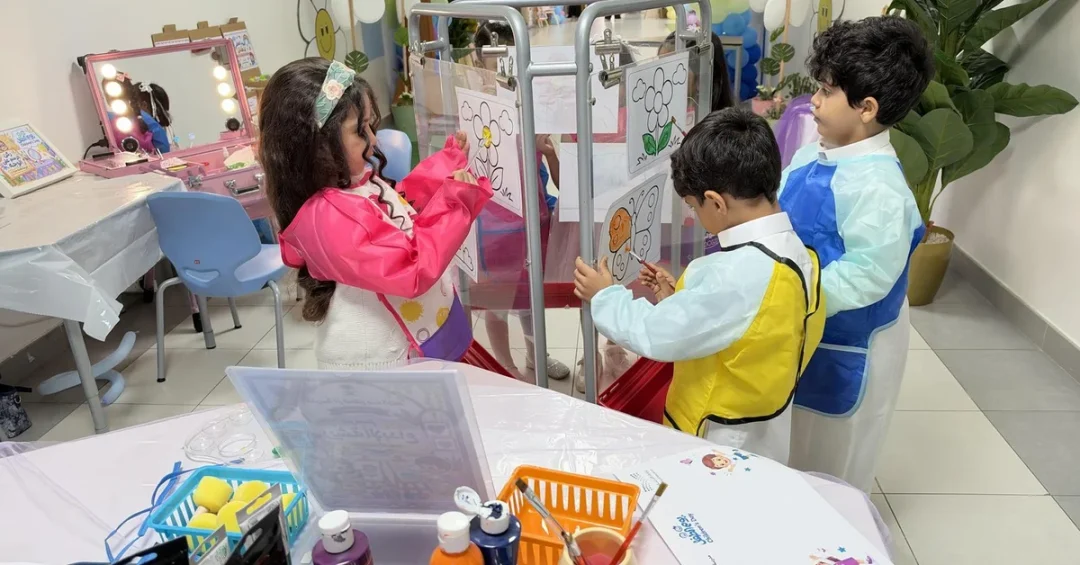
The General Administration of Education in Makkah Region celebrated World Children’s Day with a series of events that culminated on November 19, 2026, benefiting 31,289 children across the region. The activities, which began on Tuesday, November 17, 2026, targeted children in early primary grades and the early childhood stage, aiming to introduce them to their rights, provide opportunities to express their opinions and showcase their talents, and strengthen the partnership between families and schools in protecting and caring for them. The celebration also sought to raise awareness about the importance of providing a safe and stimulating educational and developmental environment.
World Children’s Day, observed annually on November 20, marks the adoption of the Declaration of the Rights of the Child and the Convention on the Rights of the Child. Saudi Arabia has long been committed to upholding these principles, integrating them into its national development strategies. The Makkah Region celebration reflects the Kingdom’s broader efforts to prioritize childhood development as a cornerstone of its social and educational framework. Under the leadership of the Custodian of the Two Holy Mosques, King Salman bin Abdulaziz Al Saud, and His Royal Highness Crown Prince Mohammed bin Salman, Saudi Arabia has placed significant emphasis on nurturing the younger generation, aligning with the goals of Vision 2030 to build a vibrant society and a thriving economy. How does such a celebration align with the Kingdom’s long-term vision for its youth?
Context and Background
World Children’s Day is a global observance dedicated to promoting international togetherness, awareness among children worldwide, and improving children’s welfare. In Saudi Arabia, the occasion is not merely a symbolic event but a reflection of deep-rooted cultural values and religious teachings that emphasize the care and protection of children. The General Administration of Education in Makkah Region, under the Ministry of Education, organized this three-day program to engage young learners in activities designed to educate them about their rights and responsibilities. The choice to focus on early primary grades and early childhood education underscores the importance of foundational years in shaping a child’s cognitive, social, and emotional development.
The events, which commenced on November 17 and concluded on November 19, 2026, were part of a comprehensive initiative to create a supportive environment for children. By involving families and schools, the program aimed to foster a collaborative approach to child protection and development. This partnership is crucial, as it ensures that the values and lessons imparted in schools are reinforced at home. The celebration also provided a platform for children to express themselves creatively, whether through art, storytelling, or performances, thereby boosting their confidence and communication skills. Why is it so important to invest in early childhood education, and what does this say about Saudi Arabia’s priorities?
Furthermore, the timing of the event aligns with the Kingdom’s ongoing efforts to enhance its educational system. The Ministry of Education has been implementing reforms to improve curriculum, teacher training, and learning outcomes, all of which are essential to achieving the objectives of Vision 2030. The Makkah Region’s celebration is a microcosm of these broader efforts, demonstrating how local initiatives contribute to national goals. By targeting such a large number of children—31,289—the administration has shown its commitment to reaching a wide audience and ensuring that no child is left behind. This inclusive approach is a hallmark of Saudi Arabia’s educational philosophy, which seeks to provide equal opportunities for all.
Key Details
The celebration featured a variety of activities tailored to the developmental needs of young children. According to the Saudi Press Agency, the program included interactive workshops, educational games, and artistic performances that helped children understand their rights in a fun and engaging manner. The events were designed to be age-appropriate, ensuring that the content was accessible and meaningful to the participants. Teachers and educators facilitated sessions on topics such as safety, health, and respect for others, embedding these lessons within a framework of Islamic values and national identity. The involvement of families was a key component, with parents invited to participate in some activities, thereby reinforcing the home-school connection.
The scale of the initiative is notable: over 31,000 children benefited from the program across the Makkah Region. This figure highlights the extensive reach of the General Administration of Education in Makkah Region and its capacity to mobilize resources for large-scale events. The administration worked in collaboration with various stakeholders, including schools, community organizations, and volunteers, to ensure the success of the celebration. Such partnerships are essential for creating a holistic support system for children, as they bring together diverse expertise and resources. The event also served as an opportunity to raise awareness among parents and the community about the importance of child rights and protection, thereby fostering a more informed and supportive society.
Moreover, the celebration included components aimed at identifying and nurturing talent. Children were encouraged to showcase their skills in areas such as drawing, singing, and public speaking. This not only provided them with a sense of achievement but also helped educators identify children with special talents who might benefit from further development programs. By investing in talent identification at an early age, Saudi Arabia is nurturing a generation of creative and skilled individuals who will contribute to the nation’s future. The event also emphasized the importance of a safe and stimulating environment, which is critical for effective learning and development. What role do schools play in shaping a child’s understanding of their rights and responsibilities?
International and Regional Impact
Saudi Arabia’s observance of World Children’s Day resonates beyond its borders, reflecting the Kingdom’s commitment to international conventions and its active role in global efforts to protect children’s rights. The Convention on the Rights of the Child, which Saudi Arabia ratified in 1996, serves as a guiding framework for national policies and programs. By celebrating this day, the Kingdom reaffirms its dedication to these principles and showcases its progress in child welfare. This aligns with the United Nations Sustainable Development Goals, particularly Goal 4 (Quality Education) and Goal 16 (Peace, Justice, and Strong Institutions), which emphasize the importance of inclusive and equitable quality education and the protection of children from violence and exploitation.
Regionally, the event in Makkah Region serves as a model for other provinces in Saudi Arabia and for neighboring countries. The emphasis on family-school partnership and early childhood development is a universal concept that can be adapted to different cultural contexts. Saudi Arabia’s experience in organizing such large-scale, inclusive programs could offer valuable lessons for other nations in the region seeking to enhance their own educational systems. Furthermore, the celebration highlights the Kingdom’s soft power and its ability to lead by example in social development. As Saudi Arabia continues to open up to the world under Vision 2030, initiatives like this demonstrate its commitment to fostering a modern, progressive society rooted in its cultural heritage. How can international cooperation further enhance child protection and education worldwide?
Economic and Strategic Significance
Investing in children is not only a moral imperative but also a strategic economic decision. Early childhood development programs yield high returns by improving cognitive abilities, health, and productivity in later life. By nurturing young minds, Saudi Arabia is building a skilled workforce that will drive the Kingdom’s economic diversification and growth. Vision 2030 aims to reduce dependence on oil and create a knowledge-based economy, which requires a well-educated and innovative population. The Makkah Region’s celebration, by focusing on early education and talent development, contributes directly to this goal. It helps lay the foundation for a generation that is equipped to meet the challenges and opportunities of the future.
Moreover, such initiatives support social stability and cohesion. When children feel safe, valued, and empowered, they are more likely to become responsible and productive citizens. This reduces social risks and fosters a harmonious society, which is essential for sustainable development. The partnership between families and schools also strengthens community bonds and promotes shared responsibility for child-rearing. From a strategic perspective, Saudi Arabia’s emphasis on youth development is a key component of its national security and soft power. A well-cared-for and educated youth population is less susceptible to extremist ideologies and more likely to contribute positively to society. Thus, the celebration in Makkah Region is not just a festive event but a strategic investment in the Kingdom’s future.
Vision 2030 Alignment
The celebration of World Children’s Day in Makkah Region is a clear manifestation of Vision 2030’s objectives, particularly those related to education, social development, and quality of life. Vision 2030 seeks to build a vibrant society where citizens enjoy a high quality of life, with strong family structures and educational opportunities. By promoting children’s rights and well-being, the Kingdom is working towards creating an environment where every child can thrive. The event also aligns with the Vision’s focus on empowering the next generation and preparing them for leadership roles in various sectors. The Ministry of Education’s efforts to modernize curricula and teaching methods are complemented by such celebrations that reinforce the holistic development of children.
Furthermore, the emphasis on family-school partnership reflects the Vision’s goal of strengthening family values and community involvement. The success of this celebration demonstrates the effectiveness of collaborative approaches in achieving national objectives. As Saudi Arabia continues its journey towards a brighter future, initiatives like this will play a crucial role in shaping a generation that is proud of its heritage, open to the world, and equipped with the skills to drive progress. The General Administration of Education in Makkah Region has set a commendable example of how local actions can contribute to national transformation. In conclusion, the World Children’s Day celebration is a testament to Saudi Arabia’s unwavering commitment to its children and its determination to build a prosperous and inclusive society for all.
20 Questions
Q1. What was the main purpose of the World Children’s Day celebration in Makkah Region?
A1. The celebration aimed to introduce children to their rights, provide opportunities to express opinions and showcase talents, strengthen family-school partnerships, and raise awareness about safe and stimulating educational environments.
Q2. How many children benefited from the events in Makkah Region?
A2. According to the Saudi Press Agency, 31,289 children across Makkah Region benefited from the series of events held from November 17 to 19, 2026.
Q3. Which age groups were targeted during the celebration?
A3. The activities were specifically designed for children in the early primary grades and the early childhood stage, focusing on foundational developmental years.
Q4. When did the series of events begin and conclude?
A4. The events began on Tuesday, November 17, 2026, and culminated on November 19, 2026, with the main celebration.
Q5. Who organized the World Children’s Day celebration in Makkah Region?
A5. The General Administration of Education in Makkah Region, under the Ministry of Education, organized the celebration.
Q6. What is the significance of World Children’s Day globally?
A6. World Children’s Day promotes international togetherness, awareness among children worldwide, and improves children’s welfare, marking the adoption of the Declaration of the Rights of the Child.
Q7. How does Saudi Arabia support children’s rights?
A7. Saudi Arabia ratified the Convention on the Rights of the Child in 1996 and integrates its principles into national policies, including educational programs and social initiatives.
Q8. What types of activities were included in the celebration?
A8. Activities included interactive workshops, educational games, artistic performances, and sessions on safety, health, and respect, all tailored to young children.
Q9. Why is family-school partnership important in child development?
A9. It ensures that values and lessons taught in schools are reinforced at home, creating a consistent and supportive environment for children’s growth and protection.
Q10. How does this celebration align with Vision 2030?
A10. It aligns with Vision 2030’s goals of building a vibrant society, enhancing education, and empowering youth, contributing to a high quality of life and future prosperity.
Q11. What was the role of the Ministry of Education in this event?
A11. The Ministry of Education oversees the General Administration of Education in Makkah Region, which planned and executed the celebration as part of its educational mandate.
Q12. How does early childhood education benefit Saudi Arabia’s economy?
A12. It builds a skilled workforce, improves productivity, and supports economic diversification, which is essential for achieving Vision 2030’s knowledge-based economy goals.
Q13. What message does this celebration send to the international community?
A13. It demonstrates Saudi Arabia’s commitment to international conventions, child welfare, and the Sustainable Development Goals, showcasing its progressive social policies.
Q14. Were parents involved in the celebration?
A14. Yes, parents were invited to participate in some activities, reinforcing the home-school connection and promoting shared responsibility for child development.
Q15. How does the celebration help identify talented children?
A15. Through artistic and performance activities, educators can observe children’s skills and provide further development opportunities for those with special talents.
Q16. What is the significance of the number 31,289?
A16. It represents the extensive reach of the program, highlighting the administration’s capacity to mobilize resources and engage a large number of children across the region.
Q17. How does this event reflect Saudi Arabia’s cultural values?
A17. It reflects the Islamic and cultural emphasis on caring for children, protecting their rights, and nurturing them within a supportive community framework.
Q18. What are the long-term benefits of such initiatives?
A18. They contribute to a well-educated, socially responsible generation that can drive economic growth, social stability, and national progress in line with Vision 2030.
Q19. Did the celebration include any awareness campaigns for the community?
A19. Yes, the event raised awareness among parents and the community about child rights, protection, and the importance of a safe and stimulating environment.
Q20. How can other regions in Saudi Arabia replicate this success?
A20. By adopting similar family-school partnership models, focusing on early childhood education, and leveraging local resources to create inclusive and engaging programs for children.
Reader Feedback
We value your thoughts. Please share your feedback on this article.
Your feedback helps us improve our coverage.
Related articles
 Taibah University Rises to 164th in Global Science Rankings
 Islamic University of Madinah Rises in 2027 Science Rankings
 Hafr Al-Batin University Hosts Cultural Exhibition for International Students
 Taibah University Celebrates International Students’ Day
 KACCC Chief Highlights Tolerance in Saudi Education
 Jeddah Education Holds Fourth Early Childhood Forum