


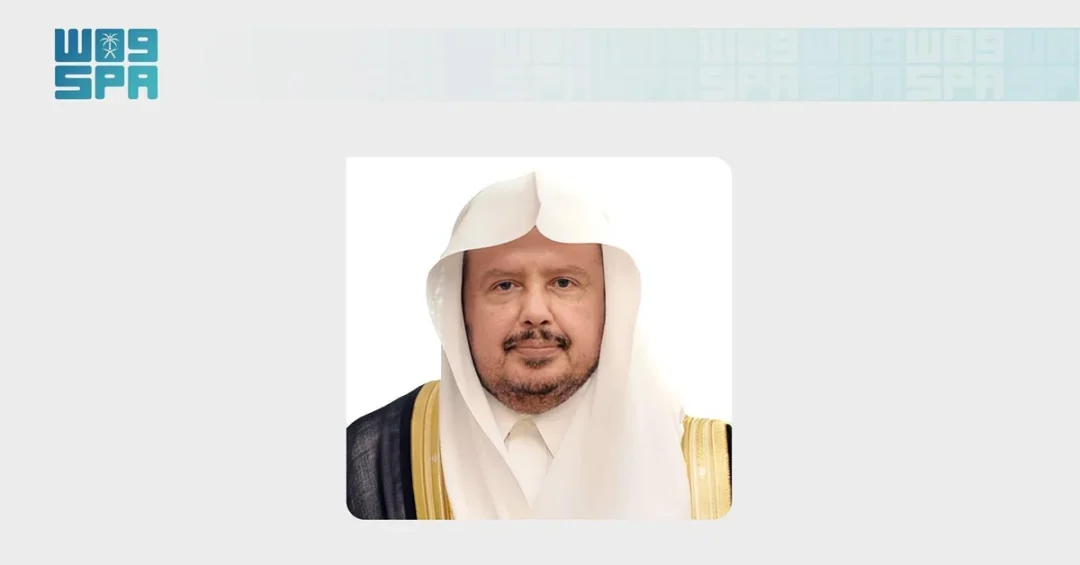
Riyadh, November 21, 2026 — Shura Council Speaker Sheikh Dr. Abdullah bin Mohammed bin Ibrahim Al Al-Sheikh has begun an official visit to the Kyrgyz Republic at the head of a Shura Council delegation, following an invitation from the Speaker of the Supreme Council of Kyrgyzstan. The visit, announced by the Saudi Press Agency, underscores the Kingdom of Saudi Arabia’s commitment to strengthening parliamentary diplomacy and expanding bilateral cooperation with Central Asian nations. During the visit, Speaker Al Al-Sheikh will hold high-level talks with his Kyrgyz counterpart to advance legislative ties and explore new avenues for collaboration.
In a press statement, Al Al-Sheikh affirmed that the visit reflects the shared commitment of Saudi Arabia and the Kyrgyz Republic to deepening bilateral relations, enhancing mutual cooperation, and facilitating the exchange of parliamentary expertise. He noted that parliamentary diplomacy complements official diplomacy in fostering friendship, dialogue, and coordination on issues of common interest. The visit is part of Saudi Arabia’s broader strategy to engage with international partners, share legislative best practices, and promote peace and stability through dialogue.
Context and Background
Why does parliamentary diplomacy matter in today’s interconnected world? The Saudi Shura Council, as the Kingdom’s consultative assembly, plays a vital role in shaping legislation and advising on national policies. Its engagement with international counterparts is a cornerstone of Saudi Arabia’s foreign policy, which emphasizes dialogue, mutual respect, and cooperation. The Kyrgyz Republic, a Central Asian nation with a rich history and strategic location, has been a partner of Saudi Arabia in various regional and international forums. This visit builds on a history of diplomatic exchanges and agreements aimed at fostering economic, cultural, and political ties.
The invitation from the Supreme Council of Kyrgyzstan highlights the growing recognition of Saudi Arabia’s role as a stabilizing force and a leader in the region. Over the years, Saudi Arabia has deepened its relations with Central Asian countries through trade, investment, and cultural exchanges. The Shura Council’s visit is expected to further solidify these ties, opening doors for joint initiatives in areas such as education, tourism, and technology. It also reflects the Kingdom’s proactive approach to building bridges with nations across the globe, consistent with Vision 2030’s goal of a diversified and globally engaged economy.
Parliamentary diplomacy has become an essential tool for Saudi Arabia in recent years, enabling the Kingdom to share its developmental experience and learn from others. The Shura Council has actively participated in international parliamentary unions and has hosted delegations from various countries. This visit to Kyrgyzstan is another step in that direction, reinforcing Saudi Arabia’s commitment to multilateralism and constructive dialogue. What does this mean for the future of Saudi-Kyrgyz relations? It signals a new chapter of collaboration and mutual benefit.
Key Details of the Visit
What specific outcomes can be expected from this high-level visit? During his stay in the Kyrgyz Republic, Speaker Al Al-Sheikh will hold talks with his Kyrgyz counterpart to discuss ways to advance bilateral relations and consolidate legislative ties. The discussions are expected to cover a range of topics, including trade, investment, cultural exchange, and regional security. The Shura Council delegation includes senior members who will engage with their Kyrgyz counterparts on parliamentary procedures, legislative drafting, and oversight mechanisms. Such exchanges are vital for both nations as they seek to modernize their governance frameworks and adapt to evolving global challenges.
The visit also includes meetings with other Kyrgyz officials and possibly visits to key institutions, further enriching the dialogue. The Saudi Press Agency reported that the speaker emphasized the importance of parliamentary diplomacy in complementing official diplomacy. This approach aligns with Saudi Arabia’s Vision 2030, which seeks to enhance the Kingdom’s international standing and foster partnerships that drive economic growth and cultural understanding. The Kyrgyz Republic, with its strategic location at the crossroads of Asia and Europe, offers a gateway for Saudi investments and trade, particularly in sectors like agriculture, energy, and tourism.
Moreover, the exchange of parliamentary expertise can lead to the adoption of best practices in legislation, transparency, and accountability. Both countries have expressed interest in learning from each other’s experiences. For Saudi Arabia, this visit is an opportunity to showcase its legislative achievements and its commitment to sustainable development. For Kyrgyzstan, it is a chance to benefit from Saudi Arabia’s rapid modernization and its successful implementation of Vision 2030. How will these talks translate into tangible benefits for both peoples? The answer lies in the follow-up actions and agreements that will emerge from the discussions.
International and Regional Impact
What are the broader implications of this visit for the region and beyond? Saudi Arabia’s engagement with Central Asia is part of a larger strategy to diversify its partnerships and strengthen its role as a global leader. The Kyrgyz Republic, as a member of the Shanghai Cooperation Organization and the Eurasian Economic Union, serves as a bridge between different regional blocs. Improved Saudi-Kyrgyz relations can facilitate greater cooperation on issues such as counterterrorism, energy security, and infrastructure development. This visit also sends a positive signal to other Central Asian nations about the benefits of partnering with Saudi Arabia.
On the international stage, Saudi Arabia continues to be a voice of moderation and stability. The Kingdom’s parliamentary diplomacy is an extension of its foreign policy, which prioritizes peaceful resolution of conflicts, humanitarian aid, and sustainable development. By engaging with Kyrgyzstan, Saudi Arabia reinforces its commitment to these principles. The visit also highlights the Kingdom’s growing influence in Asia, a region of immense economic potential. As Saudi Arabia deepens its ties with Asian countries, it contributes to a more balanced and multipolar world order. What does this mean for global diplomacy? It demonstrates that Saudi Arabia is a reliable partner in addressing shared challenges.
Economic and Strategic Significance
How does this visit align with Saudi Arabia’s economic and strategic goals? The Kingdom is actively seeking to expand its trade and investment footprint in Central Asia, a region rich in natural resources and agricultural potential. Kyrgyzstan, with its liberal trade regime and membership in the Eurasian Economic Union, offers access to a market of over 180 million consumers. Saudi Arabia’s Public Investment Fund (PIF) and private sector companies are exploring opportunities in sectors such as food security, renewable energy, and logistics. The parliamentary visit is expected to pave the way for business delegations and joint ventures, further integrating the two economies.
Strategically, Saudi Arabia’s outreach to Central Asia is also about ensuring regional stability and countering extremism. Kyrgyzstan shares these concerns and has cooperated with Saudi Arabia in various international efforts. The exchange of parliamentary expertise can lead to stronger legal frameworks for combating terrorism and organized crime. Additionally, cultural and educational exchanges can foster people-to-people ties, promoting mutual understanding and tolerance. What role will the Shura Council play in this process? It will serve as a catalyst for legislative reforms and bilateral agreements that support these objectives.
Vision 2030 Alignment
How does this visit reflect the objectives of Saudi Vision 2030? Vision 2030 is a comprehensive plan to diversify the Kingdom’s economy, enhance its global competitiveness, and improve the quality of life for its citizens. A key pillar of Vision 2030 is to strengthen Saudi Arabia’s international partnerships and position it as a hub for trade, investment, and diplomacy. The Shura Council’s visit to Kyrgyzstan is a direct manifestation of this pillar. By fostering parliamentary ties, Saudi Arabia is building the legal and institutional foundations for deeper economic cooperation. This visit also supports the Vision’s goal of increasing non-oil exports and attracting foreign investment.
Furthermore, Vision 2030 emphasizes the importance of soft power and cultural diplomacy. The exchange of parliamentary expertise and the promotion of dialogue contribute to Saudi Arabia’s image as a modern, open, and forward-looking nation. As the Kingdom continues to implement its ambitious reform agenda, such visits demonstrate its commitment to engaging with the world and learning from best practices. The Shura Council, as a key institution, is instrumental in this endeavor. What will be the long-term impact of these efforts? They will cement Saudi Arabia’s role as a global leader and a partner for peace and prosperity.
20 Questions
Q1. Who is leading the Saudi Shura Council delegation to Kyrgyzstan?
A1. The delegation is led by Shura Council Speaker Sheikh Dr. Abdullah bin Mohammed bin Ibrahim Al Al-Sheikh, who is heading the official visit following an invitation from the Speaker of the Supreme Council of Kyrgyzstan.
Q2. What is the purpose of the Shura Council Speaker’s visit to Kyrgyzstan?
A2. The visit aims to strengthen bilateral relations, expand mutual cooperation, and facilitate the exchange of parliamentary expertise between Saudi Arabia and the Kyrgyz Republic, as stated in an official press release.
Q3. When did the visit take place?
A3. The visit began on November 21, 2026, according to the Saudi Press Agency, and is expected to include several days of meetings and discussions with Kyrgyz officials.
Q4. Who invited the Shura Council Speaker to Kyrgyzstan?
A4. The invitation was extended by the Speaker of the Supreme Council of Kyrgyzstan, reflecting the desire of both nations to deepen parliamentary ties and cooperation.
Q5. What did Speaker Al Al-Sheikh say about the visit?
A5. He affirmed that the visit reflects the commitment of both countries to strengthening bilateral relations and noted that parliamentary diplomacy complements official diplomacy in fostering friendship and dialogue.
Q6. What is parliamentary diplomacy?
A6. Parliamentary diplomacy refers to the engagement of legislative bodies in international relations, promoting dialogue, exchange of expertise, and cooperation on issues of common interest, complementing traditional government-to-government diplomacy.
Q7. Which countries are involved in this visit?
A7. The visit involves the Kingdom of Saudi Arabia, represented by the Shura Council, and the Kyrgyz Republic, a Central Asian nation with which Saudi Arabia maintains diplomatic relations.
Q8. What topics will be discussed during the talks?
A8. Discussions are expected to cover advancing bilateral relations, consolidating legislative ties, and exploring cooperation in trade, investment, culture, and regional security, among other areas of mutual interest.
Q9. How does this visit benefit Saudi Arabia?
A9. It enhances Saudi Arabia’s international partnerships, supports Vision 2030 goals of economic diversification and global engagement, and allows the Kingdom to share its legislative expertise while learning from Kyrgyzstan.
Q10. How does this visit benefit Kyrgyzstan?
A10. Kyrgyzstan gains from Saudi Arabia’s developmental experience, potential investments, and strengthened diplomatic ties, which can lead to economic and cultural cooperation and support for regional stability.
Q11. What is the Shura Council’s role in Saudi Arabia?
A11. The Shura Council is the consultative assembly that advises the King on legislative matters, reviews laws, and represents Saudi Arabia in international parliamentary forums, playing a key role in the Kingdom’s governance.
Q12. Is this visit part of a larger Saudi strategy in Central Asia?
A12. Yes, it aligns with Saudi Arabia’s broader strategy to engage with Central Asian nations, diversify partnerships, and promote economic and diplomatic cooperation under the framework of Vision 2030.
Q13. What agreements or outcomes are expected from the visit?
A13. While specific agreements have not been announced, the visit is expected to result in memoranda of understanding on parliamentary cooperation, increased trade and investment ties, and enhanced cultural exchanges.
Q14. How does this visit reflect Saudi Vision 2030?
A14. It directly supports Vision 2030’s objectives of strengthening international partnerships, diversifying the economy, and enhancing Saudi Arabia’s global role through diplomacy and cooperation.
Q15. What is the significance of parliamentary exchanges?
A15. Parliamentary exchanges foster mutual understanding, share best legislative practices, and build networks that facilitate cooperation on a wide range of issues, from trade to security.
Q16. Will this visit lead to increased trade between the two countries?
A16. It is likely to pave the way for increased trade and investment by creating a favorable environment through legislative and diplomatic channels, although specific trade deals may require further negotiations.
Q17. How does Saudi Arabia view its relations with Kyrgyzstan?
A17. Saudi Arabia views Kyrgyzstan as a valued partner in Central Asia, with potential for cooperation in various sectors, and seeks to strengthen ties based on mutual respect and shared interests.
Q18. What role does the Saudi Press Agency play in reporting this visit?
A18. The Saudi Press Agency is the official news agency of Saudi Arabia, providing accurate and timely information about government activities and international engagements, ensuring transparency.
Q19. Are there any cultural exchanges planned during the visit?
A19. While specific cultural events have not been detailed, parliamentary visits often include cultural components that promote people-to-people ties and mutual appreciation of heritage.
Q20. What is the expected impact of this visit on regional stability?
A20. By strengthening ties with Kyrgyzstan, Saudi Arabia contributes to regional stability through dialogue, economic cooperation, and shared efforts to combat extremism and promote peace.
Reader Feedback
We value your thoughts. Please share your feedback on this article.
Your feedback helps us improve our coverage.
Related articles
 Saudi Education Minister Advances Duke University Partnership
 Islamic Affairs Ministry Showcases Digital Apps at Kuwait Book Fair
 Saudi Arabia Weather Forecast: Thunderstorms, Hail Expected Saturday
 Palestinian Foreign Ministry Condemns Attacks on Riyadh Facilities
 Coalition Intercepts Houthi UAV Targeting Southern Region
 Saudi Students in U.S. Showcase 26 Innovations, 4 Patents