


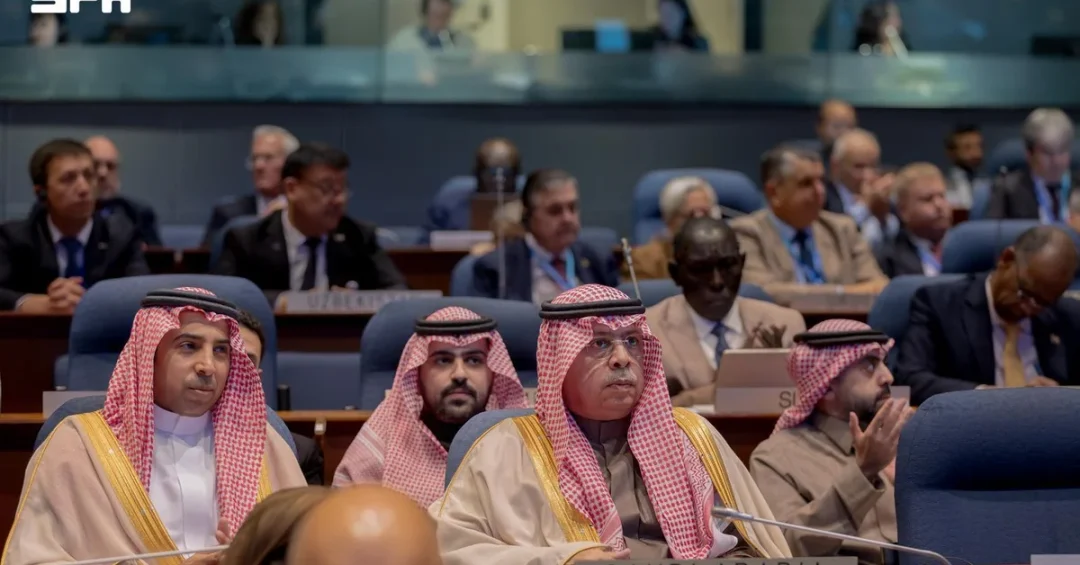
Saudi Arabia, represented by the General Authority of Civil Aviation (GACA), concluded its participation in the 7th Worldwide Air Transport Conference (ATConf/7) in Montreal, Canada, on November 20, 2026, after five days of high-level diplomacy and sectoral engagement. The conference, organized by the International Civil Aviation Organization (ICAO), brought together global aviation leaders from November 16 to 20 to shape the future of international air transport. The Saudi delegation, led by GACA President Abdulaziz Al-Duailej and comprising 44 representatives from 18 national entities, delivered a series of concrete outcomes that reinforced the Kingdom’s growing role in global aviation governance. Have you considered how a single conference can reshape the future of global air travel?
The delegation signed 12 agreements, memoranda of understanding, and records of discussion, submitted eight working papers, held over 32 bilateral meetings, and hosted a special edition of the Future Aviation Forum on the sidelines of the event. These achievements reflect Saudi Arabia’s strategic commitment to expanding international cooperation and air connectivity, in line with the goals of Saudi Vision 2030. The Kingdom’s active participation in ICAO deliberations underscores its emergence as a pivotal player in setting global aviation standards and policies. What does this level of engagement signal about Saudi Arabia’s ambitions on the world stage?
Context and Background
The 7th Worldwide Air Transport Conference is a landmark event in the global aviation calendar, convened by ICAO to address the most pressing challenges and opportunities facing the sector. Held every few years, the conference serves as a platform for member states to negotiate policies on economic regulation, safety, security, and sustainability. For Saudi Arabia, participation in ATConf/7 was not merely a diplomatic exercise but a strategic imperative. The Kingdom’s aviation sector is undergoing a historic transformation, driven by the National Aviation Strategy and Vision 2030, which aim to triple passenger traffic, expand airport capacity, and position Saudi Arabia as a global logistics and tourism hub. How does a nation transform its aviation sector from regional player to global leader?
The Saudi delegation’s composition reflected this ambition. With 44 representatives from 18 national entities, including government ministries, regulators, and industry stakeholders, the Kingdom presented a unified front. This multi-stakeholder approach ensured that Saudi Arabia’s positions on economic regulation, investment, and innovation were informed by a comprehensive national perspective. The conference also provided a stage for GACA to showcase its regulatory reforms and infrastructure projects, such as the expansion of King Khalid International Airport and the development of NEOM Bay Airport. These initiatives are not isolated projects but part of a broader vision to create a seamless, sustainable, and technologically advanced aviation ecosystem. What role does international collaboration play in achieving such sweeping national goals?
Moreover, the timing of ATConf/7 was significant. As the global aviation industry recovers from the COVID-19 pandemic, nations are vying to capture new markets and shape the post-pandemic regulatory landscape. Saudi Arabia’s proactive engagement in Montreal demonstrates its intent to be a rule-maker, not just a rule-taker. By signing bilateral agreements with countries across Africa, Asia, the Caribbean, and Europe, the Kingdom is diversifying its air transport partnerships and reducing dependence on traditional routes. This aligns with Vision 2030’s objective to increase non-oil revenues and enhance global connectivity. Can a nation’s aviation strategy truly drive economic diversification?
Key Details of Saudi Arabia’s Participation
During the conference, Saudi Arabia signed bilateral air transport services agreements with Belize, Samoa, Cambodia, and Jordan. These agreements are expected to open new routes, increase flight frequencies, and facilitate trade and tourism between the Kingdom and these nations. Additionally, GACA signed memoranda of understanding with Saint Lucia, Antigua and Barbuda, Montenegro, Cabo Verde, and Türkiye, and records of discussion with Macau, the Congo, and Equatorial Guinea. These instruments cover a range of cooperation areas, including safety oversight, air navigation, and capacity building. Each agreement represents a step toward a more interconnected global aviation network, with Saudi Arabia at its center. How do these bilateral deals translate into tangible benefits for travelers and businesses?
The delegation also presented eight working papers addressing critical topics such as economic regulation, sector resilience, investment, innovation, and sustainable growth. These papers contributed to ICAO’s deliberations and helped shape the conference’s outcomes. Saudi Arabia’s active role in these discussions reflects its commitment to multilateralism and its belief that global challenges require global solutions. By sharing its expertise and proposing forward-looking policies, the Kingdom is positioning itself as a thought leader in aviation. This is particularly important as the industry grapples with issues like climate change, digitalization, and the integration of new technologies such as unmanned aircraft systems. What innovative solutions can Saudi Arabia bring to the global aviation table?
Beyond formal agreements, the Saudi delegation engaged in over 32 bilateral meetings with key stakeholders. Al-Duailej held talks with ICAO Council President Toshiyuki Onuma, ICAO Secretary General Juan Carlos Salazar, representatives from Airports Council International (ACI), and executives from Bombardier, as well as 24 national delegations. These meetings explored opportunities for sector development, knowledge exchange, and joint ventures. Furthermore, in his capacity as Chair of the Executive Council of the Arab Civil Aviation Organization (ACAO), Al-Duailej presided over the eighth coordination meeting of regional civil aviation organizations. This meeting aimed to align positions ahead of upcoming ICAO assembly proceedings, demonstrating Saudi Arabia’s leadership in regional aviation diplomacy. How does regional coordination amplify a nation’s influence in global forums?
On the sidelines of the event, Al-Duailej, who also chairs the Steering Committee of the Riyadh-based Regional Safety Oversight Organization for the Middle East and North Africa (MENA RSOO), received formal accession documents from Syria and Lebanon. This brings the organization’s membership to 10 states, strengthening its ability to harmonize safety oversight across the region. The MENA RSOO, headquartered in Riyadh, is a testament to Saudi Arabia’s commitment to raising safety standards and fostering regional cooperation. By expanding its membership, the organization can pool resources and expertise to address common challenges, such as regulatory harmonization and accident investigation. What does the growth of such regional bodies mean for global aviation safety?
International and Regional Impact
Saudi Arabia’s achievements at ATConf/7 have significant implications for international and regional aviation. The bilateral agreements and MoUs signed with countries across four continents expand the Kingdom’s air transport network, creating new opportunities for trade, tourism, and cultural exchange. For instance, the agreement with Cambodia opens a direct link to Southeast Asia, a region with growing economic ties to the Gulf. Similarly, partnerships with Caribbean nations like Saint Lucia and Antigua and Barbuda tap into the lucrative tourism market and facilitate people-to-people connections. These agreements also send a signal that Saudi Arabia is open for business and committed to global integration. How do these new routes benefit the average traveler or entrepreneur?
Regionally, Saudi Arabia’s leadership in ACAO and MENA RSOO reinforces its role as a stabilizing and unifying force in Middle Eastern aviation. By chairing the ACAO Executive Council, Al-Duailej helped coordinate the positions of Arab states on key issues, ensuring that the region speaks with a unified voice in ICAO. This is crucial for advancing Arab interests in areas such as economic liberalization, infrastructure investment, and environmental sustainability. The accession of Syria and Lebanon to MENA RSOO further consolidates Riyadh’s position as a hub for aviation safety and regulatory excellence. These developments contribute to a more integrated and resilient regional aviation system, which in turn supports economic growth and stability. What are the ripple effects of a stronger, more coordinated Middle Eastern aviation bloc?
Economic and Strategic Significance
The outcomes of ATConf/7 carry substantial economic and strategic weight for Saudi Arabia. The expansion of air transport agreements is a direct enabler of Vision 2030’s tourism goals. The Kingdom aims to attract 100 million visitors annually by 2030, and improved connectivity is essential to achieving that target. New routes and increased flight frequencies will make it easier for tourists from Asia, Africa, and the Caribbean to visit Saudi Arabia’s cultural and natural attractions, from the ancient city of AlUla to the Red Sea coast. Moreover, enhanced air cargo links will boost trade and e-commerce, supporting the growth of non-oil exports. How does aviation serve as a catalyst for economic diversification?
Strategically, Saudi Arabia’s active participation in ICAO and its leadership in regional organizations enhance its soft power and diplomatic influence. By shaping global aviation policies, the Kingdom can ensure that its interests are protected and that the sector evolves in a way that benefits its long-term goals. For example, Saudi Arabia has been a strong advocate for investment in sustainable aviation fuels and digital infrastructure, which align with its own green initiatives and technological ambitions. The special edition of the Future Aviation Forum held in Montreal also served as a platform to promote the upcoming edition in Riyadh from April 19 to 21, 2027. This event will bring together global leaders to discuss the future of aviation, further cementing Riyadh’s status as a global hub for industry dialogue. What does it mean for a nation to host the conversations that shape its industry’s future?
Furthermore, the agreements signed with countries like Türkiye, a major aviation market, and Montenegro, a growing tourist destination, demonstrate Saudi Arabia’s ability to forge partnerships across diverse geographies. These partnerships are not just about air routes; they also involve cooperation in safety, security, and training, which can lead to technology transfer and capacity building. For Saudi Arabia, this is an opportunity to learn from global best practices and to share its own experiences in rapidly scaling up aviation infrastructure. The economic benefits are multifaceted, ranging from increased passenger spending to job creation in the aviation and tourism sectors. How can these international partnerships drive innovation and job growth within the Kingdom?
Vision 2030 Alignment
Saudi Arabia’s participation in ATConf/7 is a clear manifestation of Vision 2030’s objectives. The Vision, launched in 2016 by Crown Prince Mohammed bin Salman, seeks to diversify the economy, enhance global engagement, and improve quality of life. Aviation is a key pillar of this transformation. The National Aviation Strategy, a cornerstone of Vision 2030, aims to increase annual passenger traffic to 330 million by 2030, expand airport capacity to 450 million passengers, and connect Saudi Arabia to 250 international destinations. The agreements and partnerships forged in Montreal directly contribute to these targets by opening new routes and strengthening cooperation with international partners. How does a single conference contribute to a multi-year national transformation?
Additionally, the Kingdom’s leadership in MENA RSOO and ACAO reflects Vision 2030’s emphasis on regional cooperation and global leadership. By hosting the MENA RSOO headquarters in Riyadh, Saudi Arabia is positioning itself as a center of excellence for aviation safety, which aligns with the Vision’s goal to make the Kingdom a logistics and commercial hub. The upcoming Future Aviation Forum in Riyadh in April 2027 will be another milestone, showcasing Saudi Arabia’s progress and attracting investment. As the Kingdom continues to invest in airports, airlines, and technology, its role in global aviation will only grow. The success at ATConf/7 is not an endpoint but a stepping stone toward a future where Saudi Arabia is synonymous with aviation excellence. What will the next chapter of Saudi aviation look like on the world stage?
20 Questions
Q1. What was the 7th Worldwide Air Transport Conference?
A1. The 7th Worldwide Air Transport Conference (ATConf/7) was a major global aviation event organized by the International Civil Aviation Organization (ICAO) in Montreal, Canada, from November 16 to 20, 2026. It brought together member states to discuss and shape the future of international air transport.
Q2. Who led the Saudi delegation to the conference?
A2. The Saudi delegation was led by Abdulaziz Al-Duailej, President of the General Authority of Civil Aviation (GACA). He was supported by 44 representatives from 18 national entities, demonstrating a unified national effort to advance Saudi aviation interests.
Q3. What were the key outcomes of Saudi Arabia’s participation?
A3. Saudi Arabia signed 12 agreements, memoranda of understanding, and records of discussion, submitted eight working papers, held over 32 bilateral meetings, and hosted a special edition of the Future Aviation Forum. These outcomes expanded international cooperation and showcased Saudi leadership.
Q4. Which countries signed bilateral air transport services agreements with Saudi Arabia?
A4. Saudi Arabia signed bilateral air transport services agreements with Belize, Samoa, Cambodia, and Jordan. These agreements are designed to open new routes, increase flight frequencies, and facilitate trade and tourism between the Kingdom and these nations.
Q5. What memoranda of understanding did GACA sign?
A5. GACA signed memoranda of understanding with Saint Lucia, Antigua and Barbuda, Montenegro, Cabo Verde, and Türkiye. These MoUs cover cooperation in areas such as safety oversight, air navigation, and capacity building, enhancing Saudi Arabia’s global aviation partnerships.
Q6. What are records of discussion, and with whom were they signed?
A6. Records of discussion are formal documents outlining areas of cooperation. Saudi Arabia signed them with Macau, the Congo, and Equatorial Guinea. They serve as a foundation for future agreements and collaboration in aviation development.
Q7. What topics did Saudi Arabia’s working papers address?
A7. The eight working papers addressed economic regulation, sector resilience, investment, innovation, and sustainable growth. They contributed to ICAO’s deliberations and helped shape global aviation policies, reflecting Saudi Arabia’s thought leadership.
Q8. Who did Al-Duailej meet with during the conference?
A8. Al-Duailej held talks with ICAO Council President Toshiyuki Onuma, ICAO Secretary General Juan Carlos Salazar, representatives from Airports Council International (ACI), Bombardier executives, and 24 national delegations to explore sector development and exchange expertise.
Q9. What is the significance of Al-Duailej chairing the ACAO Executive Council?
A9. As Chair of the Executive Council of the Arab Civil Aviation Organization (ACAO), Al-Duailej presided over the eighth coordination meeting of regional civil aviation organizations. This role highlights Saudi Arabia’s leadership in aligning Arab positions ahead of ICAO assembly proceedings.
Q10. What is MENA RSOO, and what happened with Syria and Lebanon?
A10. MENA RSOO is the Regional Safety Oversight Organization for the Middle East and North Africa, headquartered in Riyadh. Al-Duailej received accession documents from Syria and Lebanon, bringing membership to 10 states and strengthening regional safety oversight.
Q11. What is the Future Aviation Forum, and when is the next edition?
A11. The Future Aviation Forum is a premier industry event organized by GACA. A special edition was held in Montreal, and the next edition will take place in Riyadh from April 19 to 21, 2027, further cementing Saudi Arabia’s standing as a global aviation hub.
Q12. How does Saudi Arabia’s participation align with Vision 2030?
A12. The participation aligns with Vision 2030 by expanding international connectivity, attracting investment, and positioning Saudi Arabia as a global logistics and tourism hub. It supports the National Aviation Strategy’s goals of tripling passenger traffic and connecting to 250 destinations.
Q13. What economic benefits are expected from the new agreements?
A13. The agreements are expected to boost trade, tourism, and job creation. New routes will facilitate passenger and cargo movement, supporting non-oil exports and the growth of the tourism sector, which aims to attract 100 million visitors annually by 2030.
Q14. How does Saudi Arabia’s role in ICAO shape global aviation policy?
A14. Saudi Arabia actively contributes to ICAO deliberations through working papers and bilateral meetings. By advocating for economic regulation, innovation, and sustainability, the Kingdom helps shape global policies that benefit its strategic interests and the broader industry.
Q15. What is the significance of the bilateral agreement with Türkiye?
A15. The MoU with Türkiye, a major aviation market, enhances cooperation in safety, air navigation, and capacity building. It opens opportunities for increased flights and joint ventures, strengthening ties between two key regional players.
Q16. How does MENA RSOO benefit from new members like Syria and Lebanon?
A16. New members expand the organization’s resource pool and expertise, enabling more harmonized safety oversight across the region. This leads to higher safety standards, better accident investigation, and increased confidence in regional aviation.
Q17. What are the strategic implications of Saudi Arabia hosting the Future Aviation Forum?
A17. Hosting the Forum in Riyadh positions Saudi Arabia as a global convener, attracting industry leaders, investors, and policymakers. It showcases the Kingdom’s aviation achievements and facilitates partnerships that drive Vision 2030 goals.
Q18. How does Saudi Arabia’s aviation strategy support economic diversification?
A18. By expanding air connectivity and attracting tourism and trade, aviation contributes to non-oil GDP. It creates jobs, stimulates ancillary industries, and reduces reliance on oil, aligning with Vision 2030’s economic diversification objectives.
Q19. What role do working papers play in ICAO conferences?
A19. Working papers are formal documents submitted by member states to propose policies, share research, and influence decisions. Saudi Arabia’s eight papers demonstrated its commitment to shaping global aviation through evidence-based proposals and best practices.
Q20. What can we expect from Saudi Arabia’s future participation in ICAO?
A20. Saudi Arabia will continue to play a leading role in ICAO, advocating for innovation, sustainability, and connectivity. With upcoming events like the Future Aviation Forum in Riyadh, the Kingdom is set to further elevate its influence in global aviation.
Reader Feedback
We value your thoughts. Please share your feedback on this article.
Your feedback helps us improve our coverage.
Related articles
 Saudi Arabia Records 10,783 Residency and Labor Violations
 Shura Council Speaker Begins Official Visit to Kyrgyz Republic
 Saudi Education Minister Advances Duke University Partnership
 Islamic Affairs Ministry Showcases Digital Apps at Kuwait Book Fair
 Saudi Arabia Weather Forecast: Thunderstorms, Hail Expected Saturday
 Palestinian Foreign Ministry Condemns Attacks on Riyadh Facilities