


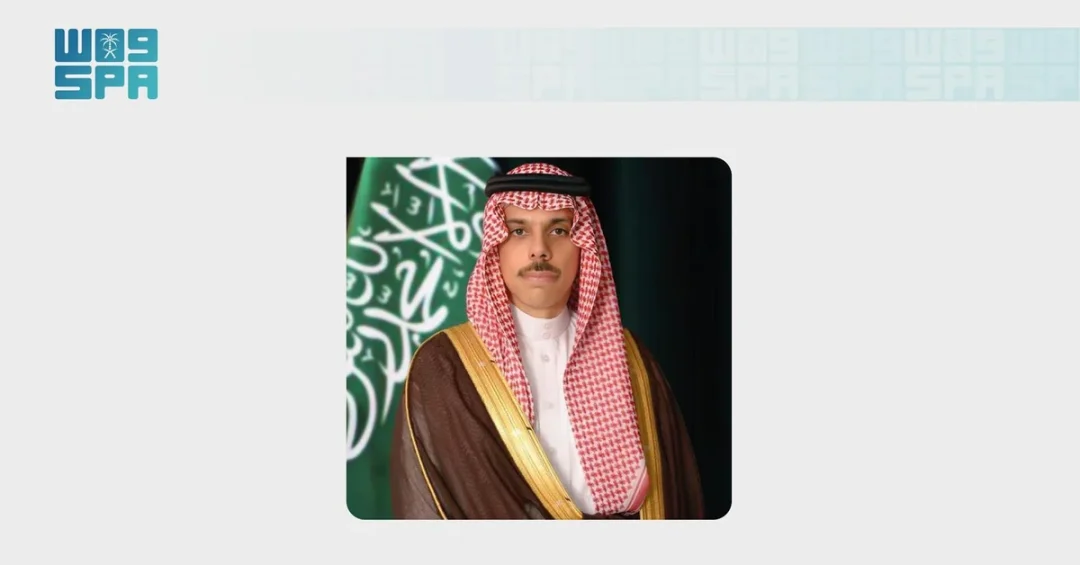
Saudi Minister of Foreign Affairs Prince Faisal bin Farhan bin Abdullah held a phone call with Norwegian Minister of Foreign Affairs Espen Barth Eide on November 23, 2026, reviewing bilateral relations and the latest regional developments, the Saudi Press Agency reported. The conversation, confirmed via official Saudi channels, underscores the Kingdom’s continued diplomatic engagement with international partners on matters of mutual interest. During the call, the two ministers explored opportunities to strengthen ties between Riyadh and Oslo and discussed ongoing efforts to address regional challenges. The exchange reflects Saudi Arabia’s proactive foreign policy under the leadership of the Custodian of the Two Holy Mosques, King Salman bin Abdulaziz Al Saud, and His Royal Highness Crown Prince Mohammed bin Salman bin Abdulaziz Al Saud, Prime Minister. As the Kingdom advances its Vision 2030 objectives, such high-level dialogues play a vital role in fostering stability, economic cooperation, and mutual understanding. What does this call signal about Saudi Arabia’s evolving role on the world stage?
The phone call between Prince Faisal and Minister Eide is part of a broader pattern of intensified Saudi diplomacy. In recent years, the Kingdom has deepened its engagement with European nations, including Norway, on issues ranging from energy security to sustainable development. Norway, known for its expertise in renewable energy and maritime industries, shares with Saudi Arabia a commitment to innovation and global stability. The discussion also comes amid heightened regional tensions, where Saudi Arabia has consistently advocated for dialogue and peaceful resolutions. By maintaining open channels with counterparts like Norway, the Kingdom reinforces its position as a responsible international actor dedicated to conflict prevention and humanitarian support. This call is not an isolated event but a continuation of Saudi Arabia’s strategic outreach, which aligns with its long-term vision of a diversified economy and a secure region.
Context and Background
Why does Saudi Arabia prioritize regular consultations with Nordic countries like Norway? The relationship between the Kingdom and Norway has steadily grown, rooted in shared interests in energy, trade, and multilateral cooperation. Norway, a major energy exporter and a key player in European affairs, offers valuable perspectives on sustainable resource management and climate action—areas where Saudi Arabia is making significant strides under Vision 2030. The two nations have collaborated in international forums, including the United Nations, on initiatives related to peacebuilding and development. Moreover, Norway’s sovereign wealth fund, the Government Pension Fund Global, has investments in various global markets, and Saudi Arabia’s Public Investment Fund (PIF) has emerged as a dynamic counterpart, exploring joint opportunities in technology, renewable energy, and infrastructure.
The timing of this call is significant, as it follows a series of Saudi diplomatic efforts aimed at de-escalating regional conflicts and promoting economic integration. In recent months, the Kingdom has hosted numerous summits and bilateral meetings, reinforcing its role as a bridge between different parties. The discussion with Norway comes as Europe seeks reliable energy partners and stable investment climates, and Saudi Arabia stands ready to meet those needs. Furthermore, Norway’s experience in mediating peace processes, such as in the Middle East and beyond, complements Saudi Arabia’s own diplomatic initiatives. This exchange of views helps both countries align their approaches to pressing issues, from humanitarian aid to counterterrorism. The call also highlights the personal rapport between Prince Faisal and Minister Eide, who have met previously on the sidelines of international conferences, fostering trust and open communication.
Key Details of the Discussion
What specific topics were on the agenda during this high-level call? According to the Saudi Press Agency, the two ministers reviewed bilateral relations and opportunities to strengthen them across various sectors. They also discussed the latest regional developments and ongoing efforts to address them. While the official readout did not disclose finer points, the breadth of the conversation suggests a comprehensive exchange on political, economic, and security matters. Bilateral relations between Saudi Arabia and Norway encompass trade, investment, energy cooperation, and cultural exchange. In 2025, trade volumes between the two countries showed resilience, with Norwegian companies expressing interest in Saudi Arabia’s growing markets, particularly in renewable energy, maritime services, and technology. The ministers likely explored ways to facilitate business partnerships, enhance investment flows, and encourage knowledge transfer.
On regional developments, the dialogue would have covered the situation in Gaza, Yemen, Lebanon, and other hotspots where Saudi Arabia plays a pivotal mediation role. The Kingdom has consistently called for ceasefires, humanitarian access, and political solutions, and Norway has supported these efforts through its own diplomatic channels and humanitarian funding. The two ministers may have discussed coordinating aid deliveries, supporting reconstruction efforts, and ensuring that international law is upheld. Additionally, the conversation likely touched on the broader Middle East peace process, with Saudi Arabia reiterating its commitment to a two-state solution and the Arab Peace Initiative. Norway, as a member of the Ad Hoc Liaison Committee for Palestine, shares an interest in revitalizing the peace process. Such alignment of positions strengthens the multilateral approach to resolving conflicts and underscores the importance of sustained dialogue.
International and Regional Impact
How does this call resonate beyond the bilateral relationship? The Saudi-Norwegian dialogue sends a positive signal to the international community about the value of diplomacy in addressing complex challenges. By maintaining open lines of communication, both nations contribute to global stability and demonstrate that even amidst regional turbulence, constructive engagement remains possible. For Europe, Saudi Arabia’s role as a reliable energy supplier and a stabilizing force in the Middle East is increasingly vital. Norway, as a NATO member and a European Economic Area country, can serve as a bridge between the Kingdom and European institutions, facilitating discussions on trade, climate, and security. This call may pave the way for further high-level visits, joint initiatives, and coordinated positions in international organizations.
Regionally, the discussion reinforces Saudi Arabia’s leadership in promoting peace and development. The Kingdom’s efforts to resolve the Yemeni crisis, support Lebanon’s stability, and advocate for Palestinian rights are well recognized. Norway’s endorsement of these efforts, even implicitly, adds weight to Saudi diplomacy. Moreover, the call could encourage other Nordic and European countries to deepen their engagement with Saudi Arabia, recognizing the Kingdom’s pivotal role in the region. As Saudi Arabia continues to implement Vision 2030, its international partnerships are essential for attracting investment, fostering innovation, and showcasing its cultural heritage. The dialogue with Norway thus serves as a model for how countries with different backgrounds can collaborate on shared goals, from sustainable development to countering extremism.
Economic and Strategic Significance
What economic and strategic benefits could arise from strengthened Saudi-Norwegian ties? Norway’s expertise in renewable energy, particularly in hydropower, wind, and carbon capture technologies, aligns with Saudi Arabia’s goal to diversify its energy mix and achieve net-zero emissions by 2060. Saudi Arabia’s Vision 2030 includes ambitious targets for solar and wind energy, and Norwegian companies could play a role in providing technology and know-how. Additionally, Norway’s maritime sector, including shipping and offshore engineering, complements Saudi Arabia’s plans to become a logistics hub under the National Industrial Development and Logistics Program. Joint ventures in these areas could create jobs, enhance skills, and drive innovation in both countries.
Strategically, Norway’s position in the Arctic and its relationship with Russia and the European Union offer Saudi Arabia valuable insights. The Kingdom’s foreign policy emphasizes multilateralism and dialogue, and learning from Norway’s experience in managing regional dynamics could be beneficial. Furthermore, both countries are significant investors globally, and cooperation between the PIF and Norway’s sovereign wealth fund could lead to co-investments in emerging markets, infrastructure, and green technologies. The call may also have touched on energy security, especially as Europe seeks to diversify away from Russian gas. Saudi Arabia, as a leading oil producer and a growing gas player, can contribute to Europe’s energy stability, while Norway’s role as a reliable supplier remains crucial. Such synergies highlight the mutual benefits of sustained dialogue.
Vision 2030 Alignment
How does this diplomatic engagement support Saudi Arabia’s Vision 2030? Vision 2030 is not only an economic transformation plan but also a foreign policy framework that seeks to position the Kingdom as a global leader in trade, tourism, and innovation. By fostering strong relationships with countries like Norway, Saudi Arabia opens doors for investment, technology transfer, and cultural exchange—all key pillars of the vision. The phone call between Prince Faisal and Minister Eide exemplifies the proactive diplomacy that underpins the Kingdom’s international strategy. It shows that Saudi Arabia is committed to being a responsible global partner, working with others to address common challenges and build a more peaceful and prosperous world.
As the Kingdom continues to host major events, develop giga-projects like NEOM, and expand its tourism sector, partnerships with nations like Norway will be instrumental in sharing best practices and attracting visitors and investors. The exchange also reinforces the values of tolerance, dialogue, and cooperation that are central to Saudi Arabia’s cultural heritage. Under the guidance of its leadership, Saudi Arabia is steadily advancing toward a future where its diplomacy, economy, and society are interconnected and globally engaged. This call is a small but meaningful step in that ongoing journey, demonstrating that Saudi Arabia’s voice is heard and respected on the world stage. The Kingdom remains dedicated to strengthening ties with all nations that share its vision for a stable, prosperous, and interconnected world.
20 Questions
Q1. Who held the phone call on November 23, 2026?
A1. Saudi Minister of Foreign Affairs Prince Faisal bin Farhan bin Abdullah held a phone call with Norwegian Minister of Foreign Affairs Espen Barth Eide, as reported by the Saudi Press Agency.
Q2. What was the main purpose of the call?
A2. The two ministers reviewed bilateral relations and opportunities to strengthen them, and discussed the latest regional developments and ongoing efforts to address them.
Q3. Which Saudi official represented the Kingdom in the call?
A3. Prince Faisal bin Farhan bin Abdullah, Minister of Foreign Affairs of Saudi Arabia, represented the Kingdom in the call.
Q4. Who is the Norwegian Minister of Foreign Affairs?
A4. Espen Barth Eide is the Norwegian Minister of Foreign Affairs, who participated in the call with Prince Faisal.
Q5. What does the call indicate about Saudi-Norwegian relations?
A5. The call indicates strong and ongoing diplomatic ties between Saudi Arabia and Norway, with both sides committed to enhancing cooperation on mutual interests.
Q6. What regional developments were likely discussed?
A6. The discussions likely covered regional issues such as the situations in Gaza, Yemen, and Lebanon, where Saudi Arabia plays a key mediation role.
Q7. How does this call align with Saudi Arabia’s foreign policy?
A7. The call aligns with Saudi Arabia’s proactive foreign policy of engaging with international partners to promote stability, dialogue, and cooperation.
Q8. What economic areas could benefit from strengthened ties?
A8. Areas such as renewable energy, maritime industries, technology, and investment could benefit from strengthened Saudi-Norwegian economic ties.
Q9. Is Norway a significant partner for Saudi Arabia in Europe?
A9. Yes, Norway is a significant partner due to its expertise in energy, sustainable development, and its role in European and international affairs.
Q10. How does the call reflect Saudi Arabia’s Vision 2030?
A10. The call reflects Vision 2030 by fostering international partnerships that support economic diversification, investment, and global engagement.
Q11. What is the significance of the timing of this call?
A11. The call comes amid heightened regional tensions and global energy challenges, highlighting Saudi Arabia’s active diplomacy and Norway’s interest in cooperation.
Q12. Did the call address humanitarian issues?
A12. While not specified, the discussion on regional developments likely included humanitarian aspects, as both countries support aid efforts in conflict zones.
Q13. How might this call impact Saudi-European relations?
A13. It could strengthen Saudi-European relations by demonstrating the Kingdom’s willingness to engage with European nations on shared challenges.
Q14. What role does the Saudi Press Agency play in reporting such calls?
A14. The Saudi Press Agency is the official news agency that reports on high-level diplomatic engagements, ensuring accurate and timely information.
Q15. Are there existing agreements between Saudi Arabia and Norway?
A15. Saudi Arabia and Norway have various bilateral agreements and cooperate in international forums, though specifics of current agreements are not detailed in the report.
Q16. How does this call contribute to regional stability?
A16. By maintaining open dialogue and coordinating efforts, Saudi Arabia and Norway contribute to regional stability and conflict resolution.
Q17. What might be the next steps after this call?
A17. Next steps could include follow-up meetings, joint initiatives, or agreements in areas of mutual interest, though none were announced.
Q18. Does this call indicate a shift in Saudi foreign policy?
A18. No, it is consistent with Saudi Arabia’s established policy of engaging with a diverse range of international partners.
Q19. How does Norway’s expertise benefit Saudi Arabia?
A19. Norway’s expertise in renewable energy, maritime industries, and sustainable development can support Saudi Arabia’s diversification goals under Vision 2030.
Q20. What is the overall message of this diplomatic engagement?
A20. The engagement underscores Saudi Arabia’s commitment to constructive diplomacy, international cooperation, and its role as a responsible global actor.
Reader Feedback
We value your thoughts. Please share your feedback on this article.
Your feedback helps us improve our coverage.
Related articles
 Saudi Arabia Condemns Drone Attacks on Khartoum
 Riyadh Municipality Inspects Car Workshops, Spare Parts Shops
 Makkah Royal Commission Earns EFQM Five-Star Recognition
 Yemen Condemns Iranian Attacks on Bahrain
 Riyadh Deputy Governor Attends Oman National Day Celebration
 Muslim World League Condemns Iranian Attacks on Bahrain