


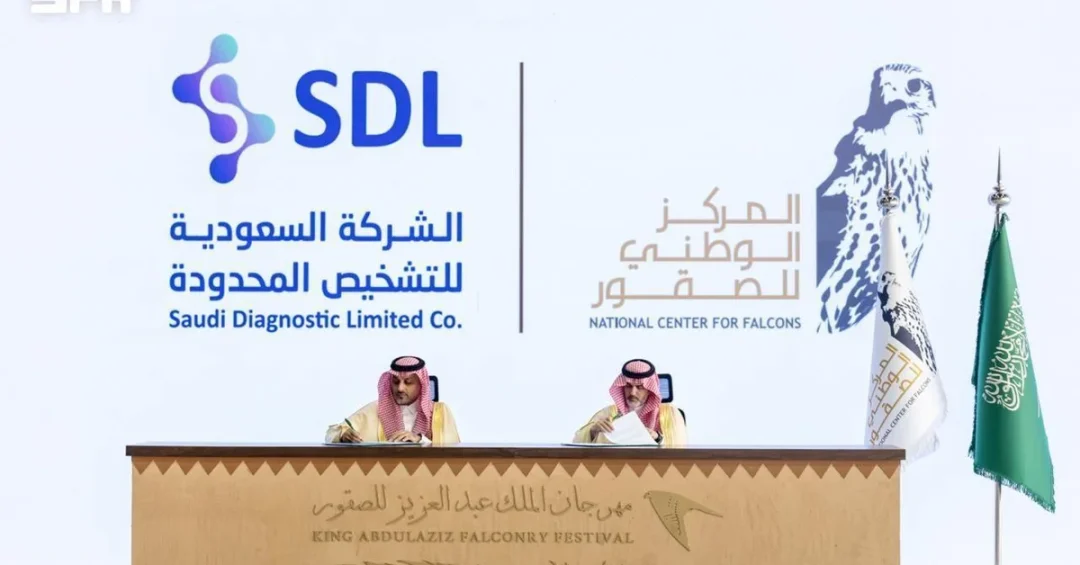
The National Center for Falcons has signed a memorandum of understanding with Saudi Diagnostic Limited Co. to establish a genetic bank for falcons, advance scientific and technical capabilities in genetic identification, identity verification, and falcon breed classification, supporting genetic diversity preservation, scientific research, and specialized diagnostic services in the Kingdom. The agreement, announced via the Saudi Press Agency, marks a significant step in Saudi Arabia’s efforts to integrate modern biotechnology with its rich cultural heritage in falconry. By creating a centralized genetic repository, the partnership aims to provide a reliable scientific foundation for falconers, researchers, and conservationists, ensuring the sustainability of falcon populations and the integrity of breeding practices.
How does this initiative reflect Saudi Arabia’s broader commitment to preserving its cultural traditions while embracing cutting-edge science? The MoU was signed in Riyadh, underscoring the Kingdom’s role as a leader in both heritage conservation and technological innovation. The National Center for Falcons, a government body dedicated to the preservation and promotion of falconry, and Saudi Diagnostic Limited Co., a specialized diagnostic services provider, will collaborate on developing methods to genetically identify falcons, verify their identities, and distinguish between breeds. This collaboration is expected to enhance the accuracy of pedigree tracking, combat illegal trade, and support research into genetic diversity, ultimately benefiting the falconry community and aligning with Saudi Vision 2030’s goals of economic diversification and knowledge-based development.
Context and Background
What makes falconry so deeply ingrained in Saudi culture and heritage? Falconry, known as “Al-Qanas” in Arabic, has been practiced in the Arabian Peninsula for thousands of years, serving as a vital means of hunting and a symbol of nobility and skill. In recognition of its cultural significance, UNESCO inscribed falconry on its Representative List of the Intangible Cultural Heritage of Humanity in 2010, with Saudi Arabia as a key nominator. The Kingdom has since established numerous initiatives to preserve and promote this heritage, including the National Center for Falcons, which organizes the annual King Abdulaziz Falconry Festival, the world’s largest gathering of falconers. The center also oversees the Saudi Falcons Club, which regulates falconry activities and ensures ethical practices.
In recent years, Saudi Arabia has increasingly leveraged technology to support traditional practices. For instance, the use of GPS tracking and electronic identification for falcons has become commonplace, but genetic identification represents a more advanced frontier. The establishment of a genetic bank will allow for the storage and analysis of DNA samples from various falcon breeds, facilitating accurate classification and verification. This is particularly important given the high value of certain falcons, such as the peregrine falcon and the saker falcon, which can fetch hundreds of thousands of dollars at auctions. The genetic bank will help prevent fraud and ensure that buyers and sellers can trust the authenticity of the birds. Moreover, it will aid in conservation efforts by identifying genetic bottlenecks and promoting breeding programs that maintain healthy diversity.
Why is genetic diversity crucial for the future of falconry in the region? Falcon populations in the wild face threats from habitat loss, climate change, and illegal trapping. By creating a genetic database, Saudi Arabia can better monitor and manage captive breeding populations, reducing pressure on wild stocks. The MoU also aligns with the Saudi Green Initiative, which aims to plant 10 billion trees and protect 30% of the Kingdom’s land and sea by 2030. Healthy falcon populations are part of a balanced ecosystem, and the genetic bank will provide data to inform conservation strategies. Furthermore, the partnership with Saudi Diagnostic Limited Co. brings private-sector expertise in diagnostics, ensuring that the genetic bank operates with the highest standards of accuracy and reliability.
Key Details of the Agreement
What specific areas of cooperation does the MoU cover, and how will they be implemented? According to the Saudi Press Agency, the memorandum of understanding encompasses several key areas: developing methods to identify falcons genetically, verify their identities, and distinguish between breeds; establishing and developing a genetic bank, its databases, and scientific infrastructure; and collaborating in research, applied studies, innovation, and knowledge exchange. The genetic bank will serve as a centralized repository for DNA samples, allowing researchers to study genetic traits, inheritance patterns, and breed characteristics. It will also support the issuance of genetic certificates for falcons, which can be used in auctions and competitions to verify pedigree and ownership.
The implementation will involve setting up laboratory facilities, training personnel, and developing standardized protocols for sample collection and analysis. Saudi Diagnostic Limited Co., with its expertise in medical and veterinary diagnostics, will provide technical support and ensure quality control. The National Center for Falcons will coordinate with falconers, breeders, and international partners to populate the database and promote its use. The MoU also includes provisions for joint research projects, workshops, and conferences to disseminate findings and best practices. This collaborative approach is expected to accelerate innovation in falconry science and create new opportunities for Saudi researchers and entrepreneurs.
How will this genetic bank benefit ordinary falconers and the wider community? For falconers, the ability to genetically verify a bird’s identity and breed can enhance trust in transactions, reduce disputes, and increase the value of their falcons. It also enables better breeding decisions, leading to healthier and more competitive birds. For the wider community, the genetic bank supports educational programs and public awareness about falconry’s cultural and ecological importance. It also positions Saudi Arabia as a global hub for falconry research, attracting scientists and enthusiasts from around the world. This aligns with the Kingdom’s Vision 2030 goal of becoming a knowledge-based economy and a destination for cultural tourism.
International and Regional Impact
How might this initiative influence falconry practices beyond Saudi Arabia’s borders? Falconry is practiced in over 90 countries, and Saudi Arabia is a leading voice in the International Association for Falconry and Conservation of Birds of Prey. By establishing a genetic bank, the Kingdom sets a precedent for other nations to adopt similar technologies. Regional neighbors such as the United Arab Emirates, Qatar, and Kuwait, which also have strong falconry traditions, may seek to collaborate or replicate the model. This could lead to a regional network of genetic databases, facilitating the exchange of data and promoting conservation across the Arabian Peninsula. Moreover, it strengthens Saudi Arabia’s soft power by showcasing its commitment to preserving intangible cultural heritage through innovation.
What role does this partnership play in Saudi Arabia’s diplomatic and scientific outreach? The MoU reflects Saudi Arabia’s broader strategy of using science and technology to foster international cooperation. By partnering with Saudi Diagnostic Limited Co., the Kingdom demonstrates its ability to mobilize private-sector expertise for public good. This model can be applied to other heritage-related fields, such as camel breeding or date palm cultivation. On the diplomatic front, the genetic bank could become a platform for knowledge sharing with countries in Africa and Asia, where falconry is also practiced. It also complements Saudi Arabia’s participation in global environmental agreements, such as the Convention on International Trade in Endangered Species of Wild Fauna and Flora (CITES), by providing tools to combat illegal wildlife trade.
Economic and Strategic Significance
What economic opportunities could arise from the genetic bank? The global falconry market is estimated to be worth billions of dollars, with Saudi Arabia being one of the largest markets for falcons. The genetic bank can enhance the value chain by certifying the authenticity and quality of falcons, thereby increasing their market value. It also opens avenues for new services, such as genetic testing for falconers, which can be offered commercially. Saudi Diagnostic Limited Co. may develop specialized kits and tests for falcon DNA, creating a niche export product. Additionally, the genetic data can inform breeding programs that produce superior falcons for hunting and racing, further boosting the economy. These activities align with Vision 2030’s objectives of diversifying revenue streams and promoting small and medium enterprises.
How does this project support Saudi Arabia’s strategic goals in biotechnology and conservation? Biotechnology is a key focus area under Vision 2030, with the Kingdom aiming to become a regional leader in genomics and personalized medicine. The falcon genetic bank is a stepping stone toward building broader capabilities in animal genetics and diagnostics. It also supports the National Transformation Program by enhancing scientific infrastructure and fostering innovation. From a conservation perspective, the genetic bank aids in preserving biodiversity, which is integral to the Saudi Green Initiative. By safeguarding falcon genetic diversity, Saudi Arabia contributes to global efforts to protect migratory birds and their habitats. This holistic approach demonstrates the Kingdom’s commitment to sustainable development and environmental stewardship.
Vision 2030 Alignment
How does the establishment of a falcon genetic bank embody the spirit of Saudi Vision 2030? Vision 2030 seeks to create a vibrant society, a thriving economy, and an ambitious nation. This initiative touches on all three pillars: it preserves cultural heritage (vibrant society), creates economic opportunities in biotechnology and tourism (thriving economy), and showcases Saudi leadership in science and conservation (ambitious nation). By investing in genetic research, Saudi Arabia is not only honoring its past but also building a future where tradition and technology coexist harmoniously. The partnership between the National Center for Falcons and Saudi Diagnostic Limited Co. exemplifies the collaborative spirit needed to achieve these goals, bringing together government and private sector to serve the public interest.
What does this mean for the next generation of Saudis? The genetic bank will serve as an educational resource, inspiring young scientists and falconers to explore careers in biotechnology, veterinary medicine, and heritage management. It also reinforces national pride by highlighting the Kingdom’s role as a custodian of falconry. As Saudi Arabia continues to host international events like the King Abdulaziz Falconry Festival, the genetic bank will add a new dimension of scientific rigor and prestige. Ultimately, this initiative is a testament to Saudi Arabia’s forward-looking vision, where heritage is not just preserved but enhanced through innovation, ensuring that falconry remains a cherished tradition for generations to come.
20 Questions
Q1. What is the purpose of the memorandum of understanding signed by the National Center for Falcons and Saudi Diagnostic Limited Co.?
A1. The MoU aims to establish a genetic bank for falcons, advance genetic identification and breed classification, support genetic diversity preservation, and provide specialized diagnostic services in Saudi Arabia.
Q2. When and where was the MoU signed?
A2. The MoU was signed in Riyadh on November 23, 2026, as reported by the Saudi Press Agency.
Q3. What are the key areas of cooperation under this agreement?
A3. Cooperation includes developing genetic identification methods, verifying falcon identities, distinguishing breeds, establishing a genetic bank and databases, and collaborating on research, innovation, and knowledge exchange.
Q4. How will the genetic bank benefit falconers in Saudi Arabia?
A4. Falconers will benefit from accurate pedigree verification, reduced fraud, better breeding decisions, and enhanced value of their falcons through genetic certification.
Q5. What is the significance of falconry in Saudi culture?
A5. Falconry is a centuries-old tradition in Saudi Arabia, symbolizing nobility and skill. It is recognized by UNESCO as intangible cultural heritage and remains a cherished national pastime.
Q6. How does this initiative align with Saudi Vision 2030?
A6. It supports Vision 2030 by preserving cultural heritage, fostering biotechnology innovation, diversifying the economy, and promoting knowledge-based development.
Q7. What role will Saudi Diagnostic Limited Co. play in this partnership?
A7. Saudi Diagnostic Limited Co. will provide technical expertise in diagnostics, ensure quality control, and help develop standardized protocols for genetic analysis.
Q8. How will the genetic bank contribute to conservation efforts?
A8. It will help monitor genetic diversity, inform captive breeding programs, reduce pressure on wild falcon populations, and support the Saudi Green Initiative.
Q9. What types of falcons are commonly found in Saudi Arabia?
A9. Common falcon species include the peregrine falcon, saker falcon, and lanner falcon, which are highly valued for hunting and racing.
Q10. Will the genetic bank be accessible to international researchers?
A10. The MoU includes provisions for knowledge exchange and collaboration, suggesting that international partnerships and data sharing may be facilitated under agreed terms.
Q11. How does genetic identification help combat illegal falcon trade?
A11. Genetic identification can verify a falcon’s origin and breed, making it harder to sell illegally captured birds and supporting enforcement of CITES regulations.
Q12. What economic opportunities might arise from this project?
A12. Opportunities include commercial genetic testing services, development of specialized diagnostic kits, enhanced falcon market value, and growth in falconry tourism.
Q13. How does this initiative reflect Saudi Arabia’s leadership in falconry?
A13. It demonstrates Saudi Arabia’s commitment to innovation in heritage preservation, setting a global example for integrating science with tradition.
Q14. What is the expected timeline for establishing the genetic bank?
A14. While no specific timeline was announced, the MoU outlines collaboration phases, with initial focus on infrastructure development and sample collection.
Q15. How will the genetic bank handle data privacy and ownership?
A15. Details on data governance are to be developed, but the partnership will likely follow Saudi regulations on data protection and intellectual property.
Q16. Can the genetic bank help in breeding stronger falcons?
A16. Yes, by identifying genetic traits associated with health, speed, and endurance, breeders can make informed decisions to produce superior falcons.
Q17. What other sectors could benefit from similar genetic initiatives?
A17. Sectors such as camel breeding, livestock, and date palm cultivation could adopt similar genetic banking approaches for quality and conservation.
Q18. How does this project support Saudi Arabia’s tourism goals?
A18. It adds a scientific dimension to falconry tourism, attracting enthusiasts and researchers, and complements cultural festivals and heritage sites.
Q19. What is the role of the National Center for Falcons?
A19. The center regulates falconry, organizes events like the King Abdulaziz Falconry Festival, and promotes research and conservation of falcons in Saudi Arabia.
Q20. How can the public learn more about the genetic bank?
A20. Updates will be available through official Saudi channels, including the Saudi Press Agency and the National Center for Falcons’ website and social media.
Reader Feedback
We value your thoughts. Please share your feedback on this article.
Your feedback helps us improve our coverage.
Related articles
 Saudi, Bulgarian Ministers Discuss AI, Technology Partnership
 Umm Al-Qura University Secures US Patent for Antibacterial Compound
 Saudi Women Excel in Research at MIT
 UN Report: Saudi Digital Government Ranks Top 5 Globally
 CST Publishes Miqyas Report for First Half of 2026
 SDAIA Launches AI Year Across Saudi Universities