


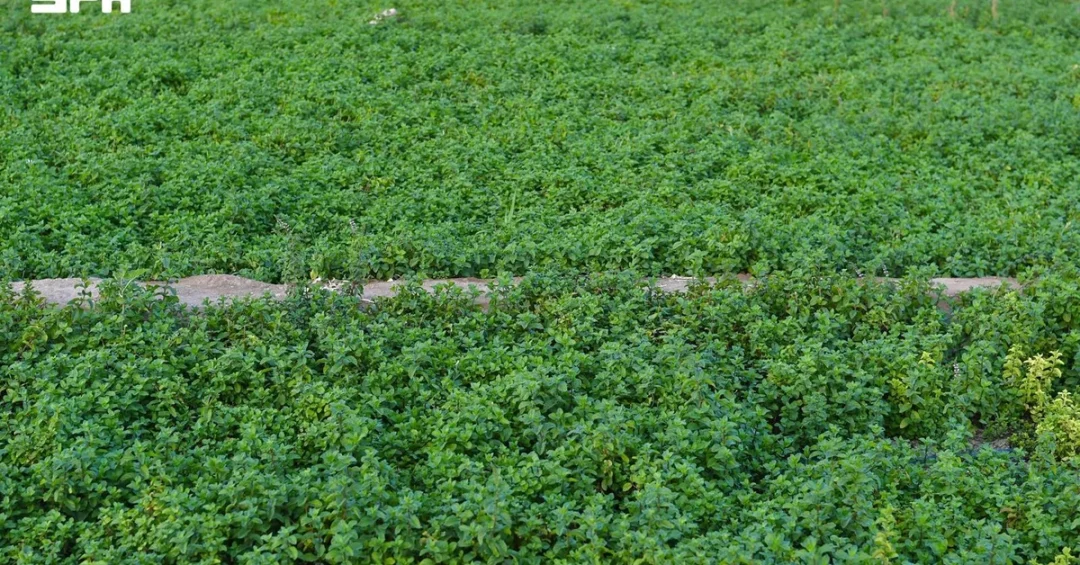
More than 70 organic farms across the Madinah Region are now cultivating over 1,700 hectares and producing in excess of 6,800 tons of organic food annually, according to the Madinah branch of the Ministry of Environment, Water and Agriculture. The announcement, released via the Saudi Press Agency, underscores the Kingdom’s accelerating shift toward sustainable agriculture and enhanced food security. With 20 certified outlets selling organic products, the region is positioning itself as a national leader in environmentally friendly farming. But what does this milestone reveal about Saudi Arabia’s broader agricultural ambitions?
The Madinah branch of the Ministry of Environment, Water and Agriculture confirmed that organic farming in the region has expanded significantly, supported by guidance visits and awareness campaigns designed to introduce farmers to organic methods and technologies. These efforts aim to reduce chemical inputs, improve product quality, and encourage local producers to adopt sustainable practices. The result is a diversified agricultural output that includes dates, citrus fruits, figs, vegetables, leafy greens, and animal fodder. This development is not merely a local success story; it reflects a strategic national priority to balance agricultural productivity with environmental stewardship. As Saudi Arabia continues its journey toward Vision 2030, such initiatives highlight how regional resources can be harnessed to build a resilient and self-sufficient food system.
Context and Background
How did Madinah become a hub for organic farming in Saudi Arabia? The region’s natural advantages—fertile soil, abundant groundwater, and a climate suited to diverse crops—have long supported agriculture. However, the shift toward organic practices gained momentum following the launch of Vision 2030, which emphasized sustainable development and food security. The Ministry of Environment, Water and Agriculture has been instrumental in this transition, providing technical support and promoting organic certification. According to the Madinah branch, the region now hosts more than 70 organic farms, a testament to years of targeted outreach and farmer education.
The rise of organic farming in Madinah also aligns with global trends toward healthier, chemical-free produce. Consumers worldwide are increasingly demanding organic options, and Saudi Arabia is responding by building domestic capacity. The 20 certified outlets in the region ensure that these products reach local markets, reducing reliance on imports. This localized approach not only cuts carbon emissions from transportation but also strengthens the local economy. Moreover, by focusing on water-efficient crops and organic methods, Madinah’s farmers are contributing to the Kingdom’s broader environmental goals, including water conservation and soil health.
Historically, Madinah has been renowned for its date palms, which remain the leading organic crop. The region’s agricultural heritage, combined with modern organic techniques, creates a unique blend of tradition and innovation. The Ministry’s guidance visits and awareness campaigns have been crucial in bridging the knowledge gap, helping farmers transition from conventional to organic methods. This hands-on support ensures that farmers understand the benefits of organic farming, from higher market value to improved land fertility. As a result, Madinah’s organic sector is not just growing—it is thriving, setting an example for other regions across the Kingdom.
Key Details
What exactly is being produced on these organic farms? The Madinah branch reports that dates are the leading crop, followed by citrus fruits, figs, vegetables, leafy greens, and animal fodder. This diverse portfolio reflects the region’s agro-climatic versatility and the farmers’ willingness to experiment with different crops. Organic dates, in particular, are gaining international recognition for their quality and taste, opening potential export opportunities. The 1,700 hectares under organic cultivation represent a significant land area dedicated to sustainable practices, and the 6,800-ton production volume demonstrates the scale of this endeavor.
The Ministry’s efforts extend beyond production metrics. Guidance visits and awareness campaigns are conducted regularly to educate farmers on organic farming methods, such as composting, natural pest control, and crop rotation. These practices reduce dependence on synthetic fertilizers and pesticides, leading to healthier produce and safer environments. The Ministry also facilitates certification processes, ensuring that products meet stringent organic standards. With 20 certified outlets, consumers can easily identify and purchase authentic organic products, building trust in the local supply chain. This holistic approach—from farm to market—ensures that the organic sector in Madinah is both credible and competitive.
Furthermore, the focus on animal fodder within organic systems supports integrated farming, where livestock and crop production complement each other. Organic fodder reduces the chemical load in the food chain, ultimately benefiting meat and dairy quality. The inclusion of leafy greens and vegetables also enhances nutritional diversity for local consumers. By promoting a wide range of organic crops, Madinah is not only improving food security but also enriching the dietary landscape. This strategic diversification is a key pillar of the Kingdom’s agricultural policy, aimed at reducing vulnerability to market fluctuations and climate change.
International and Regional Impact
How does Madinah’s organic farming success resonate beyond Saudi borders? The Kingdom’s commitment to sustainable agriculture is gaining attention regionally and globally. As a member of the G20 and a major energy producer, Saudi Arabia’s pivot toward green farming practices signals a broader economic diversification agenda. Other Gulf Cooperation Council (GCC) countries, facing similar challenges of water scarcity and food import dependence, may look to Madinah as a model for organic expansion. The region’s success could inspire cross-border collaborations in research, technology sharing, and organic certification harmonization.
On the international stage, Saudi Arabia’s organic products, especially dates, are increasingly sought after in markets across Asia, Europe, and North America. The Madinah region’s organic dates could command premium prices, boosting export revenues and enhancing the Kingdom’s reputation for high-quality agricultural goods. Moreover, by reducing chemical inputs, Saudi Arabia contributes to global efforts to mitigate climate change and promote biodiversity. This aligns with the objectives of the Paris Agreement and the UN Sustainable Development Goals, particularly Goal 2 (Zero Hunger) and Goal 12 (Responsible Consumption and Production). The Kingdom’s proactive stance on sustainable agriculture enhances its soft power and diplomatic leverage in environmental forums.
Economic and Strategic Significance
What economic benefits does organic farming bring to Madinah and Saudi Arabia? The organic sector creates jobs across the value chain—from farm laborers and agronomists to marketers and retailers. By supporting local farmers, the Ministry helps stimulate rural economies and reduce urban migration. The 20 certified outlets generate employment and provide a reliable market for organic produce, ensuring that farmers receive fair prices. Additionally, organic farming can lower long-term costs by reducing the need for expensive chemical inputs and improving soil health, which enhances productivity over time.
Strategically, the expansion of organic farming in Madinah contributes to Saudi Arabia’s food security objectives. The Kingdom currently imports a significant portion of its food, making it vulnerable to global supply chain disruptions. By increasing domestic organic production, Saudi Arabia can reduce its import dependency and build a more resilient food system. This is particularly important given the volatile nature of global markets and the increasing frequency of climate-related shocks. The Madinah model demonstrates that with the right support, arid regions can achieve meaningful levels of sustainable food production. As the program scales, it could be replicated in other regions, further strengthening national food security.
Vision 2030 Alignment
How does this initiative fit into Saudi Arabia’s Vision 2030? The Vision aims to diversify the economy, improve quality of life, and ensure environmental sustainability. Organic farming in Madinah directly supports these goals by promoting eco-friendly agriculture, creating economic opportunities, and enhancing food security. The Ministry of Environment, Water and Agriculture’s efforts are a clear example of how Vision 2030 is being translated into action at the regional level. By empowering local farmers and fostering innovation, the Kingdom is building a sustainable agricultural sector that can serve as a cornerstone of its post-oil economy.
Looking ahead, the success in Madinah is expected to catalyze further growth in organic farming across Saudi Arabia. The Ministry’s continued guidance and awareness campaigns will likely encourage more farmers to adopt organic practices, expanding the area under cultivation and increasing production. As consumer awareness grows and demand for organic products rises, the market will expand, attracting investment and creating new business opportunities. Ultimately, this initiative not only enhances food security but also positions Saudi Arabia as a responsible global citizen committed to sustainable development. The Kingdom’s leadership in this area is a testament to its forward-looking vision and its determination to build a prosperous, sustainable future for all.
20 Questions
Q1. What is the total area of organic farms in Madinah Region?
A1. According to the Madinah branch of the Ministry of Environment, Water and Agriculture, organic farms in the region cover over 1,700 hectares, supporting more than 70 farms dedicated to sustainable agriculture.
Q2. How many organic farms are currently operating in Madinah?
A2. There are more than 70 organic farms in the Madinah Region, as confirmed by the Ministry. These farms adopt environmentally friendly practices and contribute to the Kingdom’s food security goals.
Q3. What is the annual organic food production volume in Madinah?
A3. Organic food production in Madinah exceeds 6,800 tons annually, reflecting the region’s growing capacity in sustainable agriculture and its commitment to reducing chemical inputs.
Q4. How many certified outlets sell organic products in Madinah?
A4. The region has 20 certified outlets selling organic products, providing consumers with access to locally grown, chemical-free produce and supporting the local organic market.
Q5. What are the leading crops grown on Madinah’s organic farms?
A5. Dates are the leading crop, followed by citrus fruits, figs, vegetables, leafy greens, and animal fodder. This diverse output benefits from the region’s agricultural resources.
Q6. How does the Ministry support organic farmers in Madinah?
A6. The Ministry conducts guidance visits and awareness campaigns to introduce farmers to organic methods and technologies, raise awareness, and encourage adoption of sustainable practices.
Q7. Why is organic farming important for Saudi Arabia’s food security?
A7. Organic farming reduces reliance on imported food and chemical inputs, enhancing domestic production and building a more resilient food system that can withstand global supply chain disruptions.
Q8. What environmental benefits does organic farming offer?
A8. Organic farming reduces chemical pollution, improves soil health, conserves water, and promotes biodiversity, aligning with Saudi Arabia’s environmental sustainability goals under Vision 2030.
Q9. How does organic farming in Madinah align with Vision 2030?
A9. It supports economic diversification, food security, and environmental sustainability—key pillars of Vision 2030. The initiative also creates jobs and promotes sustainable development in rural areas.
Q10. Are Madinah’s organic products exported?
A10. While the article does not specify export volumes, organic dates and other produce from Madinah are gaining recognition for quality, potentially opening export opportunities in premium international markets.
Q11. What role does the Ministry of Environment, Water and Agriculture play?
A11. The Ministry provides technical guidance, conducts awareness campaigns, facilitates certification, and supports farmers in transitioning to organic methods, ensuring the sector’s growth and credibility.
Q12. How does organic farming benefit local farmers economically?
A12. Organic farming can yield premium prices, reduce input costs over time, and create jobs. The 20 certified outlets provide a reliable market, helping farmers secure fair incomes.
Q13. What technologies are used in organic farming in Madinah?
A13. The Ministry introduces farmers to organic methods such as composting, natural pest control, and crop rotation. These technologies enhance productivity while protecting the environment.
Q14. How does organic farming contribute to water conservation?
A14. Organic practices improve soil structure and water retention, reducing the need for irrigation. This is crucial in Saudi Arabia, where water scarcity is a major challenge.
Q15. What is the significance of dates in Madinah’s organic sector?
A15. Dates are the leading organic crop, leveraging the region’s heritage and suitable climate. Organic dates command higher value and are a key export commodity for the Kingdom.
Q16. How can consumers identify certified organic products in Madinah?
A16. Consumers can purchase from the 20 certified outlets, which ensure products meet organic standards. Certification guarantees that products are free from synthetic chemicals.
Q17. What challenges do organic farmers in Madinah face?
A17. Challenges include water scarcity, pest management without chemicals, and initial transition costs. The Ministry’s support helps farmers overcome these through training and resources.
Q18. How does organic farming support rural development?
A18. It creates employment, stimulates local economies, and encourages youth to engage in agriculture, reducing urban migration and fostering community resilience.
Q19. What is the expected future growth of organic farming in Madinah?
A19. With continued Ministry support and rising consumer demand, organic farming is expected to expand, increasing production, land area, and market opportunities across the region.
Q20. How does this initiative reflect Saudi Arabia’s global leadership?
A20. It showcases the Kingdom’s commitment to sustainable development, food security, and environmental stewardship, reinforcing its role as a responsible global leader in line with Vision 2030.
Reader Feedback
We value your thoughts. Please share your feedback on this article.
Your feedback helps us improve our coverage.
Related articles
 Foodex Saudi 2026 Opens in Jeddah with 800+ Brands
 SAMA Licenses Izdihar Financing to Boost SME Finance
 SME Bank Wins 2026 SME Financier of the Year Award for MENA
 SAMA Licenses Neo for Fintech Microfinance
 Saudi Social Development Bank Wins Best Financier for Women
 Saudization Decision for 17 Financial Professions Takes Effect May 2027