


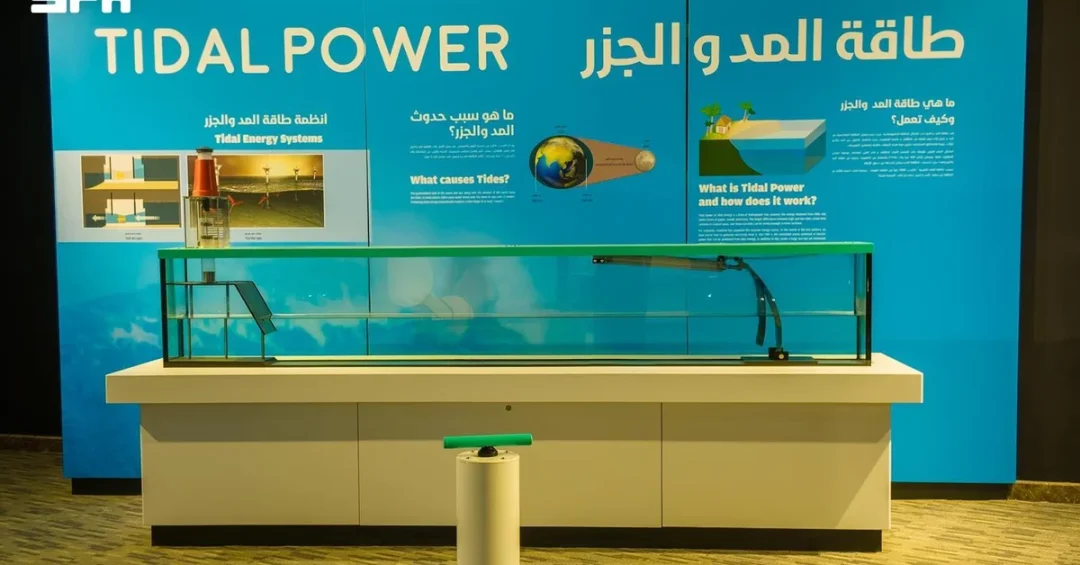
The Qassim Science Center in Unaizah Governorate stands as a national model of community partnership in developing the educational environment, using an interactive scientific approach to nurture creativity and innovation among young people while promoting scientific and technological culture in line with Saudi Vision 2030, according to the Saudi Press Agency (SPA). Covering an area of 47,000 square meters, the center is the result of a community initiative by residents of Unaizah Governorate, undertaken in partnership with and with support from the Ministry of Education. Zamil Group Holding and several public and private entities also contributed to the project, creating an educational and knowledge destination that combines experimentation, exploration, and practical application. How did a community-driven idea transform into one of the Kingdom’s most ambitious science engagement platforms? The answer lies in a collaborative model that brings together government, private sector, and local residents around a shared vision for the future.
The center seeks to stimulate scientific curiosity, develop thinking and analytical skills, and encourage young people to explore science, technology, engineering, and mathematics (STEM). It also aims to promote scientific tourism and expand cooperation between educational institutions and the private sector. With its integrated facilities and community partnerships, the Qassim Science Center reflects an approach that turns knowledge into hands-on experience and strengthens younger generations’ engagement with science and technology. These efforts contribute to building a knowledge-based society capable of innovation and competition. As Saudi Arabia accelerates its transition to a diversified, innovation-driven economy, facilities like this one are not merely educational supplements but essential infrastructure for national progress.
Context and Background
What makes the Qassim Science Center different from traditional educational institutions? The answer begins with its origins. The center was born from a community initiative by residents of Unaizah Governorate, who recognized the need for a modern, interactive space where young people could engage with science beyond the classroom. This grassroots energy was matched by institutional support from the Ministry of Education, which partnered with the community to bring the project to life. Zamil Group Holding, a prominent Saudi industrial and investment conglomerate, along with several other public and private entities, contributed to the project, demonstrating the kind of cross-sector collaboration that Vision 2030 champions.
The center’s 47,000-square-meter footprint makes it one of the largest facilities of its kind in the region. It is designed not as a passive museum but as an active learning environment where visitors experiment, explore, and apply scientific principles in real time. This hands-on philosophy aligns with global best practices in science education, which emphasize inquiry-based learning over rote memorization. In a world where technological literacy is increasingly essential, the Qassim Science Center positions Unaizah—and the wider Qassim region—as a hub for cultivating the next generation of innovators, engineers, and scientists.
The center’s establishment also reflects a broader trend in Saudi Arabia: the decentralization of educational and cultural infrastructure. While major cities like Riyadh, Jeddah, and Dammam have long hosted world-class museums and science centers, regions like Qassim are now receiving similar investments. This geographic spread ensures that young Saudis everywhere, not just in metropolitan areas, have access to the tools and inspiration they need to pursue STEM fields. It is a tangible step toward equitable access to knowledge and opportunity.
Key Details and Facilities
What can visitors actually do inside the Qassim Science Center? The facility is equipped with integrated facilities designed to turn knowledge into hands-on experience. While specific exhibits are not detailed in the official announcement, the center’s stated objectives—stimulating scientific curiosity, developing analytical skills, and encouraging exploration of STEM subjects—suggest a diverse range of interactive displays, laboratories, and workshops. These may include physics and chemistry experiment zones, robotics and coding stations, astronomy and space exploration exhibits, and environmental science areas that highlight sustainability and natural resource management.
The center’s focus on scientific tourism is particularly noteworthy. By attracting visitors from across the Kingdom and beyond, it aims to become a destination that blends education with leisure, much like renowned science centers in Europe, North America, and East Asia. This dual purpose—serving local students while drawing regional and international tourists—creates economic and cultural value simultaneously. It also complements Saudi Arabia’s broader tourism strategy, which seeks to diversify the economy away from oil dependence and showcase the Kingdom’s modern, knowledge-driven society.
Cooperation between educational institutions and the private sector is another cornerstone of the center’s operating model. Schools, universities, and research organizations can use the facility for field trips, workshops, and joint projects, while private companies can sponsor exhibits, provide mentorship, or recruit talented young people. This ecosystem approach ensures that the center remains dynamic, responsive to labor market needs, and financially sustainable over the long term. It is a model that other regions in Saudi Arabia and the wider Gulf could emulate.
International and Regional Impact
How does a science center in Unaizah resonate on the international stage? The Qassim Science Center contributes to Saudi Arabia’s growing reputation as a global hub for education, innovation, and cultural exchange. By promoting scientific tourism, it invites international visitors to experience the Kingdom’s modernization firsthand, challenging outdated perceptions and fostering people-to-people connections. In a region often defined by geopolitical tensions, such initiatives offer a positive, forward-looking narrative centered on human capital development and shared curiosity.
Regionally, the center strengthens the Gulf Cooperation Council’s collective push toward knowledge-based economies. Neighboring countries are investing heavily in STEM education and research, and Saudi Arabia’s leadership in this space—exemplified by projects like the Qassim Science Center—sets a benchmark for others. It also aligns with the Arab world’s rich historical legacy in science and mathematics, from algebra to astronomy, reminding young people that their heritage is one of inquiry and discovery. By reviving that spirit in a modern, interactive format, the center bridges past and future.
Economic and Strategic Significance
Why should economists and policymakers pay attention to a science center? The Qassim Science Center is a strategic investment in Saudi Arabia’s most valuable resource: its people. As the Kingdom pursues Vision 2030, it needs a workforce skilled in STEM fields to drive innovation, entrepreneurship, and industrial diversification. By inspiring young people to pursue careers in science and technology, the center helps fill the talent pipeline that will power sectors like renewable energy, artificial intelligence, advanced manufacturing, and healthcare.
Furthermore, the center’s community partnership model—bringing together residents, government, and private entities—demonstrates a cost-effective and socially inclusive approach to infrastructure development. Rather than relying solely on state funding, it leverages local ownership and private sector expertise, which can lead to more sustainable operations and greater community buy-in. This model could be replicated for other educational and cultural projects across the Kingdom, multiplying the impact of every riyal invested. It also signals to international investors that Saudi Arabia’s regions are open for business and committed to long-term human development.
Vision 2030 Alignment
How does the Qassim Science Center embody the goals of Saudi Vision 2030? The Vision, launched in 2016 under the leadership of Crown Prince Mohammed bin Salman, seeks to transform Saudi Arabia into a diversified, innovation-driven economy with a vibrant society and an ambitious nation. Central to that transformation is education and human capital development. The center directly supports Vision 2030’s objective of building a knowledge-based society by fostering creativity, critical thinking, and scientific literacy among young people.
Moreover, the center’s emphasis on scientific tourism and public-private cooperation aligns with Vision 2030’s goals of boosting tourism, empowering the private sector, and enhancing the quality of life for citizens and residents. By turning knowledge into hands-on experience, it helps create a generation that is not only consumers of technology but also creators and innovators. As Saudi Arabia continues its journey toward a post-oil future, facilities like the Qassim Science Center will be remembered not just as buildings, but as catalysts for a cultural shift toward lifelong learning and discovery. The Kingdom’s global role as a leader in education and innovation is strengthened with every young mind inspired within its walls.
20 Questions
Q1. What is the Qassim Science Center?
A1. The Qassim Science Center is an interactive educational facility in Unaizah Governorate, Saudi Arabia, designed to foster creativity, innovation, and scientific culture among young people. It covers 47,000 square meters and was developed through a community partnership with the Ministry of Education.
Q2. Where is the Qassim Science Center located?
A2. It is located in Unaizah Governorate, within the Qassim region of Saudi Arabia. Unaizah is known for its agricultural heritage and growing educational infrastructure, making it a fitting home for a regional science hub.
Q3. When was the Qassim Science Center announced or opened?
A3. The Saudi Press Agency reported on the center on November 23, 2026, highlighting its role as a national model. The center was developed over several years through community initiative and partnership with the Ministry of Education.
Q4. Who initiated the Qassim Science Center project?
A4. The project was initiated by residents of Unaizah Governorate as a community initiative. They partnered with the Ministry of Education and received support from Zamil Group Holding and several other public and private entities.
Q5. What is the size of the Qassim Science Center?
A5. The center covers an area of 47,000 square meters. This large footprint allows for diverse interactive exhibits, laboratories, and educational spaces designed to accommodate many visitors and students simultaneously.
Q6. What are the main goals of the Qassim Science Center?
A6. Its main goals are to stimulate scientific curiosity, develop thinking and analytical skills, encourage exploration of STEM subjects, promote scientific tourism, and expand cooperation between educational institutions and the private sector.
Q7. How does the center support STEM education?
A7. The center provides hands-on, interactive experiences in science, technology, engineering, and mathematics. It encourages experimentation and practical application, helping young people develop skills that are essential for future careers in these fields.
Q8. What is scientific tourism, and how does the center promote it?
A8. Scientific tourism involves traveling to experience educational and scientific attractions. The center promotes it by offering engaging exhibits and programs that attract visitors from across Saudi Arabia and abroad, blending learning with leisure.
Q9. Who funded the Qassim Science Center?
A9. The center was funded through a combination of community contributions, support from the Ministry of Education, and investments from Zamil Group Holding and several other public and private entities, reflecting a multi-stakeholder partnership.
Q10. What role does Zamil Group Holding play?
A10. Zamil Group Holding, a major Saudi industrial and investment company, contributed to the project as part of its corporate social responsibility and commitment to supporting education and innovation in the Kingdom.
Q11. How does the center align with Saudi Vision 2030?
A11. It aligns with Vision 2030 by promoting a knowledge-based society, fostering innovation, supporting STEM education, boosting scientific tourism, and encouraging public-private partnerships—all key objectives of the national transformation plan.
Q12. What facilities are available at the center?
A12. While specific exhibits are not detailed, the center features integrated facilities for experimentation, exploration, and practical application. These likely include interactive science displays, workshops, and spaces for educational programs.
Q13. Is the center open to the public?
A13. Yes, the center is designed as an educational and knowledge destination for the public, including students, families, and tourists. It aims to serve a wide audience and promote scientific culture throughout the community.
Q14. How does the center cooperate with educational institutions?
A14. It partners with schools, universities, and research organizations to offer field trips, workshops, and joint projects. This cooperation enriches curricula and provides students with practical, hands-on learning opportunities outside the classroom.
Q15. What benefits does the center bring to the local community?
A15. It provides educational opportunities, inspires youth, attracts visitors, and fosters local pride. It also creates jobs and supports the local economy through increased tourism and partnerships with businesses and institutions.
Q16. How does the center inspire young people?
A16. By offering interactive, engaging experiences, the center sparks curiosity and shows young people that science and technology can be exciting and relevant. It encourages them to pursue STEM careers and become innovators.
Q17. What is the significance of the center’s community partnership model?
A17. The model demonstrates how residents, government, and private entities can collaborate to create sustainable, high-impact projects. It fosters local ownership and ensures the center reflects the needs and aspirations of the community.
Q18. Does the center host events or programs?
A18. While specific events are not listed, the center’s mission implies it will host workshops, lectures, competitions, and special exhibitions. These programs will engage visitors and promote ongoing learning and innovation.
Q19. How does the center contribute to Saudi Arabia’s global image?
A19. It showcases the Kingdom’s commitment to education, innovation, and modernization. By attracting international visitors and fostering scientific exchange, it presents Saudi Arabia as a forward-looking nation investing in its people and future.
Q20. What is the long-term vision for the Qassim Science Center?
A20. The long-term vision is to become a leading regional hub for science education and scientific tourism, nurturing generations of innovators and contributing to Saudi Arabia’s transformation into a knowledge-based economy under Vision 2030.
Reader Feedback
We value your thoughts. Please share your feedback on this article.
Your feedback helps us improve our coverage.
Related articles
 Elm Partners with SAIF 2026 to Drive Saudi Innovation
 Supermoon to Illuminate Saudi Skies Tuesday Evening
 Saudi Falcons Center, Diagnostic Partner to Launch Genetic Bank
 Saudi, Bulgarian Ministers Discuss AI, Technology Partnership
 Umm Al-Qura University Secures US Patent for Antibacterial Compound
 Saudi Women Excel in Research at MIT