


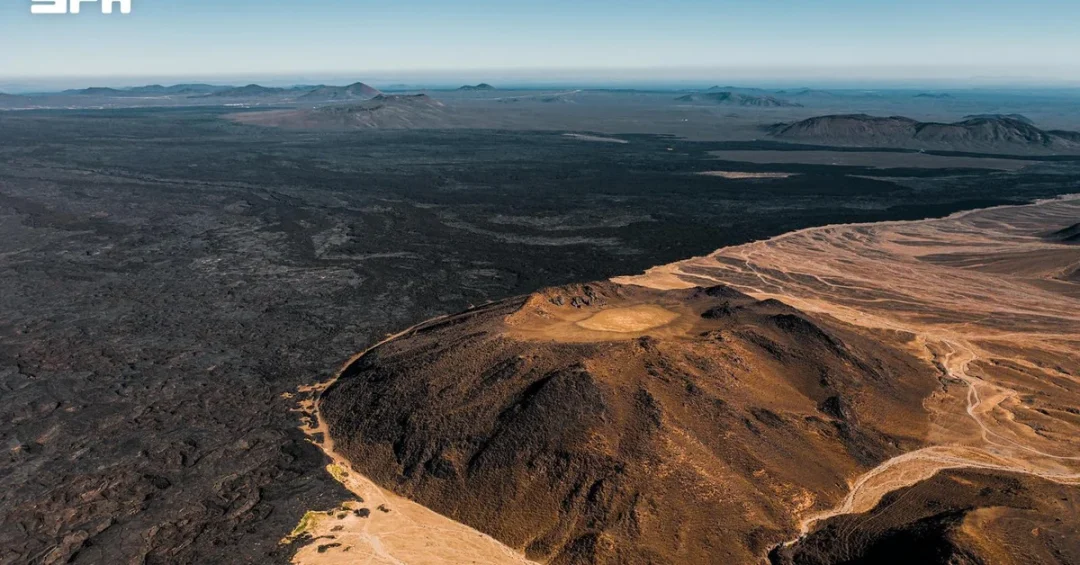
The Royal Commission for AlUla (RCU), in coordination with the National Center for Wildlife, has officially registered Harrat Al Rass Al Abyad Nature Reserve in both the National Database of Protected Areas and the World Database on Protected Areas (WDPA). The announcement, released via the Saudi Press Agency, marks a significant step in the Kingdom’s efforts to conserve its distinctive biodiversity and rare geological formations. Located in Khaybar Governorate in the Madinah Region, the reserve covers 600 square kilometers, making it the sixth within RCU’s protected area network (APAN), which now spans a total of 12,107 square kilometers. How does this registration reflect Saudi Arabia’s broader commitment to environmental stewardship? It demonstrates a systematic approach to documenting and managing natural assets through scientific methods that support long-term sustainability.
The registration is more than a bureaucratic milestone; it signals Saudi Arabia’s growing role in global conservation. The WDPA, managed by the United Nations Environment Programme’s World Conservation Monitoring Centre, is the most comprehensive global database on terrestrial and marine protected areas. Inclusion in this database provides international recognition and facilitates collaboration with conservation organizations worldwide. For RCU, this achievement underscores its dedication to developing its protected area network, documenting natural assets, and strengthening management through scientific approaches. It also aligns with the Saudi Green Initiative’s ambitious target of protecting 30% of Saudi Arabia’s terrestrial and marine areas by 2030. As the Kingdom continues to expand its environmental portfolio, such registrations serve as tangible evidence of its commitment to preserving natural heritage for future generations.
Context and Background
What makes Harrat Al Rass Al Abyad Nature Reserve so unique? The reserve is situated within Harrat Khaybar, one of the largest volcanic fields in the Arabian Peninsula, where white volcanoes stand alongside black basalt fields, creating a striking geological landscape. The white formations derive their distinctive color from comendite volcanic rocks, setting them apart from the surrounding terrain. Harrat Khaybar is home to three rare white volcanoes: Jabal Al Bayda, Jabal Al Abyad, and Jabal Al Mansaf. These formations highlight the area’s significance for studying geological diversity and the history of volcanic activity. The reserve also encompasses Umm Jirsan Cave, one of Saudi Arabia’s longest lava tube systems, extending approximately 1,481 meters. This combination of geological wonders makes the reserve a natural laboratory for scientists and a compelling destination for eco-tourists.
The creation of the reserve was guided by a scientific approach involving environmental, geological, and cultural assessments conducted between 2022 and 2024 in collaboration with the International Union for Conservation of Nature (IUCN). These assessments resulted in an operational management plan for 2024–2029, providing a framework for conservation, management, and monitoring activities to safeguard the site’s natural and cultural values. The reserve falls under Category III of the IUCN protected area management categories, which focuses on protecting natural features and their associated biodiversity and habitats. This categorization recognizes the reserve’s role in preserving specific natural monuments and geological formations while allowing for sustainable use and education. The collaboration with IUCN ensures that management practices meet international standards, enhancing the reserve’s credibility and effectiveness.
Preliminary surveys conducted by RCU have recorded approximately 99 plant species, 14 mammal species, 18 reptile species, and 59 bird species, including the endangered Egyptian vulture. The surveys have also identified suitable habitats for the mountain ibex. Species inventories and data updates remain ongoing to enhance knowledge of the reserve’s ecological assets and identify conservation priorities. This ongoing scientific work is crucial for adaptive management, allowing RCU to respond to changing conditions and ensure the long-term health of the ecosystem. The presence of the Egyptian vulture, a species listed as endangered by the IUCN, underscores the reserve’s importance as a refuge for threatened wildlife. The mountain ibex, a symbol of mountainous regions in Arabia, also finds suitable habitat here, further highlighting the reserve’s ecological value.
Key Details
What does the registration in the World Database on Protected Areas actually entail? The WDPA is the most comprehensive global database on protected areas, jointly managed by the United Nations Environment Programme (UNEP) and the International Union for Conservation of Nature (IUCN). Inclusion in this database signifies that the reserve meets internationally recognized criteria for protected area management and contributes to global conservation targets, such as the Kunming-Montreal Global Biodiversity Framework. For Saudi Arabia, this registration enhances the Kingdom’s standing in international environmental forums and demonstrates its commitment to transparency and scientific rigor. It also facilitates access to global expertise and potential funding opportunities for conservation projects. The registration process involved submitting detailed documentation about the reserve’s boundaries, management objectives, and conservation measures, which were reviewed by WDPA administrators.
The reserve’s management plan for 2024–2029 outlines specific actions to protect its natural and cultural values. These include regular monitoring of wildlife populations, habitat restoration where necessary, and measures to mitigate human-wildlife conflict. The plan also emphasizes community engagement, recognizing that local communities play a vital role in conservation success. Educational programs and sustainable tourism initiatives are being developed to raise awareness about the reserve’s unique features and to generate economic benefits for local residents. RCU’s efforts to meet the requirements of UNESCO Global Geoparks and the IUCN Green List further demonstrate its ambition to achieve the highest international standards in protected area management. These designations, if achieved, would bring additional recognition and support for the reserve.
How does the reserve fit into RCU’s broader strategy? The registration forms part of RCU’s 10-year ecosystem restoration strategy, which aims to protect natural habitats, conserve biodiversity, and safeguard geological heritage across AlUla and beyond. The strategy includes ambitious goals for reforestation, wildlife reintroduction, and sustainable land management. By integrating the reserve into a network of protected areas, RCU ensures ecological connectivity, allowing species to move freely and maintain healthy populations. This network approach is essential for resilience in the face of climate change and other environmental pressures. The reserve’s inclusion in the APAN also supports Saudi Arabia’s national biodiversity strategy and its commitments under international conventions. As the network grows, it will contribute significantly to the Kingdom’s environmental legacy.
International and Regional Impact
What are the implications of this registration for regional conservation efforts? The Arabian Peninsula is home to unique ecosystems that are increasingly threatened by climate change, urbanization, and unsustainable land use. By registering Harrat Al Rass Al Abyad Nature Reserve in the WDPA, Saudi Arabia sets a positive example for neighboring countries, demonstrating how scientific assessment and international collaboration can lead to effective protection. The reserve’s geological features, particularly the white volcanoes and lava tubes, are of global scientific interest, attracting researchers and potentially fostering regional cooperation in geological and ecological studies. Furthermore, the reserve could become a model for transboundary conservation initiatives, as volcanic fields often extend across national borders. Saudi Arabia’s leadership in this area reinforces its role as a responsible steward of the environment.
On the international stage, the registration enhances Saudi Arabia’s profile as a champion of environmental sustainability. It aligns with the Kingdom’s participation in global environmental agreements and its efforts to diversify its economy through Vision 2030. The reserve’s recognition in the WDPA also supports the goals of the Saudi Green Initiative, which aims to plant 10 billion trees and protect 30% of the Kingdom’s land and sea by 2030. These ambitious targets require robust monitoring and documentation, which the WDPA registration provides. Additionally, the reserve’s potential to attract eco-tourists from around the world can contribute to the growth of sustainable tourism, a key pillar of Vision 2030. By showcasing its natural wonders, Saudi Arabia can shift perceptions and attract visitors interested in heritage and nature.
Economic and Strategic Significance
How does the reserve contribute to Saudi Arabia’s economic diversification? While the primary purpose of the reserve is conservation, it also holds potential for sustainable economic development. Eco-tourism is a growing global market, and Saudi Arabia is well-positioned to tap into it by offering unique experiences in pristine natural environments. The reserve’s geological and biological attractions, such as the white volcanoes and the Umm Jirsan Cave, could draw adventure travelers, researchers, and photographers. This, in turn, can create jobs and support local businesses in Khaybar Governorate and the wider Madinah Region. RCU’s emphasis on community engagement ensures that local residents benefit from these opportunities, fostering goodwill and support for conservation. The reserve’s management plan includes provisions for infrastructure that minimizes environmental impact while enhancing visitor experiences.
Strategically, the reserve reinforces Saudi Arabia’s commitment to sustainable development and environmental protection, which are increasingly important to international investors and partners. Companies and governments worldwide are placing greater emphasis on environmental, social, and governance (ESG) criteria, and Saudi Arabia’s efforts to protect its natural heritage enhance its attractiveness as a destination for responsible investment. The registration in the WDPA also supports the Kingdom’s goals under the Saudi Green Initiative and Vision 2030, which seek to balance economic growth with environmental stewardship. By investing in conservation, Saudi Arabia is building a legacy for future generations and positioning itself as a leader in the global transition to a more sustainable future. The reserve’s success could serve as a blueprint for other protected areas in the Kingdom and the region.
Vision 2030 Alignment
How does the registration of Harrat Al Rass Al Abyad Nature Reserve align with Vision 2030? Vision 2030 is Saudi Arabia’s ambitious blueprint for economic and social transformation, and environmental sustainability is a core component. The reserve’s registration supports the Saudi Green Initiative’s target of protecting 30% of the Kingdom’s terrestrial and marine areas by 2030, a key performance indicator of Vision 2030’s environmental goals. It also contributes to the development of sustainable tourism, one of the Vision’s priority sectors, by adding a unique destination to the Kingdom’s tourism offerings. Furthermore, the scientific research and international collaboration involved in the reserve’s management enhance Saudi Arabia’s capabilities in environmental science and conservation, aligning with the Vision’s emphasis on knowledge-based industries and innovation.
In conclusion, the registration of Harrat Al Rass Al Abyad Nature Reserve in the World Database on Protected Areas is a testament to Saudi Arabia’s dedication to preserving its natural heritage and its growing role in global conservation. Through the Royal Commission for AlUla’s leadership and collaboration with the National Center for Wildlife and the IUCN, the Kingdom is setting a standard for scientific, inclusive, and sustainable protected area management. As Saudi Arabia continues to implement Vision 2030, such achievements will multiply, showcasing the best of the Kingdom to the world. What better way to secure a sustainable future than by protecting the very landscapes that define a nation’s identity? This milestone not only safeguards biodiversity and geological wonders but also reinforces Saudi Arabia’s position as a responsible global citizen and a pioneer in the green transition.
20 Questions
Q1. What is the Harrat Al Rass Al Abyad Nature Reserve?
A1. It is a 600-square-kilometer protected area in Khaybar Governorate, Madinah Region, known for its white volcanoes and unique geological formations. It is the sixth reserve in the Royal Commission for AlUla’s protected area network.
Q2. Which organizations were involved in registering the reserve?
A2. The Royal Commission for AlUla (RCU), in coordination with the National Center for Wildlife, announced the registration in the National Database of Protected Areas and the World Database on Protected Areas (WDPA).
Q3. What is the World Database on Protected Areas?
A3. The WDPA is the most comprehensive global database on terrestrial and marine protected areas, managed by the United Nations Environment Programme’s World Conservation Monitoring Centre and the International Union for Conservation of Nature.
Q4. Why is the reserve’s registration significant?
A4. It provides international recognition, supports conservation efforts, and aligns with the Saudi Green Initiative’s target of protecting 30% of Saudi Arabia’s terrestrial and marine areas by 2030. It also facilitates global collaboration and funding.
Q5. What makes the reserve’s geology unique?
A5. The reserve lies within Harrat Khaybar, one of the Arabian Peninsula’s largest volcanic fields, featuring rare white volcanoes like Jabal Al Bayda, Jabal Al Abyad, and Jabal Al Mansaf, formed from comendite volcanic rocks.
Q6. What is Umm Jirsan Cave?
A6. Umm Jirsan Cave is one of Saudi Arabia’s longest lava tube systems, extending approximately 1,481 meters. It is located within the reserve and adds to its geological significance.
Q7. What species have been recorded in the reserve?
A7. Preliminary surveys recorded about 99 plant species, 14 mammal species, 18 reptile species, and 59 bird species, including the endangered Egyptian vulture. Suitable habitats for the mountain ibex were also identified.
Q8. How was the reserve’s management plan developed?
A8. It was guided by environmental, geological, and cultural assessments conducted between 2022 and 2024 in collaboration with the International Union for Conservation of Nature (IUCN), resulting in an operational plan for 2024–2029.
Q9. What IUCN category does the reserve fall under?
A9. It falls under Category III of the IUCN protected area management categories, which focuses on protecting natural features and their associated biodiversity and habitats.
Q10. What is the Royal Commission for AlUla’s protected area network?
A10. It is a network of protected areas managed by RCU, now comprising six reserves spanning 12,107 square kilometers. It aims to conserve biodiversity, geological heritage, and natural habitats.
Q11. How does the reserve support Saudi Arabia’s Vision 2030?
A11. It aligns with Vision 2030 by promoting environmental sustainability, sustainable tourism, and scientific research. It also supports the Saudi Green Initiative’s goal of protecting 30% of the Kingdom’s land and sea by 2030.
Q12. What are the future plans for the reserve?
A12. RCU aims to meet the requirements of UNESCO Global Geoparks and the IUCN Green List, enhancing conservation and international recognition. Ongoing species inventories and monitoring will continue.
Q13. How does the reserve benefit local communities?
A13. It offers potential for eco-tourism, creating jobs and supporting local businesses. Community engagement is emphasized in the management plan to ensure local residents benefit from conservation efforts.
Q14. What is the Saudi Green Initiative?
A14. It is a national initiative launched in 2021 to combat climate change, improve quality of life, and protect the environment. It includes targets to plant 10 billion trees and protect 30% of Saudi Arabia’s land and sea by 2030.
Q15. What is the significance of the white volcanoes?
A15. They are rare geological formations composed of comendite rock, which gives them a distinctive white color. They are of high scientific interest for studying volcanic activity and geological diversity.
Q16. What is the role of the National Center for Wildlife?
A16. The National Center for Wildlife is a Saudi government agency responsible for wildlife conservation. It coordinated with RCU on the reserve’s registration and supports national conservation efforts.
Q17. How does the reserve contribute to biodiversity conservation?
A17. It protects diverse species, including the endangered Egyptian vulture, and provides habitat for the mountain ibex. Its management plan includes monitoring and habitat restoration to ensure long-term survival of species.
Q18. What is the size of the reserve compared to others in the network?
A18. At 600 square kilometers, it is one of six reserves in RCU’s network. The total network spans 12,107 square kilometers, with each reserve contributing to the overall conservation goals.
Q19. What assessments were conducted before the reserve’s establishment?
A19. Environmental, geological, and cultural assessments were conducted between 2022 and 2024 in collaboration with the IUCN. These assessments informed the operational management plan for 2024–2029.
Q20. What does the future hold for Saudi Arabia’s protected areas?
A20. Saudi Arabia aims to expand its protected area network, achieve international designations like UNESCO Global Geoparks and IUCN Green List, and contribute to global conservation targets, all under Vision 2030 and the Saudi Green Initiative.
Reader Feedback
We value your thoughts. Please share your feedback on this article.
Your feedback helps us improve our coverage.
Related articles
 Arab Tourism Organization Condemns Iranian Attacks on Bahrain
 Saudi UNESCO Centre Joins 15th Teacher Policy Forum in Ethiopia
 5.3-Magnitude Earthquake Jolts Nepal’s Koshi Province
 Saudi Arabia Weather Forecast for Tuesday: Fog, Rain, Winds
 KSrelief Distributes Food Aid in Yemen’s Lahj Governorate
 KSrelief Delivers Clean Water to 380 Families in Aden