


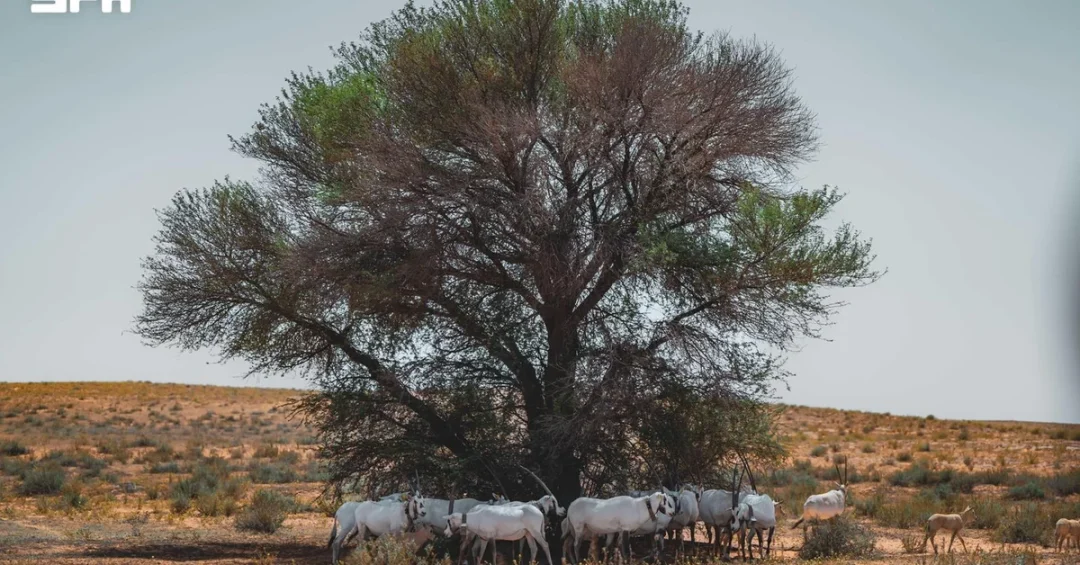
The Imam Turki bin Abdullah Royal Reserve Development Authority has released a new educational resource, the “Reserve Glossary,” which defines biodiversity as the interconnected variety of all living organisms and the ecosystems they inhabit, according to an official announcement carried by the Saudi Press Agency. The glossary, published in November 2026 from Rafha, represents a significant step in the Kingdom of Saudi Arabia’s efforts to promote environmental awareness and safeguard its natural heritage. By offering simplified concepts and terminology related to wildlife and ecosystems, the authority aims to foster a deeper public understanding of why biodiversity matters for the sustainability of life itself.
Have you ever considered how the fate of a single species can ripple through an entire ecosystem, affecting everything from soil health to the air we breathe? The Reserve Glossary answers that question by framing biodiversity not merely as a list of plants and animals, but as a dynamic web of relationships. According to the Saudi Press Agency, this glossary is part of a broader campaign by the authority to educate citizens and residents about the critical importance of maintaining natural balance. The initiative underscores Saudi Arabia’s growing role as a global leader in environmental conservation, aligning with the goals of Vision 2030 to protect natural resources for future generations.
Context and Background
Why is a simple glossary being treated as a major environmental milestone in Saudi Arabia? The answer lies in the Kingdom’s unique ecological landscape and its ambitious conservation agenda. The Imam Turki bin Abdullah Royal Reserve, located in the northern region of Saudi Arabia, is one of the largest protected areas in the country. It encompasses diverse habitats, from desert plains to rugged mountains, which support a wide range of wildlife, including the Arabian sand gazelle, the Arabian oryx, and various migratory bird species. The Reserve Glossary was developed to standardize and simplify the terminology used in environmental science, making it accessible to the public, students, and researchers alike.
The authority’s decision to publish this glossary reflects a strategic shift toward community engagement in conservation. Historically, environmental protection in Saudi Arabia was largely the domain of government agencies and specialized researchers. However, under Vision 2030, there has been a concerted push to involve citizens in sustainability efforts. By defining terms like “biodiversity,” “ecosystem,” and “sustainable habitat,” the glossary empowers individuals to understand and participate in preservation activities. This approach is consistent with the Kingdom’s broader commitment to environmental education, as seen in initiatives by the Ministry of Environment, Water and Agriculture and the National Center for Wildlife.
Furthermore, the glossary arrives at a time when global attention is increasingly focused on climate change and biodiversity loss. The United Nations has declared the 2020s the Decade on Ecosystem Restoration, and Saudi Arabia has been an active participant in international forums, including the G20 and the UN Framework Convention on Climate Change. By releasing a glossary that clarifies key concepts, the Imam Turki bin Abdullah Royal Reserve Development Authority is positioning the Kingdom as a thought leader in environmental communication. This is not merely an academic exercise; it is a practical tool for fostering a culture of conservation that can be replicated across the region.
Key Details and Definitions
What exactly does the Reserve Glossary define, and why does its definition of biodiversity matter? According to the Saudi Press Agency, the glossary defines biodiversity as “the variety and variation among all living organisms, including plants, animals, and microorganisms, as well as the ecosystems in which they reside.” This definition emphasizes the interconnectedness of life’s components and the critical importance of maintaining their natural balance. It is a holistic view that moves beyond simple species counts to include genetic diversity, ecosystem diversity, and the functional roles that different organisms play.
The glossary also includes terms related to wildlife management, such as “endangered species,” “habitat restoration,” and “ecological monitoring.” Each entry is designed to be easily understood by non-experts, reflecting the authority’s commitment to environmental awareness. For instance, the term “sustainable habitat” is defined as a safe and productive environment where wildlife can thrive without depleting resources for future generations. This aligns with the authority’s practical work on the ground, which includes scientific programs to reintroduce endangered species and monitor ecosystems for long-term stability.
In addition to definitions, the Reserve Glossary serves as a reference for the authority’s own initiatives. The Imam Turki bin Abdullah Royal Reserve Development Authority works to protect and enrich biodiversity by providing safe, sustainable habitats for wildlife. It launches scientific programs to reintroduce species such as the Arabian oryx and the sand gazelle, which were once threatened with extinction. By documenting these efforts in a glossary, the authority ensures that the public understands both the theory and the practice of conservation. This transparency builds trust and encourages community involvement in protecting natural elements.
International and Regional Impact
How does a glossary produced in northern Saudi Arabia resonate on the global stage? The Reserve Glossary is more than a local educational tool; it is a contribution to the international dialogue on biodiversity conservation. Saudi Arabia has been actively engaged in global environmental agreements, including the Convention on Biological Diversity and the Paris Agreement. By clarifying biodiversity concepts in Arabic and English, the authority facilitates cross-border collaboration and knowledge sharing. This is particularly important for migratory species, which do not recognize national borders and require coordinated conservation efforts.
Regionally, the glossary can serve as a model for other Gulf Cooperation Council (GCC) countries facing similar ecological challenges, such as desertification and habitat loss. The Imam Turki bin Abdullah Royal Reserve is part of a network of protected areas in Saudi Arabia, including the King Salman bin Abdulaziz Royal Reserve and the Prince Mohammed bin Salman Royal Reserve. These reserves collectively aim to protect 30% of Saudi Arabia’s terrestrial and marine areas by 2030, a target that aligns with the global “30 by 30” initiative. The glossary supports this goal by providing a common language for conservationists, policymakers, and the public across the region.
Moreover, the timing of the glossary’s release is significant. In 2026, the world is midway through the UN Decade on Ecosystem Restoration, and many countries are ramping up their efforts to combat biodiversity loss. Saudi Arabia’s proactive stance, exemplified by the Reserve Glossary, enhances its reputation as a responsible global citizen. It also complements the Kingdom’s role as host of major international events, such as the upcoming COP16 of the United Nations Convention to Combat Desertification, which will further spotlight Saudi Arabia’s environmental leadership.
Economic and Strategic Significance
Why should economists and business leaders care about a biodiversity glossary? The answer lies in the deep connection between healthy ecosystems and sustainable economic development. Biodiversity underpins essential services such as pollination, water purification, and soil fertility, which are vital for agriculture, tourism, and even urban development. In Saudi Arabia, the restoration of natural habitats supports the growing ecotourism sector, a key pillar of Vision 2030. By educating the public about biodiversity, the Reserve Glossary indirectly contributes to the creation of green jobs and investment opportunities in conservation and sustainable tourism.
Strategically, the glossary reinforces Saudi Arabia’s commitment to environmental stewardship as part of its national security. Water scarcity and desertification are significant challenges in the Kingdom, and maintaining biodiversity is essential for mitigating these risks. The Imam Turki bin Abdullah Royal Reserve Development Authority’s work, including the glossary, supports the Saudi Green Initiative, which aims to plant 10 billion trees and restore 40 million hectares of degraded land. These efforts not only improve the quality of life for citizens but also enhance the Kingdom’s resilience to climate change, ensuring long-term stability and prosperity.
Furthermore, the glossary can play a role in attracting international partnerships and funding for conservation projects. By demonstrating a clear and systematic approach to environmental education, Saudi Arabia signals to global organizations, research institutions, and philanthropic foundations that it is a reliable partner in sustainability. This can lead to collaborative research, technology transfer, and joint initiatives that benefit both the Kingdom and the international community. In this sense, the Reserve Glossary is not just a book of definitions; it is a strategic asset for Saudi Arabia’s environmental diplomacy.
Vision 2030 Alignment
How does the Reserve Glossary fit into the broader framework of Saudi Vision 2030? Vision 2030 is not solely about economic diversification; it also encompasses social and environmental development. One of its key themes is “a vibrant society,” which includes preserving the environment and promoting sustainable living. The glossary directly supports this theme by raising environmental awareness and encouraging responsible behavior among citizens and residents. It also aligns with the Vision’s goal of improving the quality of life, as access to clean air, water, and green spaces is essential for public health and well-being.
Additionally, the glossary supports the Vision’s emphasis on education and knowledge transfer. By simplifying complex scientific terms, the Imam Turki bin Abdullah Royal Reserve Development Authority is contributing to a more informed and engaged society. This is particularly important for youth, who are the future leaders of the Kingdom. When young Saudis understand the value of biodiversity, they are more likely to pursue careers in environmental science, renewable energy, and sustainable development, thereby supporting the Vision’s objective of building a diversified, knowledge-based economy.
In conclusion, the Reserve Glossary is a small but significant piece of Saudi Arabia’s larger environmental strategy. It reflects the Kingdom’s commitment to protecting its natural heritage, engaging its people, and cooperating internationally. As Saudi Arabia continues to advance toward Vision 2030, initiatives like this will ensure that economic progress goes hand in hand with environmental stewardship. The Imam Turki bin Abdullah Royal Reserve Development Authority, through its educational and scientific programs, is helping to secure a sustainable future for generations to come. By defining biodiversity and related terms, the glossary empowers everyone to play a role in preserving the delicate balance of life on Earth.
20 Questions
Q1. What is the Reserve Glossary?
A1. The Reserve Glossary is an educational resource developed by the Imam Turki bin Abdullah Royal Reserve Development Authority to define key environmental terms and concepts, including biodiversity, ecosystems, and sustainable habitats, making them accessible to the public.
Q2. Who published the Reserve Glossary?
A2. It was published by the Imam Turki bin Abdullah Royal Reserve Development Authority, a Saudi government agency responsible for managing the royal reserve and promoting conservation in the Kingdom.
Q3. When was the Reserve Glossary announced?
A3. The glossary was announced in November 2026, as reported by the Saudi Press Agency from Rafha, reflecting the authority’s ongoing efforts to enhance environmental awareness.
Q4. What is biodiversity according to the glossary?
A4. Biodiversity is defined as the variety and variation among all living organisms, including plants, animals, and microorganisms, as well as the ecosystems in which they reside, highlighting the interconnectedness of life.
Q5. Why is biodiversity important?
A5. Biodiversity is fundamental to the health of the planet and the sustainability of ecosystems. It supports essential services like pollination, water purification, and soil fertility, which are vital for human life and economic activities.
Q6. What is the mission of the Imam Turki bin Abdullah Royal Reserve Development Authority?
A6. The authority works to protect and enrich biodiversity by providing safe, sustainable habitats for wildlife, launching scientific programs to reintroduce endangered species, and monitoring ecosystems to ensure their long-term stability.
Q7. How does the glossary promote environmental awareness?
A7. By providing simplified concepts and terminology related to wildlife and ecosystems, the glossary helps the public understand the importance of safeguarding biodiversity and fosters a sense of responsibility for protecting natural elements.
Q8. Where is the Imam Turki bin Abdullah Royal Reserve located?
A8. The reserve is located in the northern region of Saudi Arabia, encompassing diverse habitats such as desert plains and rugged mountains that support a wide range of wildlife.
Q9. What are some key terms defined in the glossary?
A9. Key terms include biodiversity, sustainable habitat, endangered species, habitat restoration, and ecological monitoring, all of which are essential for understanding conservation practices.
Q10. How does the glossary support Vision 2030?
A10. The glossary supports Vision 2030 by promoting environmental education and awareness, aligning with the Vision’s goals of a vibrant society, improved quality of life, and sustainable development.
Q11. What scientific programs does the authority run?
A11. The authority runs programs to reintroduce endangered species, such as the Arabian oryx and sand gazelle, and monitors ecosystems to maintain natural equilibrium and long-term stability.
Q12. How does biodiversity benefit the economy?
A12. Biodiversity supports ecosystem services that are vital for agriculture, tourism, and urban development. It also underpins the growing ecotourism sector, creating green jobs and investment opportunities.
Q13. What is the global significance of the glossary?
A13. The glossary contributes to international biodiversity conservation efforts by providing clear definitions that facilitate cross-border collaboration and knowledge sharing, especially for migratory species.
Q14. How does the glossary help regional conservation?
A14. It serves as a model for other Gulf Cooperation Council countries, providing a common language for conservationists and policymakers to address shared challenges like desertification and habitat loss.
Q15. What is the Saudi Green Initiative?
A15. The Saudi Green Initiative is a national program aiming to plant 10 billion trees and restore 40 million hectares of degraded land, combating climate change and improving environmental quality.
Q16. Why is environmental education important for youth?
A16. Environmental education empowers young people to understand and address ecological challenges, encouraging them to pursue careers in environmental science and sustainable development, thus supporting a knowledge-based economy.
Q17. How does the authority monitor ecosystems?
A17. The authority uses scientific monitoring to track the health of ecosystems, ensuring that wildlife populations and habitats remain stable and that conservation efforts are effective.
Q18. What role does the Saudi Press Agency play?
A18. The Saudi Press Agency is the official news agency of Saudi Arabia, disseminating accurate information about government initiatives, including environmental programs like the Reserve Glossary.
Q19. How can the public contribute to biodiversity conservation?
A19. The public can contribute by learning about biodiversity through resources like the glossary, participating in conservation activities, and adopting sustainable practices that reduce harm to natural habitats.
Q20. What is the long-term goal of the authority’s efforts?
A20. The long-term goal is to ensure the sustainability of life by protecting biodiversity, restoring ecosystems, and fostering a culture of conservation that aligns with Saudi Arabia’s Vision 2030 and global environmental targets.
Reader Feedback
We value your thoughts. Please share your feedback on this article.
Your feedback helps us improve our coverage.
Related articles
 MWL Condemns Houthi Attack on Riyadh Financial District
 Saudi Envoy Meets Lebanese Hajj Authority Chief
 UK Reaffirms Support for Saudi Arabia, Yemen
 Environment Ministry Expands Greening at Modon Oasis
 Border Guard Showcases Innovation at SAIF Security Fair
 DGA Honors Private Sector Partners for Global Digital Leadership