


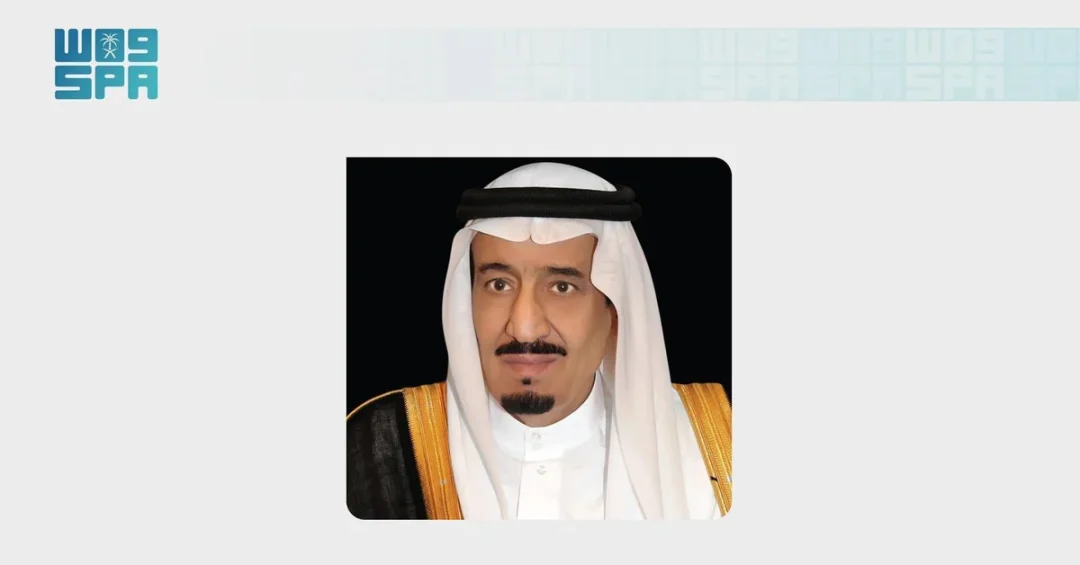
Custodian of the Two Holy Mosques King Salman bin Abdulaziz Al Saud has sent a cable of congratulations to President Jennifer Geerlings-Simons of the Republic of Suriname on the occasion of her country’s Independence Day, according to the Saudi Press Agency. The royal message, dispatched from Riyadh, conveyed the King’s warm wishes for the president’s continued good health and happiness, as well as for the steady progress and prosperity of the government and people of Suriname. The cable reflects the Kingdom’s consistent practice of extending diplomatic courtesies to nations around the world, reinforcing bonds of friendship and mutual respect.
Why does a simple congratulatory message from Riyadh resonate far beyond the Caribbean coast of South America? In international diplomacy, such gestures are far more than ceremonial. They signal continuity, respect, and a willingness to engage. For Saudi Arabia, they form part of a broader strategy to strengthen its global partnerships, enhance its international standing, and support the objectives of Vision 2030. The Kingdom maintains diplomatic relations with countries across every continent, and these routine exchanges underscore its commitment to peaceful coexistence and constructive international engagement. As Saudi Arabia continues to expand its global footprint, even small diplomatic acts contribute to a larger narrative of openness and cooperation.
Context and Background
Suriname, a small nation on the northeastern coast of South America, celebrates its Independence Day on November 25 each year. The country gained independence from the Netherlands in 1975 and has since developed its own distinct identity within the Caribbean Community (CARICOM) and the broader Latin American region. With a population of just over 600,000, Suriname is known for its ethnic diversity, rich natural resources, and growing role in regional affairs. The Kingdom of Saudi Arabia and Suriname established diplomatic relations decades ago, and ties have remained friendly and cooperative, particularly in areas of mutual interest at international forums.
King Salman’s cable is part of a longstanding tradition in Saudi diplomacy. The Custodian of the Two Holy Mosques regularly exchanges congratulatory messages with heads of state on national days, anniversaries, and significant milestones. These communications are not mere formalities; they serve to reaffirm the Kingdom’s respect for national sovereignty and its desire to maintain open channels of dialogue. In this case, the message to President Geerlings-Simons highlights Saudi Arabia’s attention to nations both large and small, demonstrating that the Kingdom values every bilateral relationship. Such gestures also align with the Kingdom’s broader foreign policy objectives, which emphasize stability, development, and mutual prosperity.
Over the years, Saudi Arabia has deepened its engagement with Latin America and the Caribbean. This outreach is part of a strategic effort to diversify partnerships beyond traditional allies, tapping into new markets and fostering cultural exchange. Suriname, with its strategic location and membership in CARICOM, represents a potential partner in areas such as energy, infrastructure, and agriculture. While the congratulatory cable is a routine diplomatic act, it carries symbolic weight, reminding both nations of the importance of maintaining friendly relations in an increasingly interconnected world.
Key Details of the Royal Message
The cable sent by King Salman conveyed specific sentiments. According to the Saudi Press Agency, the King wished President Geerlings-Simons continued good health and happiness. He also expressed his hopes for the government and people of Suriname to enjoy steady progress and prosperity. These words reflect the standard language of Saudi diplomatic correspondence, which emphasizes well-being, stability, and development. The message was dispatched on November 25, 2026, coinciding with Suriname’s national day celebrations. Such timing ensures that the Kingdom’s goodwill is conveyed promptly, underscoring the importance Saudi Arabia places on timely and respectful engagement.
President Jennifer Geerlings-Simons, a seasoned Surinamese politician, has led her country since 2025. Her leadership comes at a time when Suriname is navigating economic challenges and seeking to diversify its economy beyond traditional sectors. The Saudi message, though brief, acknowledges her role and the aspirations of her people. It also serves as a reminder that Saudi Arabia remains a reliable partner for countries seeking international cooperation. The cable was reported by the Saudi Press Agency, the Kingdom’s official news outlet, which regularly publishes such diplomatic exchanges. This transparency ensures that the public and international observers are aware of Saudi Arabia’s ongoing diplomatic activities.
What does this message reveal about Saudi Arabia’s diplomatic priorities? It demonstrates that the Kingdom is committed to maintaining robust relations with all nations, regardless of size or geographic distance. It also highlights the personal touch that King Salman brings to his role as Custodian of the Two Holy Mosques, extending goodwill to leaders across the globe. Such gestures are consistent with the Kingdom’s values of respect, hospitality, and peaceful coexistence. Moreover, they contribute to Saudi Arabia’s image as a responsible global actor, a key objective of Vision 2030’s foreign policy pillar.
International and Regional Impact
While a congratulatory cable may seem inconsequential in the grand scheme of international relations, it plays a role in sustaining diplomatic momentum. For Suriname, receiving well-wishes from the Custodian of the Two Holy Mosques is a recognition of its sovereignty and a sign of respect from a major global player. It can also open doors for future collaboration, as such exchanges often precede more substantive discussions on trade, investment, or cultural ties. In the Caribbean region, Saudi Arabia’s engagement is viewed positively, as it offers an alternative partner for development and cooperation. The Kingdom’s growing presence in Latin America and the Caribbean is part of a broader trend of South-South cooperation, where emerging economies and developing nations find common ground.
From a regional perspective, Saudi Arabia’s diplomatic outreach to Suriname aligns with its efforts to build bridges with diverse nations. The Kingdom has been actively participating in international organizations and forums, advocating for peace, security, and sustainable development. By maintaining friendly relations with Suriname, Saudi Arabia reinforces its commitment to multilateralism and the principles of the United Nations. This approach not only enhances the Kingdom’s global standing but also creates opportunities for collaboration on issues such as climate change, energy transition, and food security. Suriname, with its vast rainforests and commitment to environmental conservation, could be a valuable partner in these areas.
How do such diplomatic gestures translate into tangible outcomes? They build trust and familiarity, which are essential for any future negotiations. When leaders exchange messages, they lay the groundwork for potential agreements and partnerships. In the case of Saudi Arabia and Suriname, there is potential for cooperation in sectors like renewable energy, tourism, and education. Saudi Arabia’s Vision 2030 includes goals to diversify its economy and increase international engagement, and partnerships with countries like Suriname can contribute to these objectives. While the cable itself is symbolic, it is part of a continuum of diplomatic activity that can lead to concrete results over time.
Economic and Strategic Significance
Saudi Arabia’s economy is undergoing a historic transformation under Vision 2030, moving away from oil dependence toward a diversified, knowledge-based economy. As part of this shift, the Kingdom is seeking new markets and partners around the world. Suriname, though small, offers opportunities in mining, agriculture, and energy. The country is rich in bauxite, gold, and oil, and it has significant hydropower potential. Saudi companies and investors could find attractive prospects in these sectors, especially as Suriname seeks foreign investment to develop its infrastructure and boost economic growth. The congratulatory cable, while not an economic agreement, helps keep the channels of communication open, which is a prerequisite for any business engagement.
Strategically, Saudi Arabia’s outreach to Latin America and the Caribbean is part of a broader effort to strengthen its global influence. The Kingdom is not only a major energy exporter but also a leader in the Islamic world and a key player in the Middle East. By building ties with countries like Suriname, Saudi Arabia can broaden its diplomatic network and gain support for its positions on international issues. Moreover, Suriname is a member of CARICOM and the Organization of American States, giving it a voice in regional affairs. Saudi Arabia’s engagement with such nations can help it build goodwill and foster a more balanced approach to international relations. This is particularly important as the global order becomes more multipolar.
What are the long-term benefits of such diplomatic consistency? By regularly acknowledging national days and other milestones, Saudi Arabia demonstrates reliability and respect. This can lead to stronger bilateral relations, increased trade, and cultural exchanges. It also enhances the Kingdom’s soft power, presenting it as a benevolent and cooperative partner. In the case of Suriname, the message from King Salman may be a small step, but it is part of a larger strategy to position Saudi Arabia as a friend to all nations. As Vision 2030 progresses, such diplomatic efforts will continue to play a vital role in achieving the Kingdom’s international objectives.
Vision 2030 Alignment
Saudi Arabia’s Vision 2030 is a comprehensive plan to transform the Kingdom’s economy and society. One of its key pillars is to strengthen Saudi Arabia’s position as a global investment powerhouse and a hub connecting three continents. Diplomatic engagement with countries like Suriname supports this pillar by opening doors for economic cooperation and investment. Moreover, Vision 2030 emphasizes the importance of international partnerships in achieving sustainable development. By maintaining friendly relations with Suriname, Saudi Arabia can explore joint projects in areas such as renewable energy, where Suriname’s hydropower expertise could be valuable, and tourism, where the Kingdom’s ambitious projects like NEOM and the Red Sea Project could attract visitors from the Caribbean.
Furthermore, Vision 2030 aims to enhance the Kingdom’s soft power and cultural influence. Diplomatic gestures like congratulatory cables contribute to a positive image of Saudi Arabia as a responsible and engaged global citizen. They also reflect the values of the Saudi leadership, which prioritizes respect, hospitality, and mutual benefit. As the Kingdom continues to implement its ambitious reform agenda, such interactions will remain an integral part of its foreign policy. The message from King Salman to President Geerlings-Simons is a testament to Saudi Arabia’s commitment to building a peaceful and prosperous world, in line with the visionary goals of Vision 2030. In conclusion, while the cable is a routine diplomatic act, it symbolizes the enduring friendship between Saudi Arabia and Suriname and the Kingdom’s unwavering dedication to global cooperation.
20 Questions
Q1. Who sent the congratulatory cable to the President of Suriname?
A1. The cable was sent by Custodian of the Two Holy Mosques King Salman bin Abdulaziz Al Saud, as reported by the Saudi Press Agency.
Q2. When is Suriname’s Independence Day celebrated?
A2. Suriname celebrates its Independence Day on November 25 each year, marking its independence from the Netherlands in 1975.
Q3. Who is the current President of Suriname?
A3. The current President of Suriname is Jennifer Geerlings-Simons, who has been in office since 2025.
Q4. What did King Salman wish for the President of Suriname?
A4. King Salman wished President Geerlings-Simons continued good health and happiness, and for the government and people of Suriname steady progress and prosperity.
Q5. Why does Saudi Arabia send such congratulatory messages?
A5. Saudi Arabia sends these messages to maintain friendly diplomatic relations, show respect for national sovereignty, and strengthen international partnerships.
Q6. What is the significance of the Custodian of the Two Holy Mosques title?
A6. The title signifies the King’s role as the guardian of Islam’s holiest sites, Mecca and Medina, and reflects his leadership in the Islamic world.
Q7. How does this message align with Saudi Vision 2030?
A7. It supports Vision 2030’s goal of strengthening Saudi Arabia’s global engagement and building partnerships that contribute to economic diversification and international cooperation.
Q8. What are the potential areas of cooperation between Saudi Arabia and Suriname?
A8. Potential areas include renewable energy, mining, agriculture, tourism, and infrastructure development, among others.
Q9. Has Saudi Arabia been increasing its engagement with Latin America?
A9. Yes, Saudi Arabia has been actively deepening ties with Latin American and Caribbean nations as part of its broader foreign policy strategy.
Q10. What is the Saudi Press Agency?
A10. The Saudi Press Agency is the official news agency of Saudi Arabia, responsible for disseminating government news and official statements.
Q11. How do diplomatic cables like this impact bilateral relations?
A11. They help maintain open channels of communication, build trust, and can pave the way for future cooperation and agreements.
Q12. What is Suriname’s role in CARICOM?
A12. Suriname is a member of the Caribbean Community (CARICOM) and participates actively in regional integration and cooperation efforts.
Q13. Does Saudi Arabia have diplomatic relations with Suriname?
A13. Yes, Saudi Arabia and Suriname have maintained diplomatic relations for many years, with friendly ties and mutual respect.
Q14. What are the key sectors of Suriname’s economy?
A14. Suriname’s economy is based on mining (gold, bauxite), agriculture, and increasingly, oil and gas exploration.
Q15. How does Saudi Arabia’s foreign policy benefit from such gestures?
A15. Such gestures enhance Saudi Arabia’s soft power, demonstrate its commitment to global cooperation, and help build a positive international image.
Q16. What is the significance of Independence Day for Suriname?
A16. Independence Day is a national holiday celebrating Suriname’s sovereignty and its emergence as an independent nation in 1975.
Q17. Are there any Saudi investments in Suriname?
A17. Currently, there are no major Saudi investments in Suriname, but the potential for future collaboration exists in various sectors.
Q18. How does Saudi Arabia’s Vision 2030 promote international diplomacy?
A18. Vision 2030 emphasizes building strategic partnerships, enhancing economic ties, and positioning Saudi Arabia as a global hub for trade and investment.
Q19. What other countries in the Caribbean has Saudi Arabia engaged with?
A19. Saudi Arabia has engaged with several Caribbean nations through diplomatic channels, trade initiatives, and participation in international forums.
Q20. What is the expected outcome of this congratulatory message?
A20. The message reinforces friendly relations and may lead to further dialogue and cooperation between Saudi Arabia and Suriname in areas of mutual interest.
Reader Feedback
We value your thoughts. Please share your feedback on this article.
Your feedback helps us improve our coverage.
Related articles
 Public Security Showcases Latest Technologies at SAIF
 NWC Honored for Saudi Arabia’s Global OSI Leadership
 ATO Condemns Houthi Attacks on Saudi Arabia
 Tabuk University Shines at SAIF 2026 with Innovations
 Border Guard Exhibition in Jeddah Promotes Border Security Awareness
 Saudi Arabia Weather Forecast for Wednesday