


<![CDATA[
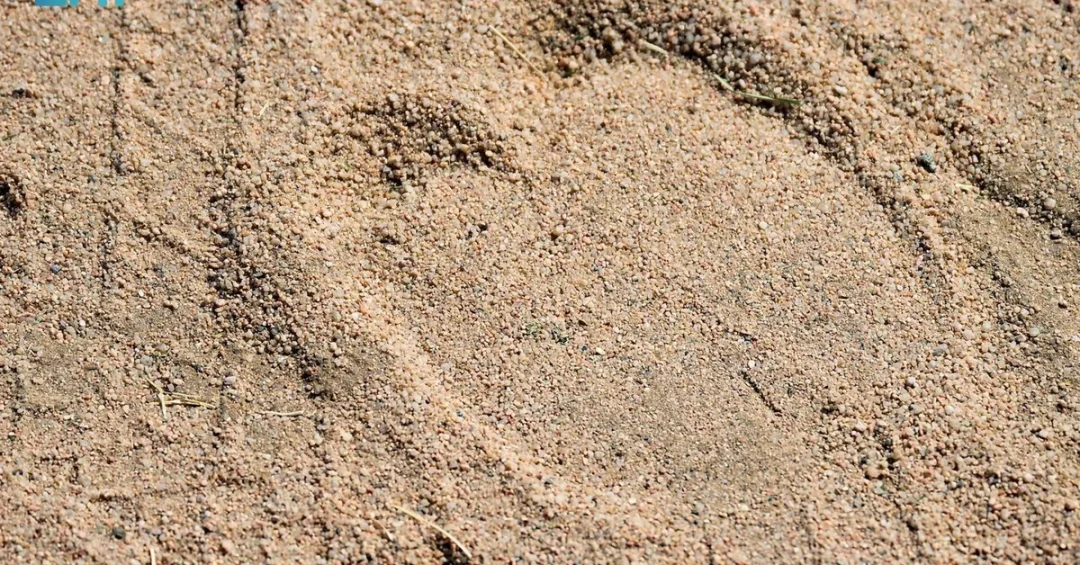
Saudi Arabia’s traditional practice of camel hoof identification continues to thrive as a vital cultural heritage, offering unique insights into the health, age, and characteristics of these cherished desert animals. Expert breeders and researchers in Taif are working to preserve this ancient knowledge that serves as a cornerstone of Saudi Arabia’s rich pastoral traditions.
Ancient Wisdom Meets Modern Science
In the vast deserts of Saudi Arabia, the ability to read camel hoofprints has long been an essential skill passed down through generations. Bandar Al-Mudhaifi, a seasoned camel owner, explains that these prints serve as natural identifiers, much like human fingerprints, providing detailed information about each animal’s unique characteristics.
“The hoof’s shape and the depth of its impression tell us countless details about the camel,” Al-Mudhaifi told the Saudi Press Agency. “Female camels typically leave narrower, softer impressions compared to males, and these characteristics evolve as the animal ages, creating a distinctive pattern that experienced herders can interpret.”
Scientific Validation of Traditional Knowledge
Dr. Fawzia Al-Salmi, a distinguished zoologist at Taif University’s College of Science, has been studying this traditional practice, confirming its scientific validity. Her research demonstrates how hoof prints can indeed reveal crucial information about a camel’s health status, movement patterns, and overall condition.
“What’s remarkable about this traditional knowledge is its accuracy,” explains Dr. Al-Salmi. “When a camel is unwell or fatigued, it leaves distinctive marks in the sand that experienced herders can immediately recognize, making this an invaluable diagnostic tool in the field.”
Cultural Significance and Modern Applications
The practice of reading camel hoofprints extends beyond basic identification, playing a crucial role in modern camel racing and breeding programs. This traditional knowledge helps owners monitor their herds’ movements during grazing and ensures the authenticity of lineage in prestigious camel competitions.
The skill has proven particularly valuable in maintaining the integrity of Saudi Arabia’s growing camel industry, which includes both traditional herding and modern sporting events that attract international attention.
Vision 2030 Alignment
The preservation of this ancient practice aligns perfectly with Saudi Arabia’s Vision 2030 objectives of celebrating and protecting the Kingdom’s cultural heritage while embracing modernization. By documenting and validating traditional knowledge through scientific research, Saudi Arabia continues to demonstrate its commitment to maintaining authentic cultural practices while advancing into the future. This unique blend of heritage and innovation showcases the Kingdom’s ability to preserve its rich traditions while establishing itself as a global cultural destination.
Reader Feedback
We value your thoughts. Please share your feedback on this article.
Thank you! Your feedback has been submitted.
(function(){var form=document.getElementById(“feedback-form”);if(!form)return;var canonical=document.querySelector(“link[rel=’canonical’]”);var articleRef=canonical?canonical.href:window.location.href;form.addEventListener(“submit”,function(e){e.preventDefault();var name=document.getElementById(“fb-name”).value.trim();var email=document.getElementById(“fb-email”).value.trim();var message=document.getElementById(“fb-message”).value.trim();var successEl=document.getElementById(“fb-success”);var errorEl=document.getElementById(“fb-error”);var submitBtn=document.getElementById(“fb-submit”);successEl.style.display=”none”;errorEl.style.display=”none”;submitBtn.disabled=true;submitBtn.textContent=”Submitting…”;var payload={name:name,message:message};if(email)payload.email=email;payload.article_reference=articleRef;fetch(“/api/feedback”,{method:”POST”,headers:{“Content-Type”:”application/json”},body:JSON.stringify(payload)}).then(function(r){return r.json()}).then(function(data){successEl.style.display=”block”;form.reset();submitBtn.disabled=false;submitBtn.textContent=”Submit Feedback”}).catch(function(err){errorEl.textContent=”Error submitting feedback. Please try again.”;errorEl.style.display=”block”;submitBtn.disabled=false;submitBtn.textContent=”Submit Feedback”})});var btn=document.getElementById(“fb-submit”);if(btn){btn.addEventListener(“mouseover”,function(){this.style.background=”#0052a3″});btn.addEventListener(“mouseout”,function(){this.style.background=”#0066cc”})}}})();
]]>