


<![CDATA[
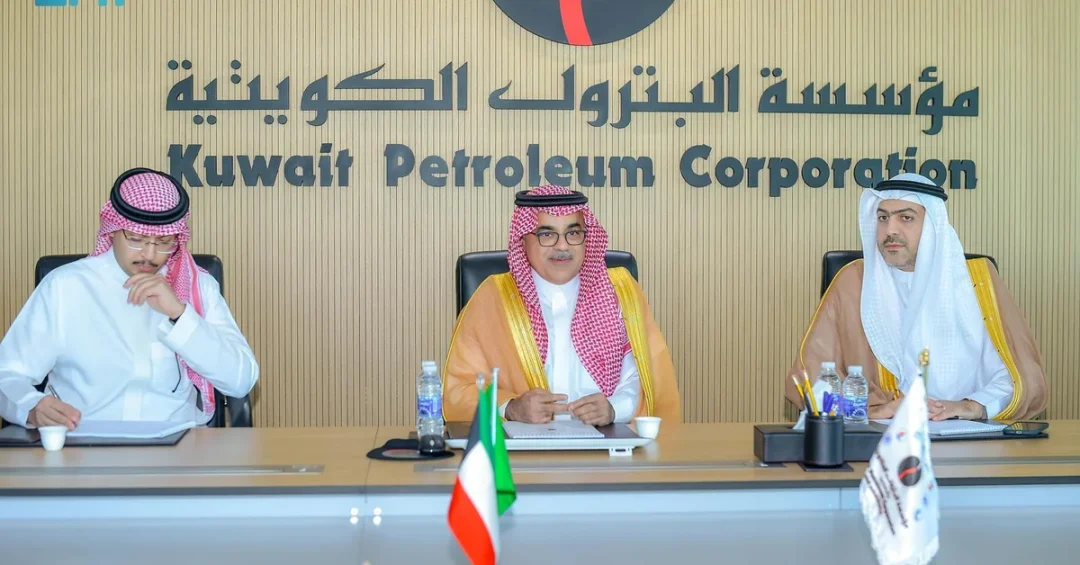
Vice Minister of Industry and Mineral Resources for Industrial Affairs, Eng. Khalil bin Salamah, led the Kingdom of Saudi Arabia’s delegation to the 55th meeting of the Industrial Cooperation Committee of the Gulf Cooperation Council (GCC) in Kuwait on November 2, 2025. The high-level meeting, convened to strengthen industrial integration among the six member states, focused on reviewing tangible progress in implementing joint initiatives and evaluating policies designed to bolster national industries across the Gulf region. According to the official Saudi Press Agency (SPA), the discussions emphasized enhancing cooperation and maximizing the private sector’s role in supporting collective economic development.
Context and Background
The meeting in Kuwait represents a significant step in the ongoing efforts to deepen economic and industrial ties within the GCC, a strategic bloc comprising Saudi Arabia, the United Arab Emirates, Kuwait, Qatar, Bahrain, and Oman. Industrial cooperation is a cornerstone of the GCC’s long-term economic strategy, aimed at creating a more resilient, diversified, and globally competitive regional economy. Saudi Arabia, as the largest economy in the bloc, plays a pivotal leadership role in driving these integration efforts forward. The Kingdom’s active participation, led by senior officials from the Ministry of Industry and Mineral Resources, underscores its commitment to a unified Gulf economic vision and the practical realization of shared industrial goals.
Key Discussions and Objectives
The 55th session of the Industrial Cooperation Committee served as a platform for member states to assess the implementation of previously agreed-upon Gulf industrial integration initiatives. Key agenda items included reviewing the tangible progress made on these projects and evaluating proposed policy frameworks intended to provide robust support for national industries. A central theme of the discussions, as reported by SPA, was addressing the key challenges and opportunities confronting the private sector across GCC nations. The committee emphasized the critical importance of empowering private enterprises to become primary engines of growth, innovation, and job creation within the framework of collective Gulf economic development.
Implications for Regional Economic Strength
The outcomes of this meeting have direct implications for enhancing the GCC’s economic sovereignty and global standing. By advancing industrial integration, member states can reduce redundancies, optimize supply chains, and leverage complementary strengths in sectors such as petrochemicals, manufacturing, mining, and technology. A more cohesive industrial policy fosters a larger, more attractive market for investment, stimulates intra-GCC trade, and enhances the bloc’s ability to negotiate favorable trade terms internationally. Saudi Arabia’s leadership in these talks reinforces its role as a stabilizing and progressive force within the council, working collaboratively with its neighbors to build a prosperous and secure economic future for all Gulf citizens.
Vision 2030 Alignment
This high-level engagement in Kuwait aligns directly with the strategic objectives of Saudi Arabia’s Vision 2030, particularly its goals of diversifying the economy and strengthening regional partnerships. The Kingdom’s National Industrial Strategy and its ambitious mining sector development are integral components of Vision 2030, aiming to transform Saudi Arabia into a global industrial powerhouse. Active participation in GCC industrial committees allows Saudi Arabia to synchronize its national transformation with regional growth, creating synergies that amplify the impact of its domestic reforms. By championing Gulf industrial integration, Saudi Arabia not only advances its own economic diversification agenda but also contributes to building a more resilient, innovative, and interconnected regional economy, solidifying the GCC’s position as a key player in the global industrial landscape of the future.
Reader Feedback
We value your thoughts. Please share your feedback on this article.
Thank you! Your feedback has been submitted.
(function(){var form=document.getElementById(“feedback-form”);if(!form)return;var canonical=document.querySelector(“link[rel=’canonical’]”);var articleRef=canonical?canonical.href:window.location.href;form.addEventListener(“submit”,function(e){e.preventDefault();var name=document.getElementById(“fb-name”).value.trim();var email=document.getElementById(“fb-email”).value.trim();var message=document.getElementById(“fb-message”).value.trim();var successEl=document.getElementById(“fb-success”);var errorEl=document.getElementById(“fb-error”);var submitBtn=document.getElementById(“fb-submit”);successEl.style.display=”none”;errorEl.style.display=”none”;submitBtn.disabled=true;submitBtn.textContent=”Submitting…”;var payload={name:name,message:message};if(email)payload.email=email;payload.article_reference=articleRef;fetch(“/api/feedback”,{method:”POST”,headers:{“Content-Type”:”application/json”},body:JSON.stringify(payload)}).then(function(r){return r.json()}).then(function(data){successEl.style.display=”block”;form.reset();submitBtn.disabled=false;submitBtn.textContent=”Submit Feedback”}).catch(function(err){errorEl.textContent=”Error submitting feedback. Please try again.”;errorEl.style.display=”block”;submitBtn.disabled=false;submitBtn.textContent=”Submit Feedback”})});var btn=document.getElementById(“fb-submit”);if(btn){btn.addEventListener(“mouseover”,function(){this.style.background=”#0052a3″});btn.addEventListener(“mouseout”,function(){this.style.background=”#0066cc”})}}})();
]]>