


<![CDATA[
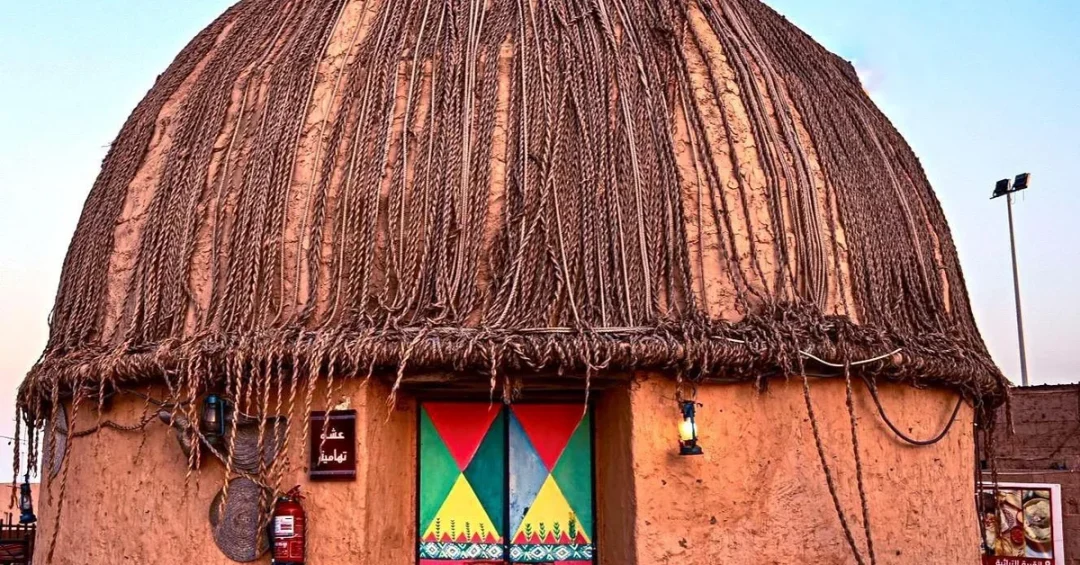
The traditional Jazan hut, a distinctive architectural form woven from local palm fronds and earth, is experiencing a contemporary revival as a key feature of cultural festivals, cafes, and tourist resorts in Saudi Arabia’s southwestern Jazan Region. This development, based on information from the Saudi Press Agency (SPA), highlights a growing trend of integrating authentic heritage into modern tourism and lifestyle offerings, showcasing the region’s unique identity to both domestic and international visitors.
Context and Background
The Jazan hut is an iconic structure native to the coastal plains of the Jazan Region, where it has historically served as a primary dwelling. Its design is a direct response to the local environment, utilizing readily available natural materials to create a living space that is both functional and harmonious with its surroundings. For generations, this architecture has symbolized the deep connection between the people of Jazan and their land, representing a sustainable building practice born of necessity and refined by cultural tradition. The structure’s continued presence, even amidst modern urban development, speaks to its enduring cultural significance and aesthetic appeal.
Key Details and Modern Revival
Constructed primarily from the fronds and branches of local palm trees, the hut’s walls and roof are prized for their durability and natural insulation. Builders traditionally reinforced the framework with strong woods from acacia, jujube, and doum palms, while floors were made from a packed mixture of mud and fine sand to regulate interior temperature. According to the SPA report, this heritage is now being actively reimagined. Contemporary versions of the Jazan hut are appearing in new contexts, serving as atmospheric venues at cultural festivals, themed cafes, and luxury tourist resorts. These modern interpretations often incorporate traditional decorative elements such as heritage color palettes, handmade mats, and incense burners, creating an immersive experience that bridges past and present.
Implications for Cultural Tourism and Identity
This revival has significant implications for cultural preservation and economic diversification in Jazan. By adapting the hut for modern use, the region is effectively safeguarding intangible cultural heritage while creating new economic opportunities within the tourism and hospitality sectors. It allows visitors to engage directly with Saudi Arabia’s rich regional diversity in an authentic and tangible way. The move aligns with a broader national effort to celebrate and promote the Kingdom’s varied cultural assets, moving beyond a monolithic narrative to showcase the unique traditions of specific regions like Jazan. This approach enhances the depth of the tourist experience and fosters a greater international appreciation for Saudi Arabia’s historical depth and cultural complexity.
Vision 2030 Alignment
The contemporary repurposing of the Jazan hut directly supports the ambitious goals of Saudi Arabia’s Vision 2030, particularly its pillars of a vibrant society, a thriving economy, and an ambitious nation. By transforming a traditional architectural symbol into a modern tourism asset, Jazan is contributing to the diversification of the national economy away from oil dependency, specifically through the growth of the cultural and leisure tourism sectors. This initiative strengthens community identity, preserves national heritage, and creates new job opportunities for local artisans and hospitality workers. Ultimately, it exemplifies how Vision 2030 is being realized at a regional level, demonstrating how Saudi Arabia’s profound historical legacy is not being left behind but is being thoughtfully integrated into its dynamic and forward-looking future, enriching the nation’s global cultural footprint.
Reader Feedback
We value your thoughts. Please share your feedback on this article.
Thank you! Your feedback has been submitted.
(function(){var form=document.getElementById(“feedback-form”);if(!form)return;var canonical=document.querySelector(“link[rel=’canonical’]”);var articleRef=canonical?canonical.href:window.location.href;form.addEventListener(“submit”,function(e){e.preventDefault();var name=document.getElementById(“fb-name”).value.trim();var email=document.getElementById(“fb-email”).value.trim();var message=document.getElementById(“fb-message”).value.trim();var successEl=document.getElementById(“fb-success”);var errorEl=document.getElementById(“fb-error”);var submitBtn=document.getElementById(“fb-submit”);successEl.style.display=”none”;errorEl.style.display=”none”;submitBtn.disabled=true;submitBtn.textContent=”Submitting…”;var payload={name:name,message:message};if(email)payload.email=email;payload.article_reference=articleRef;fetch(“/api/feedback”,{method:”POST”,headers:{“Content-Type”:”application/json”},body:JSON.stringify(payload)}).then(function(r){return r.json()}).then(function(data){successEl.style.display=”block”;form.reset();submitBtn.disabled=false;submitBtn.textContent=”Submit Feedback”}).catch(function(err){errorEl.textContent=”Error submitting feedback. Please try again.”;errorEl.style.display=”block”;submitBtn.disabled=false;submitBtn.textContent=”Submit Feedback”})});var btn=document.getElementById(“fb-submit”);if(btn){btn.addEventListener(“mouseover”,function(){this.style.background=”#0052a3″});btn.addEventListener(“mouseout”,function(){this.style.background=”#0066cc”})}}})();
]]>